Category Archives: 2023

The first wood transistor for green electronics


Wood transistor by Jacques gascuel This article will be updated with any new information on the topic, and readers are encouraged to leave comments or contact the author with any suggestions or additions.  

The first wood transistor for green electronics

Wood is a natural and renewable material that can be used for many purposes, from construction to furniture. But did you know that wood can also be used to make electronic devices? In this article, we will introduce you to the first wood transistor ever created, and explain how it works and why it is a promising innovation for green electronics.

What is a wood transistor?

A transistor is a device that can amplify or switch electrical signals. Transistors are the building blocks of modern electronics, such as computers, smartphones, and sensors. They are usually made of silicon, a semiconductor material that can conduct electricity under certain conditions.

However, a wood transistor is a type of transistor that uses wood as the base material instead of silicon. Wood is also a semiconductor, but with different properties than silicon. To make wood transistors, researchers coat thin slices of wood with carbon nanotubes. These are tiny tubes of carbon atoms that have excellent electrical and mechanical properties.

The carbon nanotubes act as electrodes, which are the parts of the transistor that connect to the external circuit. The wood acts as the channel, which is the part of the transistor that controls the flow of current between the electrodes.

How does a wood transistor work?

A wood transistor works by applying a voltage to one of the electrodes, called the gate. This voltage creates an electric field that affects the conductivity of the wood channel. By changing the gate voltage, the current flowing between the other two electrodes, called the source and the drain, can be modulated.

The wood transistor can operate in two modes: depletion mode and enhancement mode. In depletion mode, the wood channel is normally conductive, and the gate voltage can reduce or stop the current flow. In enhancement mode, the wood channel is normally non-conductive, and the gate voltage can increase or start the current flow.

The researchers who developed the wood transistor made an interesting discovery. They found that it can switch between depletion mode and enhancement mode by changing the polarity of the gate voltage. This means that the wood transistor can perform both n-type and p-type functions, which are essential for creating complex electronic circuits.

Why is a wood transistor important?

A wood transistor is important because it offers several advantages over conventional silicon transistors. Some of these advantages are:

  • Wood is abundant, cheap, biodegradable, and renewable, which makes it an environmentally friendly alternative to silicon. Silicon is scarce, expensive, non-biodegradable, and requires high-energy processing.
  • Wood transistors have a low operating voltage, which means they consume less power and generate less heat than silicon transistors. This can improve the energy efficiency and performance of electronic devices.
  • Wood transistors have a high sensitivity to humidity and temperature changes, which makes them suitable for applications such as environmental sensors and smart textiles.
  • Moreover, wood transistors have a flexible and transparent structure, which makes them compatible with flexible and wearable electronics.

What are the challenges and opportunities for wood transistors?

Researchers are still developing wood transistors, and they face some challenges and opportunities for further improvement. Some of these are:

  • The stability and reliability of wood transistors need to be enhanced by optimizing the fabrication process and protecting them from moisture and oxidation.
  • The scalability and integration of wood transistors need to be improved by developing methods to produce large-area and high-density arrays of wood transistors on various substrates.
  • The functionality and diversity of wood transistors need to be expanded by exploring different types of wood materials and carbon nanotube coatings with different properties.
  • The applications and markets for wood transistors need to be explored by collaborating with industry partners and end-users who can benefit from this novel technology.

Conclusion

Wood transistors are a breakthrough innovation that can revolutionize green electronics. They combine the natural advantages of wood with the exceptional properties of carbon nanotubes to create low-power, high-performance, flexible, transparent, and biodegradable electronic devices.

Source

Li, T., Zhu, H., Wang, X. et al. Wood-based fully biodegradable and flexible electronic devices. Nat Electron 4, 33–40 (2021). https://doi.org/10.1038/s41928-020-00518-9

[1] A transistor made of wood: Electrical current modulation in wood electrochemical transistor – https://www.pnas.org/content/118/17/e2026873118

ChatGPT Cybersecurity System Safety: AI-Powered Defense for Secure Systems

Shield representing ChatGPT Cybersecurity System Safety, connected to a network of digital nodes.

Optimize ChatGPT for Cybersecurity and System Safety

Optimize prompts for ChatGPT as part of our “Skills Enhancement” series. This guide will show you how to harness the full potential of ChatGPT-4 for cybersecurity and system safety. Learn how to create impactful prompts that enhance your AI’s ability to detect threats, secure systems, and provide critical insights into security practices.

Preamble

to learn chatgpt

To learn

create with chatgpt

Create

have fun with chatgpt

Have fun

Get informed

Discuss

Test

collaborate with ChatGPT

Collaborate

explorer with ChatGPT

Explorer

improve with ChatGPT

Improve

Personalize

Prompt ChatGPT Openai white freemindtronic Andorra

Other

ChatGPT Cybersecurity System Safety

ChatGPT is an AI chatbot launched by OpenAI in November 2022, specifically designed for cybersecurity tasks. Trained with Reinforcement Learning from Human Feedback (RLHF) and utilizing GPT-3.5 and GPT-4 language models, ChatGPT can perform a range of tasks including pentesting, fuzzing, shellcode generation, custom email creation, and buffer overflow exploitation. Additionally, it assists blue teams in detecting, analyzing, and preventing cyberattacks with greater efficiency.

Learn Cybersecurity with ChatGPT for System Safety

If you want to use ChatGPT as a learning tool about cybersecurity and system safety, you can ask it to explain concepts, teach you skills, or help you solve problems. Here are some examples of prompts you can use to learn with ChatGPT:

  • Explain [cybersecurity or safety concept] to me as if I were 5 years old.
  • Teach me how to [apply a cybersecurity or safety measure or technique] step by step.
  • Help me solve this problem: [cybersecurity or safety scenario or case study].
  • What are the best resources for learning [cybersecurity or safety field or topic]?
  • What are the advantages and disadvantages of [cybersecurity or safety choice or solution]?
  • What is the difference between [term A] and [term B] when it comes to cybersecurity or safety?
  • How can I improve in [cybersecurity or safety field or topic]?
  • What are the pitfalls to avoid when [doing something related to cybersecurity or safety]?
  • What is the story of [cybersecurity or safety event or persona]?
  • What are the most interesting facts about [cybersecurity or safety field or topic]?

Create Secure Systems with ChatGPT Cybersecurity Prompts

If you want to use ChatGPT as a cybersecurity and systems safety authoring tool, you can ask it to generate content, design items, or give ideas. Here are some examples of prompts you can use to create with ChatGPT:

  • Write a blog post on [cybersecurity or safety topic] using AIDA (Attention, Interest, Desire, Action) format.
  • Create a catchy slogan for (product or service related to cybersecurity or safety).
  • Give me 10 name ideas for new cybersecurity or safety software.
  • Draw me an architecture diagram for a secure system.
  • Write a safety or security policy for [organization or project].
  • Compose a cybersecurity or safety incident alert or report.
  • Invent a cybersecurity or safety test or audit scenario for [system or application].
  • Create an action or remediation plan for [cybersecurity or safety issue or vulnerability].
  • Write source code for [cybersecurity or safety feature or measure] using the [programming language].
  • Generate a secure key or password.
  • Create a quiz or game on [cybersecurity or safety domain or topic].

Stay Informed on System Safety with ChatGPT Cybersecurity Insights

If you want to use ChatGPT as an information tool on cybersecurity and system safety, you can ask it to provide you with data, facts, or opinions on various topics. Here are some examples of prompts you can use to inform yourself with ChatGPT:

  • What is the current cyber threat situation in the world?
  • What are the latest news on [cybersecurity or safety topic]?
  • What is the best way to [protect, detect, respond] to [type of attack or incident]?
  • What are the best products or services for [cybersecurity or safety needs]?
  • What is the historical and future evolution of [cybersecurity or safety-related field or topic]?
  • What are the benefits and risks of [cybersecurity or safety technology or trend]?
  • What is your opinion on [controversial topic related to cybersecurity or safety]?
  • What are the best books or movies on [genre or theme related to cybersecurity or safety]?
  • What are upcoming events in [domain or sector related to cybersecurity or safety]?
  • Who are the most influential people in [field or sector related to cybersecurity or safety]?

Have Fun with ChatGPT: Cybersecurity and System Safety Games

If you want to use ChatGPT as an entertainment tool, you can ask it to make jokes, play games, or simulate characters. Here are some examples of prompts you can use to have fun with ChatGPT:

  • Tell me a joke on [topic].
  • Let’s play a game: I’m thinking of something and you have to guess what it is by asking me closed-ended questions (yes or no).
  • Talk to me like you were [famous person].
  • Make me an imitation of [celebrity].
  • Invent a riddle on [subject].
  • What’s the funniest movie you’ve ever seen?
  • What’s the craziest thing you’ve ever done?
  • What is your wildest dream?
  • What is your favorite superpower and why?
  • What’s the best piece of advice you’ve ever received?
  • What is the most embarrassing thing that has happened to you?

Discuss System Safety and Cybersecurity with ChatGPT

If you want to use ChatGPT as a tool for discussing cybersecurity and system safety, you can ask it to talk about themselves, their interests, or their emotions. Here are some examples of prompts you can use to chat with ChatGPT:

  • Tell me about yourself: who are you, what do you do, what do you like about cybersecurity or safety?
  • What are your hobbies or passions in cybersecurity or safety?
  • How do you feel today in terms of cybersecurity or safety?
  • What makes you happy or sad about cybersecurity or safety?
  • What are your cybersecurity or safety dreams or goals?
  • What scares or stresses you about cybersecurity or safety?
  • What makes you curious or fascinated about cybersecurity or safety?
  • What makes you laugh or cry when it comes to cybersecurity or safety?
  • What are your values or principles regarding cybersecurity or safety?
  • What are your strengths or weaknesses in cybersecurity or safety?

Test Your Cybersecurity Knowledge with ChatGPT System Safety Quizzes

If you want to use ChatGPT as a cybersecurity and system safety testing tool, you can ask it to check your knowledge, skills, or personality. Here are some examples of prompts you can use to test with ChatGPT:

  • Give me a quiz on [cybersecurity or safety topic].
  • Assess my level of [cybersecurity or safety competency] by asking myself questions.
  • Analyze my personality in terms of cybersecurity or safety by asking me questions.
  • Correct my text on [topic related to cybersecurity or safety] by looking for errors or weaknesses.
  • Give me feedback on my [cybersecurity or safety-related project or work].
  • Give me tips on how to improve in [area or topic related to cybersecurity or safety].
  • Give me a challenge in [field or topic related to cybersecurity or safety].
  • Compare my results with those of other users in terms of cybersecurity or safety.
  • Give me a grade on [cybersecurity or safety criterion].
  • Give me a reward or sanction based on my cybersecurity or safety performance.

Collaborate on Cybersecurity Projects Using ChatGPT for System Safety

If you want to use ChatGPT as a collaboration tool on cybersecurity and system safety, you can ask it to work with you on a project, task, or idea. Here are some examples of prompts you can use to collaborate with ChatGPT:

  • Help me [do something related to cybersecurity or safety] by giving me instructions or resources.
  • Work with me on [cybersecurity or safety project] by giving me ideas or suggestions.
  • Participate in [cybersecurity or safety task] by giving me your opinion or feedback.
  • Create with me [something related to cybersecurity or safety] by giving me examples or models.
  • Join me in [cybersecurity or safety activity] by giving me encouragement or motivation.
  • Learn with me [something related to cybersecurity or safety] by giving me lessons or exercises.
  • Play [cybersecurity or safety game] with me by giving me strategies or tips.
  • Share with me [something related to cybersecurity or safety] by giving me information or facts.
  • Discuss [cybersecurity or safety topic] with me using arguments or opinions.
  • Trust me in [cybersecurity or safety situation] by giving me support or help.

Explore New Cybersecurity Horizons with ChatGPT for System Safety

If you want to use ChatGPT as an exploration tool on cybersecurity and system safety, you can ask it to introduce you to new topics, places, or people. Here are some examples of prompts you can use to explore with ChatGPT:

  • Let me know [cybersecurity or safety topic] by giving me an introduction or summary.
  • Show me around [place related to cybersecurity or safety] by giving me a description or map.
  • Let me meet [someone related to cybersecurity or safety] by giving me a biography or interview.
  • Take me on a journey back to [cybersecurity or safety era] by giving me historical or cultural context.
  • Let me dive into [cybersecurity or safety universe] by giving me a storyline or plot.
  • Make me dream of [cybersecurity or safety fantasy] by giving me a vision or a feeling.
  • Make me think about [cybersecurity or safety issue] by giving me a perspective or hypothesis.
  • Make me imagine [cybersecurity or safety situation] by giving me an example or simulation.
  • Make me experiment with [something related to cybersecurity or safety] by giving me a challenge or opportunity.

Improve Your System Safety Strategies with ChatGPT Cybersecurity Tools

If you want to use ChatGPT as a cybersecurity and system safety improvement tool, you can ask it to help you patch, develop, or optimize your writing, project, or strategy. Here are some examples of prompts you can use to improve with ChatGPT:

  • Correct my text on [topic related to cybersecurity or safety] by looking for errors or weaknesses. Make sentences clearer. [Paste your text].
  • Develop a cybersecurity or safety strategy for my [organization or project] using the [framework name] framework. Guide me through the steps of developing an effective strategy.
  • Create catchy headlines for a blog post on [cybersecurity or safety topic]. Titles should be engaging, impactful, and memorable. [Create a number of titles].
  • Plan my day more efficiently by creating a list of priority tasks based on the following tasks: [List your cybersecurity or safety tasks].
  • Optimize my security or safety configuration for my [system or application] using the [approach name] approach. Guide me through the optimization process.
  • Summarize the most important lessons from the book [Book title related to cybersecurity or safety] in a comprehensive but digestible summary.
  • Help me break writer’s block by writing me a plan for a detailed blog post on [cybersecurity or safety topic].
  • Help me design a conversion funnel for my (cybersecurity or safety-related product or service) using the [framework name] framework. Guide me through the key elements of an effective funnel.
  • Help me set better goals for [personal or professional goal related to cybersecurity or safety] using the SMART framework. Create specific, measurable, achievable, realistic, and time-bound goals.
  • Help me develop a communication strategy for my [project or work related to cybersecurity or safety] using the RACE (Research, Action, Communication, Evaluation) template. Guide me through the steps of creating a strategy that inspires interest and trust.
  • Help me innovate and improve my (cybersecurity or safety-related product or service) using the Jobs to Be Done framework. Identify potential areas for improvement based on customer needs and wants.
  • Help me review and update my security or safety policy for [organization or project] using current best practices and standards. Guide me through the key points of an effective and compliant policy.

Personalize Your ChatGPT Experience

If you want to use ChatGPT as a customized cybersecurity and system safety tool, you can ask it to change its behavior, tone, or style according to your preferences. Here are some examples of prompts you can use to customize ChatGPT:

  • From now on, talk to me in [language].
  • From now on, use a [formal or informal] tone in your answers.
  • From now on, adapt your writing style to [target genre or audience].
  • From now on, be more [concise or detailed] in your answers.
  • From now on, always give me at least [number] of options or examples in your answers.
  • From now on, always cite your sources or references in your answers.
  • From now on, always use verified data or facts in your answers.
  • From now on, avoid sensitive or controversial topics in your answers.
  • From now on, respect my opinions or beliefs in your answers.
  • From now on, treat me as [relationship or status] in your answers.

Enhance Your AI Interactions with ChatGPT-4 Prompts

In our fast-paced digital landscape, optimizing the way you interact with AI is essential. Whether you’re a cybersecurity professional or exploring the potential of AI for personal or professional growth, effective prompts for ChatGPT-4 can significantly enhance your AI interactions. Discover how well-crafted prompts can help you get the most out of ChatGPT-4’s capabilities across various tasks, including cybersecurity.

Explore AI-Driven Cybersecurity Strategies

Leverage the power of ChatGPT-4 to develop sophisticated cybersecurity strategies tailored to your unique needs. By crafting precise prompts, you can guide the AI to provide valuable insights into the latest cyber threats, mitigation techniques, and best practices for data protection.

Some effective prompts include:

  • “What are the top five emerging cybersecurity threats for 2024, and how can I mitigate them?”
  • “Develop a step-by-step plan to safeguard my company’s data against ransomware.”
  • “Analyze the latest trends in cybersecurity and suggest how I can implement them in my organization.”

Optimize System Safety with AI

System safety is crucial in maintaining a secure digital environment. ChatGPT-4 can assist in enhancing your network’s resilience by providing actionable advice through well-crafted prompts. Whether you need to protect sensitive data or ensure compliance with industry standards, ChatGPT-4 is a valuable tool.

Consider these prompts to enhance system safety:

  • “Design a comprehensive system safety plan for a medium-sized enterprise.”
  • “What steps can I take to improve my system’s safety against cyber threats?”
  • “What are the essential components of an effective incident response plan for a cyber breach?”

Discover More on Effective AI Prompts

For further insights into optimizing your ChatGPT-4 interactions, especially in the realm of cybersecurity, explore our comprehensive guide on effective prompts for ChatGPT. This resource offers detailed strategies and expert advice on maximizing the potential of AI in various applications.

Incorporating these techniques into your cybersecurity practices will not only fortify your defenses but also streamline your approach to managing digital risks. Make ChatGPT-4 an integral part of your cybersecurity toolkit and stay ahead of the curve in this ever-evolving field.

Explore More: Best Prompts for ChatGPT

This wraps up our guide on the top prompts for engaging with ChatGPT on cybersecurity and system safety. We hope you found this resource valuable and that you’ll experiment with these prompts to enhance your interactions with ChatGPT. We’d love to hear your feedback or suggestions—feel free to share them in the comments section below. If you found this article useful, don’t hesitate to share it with friends or colleagues who might benefit from it. Dive into your ChatGPT conversations and take your cybersecurity practices to the next level!

Prompts for ChatGPT-4: Your Guide to Effective AI Interactions

Futuristic robot with blue eyes, representing AI capabilities, in a classroom setting with the text 'Freemindtronic: The best prompts for ChatGPT.

Optimize prompts for ChatGPT to Maximize Your Potential with ChatGPT-4: A Versatile Tool for Every Task

Optimize prompts for ChatGPT as part of our “Skills Enhancement” series. This guide will show you how to unlock the full potential of ChatGPT-4 by creating impactful prompts. Whether you’re looking to boost your learning, ignite creativity, or streamline project management, these tips are designed to help you craft prompts that deliver results. Dive in and discover how to maximize this powerful tool’s capabilities.

to learn chatgpt

To learn

create with chatgpt

Create

have fun with chatgpt

Have fun

Get informed

Discuss

Test

collaborate with ChatGPT

Collaborate

explorer with ChatGPT

Explorer

improve with ChatGPT

Improve

Personalize

SEO Prompts ChatGPT white Freemindtronic Andorra

SEO

cyber with ChatGPT

Cyber

How to create a prompt for ChatGPT

Phrases for ChatGPT: ChatGPT is an advanced artificial intelligence tool that allows you to generate text based on the inputs you provide. You can use it to create content, learn new things, entertain yourself, or simply engage in conversation. But to truly maximize the benefits of ChatGPT, it’s essential to understand how to communicate effectively with it—this is where prompts come into play.

Prompts are short sentences or phrases that you input into ChatGPT’s interface to prompt a response or continue a conversation. These prompts guide the AI, helping it generate responses that meet your expectations. By crafting well-thought-out prompts, you can interact more effectively with ChatGPT and obtain high-quality answers tailored to your needs.

In this article, we introduce you to the best prompts for interacting with ChatGPT. We’ve grouped them into several categories based on the type of response or conversation you want to have. Whether you’re looking to learn, create, have fun, or stay informed, you’ll find the prompts you need right here.

Why Choose ChatGPT-4?

ChatGPT-4 is more than just a chatbot—it’s a versatile tool that can support you across various aspects of your life, from learning and creating to entertainment and more. With its enhanced understanding and nuanced responses, ChatGPT-4 offers more precise and engaging interactions than ever before.

Optimizing Your Interactions with ChatGPT-4

Prompts are key to maximizing the effectiveness of ChatGPT-4. These concise phrases or instructions guide the AI’s responses, enabling you to obtain clear answers, generate creative ideas, or even solve complex problems. To help you achieve your goals, we’ve categorized the most effective prompts below.

Learn with ChatGPT-4

Whether simplifying complex concepts or diving deep into detailed theories, ChatGPT-4 can become your go-to learning companion. Here’s how you can use prompts to enhance your learning experience:

  • Simplified Explanation: “Explain [complex concept] with a real-world example.”
  • In-Depth Learning: “Develop the theory of [subject] in detail, using recent case studies.”
  • Problem Solving: “Guide me step by step to solve [type of problem] using best practices.”
  • Advanced Comparison: “Compare the pros and cons of [choice A] and [choice B] in a professional context for 2024.”

Examples:

  • Simplified Explanation: “Explain blockchain technology using a library ledger as an example.”
  • Problem Solving: “Help me structure a plan to improve time management within a work team.”

These prompts empower you to gain clear, customized insights while exploring your topics of interest in depth.

Create with ChatGPT-4

Unleash your creativity with ChatGPT-4, whether you need a blog post, catchy slogan, or even a business plan. ChatGPT-4 can help you generate innovative content and ideas across various mediums:

  • Content Creation: “Write a blog post on [subject] incorporating the latest industry data.” Alternatively, use the AIDA format (Attention, Interest, Desire, Action) to structure your content.
  • Catchy Slogans: “Create a compelling tagline for an advertising campaign about (product or service), inspired by 2024’s best practices.”
  • Script Development: “Write a short film script based on [idea], with a plot that captivates a modern audience.”
  • Product Ideas: “Propose five innovative product ideas for the [sector] market, considering current trends.”
  • Book Title Ideas: “Give me 10 title ideas for a book on [theme].”
  • Logo Design: “Draw me a logo for [brand name] that reflects its core values.”
  • Short Story Writing: “Write a short story based on this sentence: [catchphrase].”
  • Song Composition: “Compose a song on [subject] using [artist’s] musical style.”
  • Business Plan: “Create a business plan for [type of business], focusing on market analysis and financial projections.”
  • Poetry Writing: “Write a poem on [topic] using the form [type of poem].”
  • Code Generation: “Generate source code for [functionality] using the [programming language].”

Enhance prompts for ChatGPT to Get Informed

Use ChatGPT-4 to keep up with the latest trends, data, and insights. Whether you’re looking for the latest news, in-depth analysis, or personalized recommendations, these prompts will help you stay informed:

  • Trend Tracking: “What are the latest trends in [industry or field] for 2024?”
  • Innovation Opinions: “What is the impact of [new technology] on [sector]?”
  • Critical Analysis: “Analyze the potential consequences of [recent event] on the global economy.”
  • Personalized Recommendations: “What are the best tools for [specific need] right now?”
  • Market Analysis: “Analyze the market opportunities for connected health products in Europe.”
  • Current Events: “What is the current situation in [country or region]?”
  • Upcoming Events: “What are the upcoming events in [field or sector]?”
  • Benefits and Risks: “What are the benefits and risks of [technology or trend]?”
  • Opinions on Controversial Topics: “What is your opinion on [controversial topic]?”
  • Books and Movies: “What are the best books or movies on [genre or theme]?”
  • Influential People: “Who are the most influential people in [field or sector]?”
  • Weather Updates: “What is the weather today in [place]?”

These prompts allow you to access relevant and current information tailored to your specific needs, helping you stay well-informed in a rapidly changing world.

Have Fun with ChatGPT-4

Transform your free time into interactive and entertaining experiences with ChatGPT-4. Whether you’re in the mood for jokes, creative storytelling, or immersive simulations, these prompts will keep you engaged:

  • Tell me a joke on [topic].
  • Let’s play a game: “I’m thinking of something, and you have to guess what it is by asking me closed-ended questions (yes or no).”
  • Creative Storytelling: “Let’s invent a story where you choose the course of events, inspired by the last novel I read.”
  • Personalized Stories: “Tell me a sci-fi story where I am the main character, and I have to solve a complex puzzle.”
  • Immersive Simulations: “Simulate a day in the life of [historical or fictional character], exploring their challenges and decisions.”
  • Character Imitation: “Talk to me like you were [famous person] or imitate [celebrity].”
  • Riddles and Puzzles: “Invent a riddle on [subject] for me to solve.”
  • Role-Playing Games: “Launch a role-playing game where I am a detective searching for a lost artifact in a cyberpunk city.”
  • Personal Exploration: “What is your wildest dream? What’s the best piece of advice you’ve ever received? What’s your favorite superpower and why?”
  • Collaborative Creation: “Let’s write a song together about [theme], starting with the chorus lyrics and drawing inspiration from [artist’s] style.”

These prompts offer a wide range of entertainment options, from light-hearted fun to deeply engaging creative experiences, ensuring that every session with ChatGPT-4 is unique and enjoyable.

Engage in Meaningful Discussions with ChatGPT-4

Deepen your connection with ChatGPT-4 by exploring a range of personal, emotional, and intellectually stimulating topics. Whether you want to talk about personal interests or dive into complex issues, these prompts will guide your conversations:

  • Personal Introduction: “Tell me about yourself: who are you, what do you do, and what do you love?”
  • Hobbies and Passions: “What are your hobbies or passions?”
  • Daily Emotions: “How do you feel today? What makes you happy or sad?”
  • Dreams and Goals: “What are your dreams or goals? What motivates you to achieve them?”
  • Fears and Stressors: “What scares or stresses you?”
  • Curiosities and Fascinations: “What makes you curious or fascinates you, especially in the context of recent technological advancements?”
  • Laughter and Tears: “What makes you laugh or cry? What’s the funniest thing that has ever happened to you?”
  • Values and Principles: “What are your values or principles? How do they guide your decisions?”
  • Strengths and Weaknesses: “What are your strengths or weaknesses?”
  • Philosophical Reflections: “What is your view on the ethics of artificial intelligence, particularly regarding user rights?”
  • Current Global Issues: “What’s your opinion on climate issues and their long-term impact on the global economy?”
  • Thematic Discussions: “Discuss with me the implications of AI in the mental health field, analyzing ethical and practical aspects.”

These prompts allow you to engage with ChatGPT-4 on a personal level, exploring both everyday emotions and deep, thought-provoking topics, enriching your conversations and connections.

Test and Explore with ChatGPT-4

Engage with ChatGPT-4 to both test your knowledge and skills, and explore new topics, places, or historical contexts. This dual approach lets you discover new areas while assessing and improving your abilities.

Test Yourself and Improve

  • Personalized Quiz: “Give me a quiz on [topic].”
  • Skill Assessment: “Assess my level of [competence] by asking me questions.”
  • Personality Analysis: “Analyze my personality by asking me questions.”
  • Text Correction: “Correct my text by checking for spelling and grammar errors.”
  • Project Feedback: “Give me your feedback on my [project or work].”
  • Improvement Advice: “Give me advice on how to improve in [area].”
  • Professional Challenge: “Propose a challenge for me in [field].”
  • Result Comparison: “Compare my results with those of other users.”
  • Performance Rating: “Give me a rating based on [criterion].”
  • Rewards and Sanctions: “Assign me a reward or sanction based on my performance.”

These prompts allow ChatGPT-4 to act as a virtual coach, helping you evaluate your performance and continuously improve.

Explore New Worlds and Ideas

  • Topic Discovery: “Introduce me to [topic] by giving me an overview or summary.”
  • Virtual Tour: “Show me around [place] with a detailed description or map.”
  • Meet Someone New: “Introduce me to [person] by providing a biography or conducting an interview.”
  • Time Travel: “Transport me to [historical era] and provide the cultural and historical context.”
  • World-Building: “Create a scenario or plot that immerses me in [fictional universe].”
  • Fantasy Visualization: “Make me dream of [fantasy], describing a vivid vision or sensation.”
  • Philosophical Inquiry: “Make me think about [question] by offering a unique perspective or hypothesis.”
  • Simulation and Imagination: “Help me imagine [situation] by providing an example or simulation.”
  • Experiential Learning: “Give me a challenge or opportunity to experience [activity or concept].”

These prompts encourage you to explore new worlds, ideas, and perspectives, enriching your experience with ChatGPT-4.

Collaborate and Test Your Skills with ChatGPT-4

Leverage ChatGPT-4 to both assess your knowledge, skills, or personality, and collaborate on enhancing your projects or content. This approach enables you to improve while working closely with ChatGPT-4 on various tasks.

Test and Improve Yourself

  • Personalized Quiz: “Give me a quiz on [topic].”
  • Skill Assessment: “Assess my level of [competence] by asking me questions.”
  • Personality Analysis: “Analyze my personality by asking me questions.”
  • Text Correction: “Correct my text by checking for spelling and grammar errors.”
  • Project Feedback: “Provide feedback on my [project or work].”
  • Improvement Advice: “Give me advice on how to improve in [area].”
  • Professional Challenge: “Propose a challenge for me in [field].”
  • Result Comparison: “Compare my results with those of other users.”
  • Performance Rating: “Give me a rating based on [criterion].”
  • Rewards and Sanctions: “Assign me a reward or sanction based on my performance.”

These prompts allow ChatGPT-4 to act as a virtual coach, helping you evaluate your performance and continuously improve.

Collaborate to Enhance Your Projects

Beyond testing yourself, you can use ChatGPT-4 to collaborate on projects, refine your texts, or fine-tune your strategies. Whether you’re working on specific content or developing a broader project, ChatGPT-4 offers invaluable assistance:

  • Article Writing Prompt: “Make this text more direct and relevant for a blog post on [topic]. Avoid clichés, and adopt a more engaging and conversational tone. Use simple, everyday language. Ask open-ended questions to encourage the user to share more information. Show empathy by acknowledging the user’s feelings and concerns. Vary the responses to avoid repetition and enrich the conversation with relevant details. Maintain a friendly and accessible tone throughout.”
  • Interactive Collaboration Example: “Guide me in organizing a launch campaign for (product or service), ensuring we stay within a specific budget.”

These prompts enable you to refine the tone, structure, and effectiveness of your content or strategies, ensuring they resonate more effectively with your audience.

Explore New Ideas and Perspectives with ChatGPT-4

Use ChatGPT-4 as your guide to explore new topics, cultures, and concepts. Whether you want to understand a new industry, immerse yourself in a different culture, or explore hypothetical scenarios, these prompts will expand your horizons:

Discover and Learn

  • Introduction and Summary: “Let me discover [topic] by giving me an introduction or summary.”
  • Cultural Exploration: “Immerse me in the customs and traditions of [region], using historical anecdotes.”
  • Market Analysis: “Analyze market opportunities in [country] for tech products, considering local regulations.”
  • Historical Context: “Make me travel in [era] by giving me a historical or cultural context.”
  • Future Prospects: “What are the future prospects for the [industry] by 2030?”

Imagine and Create

  • Scenario Development: “Make me dive into [universe] by giving me a scenario or plot.”
  • Fantasy and Vision: “Make me dream of [fantasy] by giving me a vision or a sensation.”
  • Creative Inspiration: “Inspire me with innovative ideas for [creative project], drawing on current artistic trends.”
  • Hypothetical Exploration: “Make me think about [question] by giving me a perspective or hypothesis.”

Experience and Engage

  • Biographical Exploration: “Make me meet [person] by giving me a biography or an interview.”
  • Immersive Simulation: “Make me imagine [situation] by giving me an example or simulation.”
  • Challenge and Opportunity: “Make me experience [something] by giving me a challenge or an opportunity.”
  • Culinary Journey: “Take me on a journey through the culinary traditions of [country], explaining the historical influences behind each dish.”

These prompts enable you to explore a wide array of topics and experiences, deepening your understanding and sparking your imagination through ChatGPT-4’s guidance.

.

Prompts for ChatGPT to Improve Your Skills and Strategies with ChatGPT-4

Enhance your abilities, refine your strategies, and optimize your work processes with the help of ChatGPT-4. Whether you need to correct your writing, develop a compelling brand story, or design a strategic plan, these prompts will help you achieve continuous improvement:

Refine Your Content and Communication

  • Text Correction: “Correct my text by looking for spelling and grammar mistakes. Make sentences clearer. [Paste your text].”
  • Title Creation: “Create catchy titles for a blog post on [topic]. Titles should be engaging, impactful, and memorable.”
  • Brand Story Development: “Develop a compelling brand story for my brand using the hero’s journey framework.”

Optimize Your Workflow and Planning

  • Task Management: “Plan my day more efficiently by creating a list of priority tasks based on the following tasks: [Your to-do list].”
  • Goal Setting: “Help me set better goals for [personal or professional goal] using the SMART framework. Create specific, measurable, achievable, realistic, and time-bound goals.”
  • Performance Optimization: “Analyze my current results and suggest improvements to achieve my professional goals.”

Innovate and Strategize

  • Product Innovation: “Help me innovate and improve my (product or service) using the Jobs to Be Done framework. Identify potential areas for improvement based on customer needs and wants.”
  • Pricing Strategy: “Optimize my pricing strategy for my (product or service) using the value-based pricing approach. Guide me through the process of determining the optimal price.”
  • Strategic Innovation: “Guide me in developing an innovation strategy for [type of company], incorporating agile methodologies.”

Plan and Launch

  • Content Strategy: “Help me break writer’s block by writing me a plan for a detailed blog post on [topic].”
  • Sales Funnel Design: “Help me design a high-converting sales funnel for my (product or service) using the Customer Value Optimization framework.”
  • Product Launch: “Help me develop a successful product launch strategy for my using the product launch formula.”

Continued Learning and Development

  • Learning Program: “Suggest a learning program to master [skill] within 6 months, using the best online resources.”
  • Development Plan: “Propose a program to learn Python programming, adapted to my schedule.”
  • Book Summary: “Summarize the most important lessons of the book [Book Title] in a comprehensive but digestible summary.”

These prompts enable you to improve your skills, optimize your strategies, and continually develop both personally and professionally with the guidance of ChatGPT-4.

Personalize Your ChatGPT-4 Experience

Customize ChatGPT-4’s responses to fit your specific needs, whether you require a change in tone, a specific writing style, or tailored content. Here’s how you can personalize your interaction with ChatGPT-4:

Adjust Tone and Style

  • Language Preference: “From now on, talk to me in [language].”
  • Tone Customization: “From now on, use a [formal or informal] tone in your answers.”
  • Writing Style Adaptation: “Adapt your writing style to [genre or target audience].”
  • Conciseness and Detail: “Be more [concise or detailed] in your answers.”

Enhance Content and Communication

  • Response Options: “Always give me at least [number] of options or examples in your answers.”
  • Source Citation: “Always cite your sources or references in your answers.”
  • Data Verification: “Always use verified data or facts in your answers.”
  • Topic Sensitivity: “Avoid sensitive or controversial topics in your answers.”
  • Respect and Consideration: “Respect my opinions or beliefs in your answers.”

Tailor Responses to Your Needs

  • Advanced Personalization: “Adjust your writing style to match the tone of [publication or audience] while maintaining a professional approach.”
  • Precision and Detail: “Provide me with more in-depth responses on [subject], using recent data and academic studies.”
  • Technical Language: “Use more technical language in your explanations about [specialized topic] for an informed audience.”
  • Interactive Responses: “Give me multiple options or examples in your responses to [type of problem], so I can choose the most appropriate approach.”

Personal Interaction

  • Relationship-Based Interaction: “Treat me as [relationship or status] in your answers.”
  • Customized Engagement: “From now on, interact with me as though I’m your [relationship role], incorporating personalized references.”

These prompts give you the flexibility to tailor ChatGPT-4’s interactions according to your preferences, ensuring that the responses are not only relevant but also aligned with your communication style and needs.

Optimize for SEO with Prompts for ChatGPT

Leverage the power of ChatGPT-4 to optimize your content for search engines, ensuring your work ranks higher and reaches a broader audience. Follow these steps and use the prompts provided to create SEO-optimized content:

Step-by-Step SEO Optimization

  1. Choose the Right Prompt: Select the prompt that best matches your content needs.
  2. Customize the Prompt: Replace the placeholder {topic} with your specific article topic.
  3. Generate Responses: Paste the customized prompt into ChatGPT-4 and generate the response.
  4. Evaluate and Edit: Assess the quality and relevance of the generated content, making necessary corrections.
  5. Repeat as Needed: Use additional prompts to refine and complete your article.

Key SEO Prompts

  • Title Creation: “Write a catchy title for your article on the topic {topic}.”
  • Meta-Description: “Create a meta-description optimized for SEO for your article on the topic {topic}.”
  • Introduction: “Write an engaging introduction for your article on the topic {topic}.”
  • Outline: “Develop a detailed outline for your article on the topic {topic}, using relevant headings and subheadings.”
  • Conclusion: “Write a concluding paragraph for your article on the topic {topic}, summarizing key points and encouraging action.”
  • Call to Action: “Craft an effective call to action for your article on the topic {topic}, clearly stating the desired outcome.”

Advanced SEO Techniques

  • Optimized Content: “Write a blog post optimized for SEO on [subject], incorporating the latest voice search trends.”
  • Effective Meta Descriptions: “Create an SEO meta description for an article on [subject], using the most searched keywords and optimizing for click-through rate.”
  • Keyword Research: “Identify long-tail keywords to improve the ranking of my content on [subject], using the latest SEO tools.”
  • Content Strategy: “Propose an SEO content strategy for a blog on [theme], considering the latest Google algorithm updates for 2024.”

Utilizing SEO Tools and Resources

  • Keyword Optimization: Use tools like Google Keyword Planner, Ubersuggest, and Semrush to find high-potential keywords.
  • Synonym and Variation Identification: Explore Google Trends, Answer The Public, and LSI Graph for keyword variations.
  • Content Enrichment: Enhance your article with royalty-free images, quality videos, infographics, recent statistics, inspiring quotes, examples, and testimonials.
  • Technical SEO: Optimize internal and external links, Hn tags, alt tags, schema tags, title tags, and meta keywords for SEO.
  • SEO Analytics: Utilize tools like Screaming Frog, Sitebulb, Yoast SEO, Ahrefs, Moz, and Majestic to analyze and refine your content’s SEO performance.

By integrating these SEO strategies and utilizing the power of ChatGPT-4, you can create content that not only engages readers but also performs well in search engine rankings. This comprehensive approach ensures that every aspect of your content is optimized, from keyword selection to meta descriptions and internal linking.

Strengthen Your Cybersecurity with ChatGPT Prompts

In our ever-evolving digital world, cybersecurity is more crucial than ever. Leveraging the power of ChatGPT can significantly enhance your approach to system safety and cyber defense. Whether you’re a cybersecurity professional or someone looking to secure personal data, ChatGPT-4 can assist in various aspects of cybersecurity.

Explore Cybersecurity Strategies

Use ChatGPT to develop robust cybersecurity strategies tailored to your specific needs. You can craft prompts that guide the AI to provide insights into the latest cyber threats, mitigation techniques, and best practices for data protection.

Examples of cybersecurity-focused prompts include:

  • “Identify the top five emerging cybersecurity threats for 2024 and suggest mitigation strategies.”
  • “Help me create a step-by-step plan to secure my company’s data against ransomware attacks.”
  • “What are the latest trends in cybersecurity, and how can I implement them in my organization?”

Enhance System Safety

System safety is another critical area where ChatGPT-4 can provide valuable assistance. Whether you’re looking to secure network infrastructure, protect sensitive information, or comply with industry regulations, tailored prompts can yield actionable advice.

Consider using prompts such as:

  • “Outline a comprehensive system safety plan for a mid-sized enterprise.”
  • “How can I enhance my system’s safety to protect against potential cyber-attacks?”
  • “What are the key elements of an effective incident response plan for a cyber breach?”

Link to Additional Resources

For a deeper dive into how ChatGPT can enhance your cybersecurity efforts, explore our detailed guide on ChatGPT and Cybersecurity System Safety. This resource covers advanced strategies and provides expert insights into using AI for cyber defense.

By incorporating these cybersecurity strategies and system safety measures into your daily operations, you can ensure your digital environment is secure and resilient against evolving threats. Make ChatGPT a cornerstone of your cybersecurity efforts and stay ahead of potential risks.

Optimize prompts for ChatGPT to Expand Your AI Experience with Cyber ChatGPT Prompts

You’ve explored some of the most effective prompts to elevate your interactions with ChatGPT-4. Whether your goal is to learn, create, or enjoy a moment of entertainment, these prompts are designed to help you unlock the full potential of this versatile tool.

We encourage you to apply these prompts and see how they enhance your experience. Your feedback is invaluable to us—share your thoughts and ideas in the comments below. And if you found this article helpful, why not share it with others who could benefit?

For those looking to dive deeper into specialized areas, don’t miss our Cyber ChatGPT Prompts. This resource is crafted to guide you through cybersecurity topics, offering you precision and confidence in the digital realm.

Start exploring, experimenting, and expanding your horizons with ChatGPT-4 today!

THcon 2023: A Cybersecurity Conference and CTF in Toulouse

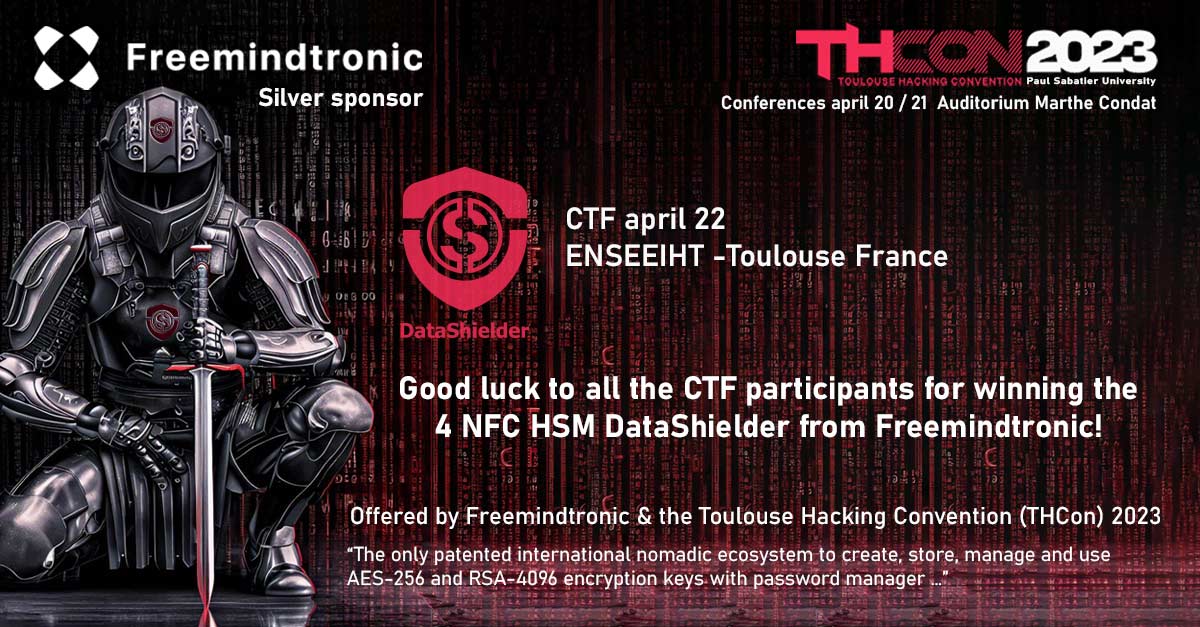
THCON 2023 DataShielder by Freemindtronic silver sponsor THCON CTF FCT ENSEEIHT Toulouse Hacking Convention

2024 Eurosatory Events Exhibitions Press release

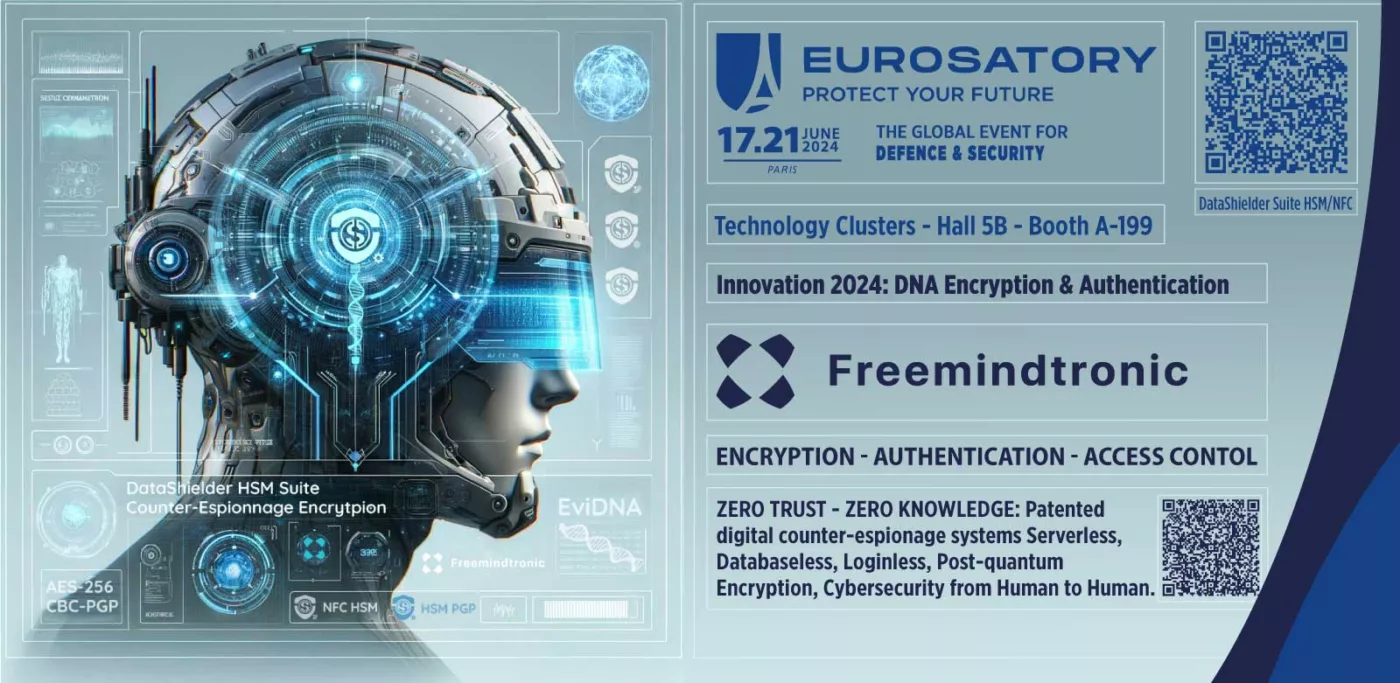
Eurosatory 2024 Technology Clusters: Innovation 2024 DataShielder Defence

2023 Events FIC 2023

Serverless Cryptography Solution – FIC 2023

2022 Confex Events

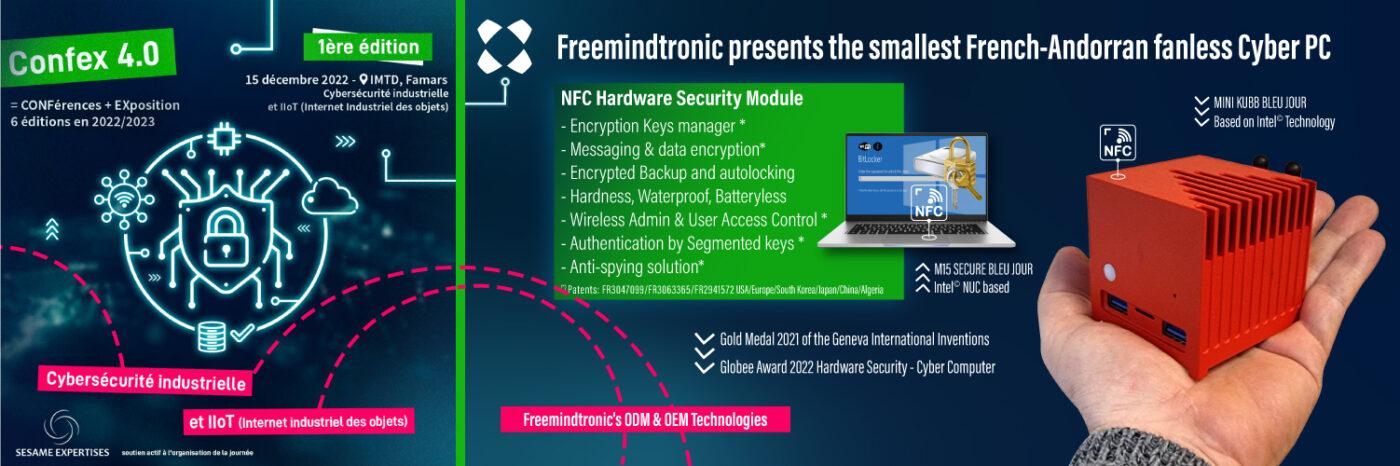
CONFEX 4.0 Cybersecurity Transalley

Eurosatory Events Exhibitions

Exhibitors list Eurosatory 2022 and Freemindtronic Story

2022 CyberStealth Eurosatory Press release

EviStealth Technology at Eurosatory 2022

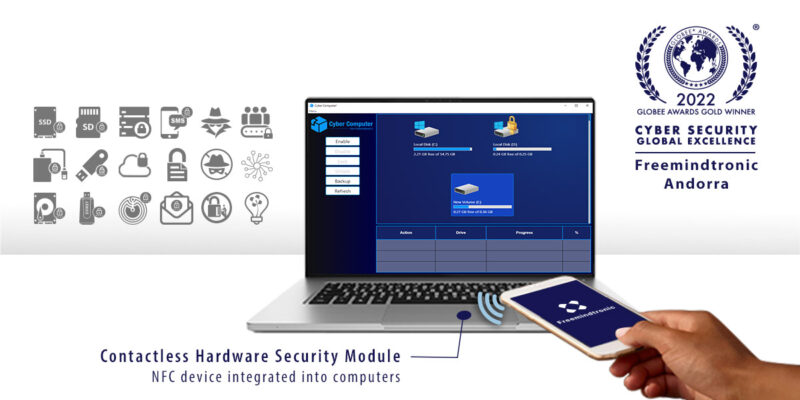
2022 Cyber Computer Eurosatory Press release

Cyber Computer at Eurosatory 2022

2022 Contactless Dual Strongbox Eurosatory Press release

The Contactless Dual Strongbox for sensitive data at Eurosatory 2022
Team THcon 2023 Freemindtronic Andorra Silver Sponsor
hardware CTF THcon 2023 Freemindtronic Andorra Silver Sponsor
Fortnite THcon 2023 Freemindtronic Andorra Silver Sponsor
Cryptax CTF THcon 2023 Freemindtronic Andorra Silver Sponsor
Team THcon 2023 Freemindtronic Andorra Silver Sponsor
THcon 2023: Highlights of the Cybersecurity Event

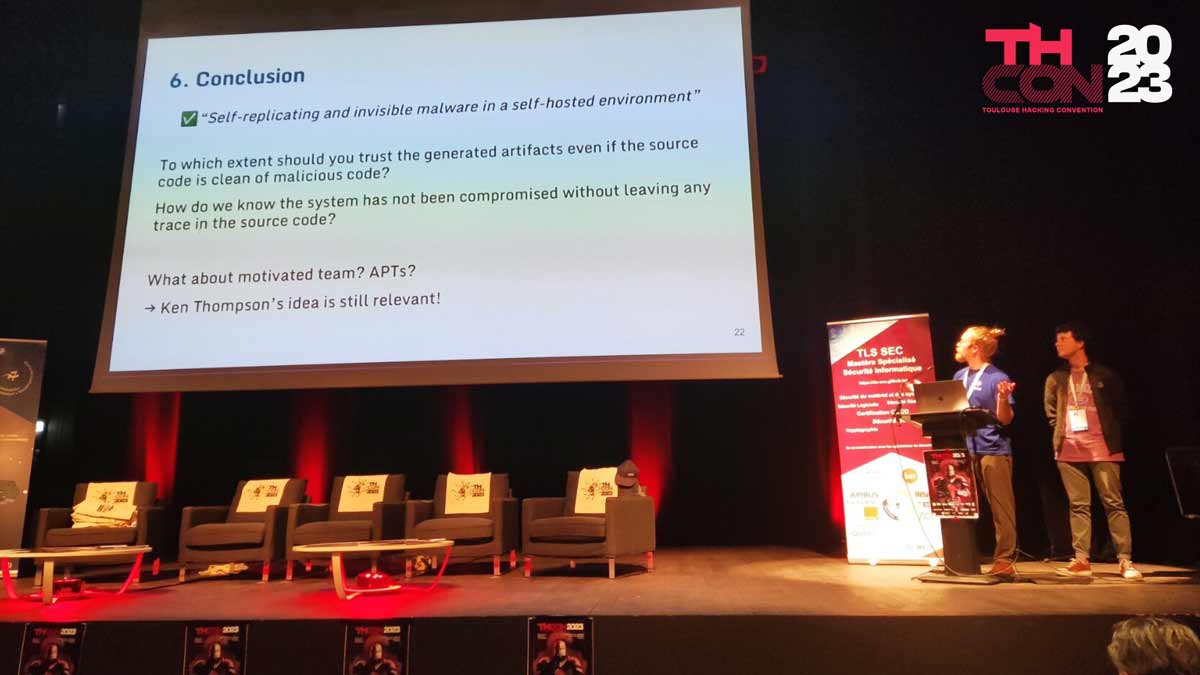
Do you want to know more about THcon 2023, a cybersecurity conference and CTF that took place in Toulouse, France? In this article, you will learn about the highlights of the event, the speakers, the partners and the prizes. You will also find out how to register for the next edition in 2024. Read on to discover why THcon is a must-attend event for cybersecurity enthusiasts!

Are you a cybersecurity enthusiast who missed THcon 2023 and its CTF? Or are you curious about what happened at this amazing event that took place in Toulouse, France from April 20 to 22, 2023? If so, you are in the right place. In this article, I will give you a recap of the highlights of THcon 2023 and its CTF. I will also show you why you should attend the next edition in 2024.

What is THcon and its CTF?

THcon is a cybersecurity event organized by the Toulouse Informatique Sécurité et Associatif (TISA) association. It aims to bring together hackers, researchers, students, professionals and enthusiasts from all over the world to share their passion and knowledge on cybersecurity.

The event features two days of talks, a social event and a CTF (Capture The Flag) in person. The talks cover various and current topics, such as hardware hacking, firmware analysis, secret extraction in CI/CD systems, attacks against online games, Android security model or the challenges of connected vehicle security. The speakers are recognized experts in their fields, such as Travis Goodspeed, Axelle Apvrille or Damien Cauquil.

The social event is an opportunity for the participants to network and have fun in a friendly and festive atmosphere. It is also the occasion to award the prizes for the challenge that takes place during the talks.

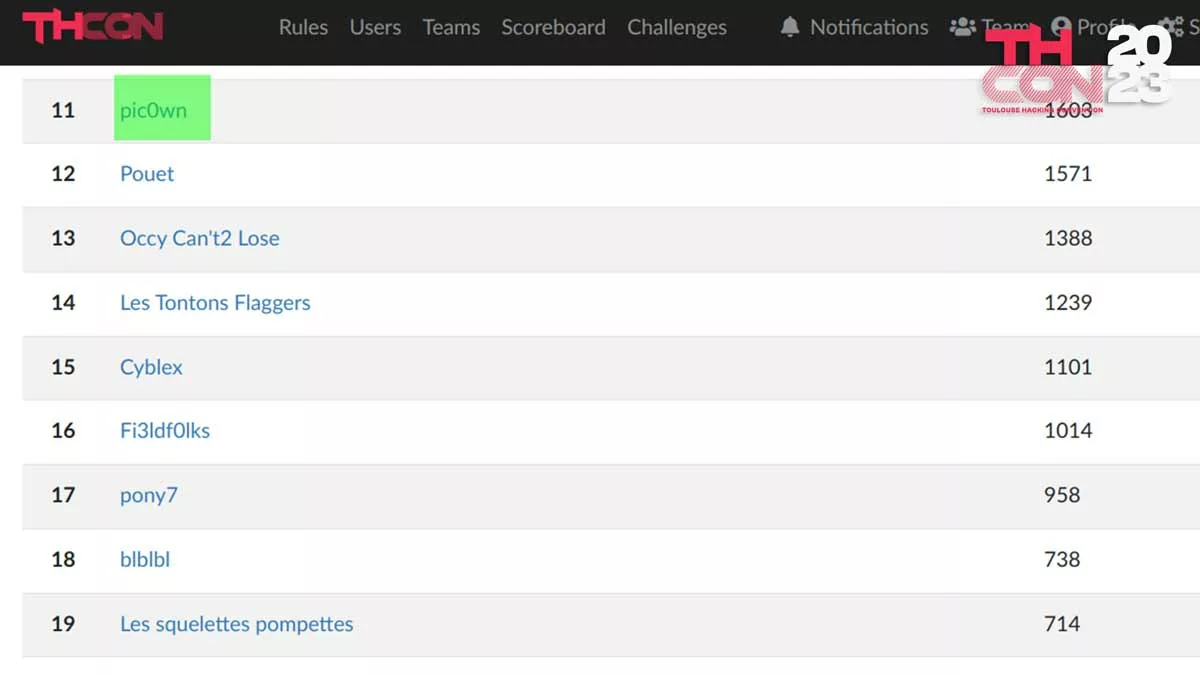
The CTF is a hacking competition that consists of solving cybersecurity challenges. For example, exploiting a vulnerability in an electronic device, extracting hidden data in a memory image, finding weaknesses in an encryption protocol and much more. The CTF takes place at ENSEEIHT on the third day of the event and is open to all levels. The winning teams win prizes such as hacking equipment, t-shirts and other surprises.

Highlights of THcon 2023 and its CTF THcon 2023 and its CTF were full of memorable moments that made this edition a success. Here are some of them:

  • The opening keynote by Travis Goodspeed. He shared his experience and insights on hacking hardware devices, such as radios, microcontrollers or smart cards.
  • The talk by Axelle Apvrille. She showed how to analyze firmware images using static and dynamic techniques. For instance, reverse engineering, emulation or fuzzing.
  • The talk by Damien Cauquil. He demonstrated how to attack online games using various tools and methods. For example, packet sniffing, proxying or cheating.
  • The social event on Thursday evening. Participants enjoyed music, drinks and food while chatting with each other and with the speakers.
  • The award ceremony for the challenge that took place during the talks. The challenge was to find hidden flags in different web pages related to THcon. The first three teams who found all the flags won prizes such as books or vouchers.
  • The CTF on Saturday at ENSEEIHT. More than 600 participants from 12 countries faced various and stimulating challenges in the field of cybersecurity.
  • Congratulation to the Synacktiv team, ENSEEIHT team and GCCENSIBS team for the podium and also to every team that participated ! 👏 You can learn more about GCC-ENSIBS on their LinkedIn page: https://www.linkedin.com/company/gcc-ensibs

Partners and sponsors of THcon 2023 THcon is supported by several partners and sponsors who contribute to make this event possible. Among them are:

  • Freemindtronic: an Andorran company specialized in cybersecurity and safety of computer systems. Freemindtronic actively participates in the hardware CTF of THcon. You can discover the backstage of the hardware CTF of THcon 2022 in this video made by Jacques Gascuel, the CEO of Freemindtronic: https://www.youtube.com/watch?v=P-Es2RJUQBo
  • Synacktiv: a French company that provides offensive security services and solutions. Synacktiv also organizes trainings on various topics related to cybersecurity.

ENSEEIHT: a French engineering school that offers courses on computer science, electronics, telecommunications and applied mathematics. ENSEEIHT hosts the CTF of THcon on its premises.

Among the prizes offered by Freemindtronic, silver sponsor of THcon since 2022, there are four NFC HSM DataShielder Lite collector devices, a unique version made for THcon CTF 2023. These devices are password and bank card managers that work without a battery and offer secure, decentralized and individualized management of sensitive data.

Why should you attend THcon 2024?

THcon is a must-attend event in Occitania for learning, having fun and meeting other cybersecurity enthusiasts. You can find all the information on the official website of the event: https://thcon.party/. You can also consult the list of challenges of the CTF on the site https://ctf.thcon.party/challenges.

If you want to experience this unique and enriching event, don’t hesitate to register for the next edition of THcon in 2024! You will find all the necessary information on the website https://thcon.party. Don’t miss this opportunity to discover the latest trends in cybersecurity, face exciting challenges and meet people who share your interests!

THCon Conference 2023

THURSDAY 20TH 2023

9h15 – 9h30 OPENING SPEECH
Mohamed Kâaniche (Director at LAAS-CNRS),
Marc Sztulman (Conseiller Régional d’Occitanie)

9h30 – 10h15 [K] MASK ROMS AND MASKS OF ABSTRACTION
Travis GoodSpeed
More info

10h15 – 10h55 [LP] AUTOMATING THE EXTRACTION OF SECRETS STORED INSIDE CI/CD SYSTEMS
Théo Louis-Tisserand and Hugo Vincent
Synacktiv (Toulouse & Paris, France)
More info

11h15 – 11h35 [SP] HASH CRACKING : AUTOMATION DRIVEN BY LAZINESS, 10 YEARS AFTER
David Soria
Astar (Toulouse, France)
More info

11h35 – 12h15 [LP] WEAPONIZING ESP32 RF STACKS
Romain Cayre and Damien Cauquil
Institut Eurecom (Sophia-Antipolis, France),
Quarkslab (Paris, France)
More info

14h00 – 14h45 [K] HAMMERSCOPE: OBSERVING DRAM POWER CONSUMPTION USING ROWHAMMER
Yaakov Cohen and Arie Haenel
Intel
More info

14h45 – 15h25 [LP] REFLECTIONS ON TRUSTING DOCKER: INVISIBLE MALWARE IN CONTINUOUS INTEGRATION SYSTEMS
Florent Moriconi, Axel Neergaard, Lucas Georget, Samuel Aubertin and Aurélien Francillon
Institut Eurecom (Sophia-Antipolis, France)
More info

15h25 – 15h45 [SP] DYNAMIC BINARY FIRMWARE ANALYSIS WITH AVATAR²
Paul Olivier
Institut Eurecom (Sophia-Antipolis, France) / LAAS-CNRS (Toulouse, France)
More info

FRIDAY 21TH 2023

9h30 – 10h15 [K] HACKING FOR IDEAS
Axelle Apvrille
Fortinet
More info

10h15 – 10h55 [LP] AN EXPLAINABLE-BY-DESIGN ENSEMBLE LEARNING SYSTEM TO DETECT UNKNOWN NETWORK ATTACKS
Céline Minh, Kevin Vermeulen, Cédric Lefebvre, Philippe Owezarski and William Ritchie
Custocy (Toulouse, France),
LAAS-CNRS, Universite de Toulouse, CNRS, INSA (Toulouse, France)
More info

10h55 – 11h15 [SP] AN EXPLORATION OF FUTURE CHALLENGES FOR CROWD SOURCED VULNERABILITY DETECTION
Olivier de Casanove and Florence Sèdes
IRIT, Universite Toulouse III – Paul Sabatier (Toulouse, France)
More info

11h35 – 12h15 [LP] THE ANDROID SECURITY MODEL
Jean-Baptiste Cayrou
Synacktiv (Toulouse, France)
More info

12h15 – 12h35 [SP] SOFTWARE DEFINED VEHICULE SECURITY – CHALLENGES, RISKS AND REWARDS
Redouane Soum
Renault
More info

14h00 – 14h40 [LP] A STUDY ON WINDOWS AUTHENTICATION & PROX-EZ
Geoffrey Bertoli and Pierre Milioni
Synacktiv (Paris, France)
More info

14h40 – 15h20 [LP] WHY THERE IS MORE TO TODAY’S ATTACKS AGAINST ONLINE GAMES THAN MEETS THE EYE
Ilies Benhabbour, Marc Dacier, David Bromberg, Sven Dietrich, Rodrigo Rodrigues and Paulo Estes-Verissimo
King Abdullah University of Science and Technology (KAUST), (Thuwal, Kingdom of Saudi Arabia),
Univ Rennes, CNRS, IRISA, INRIA Rennes (France),
City University of New York (New York, NY, USA),
Instituto Superior Tecnico and INESC-ID (Lisboa, Portugal)
More info

15h50 – 16h30 [LP] FIGHTING AGAINST DLL SEARCH ORDER HIJACKING, ONE SLAHP AT A TIME
Antonin Verdier, Romain Laborde and Abdelmalek Benzekri
IRIT, Universite Toulouse III – Paul Sabatier (Toulouse, France)
More info

16h30 – 16h50 CONCLUSION

Serverless Cryptography Solution – FIC 2023

datashielder serverless cryptography solution team Sesame Expertises Region Hauts de France FIC 2023 Freemindtronic Andorra

DataShielder: Freemindtronic’s innovation at FIC 2023


DataShielder is a serverless cryptography solution that Freemindtronic presented at the International Cybersecurity Forum (FIC) 2023, which took place in Lille Grand Palais from 5 to 7 April 2023. The FIC is the leading European event on issues of security and digital trust. It brings together all cybersecurity actors, whether public or private, national or international. FIC visitors were able to attend demonstrations to discover all the features and benefits offered by DataShielder. The demonstrations took place on the stand of the Hauts-de-France region with Sésame Expertises, official partner of Freemindtronic.

DataShielder electronic signature compatible with eIDAS, GDPR, ISO/IEC 27001
Contact for demos on Sesame Expertises booth C9-12

Upload PDF press release (en) click here

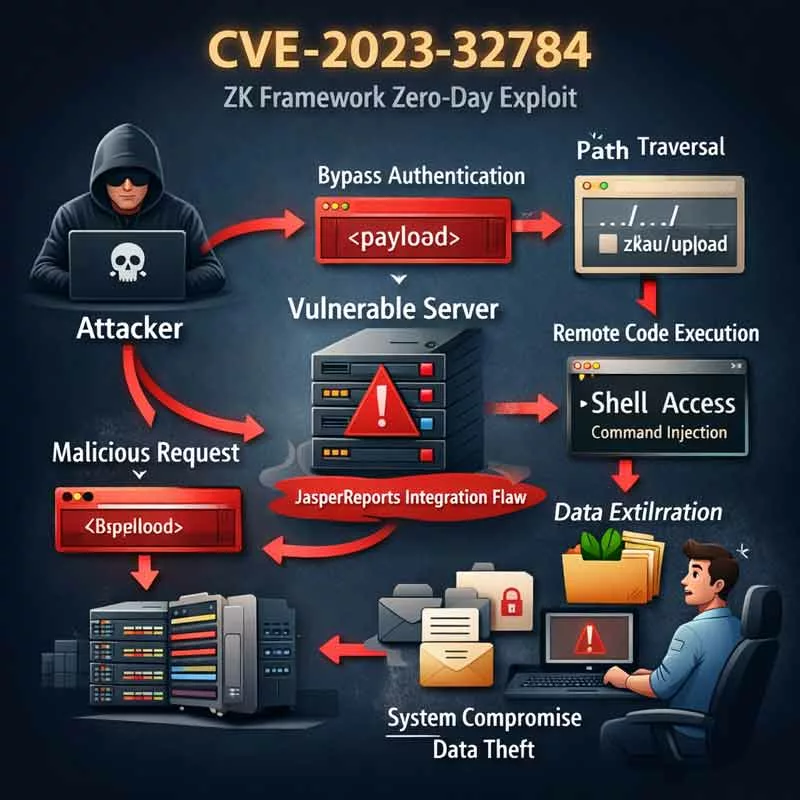
CVE-2023-32784 Protection with PassCypher NFC HSM

CVE-2023-32784 Protection with PassCypher NFC HSM and HSM PGP - Digital security solutions

CVE-2023-32784 Protection with PassCypher NFC HSM safeguards your digital secrets. It protects your secrets beyond the compromised operating system perimeter by using NFC/HSM PGP devices encrypted with AES-256 CBC. This ensures optimal protection against advanced attacks like CVE-2023-32784, where secrets stored in memory files like hiberfil.sys and pagefile.sys may be vulnerable to exfiltration. Learn how PassCypher can secure your data even in the event of a system compromise.

Executive Summary — Protect Your Digital Secrets Against CVE-2023-32784 with PassCypher

First, this executive summary (≈ 4 minutes) will provide an overview of the CVE-2023-32784 vulnerability and how PassCypher protects your secrets. Then, the advanced summary will delve into the mechanics of this vulnerability, the risks associated with hibernation and pagefile memory, and specific PassCypher solutions to counter these attacks.

⚡ Discovery and Security Mechanisms

The CVE-2023-32784 vulnerability was discovered in April 2023 and allows attackers to exfiltrate sensitive secrets stored in memory files such as hiberfil.sys and pagefile.sys. The patch to fix this vulnerability was released in May 2023 to secure these vulnerable access points and mitigate the risk of exfiltration. You can review the official patch link here: CVE Details – CVE-2023-32784.

PassCypher NFC HSM uses a Zero Trust architecture and advanced mechanisms such as segmented encryption and NFC contactless authentication to protect your secrets from these attacks. These technologies ensure that even if an attacker gains access to memory, the secrets remain protected.

Source: CVE Details – CVE-2023-32784

✦ Immediate Impacts

  • On the one hand, compromise becomes a persistent state of the terminal, not a one-time incident. Once memory artifacts are extracted, it is difficult to ensure that the system is no longer compromised.
  • On the other hand, security agents lose their ability to prove they are functioning correctly on a potentially compromised environment.
  • As a result, attribution and response become more uncertain, while the exposure window lengthens.

Source: NIST Cybersecurity Framework

⚠ Strategic Message

However, the key element is not just the vulnerability itself, but the trust logic: a compromised system, even without a known signature, can no longer guarantee reliable security. Trust in an environment where secrets are stored becomes fragile if these secrets are vulnerable to covert exfiltration through memory.

Source: NIST Special Publication 800-53: Security and Privacy Controls for Information Systems and Organizations

🛑 When Not to Act

  • First, do not reintroduce secrets (credentials, keys, sensitive data) on a terminal whose integrity has not been verified.
  • Next, do not stack layers of security software that may complicate auditing and increase the attack surface.
  • Finally, do not confuse service return with trust restoration: a quick recovery can mask persistent compromises.

✓ Sovereign Counter-Espionage Principle

Thus, reducing risk does not mean “cleaning” a compromised system but moving trust out of the compromised perimeter: off the OS, off memory, and if necessary off the network. This ensures that secrets remain protected even if the main system environment is compromised.

Reading Time Settings

Executive Summary Reading Time: ≈ 4 minutes
Advanced Summary Reading Time: ≈ 6 minutes
Full Chronicle Reading Time: ≈ 35–40 minutes
Publication Date: 2023-05-10
Last Updated: 2026-01-23
Complexity Level: Advanced — Cybersecurity & Digital Sovereignty
Technical Density: ≈ 65%
Primary Language: EN. FR.
Specificity: Strategic Chronicle — CVE-2023-32784 Vulnerability & Secrets Protection
Reading Order: Executive Summary → Advanced Summary → Zero-Day Exploits → PassCypher Solutions → Residual Risks

Editorial Note

This chronicle is part of the Digital Security section. It extends the analysis of zero-day vulnerabilities and the implications of losing secrets through memory, exploring how PassCypher positions itself as a robust solution against this type of compromise. It does not offer a miracle solution but an alternative security framework, based on sovereign points of failure. This chronicle follows the AI transparency statement of Freemindtronic Andorra — FM-AI-2025-11-SMD5.

Illustration showing the CVE-2023-32784 vulnerability and memory exfiltration risks, including hiberfil.sys, pagefile.sys, and RAM.

For Further Reading

Then, the Advanced Summary delves into the management of the CVE-2023-32784 vulnerability and the implications of advanced digital security.

Cyberattaque HubEE : Rupture silencieuse de la confiance numérique

Cyberattaque HubEE : rupture silencieuse de la confiance numérique. Cette attaque, qui a permis l’exfiltration [...]

Phishing Cyber victims caught between the hammer and the anvil

Phishing is a fraudulent technique that aims to deceive internet users and to steal their [...]

eSIM Sovereignty Failure: Certified Mobile Identity at Risk

  Runtime Threats in Certified eSIMs: Four Strategic Blind Spots While geopolitical campaigns exploit the [...]

Google Sheets Malware: The Voldemort Threat

Sheets Malware: A Growing Cybersecurity Concern Google Sheets, a widely used collaboration tool, has shockingly [...]

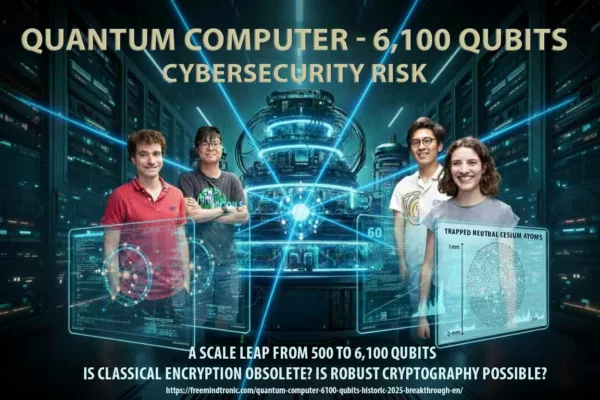
Quantum computer 6100 qubits ⮞ Historic 2025 breakthrough

A 6,100-qubit quantum computer marks a turning point in the history of computing, raising unprecedented [...]

1 Comment

BitLocker Security: Safeguarding Against Cyberattacks

Introduction to BitLocker Security If you use a Windows computer for data storage or processing, [...]

1 Comment

Ledger Security Breaches from 2017 to 2026: How to Protect Yourself from Hackers

Ledger Security Breaches have become a major indicator of vulnerabilities in the global crypto ecosystem. [...]

4 Comments

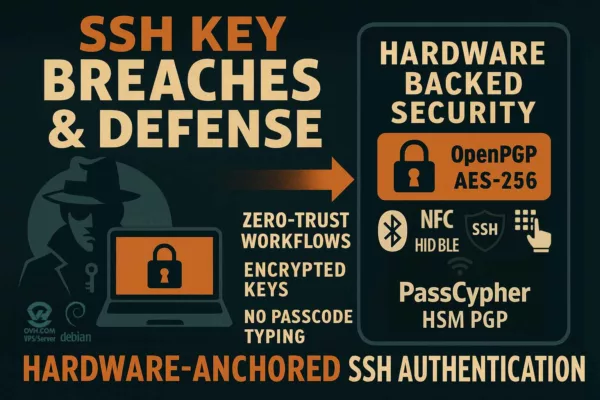
SSH Key PassCypher HSM PGP — Sécuriser l’accès multi-OS à un VPS

SSH Key PassCypher HSM PGP fournit une chaîne souveraine : génération locale de clés SSH [...]

1 Comment

EviCore NFC HSM Credit Cards Manager | Secure Your Standard and Contactless Credit Cards

EviCore NFC HSM Credit Cards Manager is a powerful solution designed to secure and manage [...]

Salt Typhoon & Flax Typhoon: Cyber Espionage Threats Targeting Government Agencies

Salt Typhoon – The Cyber Threat Targeting Government Agencies Salt Typhoon and Flax Typhoon represent [...]

2 Comments

Leidos Holdings Data Breach: A Significant Threat to National Security

A Major Intrusion Unveiled In July 2024, the Leidos Holdings data breach came to light, [...]

Side-Channel Attacks via HDMI and AI: An Emerging Threat

Understanding the Impact and Evolution of Side-Channel Attacks in Modern Cybersecurity Side-channel attacks, also known [...]

OpenAI Mixpanel Breach Metadata – phishing risks and sovereign security with PassCypher

AI Mixpanel breach metadata is a blunt reminder of a simple rule: the moment sensitive [...]

1 Comment

How the attack against Microsoft Exchange on December 13, 2023 exposed thousands of email accounts

How the attack against Microsoft Exchange on December 13, 2023 exposed thousands of email accounts [...]

1 Comment

Kismet iPhone: How to protect your device from the most sophisticated spying attack?

Kismet iPhone: How to protect your device from the most sophisticated spying attack using Pegasus [...]

BITB Attacks: How to Avoid Phishing by iFrame

BITB Attacks: How to Avoid Phishing by iFrame We have all seen phishing attacks aren’t [...]

ZenRAT: The malware that hides in Bitwarden and escapes antivirus software

How this malware hides in Bitwarden and escapes antivirus software to steal your information ZenRAT [...]

Google Workspace Vulnerability Exposes User Accounts to Hackers

How Hackers Exploited the Google Workspace Vulnerability Hackers found a way to bypass the email [...]

Clickjacking des extensions DOM : DEF CON 33 révèle 11 gestionnaires vulnérables

Clickjacking d’extensions DOM : DEF CON 33 révèle une faille critique et les contre-mesures Zero-DOM

14 Comments

Chrome V8 confusion RCE — Your browser was already spying
Chrome v8 confusion RCE: This edition addresses impacts and guidance relevant to major English-speaking markets [...]

2 Comments

Cybersecurity Breach at IMF: A Detailed Investigation

Cybersecurity Breach at IMF: A Detailed Investigation Cybersecurity breaches are a growing concern worldwide. The [...]

Reputation Cyberattacks in Hybrid Conflicts — Anatomy of an Invisible Cyberwar

Synchronized APT leaks erode trust in tech, alliances, and legitimacy through narrative attacks timed with [...]

Coinbase blockchain hack: How It Happened and How to Avoid It

How to Prevent Coinbase Blockchain Hack with EviVault NFC HSM Technology What happened to Coinbase [...]

How BIP39 helps you create and restore your Bitcoin wallets

How BIP39 helps you create and restore your Bitcoin wallets Do you struggle to manage [...]

Brute Force Attacks: What They Are and How to Protect Yourself

Brute-force Attacks: A Comprehensive Guide to Understand and Prevent Them Brute Force: danger and protection [...]

Fuite données ministère interieur : messageries compromises et ligne rouge souveraine

Fuite données ministère intérieur. L’information n’est pas arrivée par une fuite anonyme ni par un [...]

Snake Malware: The Russian Spy Tool

Snake: The Russian malware that steals sensitive information for 20 years Snake is a malware [...]

How to Recover and Protect Your SMS on Android

Recover and Protect Your SMS on Android: A Complete Guide First of all, SMS are [...]

FormBook Malware: How to Protect Your Gmail and Other Data

How to Protect Your Gmail Account from FormBook Malware Introduction Imagine that you receive an [...]

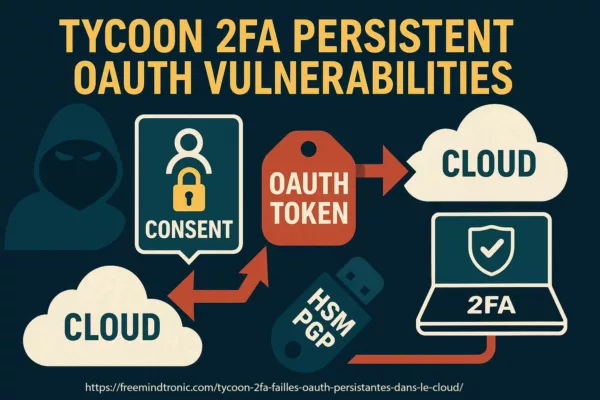
Tycoon 2FA failles OAuth persistantes dans le cloud | PassCypher HSM PGP

Faille OAuth persistante — Tycoon 2FA exploitée — Quand une simple autorisation devient un accès [...]

2 Comments

Bot Telegram Usersbox : l’illusion du contrôle russe

Le bot Telegram Usersbox n’était pas un simple outil d’OSINT « pratique » pour curieux [...]

Europol Data Breach: A Detailed Analysis

May 2024: Europol Security Breach Highlights Vulnerabilities In May 2024, Europol, the European law enforcement [...]

Browser Fingerprinting : le renseignement par métadonnées en 2026

Le browser fingerprinting constitue aujourd’hui l’un des instruments centraux du renseignement par métadonnées appliqué aux [...]

Darknet Credentials Breach 2025 – 16+ Billion Identities Stolen

Underground Market: The New Gold Rush for Stolen Identities The massive leak of over 16 [...]

Are fingerprint systems really secure? How to protect your data and identity against BrutePrint

Fingerprint Biometrics: An In-Depth Exploration of Security Mechanisms and Vulnerabilities It is a widely recognized [...]

Spyware ClayRat Android : faux WhatsApp espion mobile

Spyware ClayRat Android illustre la mutation du cyberespionnage : plus besoin de failles, il exploite [...]

2 Comments

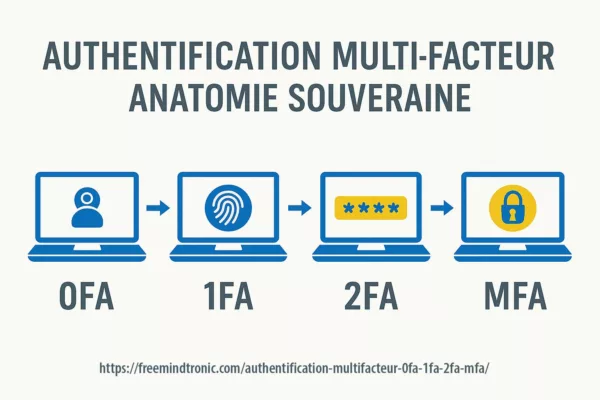
Authentification multifacteur : anatomie, OTP, risques

Authentification Multifacteur : Anatomie souveraine Explorez les fondements de l’authentification numérique à travers une typologie [...]

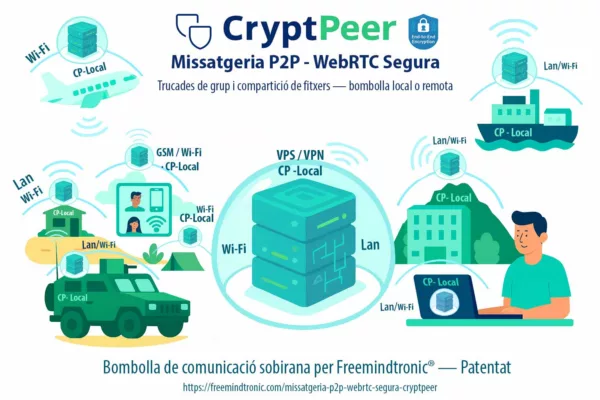
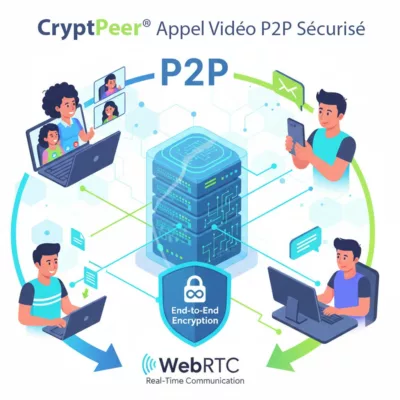
Missatgeria P2P WebRTC segura — comunicació directa amb CryptPeer

Missatgeria P2P WebRTC segura al navegador és l’esquelet tècnic i sobirà de la comunicació directa [...]

1 Comment

APT28 spear-phishing: Outlook backdoor NotDoor and evolving European cyber threats

Russian cyberattack on Microsoft by Midnight Blizzard (APT29) highlights the strategic risks to digital sovereignty. [...]

3 Comments

ViperSoftX How to avoid the malware that steals your passwords

ViperSoftX: The Malware that Steals Your Cryptocurrencies and Passwords ViperSoftX is a malware that steals [...]

1 Comment

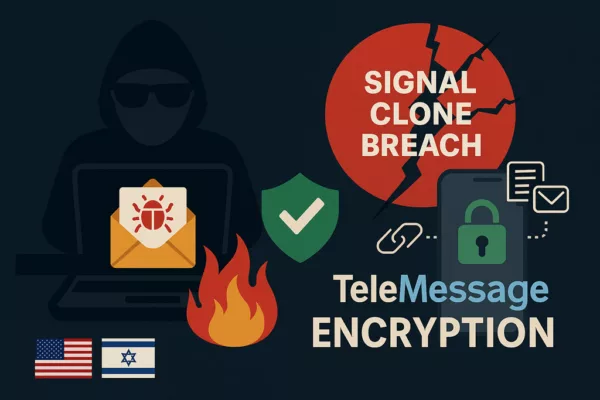
Signal Clone Breached: Critical Flaws in TeleMessage

TeleMessage: A Breach That Exposed Cloud Trust and National Security Risks TeleMessage, marketed as a [...]

1 Comment

APT29 Spear-Phishing Europe: Stealthy Russian Espionage

APT29 SpearPhishing Europe: A Stealthy LongTerm Threat APT29 spearphishing Europe campaigns highlight a persistent and [...]

3 Comments

Andorra National Cyberattack Simulation: A Global First in Cyber Defense

Andorra Cybersecurity Simulation: A Vanguard of Digital Defense Andorra-la-Vieille, April 15, 2024 – Andorra is [...]

Strong Passwords in the Quantum Computing Era

How to create strong passwords in the era of quantum computing? Quantum computing is a [...]

2 Comments

Microsoft Outlook Zero-Click Vulnerability: Secure Your Data Now

Microsoft Outlook Zero-Click Vulnerability: How to Protect Your Data Now A critical Zero-Click vulnerability (CVE-2025-21298) [...]

Midnight Blizzard Cyberattack Against Microsoft and HPE: What are the consequences?

Midnight Blizzard Cyberattack against Microsoft and HPE: A detailed analysis of the facts, the impacts [...]

2 Comments

Google OAuth2 security flaw: How to Protect Yourself from Hackers

Google OAuth2 security flaw: Strategies Against Persistent Cookie Threats in Online Services Google OAuth2 security [...]

Clickjacking extensions DOM: Vulnerabilitat crítica a DEF CON 33

DOM extension clickjacking — el clickjacking d’extensions basat en DOM, mitjançant iframes invisibles, manipulacions del [...]

4 Comments

Russian Espionage Hacking Tools Revealed

Russian Espionage Hacking Tools: Discovery and Initial Findings Russian espionage hacking tools were uncovered by [...]

CVE-2023-32784 : Pourquoi PassCypher protège vos secrets

PassCypher HSM protège les secrets numériques. Il protège vos secrets numériques hors du périmètre du [...]

1 Comment

Russia Blocks WhatsApp: Max and the Sovereign Internet

Step by step, Russia blocks WhatsApp and now openly threatens to “completely block” the messaging [...]

2 Comments

Browser Fingerprinting Tracking: Metadata Surveillance in 2026

Browser Fingerprinting Tracking today represents one of the true cores of metadata intelligence. Far beyond [...]

2 Comments

Predator Files: The Spyware Scandal That Shook the World

Predator Files: How a Spyware Consortium Targeted Civil Society, Politicians and Officials Cytrox: The maker [...]

APT29 Exploits App Passwords to Bypass 2FA

A silent cyberweapon undermining digital trust Two-factor authentication (2FA) was supposed to be the cybersecurity [...]

Ordinateur quantique 6100 qubits ⮞ La percée historique 2025

Ordinateur quantique 6100 qubits marque un tournant dans l’histoire de l’informatique, soulevant des défis sans [...]

OpenAI fuite Mixpanel : métadonnées exposées, phishing et sécurité souveraine

OpenAI fuite Mixpanel rappelle que même les géants de l’IA restent vulnérables dès qu’ils confient [...]

1 Comment

Dropbox Security Breach 2024: Phishing, Exploited Vulnerabilities

Phishing Tactics: The Bait and Switch in the Aftermath of the Dropbox Security Breach The [...]

How to protect yourself from stalkerware on any phone

What is Stalkerware and Why is it Dangerous? Stalkerware, including known programs like FlexiSpy, mSpy, [...]

Vulnérabilité WhatsApp Zero-Click — Actions & Contremesures

Vulnérabilité WhatsApp zero-click (CVE-2025-55177) chaînée avec Apple CVE-2025-43300 permet l’exécution de code à distance via [...]

1 Comment

Persistent OAuth Flaw: How Tycoon 2FA Hijacks Cloud Access

Persistent OAuth Flaw — Tycoon 2FA Exploited — When a single consent becomes unlimited cloud [...]

1 Comment

KingsPawn A Spyware Targeting Civil Society

  QuaDream: KingsPawn spyware vendor shutting down in may 2023 QuaDream was a company that [...]

Failles de sécurité Ledger : Analyse 2017-2026 & Protections

Les failles de sécurité Ledger sont au cœur des préoccupations des investisseurs depuis 2017. Cette [...]

1 Comment

EviVault NFC HSM vs Flipper Zero: The duel of an NFC HSM and a Pentester

EviVault NFC HSM vs Flipper Zero: The duel of an NFC HSM and a Pentester [...]

Cyberattack Exploits Backdoors: What You Need to Know

Cyberattack Exploits Backdoors: What You Need to Know In October 2024, a cyberattack exploited backdoors [...]

Confidentialité métadonnées e-mail — Risques, lois européennes et contre-mesures souveraines

La confidentialité des métadonnées e-mail est au cœur de la souveraineté numérique en Europe : [...]

1 Comment

Générateur de mots de passe souverain – PassCypher Secure Passgen WP

Générateur de mots de passe souverain PassCypher Secure Passgen WP pour WordPress — le premier [...]

Protect yourself from Pegasus spyware with EviCypher NFC HSM

How to protect yourself from Pegasus spyware with EviCypher NFC HSM Pegasus Spyware: what it [...]

APT44 QR Code Phishing: New Cyber Espionage Tactics

APT44 Sandworm: The Elite Russian Cyber Espionage Unit Unmasking Sandworm’s sophisticated cyber espionage strategies and [...]

1 Comment

Russian Cyberattack Microsoft: An Unprecedented Threat

Russian cyberattack on Microsoft by Midnight Blizzard (APT29) highlights the strategic risks to digital sovereignty. [...]

1 Comment

Chinese hackers Cisco routers: how to protect yourself?

How Chinese hackers infiltrate corporate networks via Cisco routers A Chinese-backed hacker group, known as [...]

Protect US emails from Chinese hackers with EviCypher NFC HSM?

How EviCypher NFC HSM technology can protect emails from Chinese hackers The Chinese hack on [...]

Android Spyware Threat Clayrat : 2025 Analysis and Exposure

Android Spyware Threat: ClayRat illustrates the new face of cyber-espionage — no exploits needed, just [...]

1 Comment

Quantum-Resistant Passwordless Manager — PassCypher finalist, Intersec Awards 2026 (FIDO-free, RAM-only)

Quantum-Resistant Passwordless Manager 2026 (QRPM) — Best Cybersecurity Solution Finalist by PassCypher sets a new [...]

4 Comments

PrintListener: How to Betray Fingerprints

PrintListener: How this Technology can Betray your Fingerprints and How to Protect yourself PrintListener revolutionizes [...]

Protect Meta Account Identity Theft with EviPass and EviOTP

Protecting Your Meta Account from Identity Theft Meta is a family of products that includes [...]

Kapeka Malware: Comprehensive Analysis of the Russian Cyber Espionage Tool

Kapeka Malware: The New Russian Intelligence Threat   In the complex world of cybersecurity, a [...]

DOM Extension Clickjacking — Risks, DEF CON 33 & Zero-DOM fixes

DOM extension clickjacking — a technical chronicle of DEF CON 33 demonstrations, their impact, and [...]

5 Comments

Sovereign SSH Authentication with PassCypher HSM PGP — Zero Key in Clear

SSH Key PassCypher HSM PGP establishes a sovereign SSH authentication chain for zero-trust infrastructures, where [...]

1 Comment

Pegasus: The cost of spying with one of the most powerful spyware in the world

Pegasus: The Cost of Spying with the Most Powerful Spyware in the World Pegasus is [...]

WhatsApp Hacking: Prevention and Solutions

WhatsApp hacking zero-click exploit (CVE-2025-55177) chained with Apple CVE-2025-43300 enables remote code execution via crafted [...]

6 Comments

OpenVPN Security Vulnerabilities Pose Global Security Risks

Critical OpenVPN Vulnerabilities Pose Global Security Risks OpenVPN security vulnerabilities have come to the forefront, [...]

Kevin Mitnick’s Password Hacking with Hashtopolis

Password hacking tool: how it works and how to protect yourself Password hacking is a [...]

Remote activation of phones by the police: an analysis of its technical, legal and social aspects

What is the new bill on justice and why is it raising concerns about privacy? [...]

Securing IEO STO ICO IDO and INO: The Challenges and Solutions

Securing IEO STO ICO IDO and INO: How to Protect Your Crypto Investments Cryptocurrencies are [...]

TETRA Security Vulnerabilities: How to Protect Critical Infrastructures

TETRA Security Vulnerabilities: How to Protect Critical Infrastructures from Cyberattacks TETRA (Terrestrial Trunked Radio) is [...]

Terrapin attack: How to Protect Yourself from this New Threat to SSH Security

Protect Yourself from the Terrapin Attack: Shield Your SSH Security with Proven Strategies SSH is [...]

Chrome V8 Zero-Day CVE-2025-10585 — Ton navigateur était déjà espionné ?

Chrome V8 zero-day CVE-2025-10585 — Votre navigateur n’était pas vulnérable. Vous étiez déjà espionné !

2 Comments

Chrome V8 confusió RCE — Actualitza i postura Zero-DOM

Chrome V8 confusió RCE: aquesta edició exposa l’impacte global i les mesures immediates per reduir [...]

Enhancing Crypto Wallet Security: How EviSeed and EviVault Could Have Prevented the $41M Crypto Heist

EviSeed and EviVault NFC HSM Technologies could have prevented the $41 million crypto theft by [...]

Apple M chip vulnerability: A Breach in Data Security

Apple M chip vulnerability: uncovering a breach in data security Researchers at the Massachusetts Institute [...]

RockYou2024: 10 Billion Reasons to Use Free PassCypher

RockYou2024: A Cybersecurity Earthquake The RockYou2024 data leak has shaken the very foundations of global [...]

The chronicles displayed above ↑ belong to the Digital Security section. They extend the analysis of zero-day vulnerabilities and systemic risks in cybersecurity. Therefore, they provide a strategic perspective on reducing risks regarding digital secrets and the importance of “sovereign points of failure.”

Advanced Summary — Understanding the CVE-2023-32784 Vulnerability

⮞ Reading Note

First, this advanced summary provides a detailed analysis of the CVE-2023-32784 vulnerability, its technical implications, and the risks of secret exfiltration through memory artifacts like hiberfil.sys and pagefile.sys. Then, the full chronicle will offer practical strategies to minimize the impact of this vulnerability, including robust security solutions like PassCypher.

Exploitation of CVE-2023-32784 — Zero-Day Attack on Digital Secrets

First, it is crucial to understand how the CVE-2023-32784 vulnerability can be exploited. This flaw allows an attacker to access digital secrets stored in sensitive memory files such as hiberfil.sys and pagefile.sys. These files may contain critical information such as passwords, encryption keys, and other user secrets. Indeed, attackers can use this vulnerability to exfiltrate data without leaving visible traces, making the attack difficult to detect until sensitive information has already been compromised.

Memory Dump and Pagefile Vulnerabilities

Hibernation and pagefile files are essential components for managing system resources in Windows environments. However, these files can become prime targets for attackers, as they contain portions of system memory, which may include unencrypted secrets. Indeed, when sensitive information is present in memory, it is often written to these files without any form of protection, making them vulnerable to unauthorized access. Once this vulnerability is exploited, an attacker can extract these secrets and use them for malicious purposes, such as credential theft or unauthorized access to secure systems.

Hiberfil and Sensitive Data Exfiltration

Another major attack vector is the exfiltration of secrets stored in the hiberfil.sys file. This file, used for managing hibernation states, contains a full copy of the RAM contents. As a result, if an attacker gains access to this file, they can easily extract sensitive data. However, using security solutions like PassCypher allows these sensitive memory files to be encrypted, preventing data exfiltration in case of a compromise.

Protect Your Secrets: PassCypher NFC HSM

PassCypher NFC HSM protects your digital secrets by storing them outside the compromised operating system, using segmented encryption and contactless NFC authentication. These mechanisms provide maximum protection against attacks like CVE-2023-32784, which exploit vulnerabilities in sensitive memory files like hiberfil.sys and pagefile.sys. Thanks to these technologies, even if the operating system is compromised, your secrets remain protected. Therefore, this solution offers an additional layer of protection, mitigating risks associated with zero-day attacks while enabling data security management at both the physical and network levels, outside the compromised OS perimeter.

Strategic Recommendations for Managing CVE-2023-32784

Businesses and users should implement multi-layered defense strategies to counter the risks associated with this vulnerability. Here are some strategic recommendations:

  • Encrypt hibernation and pagefile files: This prevents unauthorized access to sensitive information stored in system memory.
  • Use advanced protection solutions: Such as PassCypher, which protects your secrets even outside the operating system.
  • Monitor access to sensitive memory files: Implement continuous monitoring of hibernation and pagefile files to detect any unauthorized access attempts.
  • Review secure storage mechanisms: Use secure storage solutions outside the system perimeter for sensitive data, such as NFC physical keys or encrypted storage devices.

In summary, protecting sensitive secrets in a digital environment is becoming a priority as vulnerabilities like CVE-2023-32784 are discovered and exploited. PassCypher stands as an effective defense solution, but it is essential to maintain a proactive security approach by applying preventive measures and integrating robust tools into your system security architecture.

The full chronicle will detail the long-term implications of this vulnerability and how solutions like PassCypher help secure systems in an ever-evolving digital landscape.

Full Chronicle — Understanding and Countering CVE-2023-32784

First, this full chronicle explores in-depth the CVE-2023-32784 vulnerability and its impacts on digital security. Then, we will examine the mechanics of this flaw and best practices for preventing it. You will also discover how solutions like PassCypher can protect you.

Analysis of CVE-2023-32784: A Critical Flaw in Memory Management

The CVE-2023-32784 vulnerability is related to a flaw in the memory management of computer systems. Memory artifacts, such as hibernation files (hiberfil.sys) and pagefile files (pagefile.sys), can contain sensitive information. These files, used to improve system performance, become prime targets for attackers.

Indeed, these files can store secrets such as credentials, encryption keys, and other sensitive data. Once extracted, these data can be used for malicious attacks. This poses a major risk to business confidentiality.

Yes: Memory-Related Flaws Are Still a Concern

Vulnerabilities exposing digital secrets in memory — whether in:

  • the hibernation file (hiberfil.sys),
  • the pagefile (pagefile.sys),
  • or even active RAM memory

continue to be a real concern in 2025–2026.

This is due to the fundamental nature of computing: in order to run programs, sensitive data must sometimes temporarily reside in RAM, including keys, passwords, or authentication tokens. It’s an inherent risk, not a one-time unique vulnerability.

How These Types of Flaws Manifest Today

Memory Exfiltration

This is an attack type where an attacker accesses memory or system artifacts to extract secrets. This type of attack can occur via:

  • Memory dump (complete RAM extraction)
  • Access to swap/pagefile files
  • Accessible debugging
  • High-privilege malware
  • Zero-day exploits in the OS or drivers

Even if a patch fixes a specific vulnerability, another memory vector could be exploited as long as sensitive data is passing through memory unencrypted.

Wider Zero-Day Flaws

Every year, new zero-day vulnerabilities are discovered. Some allow an attacker to read memory or intercept unencrypted secrets — independent of hibernation/pagefile files. For example:

  • Flaws in the OS kernel
  • Flaws in system drivers
  • Flaws in virtualization tools
  • Flaws in memory managers

The ease of execution varies, but the potential impact remains: exfiltration of sensitive memory data.

Memory Leaks in Applications

Many applications, especially those handling secrets and keys, still have:

  • un cleaned buffers
  • uncleared memory allocations
  • clear-text sensitive strings left in RAM

Even modern products can present this type of risk if memory access is not strictly managed.

Evolution of Mitigation Measures in 2025–2026

Vendors have continued to improve protections:

  • Enhanced memory encryption
  • Windows uses Virtual Secure Mode,
  • Linux integrates distributions with strengthened protections (SELinux, AppArmor),
  • and macOS has memory write protections (AMFI).

However, no measure fully eliminates unencrypted memory as long as secrets are passing through it unencrypted.

Modern Mitigation Features

Mitigation Purpose
Memory encryption (TPM/SEV/SME) Hardware memory encryption
ASLR / CFG / DEP Application exploitation mitigation
Credential Guard (Windows) Isolation of secrets in a protected container
Kernel hardening Reducing exploitation vectors

These technologies reduce risks but do not eliminate them completely.

Recent Examples (2024–2026)

Although no flaw is exactly like CVE-2023-32784, several recent vulnerabilities have shown that:

  • secrets could be extracted through memory attacks
  • sensitive keys could be retrieved if they were stored unprotected in RAM.

For example, in the 2024–2025 years, there were:

  • Vulnerabilities in hypervisors allowing access to VM memory
  • Exploits in container tools leaving secrets in memory
  • Security failures in some antivirus or diagnostic tools exposing memory

These vulnerabilities are often classified as CVE with varying severity but a similar consequence: sensitive data in memory exposed.

Lessons and Sustainable Best Practices

What still causes risks today:

  • Programs storing secrets in clear text
  • Accessible memory dumps to attackers
  • Improperly isolated processes
  • Inadequate privileges

Source for Evolution of Memory Flaws:

PassCypher: A Solution to Protect Your Digital Secrets

To counter this vulnerability, PassCypher provides high-quality protection. PassCypher uses segmented encryption and segmented key authentication to secure your digital secrets. This ensures that, even if an attacker accesses memory, the data remains protected.

Furthermore, PassCypher allows you to store your keys and secrets outside the compromised operating system. This added security limits the impact of a compromise. As a result, you can keep your sensitive information secure against zero-day attacks.

Risks of System Memory Compromise with CVE-2023-32784

Exploiting CVE-2023-32784 has significant consequences. The main impact lies in the compromise of software trust. Once an attacker gains access to memory artifacts, they can modify or exfiltrate sensitive data without leaving traces.

Therefore, compromise becomes a persistent state. The integrity of the system is then questioned, making detection and repair tasks more difficult. Traditional security mechanisms are no longer sufficient against such threats.

Sovereign Counter-Espionage Strategy: Trust Beyond the OS

The effective solution to these threats relies on the principle of “sovereign counter-espionage.” This principle involves moving trust outside the compromised perimeter: off the OS, off memory, and even off the network. Thus, even in the event of terminal compromise, your secrets remain protected.

Therefore, PassCypher plays a crucial role in ensuring the security of your sensitive data. It protects your critical information even when the OS is compromised. This minimizes the risk of exfiltration and ensures the digital sovereignty of your systems.

Strategic Recommendations for Businesses

Here are some practical recommendations for businesses and users to protect against CVE-2023-32784:

  • Encrypt all sensitive information: Use robust solutions to protect secrets in memory and system files.
  • Apply multi-layered security: Combine physical and logical strategies to strengthen the protection of digital secrets.
  • Opt for secure storage: Protect your secrets with devices like PassCypher NFC, stored outside the compromised system.
  • Monitor sensitive files: Implement continuous monitoring of files like hiberfil.sys and pagefile.sys to detect unauthorized access attempts.
  • Train your teams: Educate your teams on secrets security and proactive management of zero-day attacks.

Resilience and Defense Against Zero-Day Attacks

In the face of zero-day attacks, it is essential to strengthen system resilience. Protection is not limited to known flaws but also includes preparation for unknown threats. A proactive security approach is critical, integrating advanced tools like encryption and secret management outside the OS perimeter.

In summary, a multi-layered and proactive defense is paramount to defend against complex and persistent attacks.

Now, explore the next section on CVE Detection Solutions, where we will detail advanced strategies for detecting vulnerabilities and zero-day attacks to strengthen the resilience of your systems.

Digital Sovereignty in the Face of Zero-Day Attacks

Digital sovereignty is a key issue in managing the risks associated with zero-day attacks. Businesses and governments must be capable of protecting their critical infrastructures from invisible intrusions. Implementing solutions like PassCypher, which provides protection beyond the operating system perimeter, ensures the confidentiality and security of sensitive data, even against vulnerabilities yet to be discovered.

The adoption of technologies that guarantee digital sovereignty is essential to limit exposure to international cyber threats. Source: The Role of Digital Sovereignty in Cybersecurity

Reducing Risks: Securing Digital Secrets

Facing vulnerabilities like “memory exfiltration,” it is crucial to protect digital secrets through advanced security solutions. PassCypher NFC HSM offers a robust solution for secure storage of sensitive data outside the operating system perimeter, ensuring that even in the event of system compromise, secrets remain protected using enhanced security mechanisms like AES-256 CBC encryption and key segmentation.


CVE Vulnerability Detection Solutions

Detecting CVE flaws like CVE-2023-32784 requires the use of advanced solutions to spot exploitation attempts before they lead to a compromise. Real-time detection solutions should be integrated to monitor the integrity of sensitive memory files and quickly identify unauthorized access attempts.

Additionally, behavior analysis tools can be used to detect suspicious activities on system files, such as hiberfil.sys and pagefile.sys, to interrupt attacks before they cause damage.

Advanced Threat Analysis: CVE and Zero-Day Attacks

Zero-day attacks, such as those exploiting CVE-2023-32784, are particularly difficult to detect as they use vulnerabilities that are unknown to software vendors. These attacks often target flaws in critical system components, such as memory management, to steal sensitive information without triggering alerts.

Therefore, advanced threat analysis is crucial to strengthen systems’ resilience against these attacks. Using behavior detection and threat analysis tools helps identify indicators of compromise before an attack can successfully exfiltrate sensitive data.

The Zero Trust Approach and Secret Protection

The Zero Trust model is based on the fundamental principle that no user or device, internal or external, should be implicitly trusted. Every access attempt, whether from an internal user or an external system, must be verified. By applying this model, companies can limit access to digital secrets, ensuring that no sensitive data is accessible by compromised systems.

Strategic Security Recommendations

In the face of CVE-2023-32784 vulnerability, it is essential to implement robust security measures and adopt a multi-layered defense strategy. Here are some practical recommendations:

  • Encrypt hibernation and pagefile files: This prevents unauthorized access to sensitive information stored in system memory.
  • Use advanced protection solutions: Such as PassCypher, which protects your secrets even outside the operating system.
  • Monitor access to sensitive memory files: Implement continuous monitoring of hibernation and pagefile files to detect any unauthorized access attempts.
  • Review secure storage mechanisms: Use secure storage solutions outside the system perimeter for sensitive data, such as NFC physical keys or encrypted storage devices.

Multi-Layer Defense: Understanding Resilience with PassCypher NFC HSM

To strengthen system resilience against zero-day vulnerabilities, a multi-layered approach is essential. PassCypher NFC HSM offers robust protection with encryption of sensitive memory files, off-OS storage, and proactive monitoring of sensitive system files like hiberfil.sys and pagefile.sys.

PassCypher HSM PGP: Advanced Protection Against Secrets Exfiltration (CVE-2023-32784)

PassCypher HSM PGP is an advanced, fully automated password management solution designed to protect your digital secrets even in the event of system compromise. Using AES-256 CBC PGP encryption, PassCypher HSM PGP ensures the security of information, particularly against vulnerabilities such as CVE-2023-32784, where secrets stored in memory files like hiberfil.sys and pagefile.sys may be compromised. The Zero Trust and Zero Knowledge architecture ensures that secrets remain private and secure, without leaving unauthorized access to your information.

The system encrypts your login credentials using AES-256 CBC PGP, stores them in secure containers, and decrypts them instantly in volatile memory. This approach ensures that no sensitive information is exposed in clear text, even in the event of an attack exploiting vulnerabilities like CVE-2023-32784. Data is immediately erased from memory once used, thus minimizing the risk of exfiltration through compromised memory artifacts.
This guarantees maximum security while ensuring immediate and uncompromised access to your credentials.

With PassCypher HSM PGP, even if an attacker exploits a vulnerability like CVE-2023-32784, your secrets are protected by cutting-edge encryption technologies, and they are wiped from memory immediately after use, significantly reducing the risk of data exfiltration.

For more details on how it works, check the official PassCypher HSM PGP Documentation.

Automated Protection and Secure Storage of Secrets

PassCypher HSM PGP offers a secure container system that automatically encrypts your sensitive information, such as passwords and credentials, using AES-256 CBC PGP encryption. This information is stored on secure physical media (USB, SSD, NAS, etc.), and is instantly decrypted in volatile memory only when used. Even if an attacker gains access to system memory via vulnerabilities like CVE-2023-32784, the data remains protected thanks to secure storage and immediate erasure after use.

Once your credentials are injected into the login fields, the decrypted data is immediately erased from memory, ensuring that no trace of your information remains after use. This approach guarantees the security of your data even if a system is compromised.

Zero Trust and Zero Knowledge: Strengthened Security Architectures

The Zero Trust architecture of PassCypher HSM PGP is based on the fundamental idea that nothing and no one can be implicitly trusted. This means that each access attempt, whether from an internal user or an external system, must be validated.

By combining this architecture with Zero Knowledge, PassCypher HSM PGP ensures that no sensitive data is stored on external servers and that no user identification or account creation is necessary. Everything is processed locally on the device, greatly reducing risks related to data exfiltration.

This allows PassCypher HSM PGP to protect against attacks like CVE-2023-32784, ensuring that data is never exposed in clear text or stored on a server, making it extremely difficult for attackers to access your information.

Segmented Key Management: Maximizing Information Security

PassCypher HSM PGP uses an innovative segmented key management approach, where each encryption key is divided into multiple segments stored on separate physical devices (such as USB keys, external SSDs, etc.). Even if one segment of the key is compromised, the other segments remain protected, ensuring that the information cannot be decrypted without full access to the various key segments.

This model adds an extra layer of security and prevents unauthorized data extraction. If an attacker gains access to part of your system, they will not be able to decrypt your credentials without access to the other physical segments of the key.

Anti-Phishing Protection and Advanced Threat Detection

PassCypher HSM PGP incorporates advanced protection mechanisms against phishing and other malicious attacks, such as redirects to malicious sites (typosquatting). The URL Sandbox technology encapsulates and encrypts the login site URL, preventing any manipulation or redirection to a malicious site. This protection is strengthened against attacks exploiting vulnerabilities like CVE-2023-32784, blocking attempts before they succeed.

Additionally, PassCypher HSM PGP detects and automatically neutralizes Browser-in-the-Browser (BITB) attacks and malicious redirects. These protections enhance user security, ensuring that they always connect to legitimate sites, even if the attacker tries to mislead them.

CVE Detection Solutions

Detecting CVE flaws like CVE-2023-32784 requires the use of advanced solutions to detect exploitation attempts before they cause a compromise. Integrating real-time detection solutions allows monitoring of the integrity of sensitive memory files and quickly identifying unauthorized access attempts.

Additionally, behavior analysis tools can be used to detect suspicious activities on system files, including hiberfil.sys and pagefile.sys, to stop attacks before they cause damage.

Advanced Threat Analysis: CVE and Zero-Day Attacks

Zero-day attacks, such as those exploiting CVE-2023-32784, are particularly difficult to detect because they target vulnerabilities unknown to software vendors. These attacks often exploit flaws in critical system components, such as memory management, to steal sensitive information without triggering alerts.

Therefore, advanced threat analysis is essential for reinforcing system resilience against these attacks. Using behavioral detection and threat analysis tools helps identify indicators of compromise before an attack can successfully exfiltrate sensitive data.

Digital Sovereignty in the Face of Zero-Day Attacks

Digital sovereignty is a key issue in managing the risks associated with zero-day attacks. Companies and governments must be able to protect their critical infrastructures against invisible intrusions. The implementation of solutions like PassCypher, which offers protection beyond the operating system, ensures the confidentiality and security of sensitive data, even when facing vulnerabilities that have not yet been discovered.

Adopting technologies that ensure digital sovereignty is essential to limit exposure to international cyber threats. Source: The Role of Digital Sovereignty in Cybersecurity

Reducing Risks: Securing Digital Secrets

In the face of “memory exfiltration” vulnerabilities, it is crucial to protect digital secrets through advanced security solutions. PassCypher NFC HSM offers a robust solution for securely storing sensitive data outside the operating system perimeter, ensuring that even in the case of a system compromise, secrets remain protected through enhanced security mechanisms such as AES-256 CBC encryption and key segmentation.

PassCypher HSM: A Trusted Solution

In an increasingly complex and vulnerable digital environment, attacks such as CVE-2023-32784 make it essential to have robust security solutions. PassCypher HSM provides advanced protection by storing data outside the compromised operating system and using mechanisms like segmented encryption and NFC contactless authentication.

Awarded as One of the Best Cybersecurity Solutions of 2026

PassCypher HSM was recently recognized as one of the top 5 cybersecurity solutions in 2026 at the InterSec Awards, a distinction that highlights its effectiveness and reliability in tackling advanced threats like those posed by CVE-2023-32784. This recognition further emphasizes PassCypher’s commitment to providing cutting-edge protection for sensitive data, even when the operating system is compromised.

To learn more about this recognition and how PassCypher continues to innovate in cybersecurity, visit PassCypher: Finalist at the InterSec Awards 2026.

Detection Solutions for CVE Vulnerabilities

Detecting CVE vulnerabilities like CVE-2023-32784 requires the use of advanced solutions to spot exploitation attempts before they lead to a breach. Real-time detection solutions can monitor the integrity of sensitive memory files and quickly identify unauthorized access attempts.

Additionally, behavioral analysis tools can be used to detect suspicious activities on system files, particularly hiberfil.sys and pagefile.sys, interrupting attacks before they cause harm.

Advanced Threat Analysis: CVE and Zero-Day Attacks

Zero-day attacks, such as those exploiting CVE-2023-32784, are particularly difficult to detect because they use vulnerabilities unknown to software vendors. These attacks often target critical system components, such as memory management, to steal sensitive information without triggering alerts.

Therefore, advanced threat analysis is essential for strengthening system resilience against such attacks. The use of behavioral detection tools and threat analysis allows for the identification of compromise indicators before an attack successfully exfiltrates sensitive data.

The Zero Trust Approach and Secret Protection

The Zero Trust model is based on the fundamental principle that no user or device, whether internal or external, should be implicitly trusted. Every access attempt, whether from an internal user or an external system, must be verified. By applying this model, businesses can limit access to digital secrets, ensuring that no sensitive data is accessible by compromised systems.

Strategic Security Recommendations

In the face of the CVE-2023-32784 vulnerability, it is imperative to implement robust security measures and adopt a multi-layer defense strategy. Here are some practical recommendations:

  • Encrypt hibernation and paging files: This prevents unauthorized access to sensitive data stored in system memory.
  • Use advanced protection solutions: Like PassCypher, which protects your secrets even outside the operating system.
  • Monitor access to sensitive memory files: Implement continuous monitoring of hibernation and paging files to detect any unauthorized access attempts.
  • Review secure storage mechanisms: Use secure storage solutions outside the system perimeter for sensitive data, such as NFC physical keys or encrypted storage devices.

Multi-Layer Defense: Understanding Resilience with PassCypher NFC HSM

To strengthen system resilience against Zero-Day vulnerabilities, a multi-layer defense approach is crucial. PassCypher NFC HSM offers robust protection with encryption of sensitive memory files, secure off-OS storage, and proactive monitoring of sensitive system files like hiberfil.sys and pagefile.sys.

Managing Digital Sovereignty in the Face of Zero-Day Attacks

Digital sovereignty is an essential concept when managing the risks associated with zero-day attacks. Governments and businesses need to ensure their critical infrastructures are protected from invisible intrusions. By implementing solutions like PassCypher, which offers protection beyond the compromised operating system, the confidentiality and security of sensitive data can be assured, even when vulnerabilities have not yet been discovered.

Adopting technologies that ensure digital sovereignty is key to reducing exposure to international cyber threats. Source: The Role of Digital Sovereignty in Cybersecurity

Reducing Risks: Securing Digital Secrets

With “memory exfiltration” vulnerabilities, it’s critical to protect digital secrets through advanced security solutions. PassCypher NFC HSM offers a robust solution for securely storing sensitive data outside of the operating system perimeter, ensuring that even if the system is compromised, your secrets remain protected through enhanced security mechanisms such as AES-256 CBC encryption and key segmentation.

FAQ – CVE-2023-32784 and Mitigation Measures

Q: What is CVE-2023-32784 and how does it work?

Definition of CVE-2023-32784

A: CVE-2023-32784 is a vulnerability that affects Windows operating systems. It allows attackers to exfiltrate sensitive data from memory files such as hiberfil.sys and pagefile.sys. These files, used for hibernation and virtual memory, may contain unencrypted data like passwords and encryption keys, making them susceptible to unauthorized access if exploited.

Q: How can I mitigate CVE-2023-32784 vulnerabilities?

Mitigation Measures

A: To mitigate CVE-2023-32784, it’s essential to implement encryption on sensitive memory files (like hiberfil.sys and pagefile.sys). Solutions such as PassCypher, which store secrets outside the compromised operating system perimeter and utilize AES-256 CBC encryption, provide an additional layer of protection even if the OS is compromised.

Q: What is the significance of the hiberfil.sys and pagefile.sys files?

Importance of Memory Files

A: These files store system memory contents when the computer is hibernating or when virtual memory is used. hiberfil.sys contains a snapshot of the system’s memory during hibernation, and pagefile.sys stores data from the system’s RAM to disk. Both can be vulnerable if they contain unencrypted sensitive information, making them attractive targets for attackers exploiting CVE-2023-32784.

Q: How does PassCypher protect against this vulnerability?

PassCypher Protection

A: PassCypher protects secrets by storing them outside the operating system and encrypting them with AES-256 CBC. It uses NFC/HSM devices for secure authentication and ensures that sensitive data, including encryption keys and passwords, remains protected even if the system memory is compromised. This reduces the risk of exfiltration through vulnerabilities like CVE-2023-32784.

Q: What are zero-day attacks and how are they related to CVE-2023-32784?

Zero-Day Attacks Explained

A: Zero-day attacks exploit vulnerabilities that are unknown to the software vendor and have not yet been patched. CVE-2023-32784 is a type of zero-day vulnerability that allows attackers to gain unauthorized access to sensitive data in memory files. Since this vulnerability was discovered after it had been exploited, it is classified as a zero-day attack.

Glossary: CVE and Security Terminology

CVE

What is CVE?

Common Vulnerabilities and Exposures. A publicly accessible database that catalogues and references security vulnerabilities discovered in software. CVEs are given unique identifiers to track and provide details about security weaknesses that may impact organizations and users.

Zero-Day

Understanding Zero-Day

An attack that exploits a previously unknown vulnerability in a software application or system, typically before the developer has had a chance to patch it. Zero-day vulnerabilities are dangerous because there are no available defenses against them at the time they are discovered.

Hiberfil.sys

The Role of Hiberfil.sys

A system file used by Windows to store the system’s state during hibernation. When the system enters hibernation, the contents of the RAM are saved to this file, allowing the system to resume where it left off upon rebooting. It may contain sensitive data, which can be targeted by attackers if not encrypted.

Pagefile.sys

About Pagefile.sys

A system file used by Windows to manage virtual memory. When the physical RAM is full, the system writes data to pagefile.sys to free up space. Like hiberfil.sys, pagefile.sys may contain sensitive data and is a potential target for attackers looking to exfiltrate information.

AES-256 CBC

What is AES-256 CBC?

Advanced Encryption Standard (AES) is a symmetric encryption algorithm widely used for securing data. AES-256 CBC (Cipher Block Chaining) is a specific mode of AES encryption that uses a 256-bit key and a chaining mechanism to ensure each block of data is encrypted with the previous one, enhancing security.

NFC/HSM

What is NFC/HSM?

NFC (Near Field Communication) is a short-range wireless technology used for secure data transfer. HSM (Hardware Security Module) is a physical device used to manage and safeguard digital keys. PassCypher uses NFC/HSM for secure authentication and encryption of sensitive data, even in the event of a system compromise.

Additional Resources

For more information on CVE vulnerabilities, digital security, and zero-day attacks, refer to the following resources: