Category Archives: Digital Security

Digital security is the process of protecting your online identity, data, and other assets from intruders, such as hackers, scammers, and fraudsters. It is essential for trust in the digital age, as well as for innovation, competitiveness, and growth. This field covers the economic and social aspects of cybersecurity, as opposed to purely technical aspects and those related to criminal law enforcement or national and international security.

In this category, you will find articles related to digital security that have a direct or indirect connection with the activities of Freemindtronic Andorra or that may interest the readers of the article published in this category. You will learn about the latest trends, challenges, and solutions in this field, as well as the best practices and recommendations from experts and organizations such as the OECD. You will also discover how to protect your personal data from being used and sold by companies without your consent.

Whether you are an individual, a business owner, or a policy maker, you will benefit from reading these articles and gaining more knowledge and awareness about this topic and its importance for your online safety and prosperity. Some of the topics that you will find in this category are:

  • How to prevent and respond to cyberattacks
  • How to use encryption and cryptography to secure your data
  • How to manage risks and vulnerabilities
  • How to comply with laws and regulations
  • How to foster a culture of security in your organization
  • How to educate yourself and others about this topic

We hope that you will enjoy reading these articles and that they will inspire you to take action to improve your security. If you have any questions or feedback, please feel free to contact us.

Kevin Mitnick’s Password Hacking with Hashtopolis

Kevin Mitnick and his Hashtopolis: The Ultimate Password Cracking Tool


password hacking with Hashtopolis by Jacques gascuel
This article will be updated with any new information on the topic, and readers are encouraged to leave comments or contact the author with any suggestions or additions.
Related topic : ******

How Kevin Mitnick hacked passwords with Hashtopolis

Learn about password hacking using Hashtopolis, a powerful tool that can crack any hash in minutes using multiple machines equipped with GPUs. Famous hacker Kevin Mitnick used it to demonstrate the tool’s capabilities. Discover the advantages and disadvantages of using such a tool, as well as ethical and legal implications of password hacking. Get tips on how to protect your online accounts with strong passwords. Keep reading to find out more!

2026 Awards Cyberculture Digital Security Distinction Excellence EviOTP NFC HSM Technology EviPass EviPass NFC HSM technology EviPass Technology finalists PassCypher PassCypher

Quantum-Resistant Passwordless Manager — PassCypher finalist, Intersec Awards 2026 (FIDO-free, RAM-only)

2025 Cyberculture Legal information

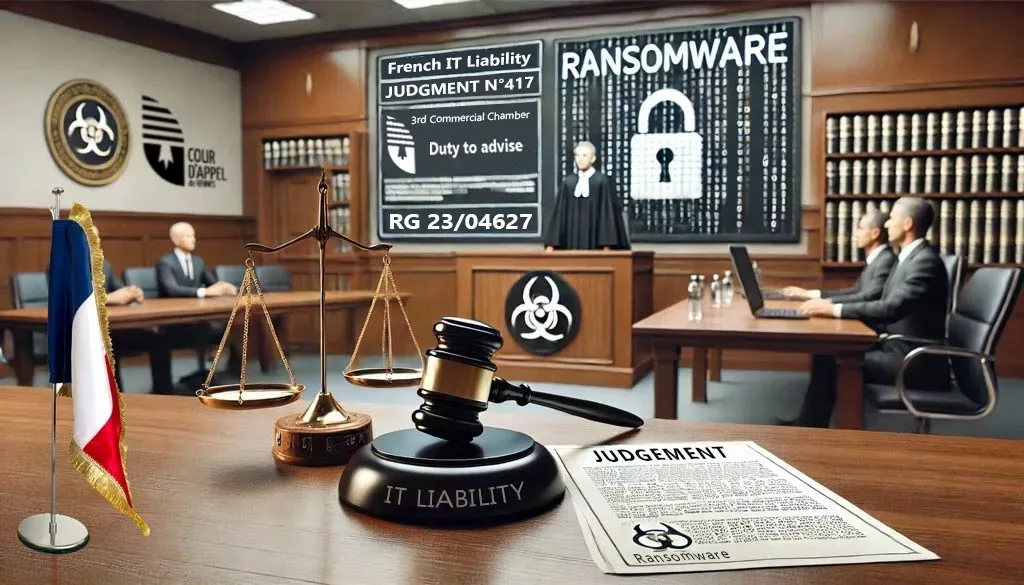
French IT Liability Case: A Landmark in IT Accountability

2025 PassCypher Password Products Technical News

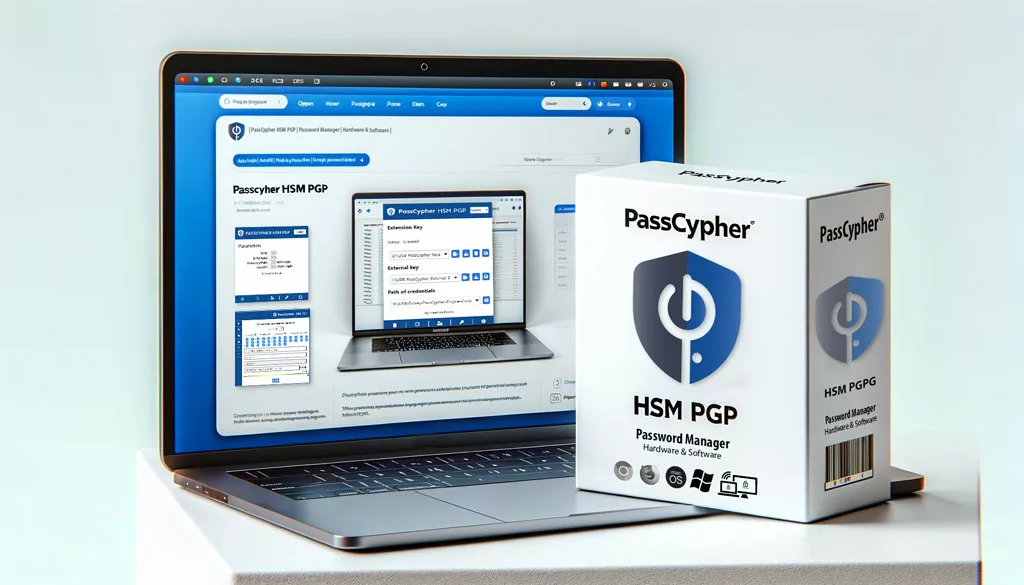
Passwordless Password Manager: Secure, One-Click Simplicity to Redefine Access

2024 Articles Technical News

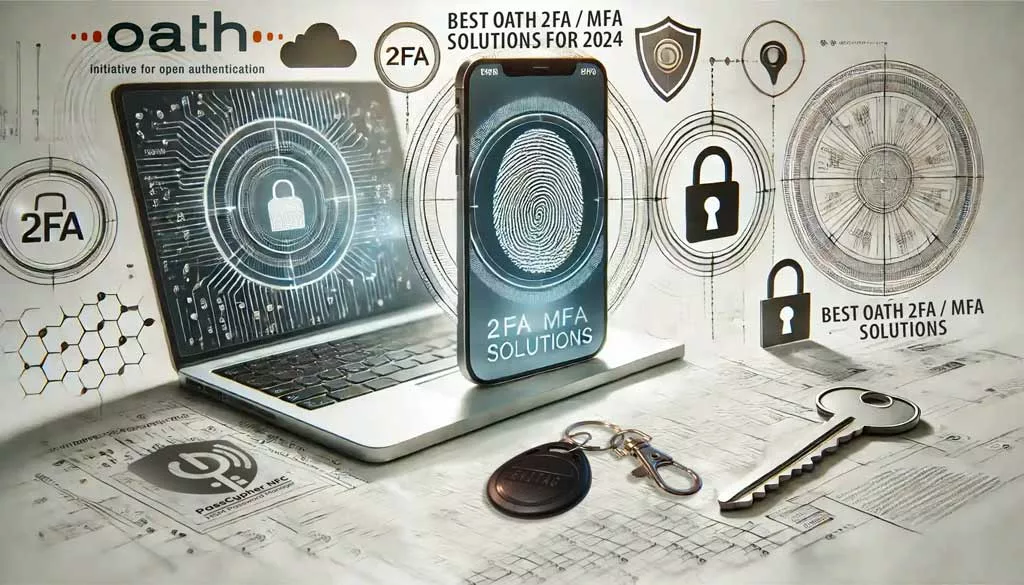
Best 2FA MFA Solutions for 2024: Focus on TOTP & HOTP

2024 Articles Cyberculture Legal information

ANSSI Cryptography Authorization: Complete Declaration Guide

2024 Articles Technical News

New Microsoft Uninstallable Recall: Enhanced Security at Its Core

2024 Articles Cyberculture

EAN Code Andorra: Why It Shares Spain’s 84 Code

2024 Articles Digital Security News

Russian Espionage Hacking Tools Revealed

Password hacking tool: how it works and how to protect yourself

Password hacking is a practice that consists of finding the secret code that protects access to an account or a file. There are specialized tools to perform this operation, such as the one used by Mitnick Security Consulting. In this article, we will present the features of this tool, its advantages and disadvantages, as well as the ways to protect yourself from password hacking.

Introduction

Password hacking is a practice that consists of finding the secret code that protects access to an account or a file. It can be done for various purposes, such as testing the security of a system, recovering a forgotten password, or stealing personal or professional data.

There are specialized tools to perform password hacking, such as the one used by Mitnick Security Consulting. This company is led by Kevin Mitnick, a famous hacker who was arrested in 1995 for hacking dozens of computer systems, including those of the Pentagon, NASA and FBI. Today he has become a security expert and consultant who helps companies protect themselves from cyberattacks.

The main purpose of this article is to present the features, advantages and disadvantages of the password hacking tool used by Mitnick Security Consulting, as well as the ways to protect yourself from password hacking. We will first explain how the tool uses a large number of GPUs to speed up the hacking process. Then we will discuss the benefits and drawbacks of using such a tool in terms of energy consumption and privacy concerns. Next we will address the ethical and legal implications of password hacking. After that we will summarize some user reactions to password hacking. Finally we will provide some tips on how to protect your online accounts with strong passwords.

Features of the password hacking tool

The password hacking tool used by Mitnick Security Consulting uses a large number of GPUs to speed up the hacking process. According to the information shared by Mitnick, the tool uses 24 GPU 4090s and 6 GPU 2080s, all clustered and running with Hashtopolis. This allows the tool to hack passwords at an impressive speed, reaching 6.2 trillion per second for NTLM (New Technology LAN Manager).

Hashtopolis is an open source software that allows to distribute the password hacking work across multiple machines equipped with GPUs. It uses a web interface to manage the agents, tasks and passwords found. It supports several types of hashes, such as NTLM, MD5, SHA1, SHA256, SHA512, WPA/WPA2 and even BitLocker.

A hash is a mathematical function that transforms a password into a random string of characters. For example, the password “password” hashed with MD5 would be “5f4dcc3b5aa765d61d8327deb882cf99”. Hashing is used to store passwords securely without revealing them in plain text.

To crack a password, one has to find the original password that corresponds to a given hash. This can be done by using different methods, such as bruteforce, dictionary or mask.

Bruteforce is a method that tries all possible combinations of characters until finding the right one. For example, if the password is four digits long, it would try 0000, 0001, 0002… until 9999.

Dictionary is a method that tries words from a predefined list or a common language dictionary. For example, if the password is a word in English, it would try apple, banana, carrot… until finding the right one.

Mask is a method that tries combinations based on a known pattern or structure. For example, if the password is composed of two words separated by an underscore (_), it would try word_word, name_name… until finding the right one.

Advantages and disadvantages of the password hacking tool

The use of such a tool has advantages and disadvantages. On one hand, it allows the company to quickly test the security of the passwords used by its clients and detect vulnerabilities. This can help prevent unauthorized access and data breaches. It can also help users improve their password habits and choose stronger passwords.

On the other hand, it consumes a considerable amount of energy and generates heat. This can have a negative impact on the environment and increase the carbon footprint of the company. It can also raise privacy concerns, as the tool can be used for malicious purposes, such as hacking online accounts or sensitive data. This can result in identity theft, industrial espionage or sabotage.

It is important to note that even with such a powerful tool, there are limits to what can be achieved in terms of password hacking. Long and complex passwords, stored using secure hashing algorithms such as bcrypt or PBKDF2, can be very difficult to hack even with powerful tools. These algorithms use a large number of iterations to significantly slow down the hashing process, making brute force hacking much more difficult.

In addition to the number of iterations, these algorithms have other features that make them more resistant to GPU or specialized hardware attacks. Bcrypt uses an encryption function based on Blowfish, which is designed to be costly in memory and random access. This makes it difficult to parallelize bcrypt on multiple GPUs. PBKDF2 uses an internal hash function, such as SHA-256 or SHA-512, which can be optimized for GPUs, but which also requires a lot of calculations. This makes the cost of the attack proportional to the number of iterations. According to a 2015 study, it would take about 4 days to crack an 8-character alphanumeric password with bcrypt and 10 iterations, compared to about 5 hours with PBKDF2 and 10,000 iterations.

Ethical and legal implications of password hacking

The use of such a powerful password hacking tool raises ethical and legal questions. On one hand, it can serve to strengthen the security of computer systems by demonstrating their vulnerability and encouraging users to choose stronger passwords. This can be seen as a form of ethical hacking or penetration testing, which aims to improve the security of a system by finding and reporting its weaknesses.

On the other hand, it can be used for malicious purposes, such as hacking online accounts or sensitive data. This can be seen as a form of illegal hacking or cybercrime, which aims to harm or exploit a system by exploiting its weaknesses.

Therefore, some ethical and legal rules must be respected when using a password hacking tool. For example:

  • The tool should only be used with the consent and authorization of the owner or administrator of the system.
  • The tool should only be used for legitimate purposes, such as testing the security of passwords or recovering a forgotten password.
  • The tool should not be used to access or disclose confidential or personal information without permission.
  • The tool should not be used to cause damage or disruption to the system or its users.

To give you an idea of how long it would take to crack a password using high-performance GPUs, a machine equipped with eight RTX 4090 GPUs, the most powerful on the market today and very popular among gamers and creators, could go through all possible combinations of an 8-character password in just 48 minutes using brute force methods. For comparison, it would take about 3 hours and 20 minutes with eight RTX 3090 Ti GPUs.

User reactions to password hacking

Kevin Mitnick’s post sparked many positive comments from computer security experts, who praised the power and speed of his password hacking tool. Some even asked for technical details on how Hashtopolis works and what types of hashes it can crack.

For example, one comment said: “This is amazing! I would love to see how Hashtopolis works and what kind of hashes it can crack. Can you share some screenshots or videos of the tool in action?”

Another comment said: “Wow, this is impressive! I wonder how long it would take to crack a password with bcrypt or PBKDF2 using this tool. Do you have any benchmarks or comparisons?”

However, some negative comments from Internet users also expressed concerns about the environmental impact and privacy issues of password hacking.

For example, one comment said: “This is terrible! Do you realize how much electricity and heat this tool consumes? You are contributing to global warming and climate change with your irresponsible hacking. You should plant some trees or use renewable energy to offset your carbon footprint.”

Another comment said: “This is scary! How can we trust you with our passwords and data? You could hack into our accounts or steal our information without our consent. You are violating our privacy and security with your unethical hacking. You should respect the law and the rights of others.”

In conclusion

The new password hacking tool used by Mitnick Security Consulting is impressive in terms of power and speed. It can crack passwords at an astonishing rate, reaching 6.2 trillion per second for NTML. It uses Hashtopolis, an open source software that allows to distribute the password hacking work across multiple machines equipped with GPUs. It supports several types of hashes and methods to crack them.

However, the use of such a tool also raises concerns about energy and privacy. It consumes a considerable amount of electricity and generates heat, which can have a negative impact on the environment. It can also be used for malicious purposes, such as hacking online accounts or sensitive data, which can result in identity theft, industrial espionage or sabotage.

As Internet users, it is important to be aware of the risks associated with weak passwords and use secure methods to protect our online accounts. Some tips to do so are:

  • Use long and complex passwords that contain letters, numbers and symbols.
  • Use a password manager to store and generate secure passwords.
  • Use a random password generator or a secret phrase that is easy to remember but hard to guess.
  • Use multi-factor authentication that requires a code sent by SMS or email to access an account.

Password hacking is a practice that can have positive or negative consequences depending on how it is used. It is therefore necessary to be vigilant and adopt good practices to protect ourselves from hackers like Kevin Mitnick.

I hope this article has helped you understand how password hacking works and how to protect yourself from it. If you want to learn more about password hacking, you can check out these sources:

  • Cracking Passwords at 7.25 TRILLION Hashes per second?
  • How Secure Is My Password?
  • How To Create A Strong Password

Sources :

(1) hash – What is the specific reason to prefer bcrypt or PBKDF2 over …. https://security.stackexchange.com/questions/133239/what-is-the-specific-reason-to-prefer-bcrypt-or-pbkdf2-over-sha256-crypt-in-pass.

(2) Password Storage – OWASP Cheat Sheet Series. https://cheatsheetseries.owasp.org/cheatsheets/Password_Storage_Cheat_Sheet.html.

(3) Do any security experts recommend bcrypt for password storage?. https://security.stackexchange.com/questions/4781/do-any-security-experts-recommend-bcrypt-for-password-storage.

(4) Password Hashing: PBKDF2 (using sha512 x 1000) vs Bcrypt. https://stackoverflow.com/questions/4433216/password-hashing-pbkdf2-using-sha512-x-1000-vs-bcrypt.

KingsPawn A Spyware Targeting Civil Society

KingsPawn A Spyware


KingsPawn from QuaDream Spyware Threat

KingsPawn, a spyware developed and sold by QuaDream based on digital offensive technology to governments. Its spyware, named Reign, uses zero-click exploits to infiltrate the mobile devices of civil society victims. In this article you will learn how QuaDream works, who its Cyber victims and customers have been, and how to protect yourself from this type of dangerous spyware

To learn more about the potential dangers of KingsPawn spyware, read “QuaDream: Spyware That Targets Civil Society.” Stay informed by browsing our constantly updated topics

How to Secure Your Data from QuaDream’s KingsPawn Spyware,” written by Jacques Gascuel, the innovator behind advanced sensitive data security and safety systems, provides priceless knowledge on the topic of data encryption and decryption. Are you prepared to enhance your comprehension of data protection?

QuaDream: KingsPawn spyware vendor shutting down in may 2023

QuaDream was a company that sold digital offensive technologies to governments. Its main product, Reign, was a spyware that used zero-click exploits to hack mobile devices. A few months after Pegasus, a similar spyware by NSO Group, Microsoft and Citizen Lab found QuaDream’s Reign / KingsPawn spyware and its victims worldwide.

However, in May 2023, QuaDream stopped its activitiesMay 2023, QuaDream stopped its activities, due to the Israeli government’s restrictions on its spyware export. QuaDream had developed other espionage technologies, such as ENDOFDAYS, that it sold to foreign governments, like Morocco, Saudi Arabia, Mexico, Ghana, Indonesia and Singapor.

QuaDream tried to sell its assets to other players, but the Israeli government blocked them It is unknown if the spyware KingsPawn is still active and used, or who controls it. Therefore, it is advised to be vigilant and protect your data with reliable security solutions.

How QuaDream’s Exploits KingsPawn her Spyware Work

According to Microsoft, QuaDream has an arsenal of exploits and malware that it calls KingsPawn. It includes a suspected exploit for iOS 14, named ENDOFDAYS, that seems to use invisible iCloud calendar invitations sent by the spyware operator to the victims. This exploit was deployed as a zero-day against iOS 14.4 and 14.4.2 versions, and maybe others.

The KingsPawn spyware is designed to exfiltrate data from the infected devices, such as contacts, messages, photos, videos, audio recordings, location data, browser information and app data. The malware communicates with command and control (C2) servers via encrypted protocols and uses evasion techniques to avoid detection.

How the KingsPawn spyware infects phones

The main infection vector of KingsPawn is the ENDOFDAYS exploit, which does not require any user interaction to execute. The spyware operator sends an invisible iCloud calendar invitation to the target’s phone number or email address. The invitation contains a malicious link that triggers the exploit when the phone processes the notification. The exploit then downloads and installs the KingsPawn malware on the device, without the user’s knowledge or consent.

The spyware operator can also use other methods to deliver the malicious link, such as phishing emails, SMS, social media messages, or fake websites. However, these methods require the user to click on the link, which reduces the chances of success.

KingsPawn Datasheet

The following table summarizes the main features and characteristics of the KingsPawn malware:

Feature Description
Name KingsPawn
Developer QuaDream
Platform iOS
Version 1.0
Size 2.5 MB
Permissions Full access to device data and functions
Capabilities Data exfiltration, audio recording, camera capture, location tracking, file search, keychain access, iCloud password generation, self-deletion
Communication Encrypted TCP and UDP protocols
C2 servers Multiple domains and IP addresses, some located in Israel, Bulgaria, Czech Republic, Hungary, Ghana, Mexico, Romania, Singapore, UAE, and Uzbekistan
Victims At least five civil society actors, including journalists, political opponents, and an NGO worker, in North America, Central Asia, Southeast Asia, Europe, and the Middle East
Customers Several governments, some with poor human rights records, such as Singapore, Saudi Arabia, Mexico, Ghana, Indonesia, and Morocco

How to Detect KingsPawn

KingsPawn is a stealthy and sophisticated malware that can evade most antivirus and security software. However, there are some signs and symptoms that can indicate a possible infection, such as:

  • Unusual battery drain or overheating of the device
  • Increased data usage or network activity
  • Unexpected pop-ups or notifications
  • Changes in device settings or behavior
  • Presence of unknown apps or files

If you notice any of these signs, you should scan your device with a reliable antivirus or security app, such as Malwarebytes or Norton. These apps can detect and remove KingsPawn and other malicious software from your device.

How to Protect Against KingsPawn

If you suspect that your device is infected by KingsPawn, you should take the following steps to remove it and protect your data:

  • Disconnect your device from the internet and any other networks
  • Backup your important data to a secure external storage
  • Perform a factory reset of your device to erase all data and settings
  • Restore your device from a clean backup or set it up as a new device
  • Update your device to the latest version of iOS and install security patches
  • Change your passwords and enable two-factor authentication for your online accounts
  • Avoid clicking on suspicious links or opening attachments from unknown sources
  • Use a reputable antivirus or security app to scan your device regularly

These steps will help you to get rid of KingsPawn and prevent it from infecting your device again. However, you should also be aware of the risks of using unsecured email services, such as iCloud web mail, which can be compromised by hackers or spyware. To protect your emails and other sensitive data, you should use a technology that encrypts your data with a hardware security module (HSM), such as EviCypher NFC HSM or DataShielder HSM PGP.

Who Are the Victims and Customers of QuaDream?

Citizen Lab, a research lab at the University of Toronto, identified at least five civil society victims of the spyware and exploits of QuaDream in North America, Central Asia, Southeast Asia, Europe and the Middle East. The victims include journalists, political opponents and a worker of a non-governmental organization (NGO). Citizen Lab did not reveal the names of the victims for security reasons, but one of them agreed to share his testimony anonymously:

I was shocked when I learned that my phone was infected by QuaDream. I had no idea tat they were targeting me. I work for a human rights NGO and I have been involved in several campaigns to denounce the abuses of authoritarian regimes. I fear that they have accessed my personal and professional data, and that they have compromised my contacts and sources.

Citizen Lab also detected QuaDream servers operated from Bulgaria, Czech Republic, Hungary, Ghana, Israel, Mexico, Romania, Singapore, United Arab Emirates (UAE) and Uzbekistan. These countries could be potential or current customers of QuaDream, which sells its Reign platform to governments for law enforcement purposes. Media reports indicate that QuaDream sold its products to Singapore, Saudi Arabia, Mexico and Ghana, and offered its services to Indonesia and Morocco.

What Is the Link Between QuaDream and InReach?

QuaDream had a partnership with a Cypriot company called InReach, with which it is currently in legal dispute. The two companies accused each other of fraud, theft of intellectual property and breach of contract. Several key people associated with both companies have previous links with another surveillance provider, Verint, as well as with Israeli intelligence agencies.

Microsoft and Citizen Lab shared information about QuaDream with their customers, industry partners and the public, to improve the collective knowledge of how PSOAs (private sector offensive actors) operate and how they facilitate the targeting and exploitation of civil society. Microsoft calls for stricter regulation of PSOAs and increased protection of human rights in cyberspace.

Conclusion

QuaDream is a new spyware vendor that poses a serious threat to civil society. Its spyware, named Reign, uses zero-click exploits to infiltrate the mobile devices of civil society victims. QuaDream has sold its products to several governments, some of which have a poor record of human rights. QuaDream is also involved in a legal dispute with another company, InReach, over the ownership of the spyware technology. The international community should be aware of the dangers of QuaDream and other PSOAs, and take action to prevent their abuse.

Phishing Cyber victims caught between the hammer and the anvil

Phishing: Cyber victims caught between the hammer and the anvil

Phishing Cyber Victims by Jacques Gascuel This article will be updated with any new information on the topic, and readers are encouraged to leave comments or contact the author with any suggestions or additions.

Phishing: how cyber-victims are caught between scam and blackmail

Have you ever received an email or a message that looked like an official communication from a trusted organization, such as your bank, your phone operator or your social network? Did it ask you to confirm your personal or financial information, to pay a fine or to update your software? If so, you may have been targeted by a phishing attack.

Phishing is a fraudulent technique that aims to deceive internet users and to steal their information, money or identity. Phishing is a major threat for the security of individuals and organizations, as it can lead to financial losses, identity theft, extortion or malware infections. In this article, I will explain to you what phishing is, how to protect yourself from it, what to do if you fall victim to it and what are the current trends of this phenomenon.

What is phishing?

Phishing is a form of social engineering that exploits the human factor rather than the technical factor. In other words, phishing relies on manipulating people’s emotions, such as fear, curiosity or greed, rather than hacking their devices or systems.

Phishing usually involves sending emails or messages that mimic the appearance and content of official communications from legitimate organizations. These messages often contain a link or an attachment that directs the recipients to a fake website or a malicious file. The goal of phishing is to trick the recipients into revealing their personal, financial or confidential information, such as their passwords, their bank account numbers or their credit card details. Alternatively, phishing can also persuade the recipients to make fraudulent payments or to download malware on their devices.

Phishing can target anyone who uses the internet, whether they are individuals or organizations. However, some groups are more vulnerable than others, such as seniors, students or employees. According to a report by Verizon (https://enterprise.verizon.com/resources/reports/dbir/), phishing was involved in 36% of data breaches in 2020.

How to protect yourself from phishing?

To protect yourself from phishing, you need to be able to recognize the signs that can indicate that a message is fraudulent. Here are some examples of signs to watch out for:

  • Spelling or grammar mistakes in the message.
  • Suspicious addresses or links that do not match the supposed organization behind the message.
  • Urgent or unusual requests, such as confirming your bank details, paying a fine or updating your software.
  • Attachments or links that invite you to download or open a file.

If you receive a suspicious message, do not click on the links, do not open the attachments and do not reply to the message. Instead, check the source of the message by looking at the sender’s address, hovering over the links with your mouse to see their real destination or contacting directly the organization supposed to be behind the message by another means (phone, official website, etc.).

You can also use some tools and practices to enhance your security online, such as:

  • Installing an antivirus software and keeping it updated.
  • Using strong and unique passwords for each site and service you use.
  • Enabling two-factor authentication whenever possible.
  • Avoiding public Wi-Fi networks or using a VPN (Virtual Private Network) when accessing sensitive sites.
  • Educating yourself and others about cyber threats and how to prevent them.

What to do if you are a victim of phishing?

If you have clicked on a link, opened an attachment or disclosed personal or financial information following a fraudulent message, you may be a victim of phishing. In this case, it is important to act quickly to limit the consequences. Here are some tips to follow:

  • Change your passwords on all sites and services you use, especially those related to your bank accounts, your social networks or your email accounts.
  • Contact your bank or your phone operator to report the incident and block your cards or lines if necessary.
  • File a complaint with the competent authorities, such as the police, the FTC (Federal Trade Commission) or the IC3 (Internet Crime Complaint Center).
  • Report the fraudulent message to the concerned organizations, such as https://www.antiphishing.org/ or https://www.us-cert.gov/report-phishing. These sites also offer you information and services to help you cope with the consequences of phishing.

What is the new bill on justice and why is it raising concerns about privacy?

The bill on justice is a legislative project. It aims to modernize and simplify justice in France. It covers civil, criminal, administrative and digital justice. It also strengthens the investigation and prosecution of serious offenses, such as terrorism and organized crime.

One measure authorizes remote activation of phones by the police for some investigations. Article 3 “An unfailing commitment to better prevent radicalization and fight against terrorism” of the bill includes this measure. It modifies article 706-102-1 of the code of criminal procedure. This article defines how to activate remotely any electronic device that can emit, transmit, receive or store data.

This measure raises privacy concerns because it lets the police access personal or professional data in phones without the owners’ or possessors’ consent or knowledge. It also lets the police locate, record or capture sounds and images from phones without notification or justification. This measure may violate fundamental rights and freedoms, such as privacy, confidentiality, dignity, presumption of innocence and right to a fair trial.

What is remote activation of phones and how does it work?

Remote activation of phones by the police is an intelligence technique that allows law enforcement agencies to access data or record sounds and images from phones without the consent or knowledge of the phone users. This technique can be used for criminal investigations or national security purposes.

To remotely activate phones, law enforcement agencies need three factors: compatibility, connectivity, and security of the phones. They need to be compatible with the software or hardware that enables remote activation. They need to be connected to a network or a device that allows remote access. They need to have security flaws or vulnerabilities that can be exploited or bypassed.

Law enforcement agencies can remotely activate phones by three methods: exploiting vulnerabilities, installing malware, or using spyware on phones. Exploiting vulnerabilities means taking advantage of security flaws or weaknesses in the phone’s operating system, applications, or protocols. Installing malware means putting malicious software on the phone that can perform unauthorized actions or functions. Using spyware means employing software or hardware that can monitor or control the phone’s activity or data.

By remotely activating phones, law enforcement agencies can access data such as contacts, messages, photos, videos, location, browsing history, or passwords. They can also record sounds and images such as conversations, ambient noises, or camera shots. They can do this in real time or later by retrieving the data from the phone’s memory or storage.

What is the French bill on remote activation of phones by the police and what are its implications?

The French bill on remote activation of phones by the police is a legislative text that was promulgated on 25 May 2021. It is part of the justice orientation and programming bill for 2023-2027, which aims to modernize the justice system and reinforce its efficiency and independence.

The bill introduces a new article in the code of criminal procedure, which allows the judge of liberties and detention (at the request of the prosecutor) or the examining magistrate to order the remote activation of an electronic device without the knowledge or consent of its owner or possessor for the sole purpose of locating it in real time. This measure can be applied for crimes or misdemeanors punishable by at least five years’ imprisonment, a fairly broad criterion.

The bill also allows the judge of liberties and detention (at the request of the prosecutor) or the examining magistrate to order the remote activation of an electronic device without the knowledge or consent of its owner or possessor for the purpose of recording sounds and images from it. This measure can be applied only for crimes relating to organized crime and terrorism.

These measures cannot concern parliamentarians, journalists, lawyers, magistrates and doctors, nor the defendants when they are in the judge’s office or with their lawyer.

The bill also specifies that the remote activation of an electronic device must be done in a way that does not alter its functioning or data, and that the data collected must be destroyed within six months after their use.

The bill aims to provide law enforcement agencies with more tools and information to prevent, investigate and prosecute crimes, especially in cases where phones are encrypted, hidden or destroyed. It also aims to harmonize the French legislation with other countries that have used or considered this technique, such as the United States, Germany, Italy, Israel, Canada, China, France, and the United Kingdom.

However, the bill also raises ethical and social challenges, as it involves a trade-off between security and privacy, as well as between effectiveness and legitimacy. It may undermine the right to respect for private life and the right to a fair trial, which are guaranteed by the European Convention on Human Rights and the French Constitution. It may also expose law enforcement agencies to legal or technical challenges or dangers, such as encryption technologies that can prevent or hinder remote activation. It may also create distrust or resistance among phone users or providers, who may use encryption technologies or legal remedies to protect their data or communications.

The bill has been criticized by several actors, such as lawyers, human rights defenders, digital rights activists, journalists and academics. They have denounced its lack of proportionality, necessity and oversight. They have also questioned its effectiveness and legitimacy. They have called for its withdrawal or amendment.

The bill is still subject to constitutional review by the Constitutional Council before its final promulgation.

How did the Senate vote on the bill and where to find the official sources?

The Senate adopted this measure on October 20, 2021, with some amendments. The Senate voted in favor of this measure by 214 votes against 121. The Senate also added some safeguards to this measure, such as limiting its duration to four months renewable once and requiring prior authorization from an independent judge.

The National Assembly still has to examine the bill before adopting it definitively. The National Assembly may approve, reject or modify this measure. The final text may differ from the one that the Senate voted.

The examination of the bill by the National Assembly will start on December 6, 2021. You can follow the progress of the bill on the website of the National Assembly. You can also find the official text of the bill and the report of the Senate on their respective websites. You can also consult the website of the Ministry of Justice for more information on the bill and its objectives.

What are the benefits and risks of remote activation of phones?

This technique can affect citizens’ and suspects’ behavior in different ways.

On one hand, it can deter people from serious offenses. It exposes them to a higher risk of detection and identification. It reduces their incentives for criminal activities.

On the other hand, it can also make people more cautious or paranoid. It increases their uncertainty and fear. It leads them to avoid electronic devices, encrypt their communications, or use countermeasures such as jamming devices.

This technique can also impact public safety and security positively and negatively.

On one hand, it can improve the efficiency and effectiveness of law enforcement agencies. It provides them with more information and evidence. It helps them prevent, investigate and prosecute crimes.

On the other hand, it can also pose risks for human rights and civil liberties. It allows intrusive and covert surveillance. It violates privacy, confidentiality and dignity. It can also be subject to abuse, misuse or error by law enforcement agents or hackers.

Finally, it can create a feeling of insecurity and mistrust towards institutions, which can access personal or professional data in phones. It can also harm respect for presumption of innocence by placing permanent suspicion on people targeted by this technique. It can also infringe on protection of journalistic sources or right to information by discouraging whistleblowers or witnesses from speaking freely. It can finally encourage people concerned to adopt avoidance or circumvention strategies, such as changing phones regularly, using encrypted applications or switching to airplane mode.

These strategies can reduce the actual effectiveness of this technique for preventing terrorism and organized crime.

What are the arguments in favor of remote activation of phones?

Some people support this technique because they think it has several advantages for law enforcement and public security.

How can remote activation of phones violate privacy and data protection?

One of the main arguments against this technique is that it can violate privacy and data protection for individuals and groups. Privacy and data protection are fundamental rights recognized by international standards and laws. They ensure human dignity and autonomy.

Remote activation of phones violates privacy and data protection by letting law enforcement agencies access personal or professional data without the owners’ or possessors’ consent or knowledge. It also lets law enforcement agencies access sensitive or confidential data without notification or justification. It also lets law enforcement agencies access excessive or irrelevant data without limitation or proportionality.

For example, remote activation of phones could let the police access medical records, financial transactions, political opinions, religious beliefs, sexual preferences, or other intimate information on a device or a communication. It could also let the police access information that is not related to the investigation or that is out of scope on a device or a communication. It could also let the police access information that is not necessary or appropriate for the investigation or that is disproportionate to the seriousness of the offense on a device or a communication.

How can remote activation of phones improve access to justice and evidence?

Another argument in favor of this technique is that it can improve access to justice and evidence for law enforcement agencies and victims of crimes. Justice and evidence ensure the rule of law and the protection of rights.

Remote activation of phones improves access to justice and evidence by letting law enforcement agencies obtain information that is otherwise inaccessible or difficult to obtain. It also lets law enforcement agencies obtain information that is more reliable and accurate than other sources. It also lets law enforcement agencies obtain information that is timelier and more relevant than other sources.

For example, remote activation of phones could help the police access data that is encrypted or password-protected on a device or a communication. It could also help the police access data that is authentic and verifiable on a device or a communication. It could also help the police access data that is up-to-date and pertinent on a device or a communication.

What are the arguments against remote activation of phones?

Some people oppose this technique because they think it has several disadvantages for human rights and civil liberties.

How can remote activation of phones violate privacy and data protection?

One of the main arguments against this technique is that it can violate privacy and data protection for individuals and groups. Privacy and data protection are fundamental rights recognized by international standards and laws. They ensure human dignity and autonomy.

Remote activation of phones violates privacy and data protection by letting law enforcement agencies access personal or professional data without the owners’ or possessors’ consent or knowledge. It also lets law enforcement agencies access sensitive or confidential data without notification or justification. It also lets law enforcement agencies access excessive or irrelevant data without limitation or proportionality.

For example, remote activation of phones could let the police access medical records, financial transactions, political opinions, religious beliefs, sexual preferences, or other intimate information on a device or a communication. It could also let the police access information that is not related to the investigation or that is out of scope on a device or a communication. It could also let the police access information that is not necessary or appropriate for the investigation or that is disproportionate to the seriousness of the offense on a device or a communication.

How can remote activation of phones undermine the presumption of innocence and the right to a fair trial?

Another argument against this technique is that it can undermine the presumption of innocence and the right to a fair trial for individuals and groups. The presumption of innocence and the right to a fair trial are fundamental rights recognized by international standards and laws. They ensure justice and accountability.

Remote activation of phones undermines the presumption of innocence and the right to a fair trial by letting law enforcement agencies access data that they can use against individuals or groups without any legal basis or due process. It also lets law enforcement agencies access data that they can manipulate or falsify by law enforcement agents or hackers. It also lets law enforcement agencies access data that individuals or groups can challenge or contest.

For example, remote activation of phones could let the police access data that they can incriminate individuals or groups without any warrant or authorization from a judge. It could also let the police access data that they can alter or corrupt by law enforcement agents or hackers. It could also let the police access data that individuals or groups can dispute or refute.

How can remote activation of phones create a risk of abuse and misuse by the authorities?

Another argument against this technique is that it can create a risk of abuse and misuse by the authorities for individuals and groups. Abuse and misuse are illegal or unethical actions that violate rights and obligations. They damage trust and legitimacy.

Remote activation of phones creates a risk of abuse and misuse by the authorities by letting law enforcement agencies access data that they can use for purposes other than those authorized or intended. It also lets law enforcement agencies access data that they can share or disclose to third parties without any oversight or control. It also lets law enforcement agencies access data that they can retain or store for longer than necessary or permitted.

For example, remote activation of phones could let the police access data that they can use for political, personal, commercial, or other interests on a device or a communication. It could also let the police access data that they can transfer or leak to other agencies, organizations, media, or individuals on a device or a communication. It could also let the police access data that they can keep or archive for indefinite periods on a device or a communication.

What are the alternatives and safeguards for remote activation of phones?

Some people suggest that there are alternatives and safeguards for remote activation of phones that can balance security and privacy.

What are the existing legal tools to access phone data with judicial authorization?

One of the alternatives for remote activation of phones is to use existing legal tools to access phone data with judicial authorization. Judicial authorization is a legal requirement that ensures respect for rights and obligations. An independent and impartial judge grants it after evaluating the necessity and proportionality of the request.

Existing legal tools to access phone data with judicial authorization include search warrants, wiretaps, geolocation orders, data requisitions, and international cooperation agreements. These tools let law enforcement agencies obtain information from phones in a lawful and transparent manner. They also provide legal protection and recourse for individuals and groups.

For example, search warrants let law enforcement agencies physically seize phones and extract data from them with judicial authorization. Wiretaps let law enforcement agencies intercept calls and messages from phones with judicial authorization. Geolocation orders let law enforcement agencies track the location of phones with judicial authorization. Data requisitions let law enforcement agencies request data from phone operators or service providers with judicial authorization. International cooperation agreements let law enforcement agencies exchange data with foreign authorities with judicial authorization.

What are the principles and conditions for remote activation of phones according to the bill?

One of the safeguards for remote activation of phones is to follow the principles and conditions for remote activation of phones according to the bill. The bill on justice sets some rules and limits for this technique to prevent abuse and misuse.

The principles and conditions for remote activation of phones according to the bill include:

  • The technique can only be used for terrorism and organized crime investigations.
  • An independent judge who authorizes it must supervise the technique. The technique can only last for four months renewable once.
  • The technique must respect necessity, proportionality, subsidiarity, and legality.
  • Parliament and independent authorities must oversee and control the technique.
  • Experts and stakeholders must evaluate and review the technique.

These principles and conditions aim to ensure a reasonable and accountable use of this technique. They also aim to protect the rights and interests of individuals and groups.

What are the possible ways to limit or challenge remote activation of phones?

Another safeguard for remote activation of phones is to use possible ways to limit or challenge remote activation of phones by individuals or groups. These ways can help protect rights and interests, as well as ensure accountability and transparency.

Some of the possible ways to limit or challenge remote activation of phones are:

  • Using encryption technologies:

    Encryption technologies can make data on phones unreadable or inaccessible to law enforcement agencies, even if they remotely activate them. Encryption technologies can also protect communications from law enforcement agencies’ interception or recording. For example, using end-to-end encryption apps, such as Signal or WhatsApp, can prevent law enforcement agencies from accessing messages or calls on phones.

  • Using security features:

    Security features can prevent law enforcement agencies from installing or activating software or applications on phones that enable remote activation. Security features can also detect or remove software or applications that enable remote activation. For example, using antivirus software, firewalls, passwords, biometrics, or VPNs can prevent law enforcement agencies from accessing phones.

  • Using legal remedies:

    Legal remedies can let individuals or groups contest or oppose remote activation of phones by law enforcement agencies. Legal remedies can also let individuals or groups seek compensation or redress for damages caused by remote activation of phones. For example, using judicial review, administrative appeals, complaints, lawsuits, or human rights mechanisms can challenge law enforcement agencies’ actions or decisions regarding remote activation of phones.

How does this technique compare with other countries?

Law enforcement agencies in other countries, such as the United States, Germany, Italy, Israel, Canada, China, France, and the United Kingdom, have used or considered remote activation of phones by the police. This technique is not new or unique. However, the legal framework, the technical methods, and the ethical and social implications of this technique vary from country to country..

How does remote activation of phones by the police work in different countries?

Remote activation of phones by the police is an intelligence technique that varies from country to country. It depends on the legal framework, the technical methods and the ethical issues of each country. Here are some examples of how it works in different countries.

  • In the United States, this technique is known as “roving bugs” or “mobile device tracking”. The Foreign Intelligence Surveillance Act (FISA) authorizes it for national security purposes and Title III of the Omnibus Crime Control and Safe Streets Act for criminal investigations. It requires a court order based on probable cause and limited in scope and duration. It can locate or record sounds and images from phones. It can be done by installing malware or exploiting vulnerabilities on phones.
  • In Germany, this technique is known as “Quellen-TKÜ” or “source telecommunications surveillance”. The Code of Criminal Procedure and the Telecommunications Act regulate it for criminal investigations and the Federal Intelligence Service Act for national security purposes. It requires a court order based on reasonable suspicion and proportionality. It can intercept communications from phones. To do so, it installs software or uses spyware on phones.
  • In Italy, this technique is known as “Trojan horse” or “spyware”. The Code of Criminal Procedure and the Data Protection Code regulate it for criminal investigations. It requires a court order based on serious indications of guilt and necessity. It can access data or record sounds and images from phones. To do so, it installs software or uses spyware on phones.
  • In Israel, this technique is known as “IMSI catchers” or “stingrays”. The Wiretapping Law and the Privacy Protection Law regulate it for criminal investigations and the Security Service Law for national security purposes. It requires a court order based on reasonable grounds and proportionality. It can locate or intercept communications from phones. To do so, it uses devices that mimic cell towers and trick phones into connecting to them.
  • In Canada, this technique is known as “cell site simulators” or “IMSI catchers”. The Criminal Code and the Charter of Rights and Freedoms regulate it for criminal investigations. It requires a court order based on reasonable grounds and proportionality. It can locate or intercept communications from phones. To do so, it uses devices that mimic cell towers and trick phones into connecting to them.
  • In China, this technique is known as “network interception” or “remote control”. The Criminal Procedure Law and the Cybersecurity Law regulate it for criminal investigations and national security purposes. It does not require a court order but only an approval from a higher authority. It can access data or record sounds and images from phones. To do so, it installs software or uses spyware on phones.
  • In France, real-time geolocation is regulated by the Criminal Procedure Code and the Intelligence Law for criminal and national security investigations. Article 706-102-1 of the Criminal Procedure Code allows police officers and agents to use a technical device to access, record, store and transmit computer data without the consent of the persons concerned. This requires a court order based on serious reasons and proportionality. Article 230-32 of the Criminal Procedure Code states that “Any technical means for real-time location, throughout the national territory, of a person, without his consent, a vehicle or any other object, without the consent of its owner or possessor, may be used if this operation is required by necessity: “. This also requires a court order based on serious reasons and proportionality.
  • In the United Kingdom, this technique is known as “equipment interference” or “hacking”. The Investigatory Powers Act regulates it for criminal investigations and national security purposes. It requires a warrant based on necessity and proportionality. It can access data or record sounds and images from phones. To do so, it installs software or uses spyware on phones.

How does remote activation of phones by the police raise ethical and social challenges?

Remote activation of phones by the police raises ethical and social challenges in different contexts and situations because it involves a trade-off between security and privacy, as well as between effectiveness and legitimacy.

Security versus privacy

On one hand, remote activation of phones by the police can enhance security by providing law enforcement agencies with more information and evidence to prevent, investigate, and prosecute crimes. It can also deter criminals from using phones to plan or commit crimes.

On the other hand, remote activation of phones by the police can undermine privacy by letting law enforcement agencies access personal or professional data without consent or knowledge. It can also violate human rights and civil liberties by letting law enforcement agencies monitor or record sounds and images without notification or justification.

Effectiveness versus legitimacy

On one hand, remote activation of phones by the police can be effective by increasing the chances of finding relevant information or evidence on phones that may be encrypted, hidden, or destroyed. It can also be efficient by reducing the costs and risks of physical surveillance or interception.

On the other hand, remote activation of phones by the police can be illegitimate by violating the legal framework, the technical methods, or the oversight and control mechanisms that regulate this technique in each country. It can also be counterproductive by creating distrust or resistance among phone users or providers, who may use encryption technologies or legal remedies to protect their data or communications.

The ethical and social challenges of remote activation of phones by the police depend on the legal framework, the technical methods, and the oversight and control mechanisms that regulate this technique in each country. They also depend on the cultural and political values, the public opinion, and the media coverage that shape the perception and acceptance of this technique in each country.

Some of the ethical and social challenges of remote activation of phones by the police are how to :

  • balance security and privacy in the use of this technique?
  • ensure compliance with fundamental rights and freedoms in the use of this technique?
  • prevent abuse, misuse, or error in the use of this technique?
  • provide legal protection and recourse for individuals or groups affected by this technique?
  • ensure accountability and transparency in the use of this technique?
  • evaluate the effectiveness and legitimacy of this technique?
  • foster trust and cooperation between law enforcement agencies and phone users in the use of this technique?

What is the impact of encryption technologies on this technique?

Encryption technologies are methods or systems that make data unreadable or inaccessible to unauthorized parties. Encryption technologies can have a significant impact on remote activation of phones by the police, as they can make this technique more difficult, risky, or controversial.

How can encryption technologies make remote activation of phones by the police more difficult or impossible?

Encryption technologies can make remote activation of phones by the police more difficult or impossible by preventing law enforcement agencies from accessing data or communications on phones, even if they remotely activate them. Encryption technologies can also protect phones from malware or spyware that enable remote activation.

For example, end-to-end encryption, which some apps such as Signal or WhatsApp use, can prevent law enforcement agencies from intercepting or reading messages or calls on phones, as only the sender and the receiver have the keys to decrypt them. Device encryption, which some operating systems such as iOS or Android use, can prevent law enforcement agencies from extracting or viewing data on phones, as they require a password or a biometric authentication to unlock them.

How can encryption technologies make remote activation of phones by the police more risky or harmful?

Encryption technologies can make remote activation of phones by the police more risky or harmful by exposing law enforcement agencies to legal or technical challenges or dangers. Encryption technologies can also harm phone users by compromising their security or privacy.

For example, breaking encryption, which law enforcement agencies sometimes do to access data or communications on phones, can expose them to legal challenges, as it may violate laws or regulations that protect encryption or privacy. It can also expose them to technical dangers, as it may weaken the security of phones or networks and create vulnerabilities for hackers or criminals. Hacking encryption, which law enforcement agencies sometimes do to install malware or spyware on phones, can harm phone users by compromising their security or privacy, as it may allow unauthorized access to their data or functions.

How can encryption technologies make remote activation of phones by the police more controversial or unacceptable?

Encryption technologies can make remote activation of phones by the police more controversial or unacceptable by raising ethical and social issues or debates. Encryption technologies can also create conflicts or tensions between law enforcement agencies and phone users or providers.

For example, undermining encryption, which law enforcement agencies sometimes request to facilitate remote activation of phones, can raise ethical and social issues or debates, as it may affect human rights and civil liberties, such as privacy, confidentiality, dignity, presumption of innocence, and right to a fair trial. It can also create conflicts or tensions between law enforcement agencies and phone users or providers. They may have different interests or values regarding encryption and security.

How does EviCore NFC HSM technology developed by Freemindtronic offer a high level of protection for phone users?

Remote activation of phones by the police can be facilitated by exploiting security flaws, installing malware, or requesting backdoors in encryption technologies. However, some encryption technologies may be resistant to these measures and offer a higher level of protection for phone users. One of them is the EviCore NFC HSM technology developed by Freemindtronic.

This technology lets users create their own encryption keys in a random way and store them in a physical device that communicates with the phone via NFC (Near Field Communication). The device also lets users define their own trust criteria that must be met to use the keys or their segments. The encryption is done in Quantum-Safe AES-256 mode from either a device compatible with the EviCore NFC HSM technology or from an encrypted enclave in the phone created in the Key chain (Apple) or the Key store (Android) via the EviCore HSM OpenPGP technology. The encryption keys are segmented and superior to 256 bits. Moreover, they are physically externalized from computer systems. Everything is designed by Freemindtronic to effectively fight against espionage and corruption of telephone, computer, communication and information systems. Finally, without a server, without a database, even in air gap and airplane mode works EviCore NFC HSM or EviCore HSM OpenPGP technology. Everything is designed to work in volatile memory to leave no trace in telephone and computer systems.

This technology offers a high level of security and privacy for phone users who want to protect their data from unauthorized access, including by the police. It also offers a high level of performance and usability for phone users who want to encrypt or over-encrypt all types of messaging in the world, including SMS and MMS. It also works with other applications that use encryption, such as email, cloud storage or blockchain.

Furthermore, this technology is designed to be totally anonymous, autonomous, unconnected, without a database, without collecting any information of any kind on the identity of the user, nor on the hardware, nor on the terminals used. The technology is designed to be totally isolated and totally independent of the security of the terminal used whether it is connected or not. Freemindtronic does not keep the unique pairing keys for each NFC HSM device. And even if it did, the user at installation will automatically generate segmented complementary keys for encryption with administrator and user passwords. Each NFC device has a unique 128-bit signature dedicated to fighting against counterfeiting of NFC devices. It is also used as a key segment. The secret stored in eprom memories or in enclaves of the phone and/or computer can be individually secured by other segmented keys characterized by additional trust criteria such as a geozone, a random hexadecimal code via an existing or generated QR code or Bar Code via EviCore HSM. It is therefore physically impossible for Freemindtronic but under judicial assignment to decrypt data encrypted via EviCore HSM technologies even with a quantum computer.

In conclusion, remote activation of phones by the police is an intelligence technique. It aims to fight terrorism and crime by accessing data or sounds and images from phones without consent or knowledge. Law enforcement agencies in various countries have used or considered this technique. For example, France, the United States, Germany, Italy, Israel, Canada, China, and the United Kingdom. However, this technique raises technical, legal, ethical, and social challenges. They need to be addressed.

On the technical side, remote activation of phones by the police depends on three factors: compatibility, connectivity, and security of the phones. It can be done by three methods: exploiting vulnerabilities, installing malware, or using spyware on phones.For example, EviCore NFC HSM technology developed by Freemindtronic protects data and communications on phones from remote activation by the police. Encryption technologies can make this technique more difficult or impossible by preventing law enforcement agencies from accessing data or communications on phones, even if they remotely activate them.

On the legal side, remote activation of phones by the police requires a legal framework that regulates its use and scope. Laws or regulations can authorize it and specify the conditions and criteria for its application. Legal remedies can also challenge it and contest or oppose its validity or legality.

On the ethical side, remote activation of phones by the police involves a trade-off between security and privacy, as well as between effectiveness and legitimacy. It can enhance security by providing more information and evidence to law enforcement agencies to prevent, investigate, and prosecute crimes. It can also undermine privacy by letting law enforcement agencies access personal or professional data without notification or justification.

On the social side, remote activation of phones by the police raises issues or debates that affect human rights and civil liberties. For example, privacy, confidentiality, dignity, presumption of innocence, and right to a fair trial. It can also create conflicts or tensions between law enforcement agencies and phone users or providers, as they may have different interests or values regarding encryption and security.

Therefore, remote activation of phones by the police is a complex and controversial technique that requires a careful and balanced approach that respects the rights and interests of all parties involved. The French bill on remote activation of phones by the police and the EviCore NFC HSM Open PGP technology developed by Freemindtronic illustrate the complex and evolving relationship between intelligence and encryption in the digital age. They raise questions about finding a balance. It is between security and privacy, between public interest and individual rights, between innovation and regulation.

: According to Okta, privacy is the right to control how your information is viewed and used, while security is protection from threats or dangers (https://www.okta.com/identity-101/privacy-vs-security/).

: According to Carnegie Endowment for International Peace, finding a balance between security and privacy requires addressing technical, legal, and social questions (https://carnegieendowment.org/2019/09/10/moving-encryption-policy-conversation-forward-pub-79573).

: According to Springboard, finding a balance between innovation and regulation requires cooperation among stakeholders and respect for human rights (https://www.springboard.com/blog/cybersecurity/privacy-vs-security-how-to-balance-both/).

Phishing: Cyber victims caught between the hammer and the anvil

Responsibility for Phishing, SMiShing, typosquatting, ransomhack, spear phishing, sim swapping, vishing, email and web Spoofing cybervictims is engaged.

There can no longer be any doubt, the responsibility of the Internet user is legally engaged with almost no recourse for the victims to obtain any refund!

Note that we most often find the English term “phishing” which translates “phishing” into French, as well as for the typosquatting that comes from the English “typosquatting” or spear phishing targeted phishing via social engineering techniques or Spoofing technique of spotting.

Following the 2015/2366 directive of the European Parliament and the Council of 25 November 2015, Order No. 2017-1252 of 9 August 2017 makes amendments to Articles L133-16 and L.133-19 of the Monetary and Financial Code for victims of bank card phishing.

Article L133-16 of the Monetary and Financial Code (below) states: “As soon as he receives a payment instrument, the user of payment services takes all reasonable measures to preserve the security of his custom security devices. It uses the payment instrument in accordance with the conditions governing its issuance and use. »

https://www.legifrance.gouv.fr/affichCodeArticle.do?cidTexte=LEGITEXT000006072026&idArticle=LEGIARTI000020860774&dateTexte=&categorieLien=cid

Article L.133-19 of the Monetary and Financial Code (below) states in paragraph IV: “The payer bears all losses caused by unauthorized payment transactions if these losses result from fraudulent conduct on his part or if he did not intentionally or grossly negligently satisfy the obligations referred to in Articles L.133-16 and L.133-17 of the Monetary and Financial Code.”

https://www.legifrance.gouv.fr/affichCodeArticle.do?idArticle=LEGIARTI000020861589&cidTexte=LEGITEXT000006072026

The judgment of the Court of Cassation of 25 October 2017 and that of 28 March 2018 form a case law on the liability of the Internet user victim of phishing by telephone via identity theft and/or via a fake website and/or a fake email.

The judgment of October 25, 2017, (cases of 25.10.17, No. 16-11 644)

https://www.legifrance.gouv.fr/affichJuriJudi.do?idTexte=JURITEXT000035925298&fastReqId=1348908414&fastPos=5&oldAction=rechJuriJudi

Monde.fr press article: http://sosconso.blog.lemonde.fr/2017/10/26/elle-avoue-a-sa-banque-avoir-ete-victime-de-phishing

The judgment of March 28, 2018, (cases. of 28.3.18, No. 16-20 018)

https://www.legifrance.gouv.fr/affichJuriJudi.do?oldAction=rechJuriJudi&idTexte=JURITEXT000036780076&fastReqId=1780826332&fastPos=1

The cassation courts reinforce the obligation of caution of Internet users in the face of phishing attacks that can be telephone, via SMS or e-mail, relating to the use of its bank cards or confidential codes.

  • The March 28, 2018 ruling deepens the liability framework for the Internet user by stating that the failure, by gross negligence, to take any reasonable measures to preserve the safety of its personalised security devices.
  • The user of a payment service who discloses the personal data of this security device in response to an email that contains clues allowing a normally attentive user to doubt its provenance is held solely responsible
  • The bank is not required to inform its customers of the risks of phishing.

How do cybercriminals circumvent 3D Secure code authentication?

Step  1:    The cybercriminal must obtain from his next victim the identifiers and passwords of his phone operator.

What for? To enable the cybercriminal to set up telephone referrals of messages received in particular from his bank. It’s easier than stealing the phone. Hence the importance of regularly changing your passwords from your operator’s account. This point becomes more and more crucial since the smartphone is a mobile payment and/or access control terminal.

Step2:    The cybercriminal must now obtain all the information from the bank card. Several possibilities; or phishing by email, SMS, blackmail, phone by impersonation by an agent of the operator. The victim overconfidence gives him his information. She is not aware that the 3D Secure will also be sent to cybercriminals.

The cybercriminal only has to make the payment that he can validate himself instead of the victim.

The victim informed at the same time as the cybercriminal that there is a request to validate a purchase via his bank card thinks, since she has not validated the payment, that she is safe. She can object to her credit card. Only it’s already too late. The payment is irrevocable and the bank’s liability is cleared. This is the judgment of October 25, 2017.

In another case, the theft of the smartphone with the bank card may have the same result. In the same way when you pay physically with your bank card where you can see in clear the CCV or CVC composed of 3 to 4 digits used for payments on the internet.

It is advisable to use   Freemindtronic  Andorra  EviAlpha technologies for personal use and  EviToken  or  EviCypher  for professional use that allow, after you have physically removed the CCV or CVC code, to make payments on the internet safely. In case of bank card theft, the cybercriminal does not physically have access to the CCV or CVC, the protection with Fullsecure solutions is immediate. This solution is not dependent on the time factor associated with reporting loss or theft for use on the internet. In addition, this solution is capable of managing multiple bank cards and is compatible with any type of bank card internationally, at no additional cost or financial commitment.

There are CCVs or CVCs that change dynamically several times a day. A new security that has an additional annual cost. Used for physical payments, the CCV or CVC is visible. The cybercriminal has only a very short interval of time to rob his victims before the automatic change of the CCV or CVC. In case of theft of this type of bank card, the time depends on the time and date of the declaration of the theft as for other bank cards.

Sim swapping: What does the Monetary and Financial Code say about Secure?sim swapping 3D codes

According to Article L133-23 of the Monetary and Financial Code, it is up to the bank to provide proof of the registration of this type of authentication which makes it possible to presume that the payment has been validated by the rightful holder. Failing that, according to Article L133-18, the transaction is deemed “unauthorized”, the bank is obliged to repay.

The 3D Secure code was developed by Visa and MasterCard to combat the risks of Internet fraud. This code is therefore sent by visa or Master Card’s digital services and is not known to the user until it is received. In fact, it cannot communicate it to a cybercriminal unless the latter has stolen the smartphone, managed to make a copy of the SIM and the most common access to the customer’s accounts of the telephone operator to make a call return to obtain the 3D Secure Code.

What is vishing?

Vishing is a form of phishing that uses the phone as a means of deceiving victims. The term comes from the combination of “voice” and “phishing”. Vishing involves calling victims and pretending to be a trusted person or organization, such as a bank, a public service or a phone operator, and asking them for personal, financial or confidential information. For example, a scammer may claim that the victim’s bank card has been compromised and ask them to confirm their card number and PIN. Vishing can also be used to persuade victims to make fraudulent payments or to download malicious software on their phone.

Vishing is a growing threat, as it exploits the trust that people have in the phone and their lack of vigilance against unsolicited calls. Moreover, scammers use sophisticated techniques to make their calls more credible, such as spoofing, which consists of falsifying the phone number displayed on the recipient’s screen. To protect themselves from vishing, it is important to never disclose personal or financial information over the phone, to verify the identity of the caller by calling back the official number of the organization they claim to represent, and to report any suspicious call to the relevant authorities.

How phishing detection ?

The Internet user must become an expert in phishing detection and typosquatting in the face of the ingenuity of cybercriminals.

According to the case law, the Internet user must carry out a “watchful examination of the correspondent’s changing internet addresses or certain clues, such as misspellings…   which should provide clues  “of a sufficient nature to appeal to the Internetuser.”

However, the criteria adopted by the case law since 2015 are already obsolete because of the quality of counterfeiting of websites in perpetual increase, but not only.

Indeed, the only test to detect a“changing address”has become complex for #cybervictimes. These ingenious cyber criminals find many solutions to deceive their vigilance, especially by the use of special characters in the domain name.

Jurisprudential obsolescence in the face of the evolution of phishing by Unicode

Cyber criminals use special characters similar to the Latin alphabet, theunicode E100. They have more than 26 characters at their disposal  (Ḁ ḁ Ḃ ḃ Ḅ Ḇ ḇ Ḉ ḉ Ḋ ḋ ‘Ḏ ḏ Ḑ ḑ Ḓ ḓ Ḕ’, ‘Ḏ ḏ Ḑ ḑ Ḓ ḓ Ḕ’,  ‘Ṟ’, ṟ, ‘, ‘ Ṯ’, ṯ, Ṱ, ṱ’. All they have to do is buy a domain name similar to the original, and replace one of the characters with a unicode character, as similar as possible, with for example a dot below the character.

For example, we will use the websites of telephone operators and banks, just by replacing the letter “r” with“O”it can give this “f-ee.fr”orby replacing “b” with “ḅ” “ḅouyguestelecom.fr” or “ḅanquepopulaire.fr”.

A perverse new game that would be imposed by the jurisprudence that involves the Cyber-Victim to detect the hidden difference in the URL (address).

Are cyber criminals responding to my request? Indeed I had suggested to them in order to help the #cybervictimes to change their modus operandi to help them in the face of jurisprudence. “Please  don’t make any more spelling mistakes, and if it’s not grammatically correct, make sure that the simple review of the changing address is not obvious on the exam  alone.”

With the fake URL and once the counterfeit site is identical to the original, the trap is activated to capture future #cybervictimes.

Smishing (SMS Phishing)

A cybercriminal sends you an SMS (i.e. a text message) asking you to click on a link. If you click on the link in the message, you will be redirected to a fake website asking you to provide your information in a phishing form.

The cybercriminal attempts to obtain your sensitive information through a text message (i.e. SMS). They will ask you to provide personal information such as a social security number, credit card or health insurance information. He claims that you must give this information or something bad will happen to you (e.g. your electricity is cut off, your credit card is blocked or your online account is terminated). To learn more about Smishing, click HERE.

Typosquatting another form of phishing

Almost identical to phishing, fake site, fake URL, with the big difference that the cybercriminal bets on the typos of #cybervictimes when the user informs the internet address. Examples include “fri.fr” without (ee) or “bouyguetelecom.fr” without (s) or “banque-populaire.fr” with the addition of a hyphen or “free.com” by changing the extension (.fr).

A new playground for cyber criminals, a fake address bar on Android phones that use the Chrome browser.

Google Chrome on Android smartphone only shows the title of the site visited rather than displaying the full address bar with the URL. A new feature for user comfort to make more room for content to be played. This allows the cybercriminal to pass a phishing page as a legitimate web page.

Spoofing over domain name extension makes many cyber victims, especially for domains in .com. The cybercriminal buys a .co domain name with a name identical to that of a known site, an example “www.amazon.co”. The cyber victim receives an email that appears to be from the original site. She is invited to log in via a link to the “www.amazon.co” mirror site. She’s not going to be careful that she’s not on the original site with a .co extension instead of .com. It is therefore with confidence that the cyber victim will enter personal information, especially his login ID and password.

How will the case law evolve to determine the threshold that will qualify the Cyber victim as “negligent”?

Natural protection against phishing and typosquatting

There is a barrier to phishing when the domain name extension is proprietary. This is the case, for example, of the extension of the BNP Paribas bank with its own extension “.bnpparibas” of the website “www.mabanque.bnpparibas”. In this case, it is a cost of around $185,000 and a binding procedure to obtain fromICANN  its custom domain name extension that establishes a natural barrier against this type of attack. However, users of these sites still need to be informed of this distinction. Otherwise, the case law is unequivocal and will be imposed on cyber-victims. Indeed, it is difficult to explain that they did not see the different extension.

Learn more about custom extension

https://www.prodomaines.com/extension-personnalisee

Is the overall level of computing so linear among Internet users that they are all able to carry out such a review?

I doubt it very much.

In the same way, to think that only insiders are safe from phishing seems to me a very risky shortcut.

It is becoming more and more difficult for the Internet user to differentiate between the true and the false.

Shouldn’t case law or a revision of the law take into account the quality of the forger as for the currency, to exonerate the responsibility of the victim?

Instant transfer payment, a new eldorado of cybercriminals?!

What will cybercriminals imagine to create new victims following the new implementation initiated by the ECB with the instant transfer payment system, in less than 10 seconds, irrevocably, achievable with a simple telephone number?

How does it work? (Source the tribune)

It is a transfer in euros that is initiated from the website of his bank or his mobile banking application by choosing the instant mode. Simply enter the IBAN or, less tedious, its mobile phone number (converted to IBAN by the bank), or even scan a QR code to send the money. The account is credited in less than 10 seconds and payment confirmation is sent by SMS within 20 seconds. The transfer is irrevocable. The service is usable 24 hours a day, 365 days a year. A ceiling of 15,000 euros has been decided at European level (the Netherlands has abolished it).

I predict an increase in cybercrime on this new SEPA Express system, if the security system is not equal to or greater than that of bank cards!

Innovation goes further and further to allow the machine to gradually substitute for human physical consent since currents of thought believe that man is more failing than the machine.

To this day, we cannot assign a machine to court. In fact, no one is safe from being between the hammer and the anvil.

‘Ransomhack’: blackmail to non-compliance RGPD

Cyber criminals also use phishing to steal private data, known asransomhack. Taken hostage, this data is being blackmailed by using the new European regulations (RGPD) to put pressure on victims. The goal is to get the ransom faster. It is enough to threaten the victim to make public the data if the ransom is not paid, weighing the risk of strong criminal and civil penalties incurred in the event of non-reporting to the CNIL of the theft of data.

Once again the technique of hammer and anvil becomes a formidable weapon in the face of the fear of double punishment, victim and criminally and civilly litigant.

The phishing technique is no longer the preserve of cyber criminals: it may be more or less legal!

It is difficult to establish statistics, as victims do not file complaints. It is very likely that many of you will recognize yourself in this situation.

What for?

Despite the new provisions imposed by the RGDP, online sites selling goods and/or services have found a way to obtain their customers’ bank card information. However, there is no reason for the client to provide this type of information.

Only here, it takes on a legal appearance, to get this valuable information from bank cards. In principle, legally you have the right to request their removal.

Now that we’re done with the theory, let’s move on to practice

As we have seen before, giving the information of bank cards is under the full responsibility of the Internet user.

Similarly, it is common knowledge that cyber criminals regularly steal private data, including bank cards from the databases of merchant sites.

According to the principle of prudence established by the Court of Cassation, could it not be taken up against the victim? Could the Court not consider that there is no need to inform the Internet user that there is a risk that his credit card information will be derogating? That he is in fact the only one responsible for the information he transmits!

Why do online sales sites need this credit card information? What do they really do with it?

I believe that in terms of the RGPD, you would be entitled to ask the question.

There are many good reasons that will be invoked, but these are not for the customer but for the service provider, especially when the service provider has a recurring payment system in place.

This credit card information becomes valuable for the quality of the outstanding accountable or EENE. If you want to know more(https://comptabilite.ooreka.fr/astuce/voir/609429/effet-escompte-non-echu).

What to remember: The expected effect is passed on to another creditor or bank. The higher the quality of the debt, the less expensive the cost of the discount. Even if rates are low, it is a gain.

Another interest is the forgetting and withdrawal of small sums that often go under the radar of customers. Agreements are established that provide for automatic renewal and anniversary dates with a minimum period of time to report the contract.

New: drown the fish under the guise of updates to the terms and conditions of sale! The service contract for which you consented is unilaterally amended. The trick is the criterion of trust. You are made to accept new conditions that cancel the previous ones.

Let us go even further in the violation of the rules of law.

If you cannot be accepted for a new document, a principle of law that does not exist in contractual matters is used. Just as a contract cannot be changed unilaterally, either by adhesion or synallagmatically, without the consent of the co-contractor.

Silence is not worth acceptance!

However, many service companies send you emails informing you that if you do not respond within a certain period of time, the contract will be considered accepted. If you refuse, you lose the service for which the provider had committed. However, the commitment may also include back-doors such as the subject of an update of general terms of sale.

The hammer and anvil method is activated!

This is a form of blackmail that is illegal, done digitally but does not rank in cyber crimes.

What for?

A beginning of response trail, because they act overdrawn and they are legally registered in corporate registers but not cyber criminals in principle.

The deterrent force of a recourse by the Internet user!

They also have a master asset, the cost of a civil or criminal action procedure in relation to the small amounts involved. The cost of obtaining a court order, such as legal fees, legal fees, time spent and the uncertainty of obtaining redress, is enough to make any desire for prosecution give up.

Even if the civil and/or criminal dol can be qualified, no one will ever know that you are also the victim of phishing by deception of the co-contractor to obtain the information of bank cards or private data.

However, when you show the teeth against cybercriminals, they trade without resisting too much. It will also depend on who you are in the fuse position. Ane  against measure of the Internet user. This will also depend on the caller in the fuse position.

The balance of power through blackmail can be balanced. The risk of bad publicity on social networks, the CNIL Pro  or  Private,can have morecostly consequences than the sums incurred. In the same way if the Internet user has insurance that pays for legal and procedural costs. In this hypothesis the blackmail is reversed by the Internet user. The latter is no longer between the hammer and the anvil.

In the end, the amicable arrangement is better than a long trial. As a result, the risk of bad publicity on social networkscan have  more costly consequences than the sums incurred. In this case, this form of threat may allow the Internet user to no longer be between the hammer and the anvil.

What are the current trends of phishing?

Phishing is a constantly evolving phenomenon, which adapts to new technologies and new behaviors of internet users. According to the statistics provided by https://www.phishing.org/phishing-statistics/ or https://www.kaspersky.com/resource-center/threats/phishing-statistics-report, phishing increased significantly in 2020 and 2021, especially because of the Covid-19 pandemic that favored remote work and online shopping. Phishing accounts for about 80% of cyberattacks and affects both individuals and businesses.

Moreover, phishing diversifies and takes new forms, such as vishing, smishing or spear phishing. Vishing is a form of phishing that uses phone calls to trick victims. Smishing is a form of phishing that uses SMS or instant messages. Spear phishing is a form of phishing that targets specific individuals or organizations using personalized information. These new forms of phishing are harder to detect and prevent, as they exploit the trust and emotion of victims.

To conclude, phishing is a major risk for the security of internet users and organizations, which requires vigilance and prevention. By following the tips that I gave you in this article, you can protect yourself from phishing and reduce the chances of being a victim.

You want to know more about the deception of the co-contractor from a legal point of view.

https://www.superprof.fr/ressources/droit/droit-general/droit-des-obligations/faute-et-nullite-du-contrat.html

Having the freedom not to give credit card information outside of a single transaction and under the exclusive control and consent of the payer, should not be a right to defend. Freemindtronic technologies  such as  EviToken  or  EviCypher  with web browser extensions protect bank card information and counter phishing attacks. It is above all a tool to exercise this right to no longer give his credit card information on the internet to be saved.

To learn more about our credit card protection solutions, you can read the following articles on Linkedin:

Why are Freemindtronic’s #NFC Offline electronic safes already in compliance with the decree that will come into effect on 01/01/19?

https://www.linkedin.com/pulse/pourquoi-les-coffres-forts-%C3%A9lectroniques-nfc-offline-de-gascuel/

A new cloud-free individual security service with anti-phishing to protect all types of bank cards from start to finish

https://www.linkedin.com/pulse/un-nouveau-service-de-s%C3%A9curit%C3%A9-individual-without-cloud-with-gascuel/

https://www.linkedin.com/pulse/victimes-dhame%C3%A7onnage-impunity%C3%A9-of-cybercriminals-jacques-gascuel/


WhatsApp Gold arnaque mobile : typologie d’un faux APK espion

typologique illustrant l’arnaque mobile WhatsApp Gold avec un smartphone doré et une silhouette menaçante en arrière-plan

WhatsApp Gold arnaque mobile — clone frauduleux d’application mobile, ce stratagème repose sur une usurpation de marque et une promesse fonctionnelle fictive. Apparu dès 2016, il se diffuse par ingénierie sociale via des chaînes virales, incitant les utilisateurs à télécharger un APK non signé prétendument “premium”. Ce faux service, jamais validé par Meta, installe des malwares espions et détourne les fonctions natives du terminal. Cette chronique expose la typologie de l’attaque, son origine lexicale frauduleuse, ses impacts techniques et humains, ainsi que les mécanismes de diffusion utilisés. Elle s’appuie exclusivement sur des sources officielles (Meta, ENISA, CERT-FR, Commission européenne) pour démontrer l’absence totale de légitimité technique, réglementaire ou cryptographique de ce clone. Le Résumé express ci-après en présente les implications typologiques.

Résumé express — clone WhatsApp Gold et typologie frauduleuse

Lecture rapide (≈ 4 minutes) : le nom “WhatsApp Gold” est une invention frauduleuse, jamais attribuée par Meta. Ce faux APK promet des fonctions avancées (visioconférence, personnalisation, etc.) mais installe des malwares espions. Il repose sur une usurpation de marque, une diffusion virale, et une ingénierie sociale ciblée. Aucun CVE ne le référence, aucune entité officielle ne le reconnaît. Les solutions DataShielder NFC HSM et HSM PGP de Freemindtronic Andorra permettent de neutraliser ce type de menace : elles ne téléchargent, n’exécutent ni ne transmettent aucun contenu non signé.

⮞ En bref

  • WhatsApp Gold est un faux clone apparu dès 2016, jamais validé par Meta.
  • Il repose sur une promesse fonctionnelle fictive et une diffusion virale.
  • Il installe des malwares espions via un APK non signé.
  • Il n’est référencé dans aucun CVE et ne bénéficie d’aucune légitimité technique.
  • Les solutions cryptographiques autonomes de Freemindtronic bloquent ce vecteur par conception.

Paramètres de lecture

Temps de lecture résumé express : ≈ 4 minutes
Temps de lecture résumé avancé : ≈ 8 minutes
Temps de lecture chronique complète : ≈ 27 minutes
Date de publication : 2020-11-7
Dernière mise à jour : 2025-10-28
Niveau de complexité : Expert / Typologie des clones applicatifs
Densité technique : ≈ 76 %
Langues disponibles : FR · EN
Spécificité : Analyse souveraine — clone WhatsApp Gold, typologie virale, doctrine cryptologique EviLink™ / SilentX™
Ordre de lecture : Résumé → Origine → Typologie → Impacts → Contremesures → Sources
Accessibilité : Optimisé lecteurs d’écran – ancres, tableaux et légendes inclus
Type éditorial : Chronique typologiqueCyberculture & Cryptologie souveraine
Niveau d’enjeu : 6.8 / 10 — portée internationale, pédagogique et réglementaire
À propos de l’auteur : Jacques Gascuel, inventeur et fondateur de Freemindtronic Andorra, expert en architectures de sécurité matérielle HSM, typologies frauduleuses et souveraineté numérique.

Note éditoriale — Cette chronique sera mise à jour à mesure des alertes institutionnelles (CERT-FR, ENISA, CNIL) et des évolutions typologiques liées aux clones applicatifs malveillants.

2023 Articles Cyberculture Technologies

NRE Cost Optimization for Electronics: A Comprehensive Guide

2026 Awards Cyberculture Digital Security Distinction Excellence EviOTP NFC HSM Technology EviPass EviPass NFC HSM technology EviPass Technology finalists PassCypher PassCypher

Quantum-Resistant Passwordless Manager — PassCypher finalist, Intersec Awards 2026 (FIDO-free, RAM-only)

2025 Cyberculture Cybersecurity Digital Security EviLink

CryptPeer messagerie P2P WebRTC : appels directs chiffrés de bout en bout

2025 Cyberculture Digital Security

Authentification multifacteur : anatomie, OTP, risques

2024 Cyberculture Digital Security

Russian Cyberattack Microsoft: An Unprecedented Threat

2025 Cyberculture

NGOs Legal UN Recognition

2025 Cyberculture Legal information

French IT Liability Case: A Landmark in IT Accountability

2024 Articles Cyberculture Legal information

ANSSI Cryptography Authorization: Complete Declaration Guide

2021 Cyberculture Digital Security Phishing

Phishing Cyber victims caught between the hammer and the anvil

2024 Cyberculture DataShielder

Google Workspace Data Security: Legal Insights

2024 Articles Cyberculture legal Legal information News

End-to-End Messaging Encryption Regulation – A European Issue

Articles Contactless passwordless Cyberculture EviOTP NFC HSM Technology EviPass NFC HSM technology multi-factor authentication Passwordless MFA

How to choose the best multi-factor authentication method for your online security

2024 Cyberculture Digital Security News Training

Andorra National Cyberattack Simulation: A Global First in Cyber Defense

Articles Cyberculture Digital Security Technical News

Protect Meta Account Identity Theft with EviPass and EviOTP

2024 Articles Cyberculture EviPass Password

Human Limitations in Strong Passwords Creation

2023 Articles Cyberculture EviCypher NFC HSM News Technologies

Telegram and the Information War in Ukraine

Articles Cyberculture EviCore NFC HSM Technology EviCypher NFC HSM EviCypher Technology

Communication Vulnerabilities 2023: Avoiding Cyber Threats

Articles Cyberculture NFC HSM technology Technical News

RSA Encryption: How the Marvin Attack Exposes a 25-Year-Old Flaw

2023 Articles Cyberculture Digital Security Technical News

Strong Passwords in the Quantum Computing Era

2023 Articles Cyberculture EviCore HSM OpenPGP Technology EviCore NFC HSM Browser Extension EviCore NFC HSM Technology Legal information Licences Freemindtronic

Unitary patent system: why some EU countries are not on board

2024 Crypto Currency Cryptocurrency Cyberculture Legal information

EU Sanctions Cryptocurrency Regulation: A Comprehensive Overview

2023 Articles Cyberculture Eco-friendly Electronics GreenTech Technologies

The first wood transistor for green electronics

2018 Articles Cyberculture Legal information News

Why does the Freemindtronic hardware wallet comply with the law?

Les billets affichés ci-dessus ↑ appartiennent à la même rubrique éditoriale Sécurité Digital. Ils approfondissent les mutations techniques, réglementaires et typologiques liées à la souveraineté numérique, à la cryptologie matérielle et aux menaces émergentes. Cette sélection prolonge la réflexion initiée dans cette chronique autour du clone WhatsApp Gold, en explorant les failles, les détournements et les réponses souveraines développées par Freemindtronic.

Résumé avancé — Clone WhatsApp Gold et doctrine typologique

Le stratagème WhatsApp Gold repose sur une triple mécanique : usurpation de marque, promesse fonctionnelle fictive, et diffusion virale. Apparu dès 2016, il exploite la crédibilité de WhatsApp pour inciter les utilisateurs à installer un APK non signé, souvent hébergé hors des stores officiels. Ce faux clone n’a jamais été validé par Meta, n’est référencé dans aucun CVE, et ne bénéficie d’aucune légitimité technique ou réglementaire.

Contrairement aux applications légitimes, WhatsApp Gold contourne les mécanismes de vérification cryptographique, ne respecte aucun protocole de distribution sécurisé, et installe des malwares espions dès son exécution. Il cible principalement les utilisateurs peu sensibilisés à la sécurité mobile, en particulier les jeunes et les victimes d’ingénierie sociale.

Neutralisation souveraine

Les technologies DataShielder NFC HSM et SilentX HSM PGP permettent de neutraliser ce vecteur par conception :

  • Fonctionnement offline : aucune interaction réseau, aucun téléchargement distant.
  • Isolation locale des identifiants et secrets : aucune compromission possible via APK externe.
  • Non-exécution de contenu non signé : toute tentative d’installation frauduleuse est bloquée.
  • Conformité native RGPD, NIS2, DORA : aucune donnée n’est transmise, stockée ou journalisée.

Cadre réglementaire

Ce clone frauduleux entre en contradiction directe avec :

  • Le RGPD (article 5 et 25) — absence de consentement, absence de minimisation, absence de sécurité.
  • La directive NIS2 — non-respect des obligations de sécurité applicative.
  • Le règlement DORA — absence de résilience, absence de traçabilité, absence de supervision.

Typologie éditoriale

Ce cas s’inscrit dans la typologie des clones applicatifs malveillants, aux côtés des faux Signal, Telegram et Messenger. Il constitue un exemple pédagogique de ce que Freemindtronic qualifie de fraude lexicale à connotation premium.

Informations essentielles

  • WhatsApp Gold n’est pas une version officielle — il s’agit d’un nom inventé par les fraudeurs.
  • Il installe des malwares via un APK non signé, souvent diffusé par ingénierie sociale.
  • Il n’est référencé dans aucun CVE — ce qui confirme son statut de clone non légitime.
  • Les solutions cryptographiques autonomes de Freemindtronic bloquent ce vecteur par conception.

Introduction — Dix ans de clones viraux et d’ingénierie sociale

Depuis 2016, le terme WhatsApp Gold circule dans des messages viraux, souvent accompagnés de promesses alléchantes telles que “visioconférence exclusive”, “personnalisation avancée” ou encore “accès VIP”. Pourtant, aucune version officielle de WhatsApp ne porte ce nom. Ce faux APK constitue une arnaque mobile typique, fondée sur l’usurpation de marque, la diffusion virale, et l’exploitation de la crédulité numérique.

En réalité, ce stratagème s’inscrit dans une typologie bien connue : celle des clones applicatifs malveillants, qui imitent des services légitimes afin d’infiltrer les terminaux. À travers cette chronique, nous allons analyser les mécanismes de l’arnaque WhatsApp Gold, en mettant en lumière ses origines, ses vecteurs, ses impacts, et les réponses institutionnelles disponibles.

Typologie WhatsApp Gold — faux premium, usurpation et malware

Le faux service WhatsApp Gold repose sur une triple mécanique frauduleuse, que l’on retrouve fréquemment dans les arnaques mobiles :

  • Usurpation de marque : usage non autorisé du nom WhatsApp
  • Promesse fonctionnelle fictive : ajout de fonctions inexistantes
  • Diffusion virale : incitation à partager le lien avec ses contacts

Ce type d’arnaque mobile exploite la notoriété d’une application légitime pour propager un APK non signé, souvent hébergé sur des serveurs tiers. Contrairement aux applications officielles, ce clone ne passe par aucun store sécurisé, ne bénéficie d’aucune vérification cryptographique, et installe des malwares espions dès son exécution.

Comparatif typologique — WhatsApp Gold arnaque mobile vs application légitime

Critère typologique WhatsApp Gold (clone frauduleux) WhatsApp officiel (application légitime)
Origine Nom inventé par des fraudeurs, jamais validé par Meta Développé et maintenu par Meta Platforms Inc.
Distribution Liens viraux, chaînes de messages, sites tiers non sécurisés Google Play · App Store · site officiel WhatsApp
Signature cryptographique Absente · APK non signé · aucune vérification Certifiée · vérifiée par les stores · conforme RGPD
Fonctions annoncées Fictives · non documentées · promesses mensongères Fonctions réelles · documentées · mises à jour officielles
Comportement technique Espionnage · vol de données · accès caméra/micro Messagerie sécurisée · chiffrement de bout en bout
Référencement CVE Non référencé · aucune traçabilité institutionnelle Références CERT · bulletins de sécurité Meta
Canal de confiance Absent · aucun support officiel · aucune supervision Support officiel · documentation · conformité RGPD/NIS2

Cadre juridique européen — RGPD, NIS2, responsabilité pénale et civile

Le faux APK connu sous le nom de WhatsApp Gold constitue une arnaque mobile en contradiction directe avec plusieurs textes réglementaires européens. Bien qu’il ne s’agisse d’aucune version officielle publiée par Meta, sa diffusion soulève des enjeux de conformité, de traçabilité, de responsabilité numérique — mais aussi des implications pénales et civiles.

↪ RGPD — Règlement général sur la protection des données

Le RGPD impose des principes fondamentaux que WhatsApp Gold viole systématiquement :

  • Article 5 : absence de licéité, loyauté et transparence
  • Article 25 : absence de protection des données dès la conception
  • Article 32 : absence de sécurité du traitement

↪ WhatsApp — Alertes officielles et manquements du clone

  • WhatsApp Gold n’est pas une version officielle publiée par Meta
  • Aucune vérification cryptographique de l’APK ni signature légitime
  • Absence totale de consentement utilisateur lors de l’installation
  • Permissions abusives accordées sans transparence ni contrôle
  • Captation de données personnelles sans garantie de sécurité
  • Non-conformité aux standards RGPD et absence de supervision institutionnelle

Ce clone ne recueille aucun consentement, ne garantit aucune sécurité, et ne permet aucun contrôle par l’utilisateur. Il constitue une violation manifeste des principes de protection des données et une menace directe pour la vie privée.

🔗 FAQ officielle WhatsApp — Versions non autorisées

↪ Directive NIS2 — sécurité des réseaux et des systèmes d’information

La directive NIS2 renforce les obligations des fournisseurs de services numériques. Or, WhatsApp Gold :

  • ⟶ Ne respecte aucun protocole de sécurité applicative
  • ⟶ Ne permet aucune supervision ni audit
  • ⟶ Ne dispose d’aucun canal de signalement ou de remédiation

Sa diffusion échappe à tout contrôle institutionnel, ce qui en fait un vecteur typique de compromission.
🔗 ENISA — Threat Landscape

↪ Responsabilité pénale — infractions numériques

L’installation ou la diffusion d’un faux APK comme WhatsApp Gold peut relever de plusieurs infractions pénales :

  • Accès frauduleux à un système de traitement automatisé de donnéesArticle 323-1 du Code pénal
  • Atteinte à la vie privée par captation de données personnelles sans consentement
  • Escroquerie numérique par tromperie sur la nature de l’application

Ces infractions sont passibles de peines d’amende et d’emprisonnement, selon la gravité et la récurrence des faits.

↪ Responsabilité civile — préjudice et réparation

Les victimes d’un clone comme WhatsApp Gold peuvent engager la responsabilité civile de l’éditeur ou du diffuseur :

  • ⟶ Pour préjudice moral ou matériel lié à la perte de données ou à l’usurpation d’identité
  • ⟶ Pour négligence en cas de diffusion non sécurisée ou incitation à l’installation
  • ⟶ Pour réparation des dommages causés par l’usage frauduleux de l’APK

Ces recours peuvent être engagés devant les juridictions civiles ou via les plateformes de signalement institutionnelles.

↪ Enjeux pédagogiques et souverains

Documenter les violations réglementaires et les implications juridiques d’un clone comme WhatsApp Gold permet :

  • ⟶ De sensibiliser les utilisateurs aux signaux faibles et aux pratiques frauduleuses
  • ⟶ De renforcer la culture de sécurité numérique dans les environnements sensibles
  • ⟶ De promouvoir les solutions souveraines conformes dès la conception, notamment celles qui fonctionnent hors ligne et sans dépendance réseau

Application concrète — neutralisation des APK non signés liés à l’arnaque mobile WhatsApp Gold

Même lorsqu’une cybervictime est exposée à l’arnaque mobile WhatsApp Gold, les messages chiffrés avec DataShielder NFC HSM ou DataShielder HSM PGP restent inaccessibles aux attaquants. Cela s’explique par une architecture souveraine : les clés de chiffrement ne quittent jamais le support matériel sécurisé. Autrement dit, même si le terminal est compromis, le contenu chiffré demeure inviolable.

⇨ Cloisonnement cryptographique — protection des messages contre les clones frauduleux

Contrairement aux applications vulnérables, les solutions DataShielder :

  • ⟶ Stockent les clés uniquement dans le HSM physique (NFC ou PGP)
  • ⟶ Ne transmettent jamais les clés au terminal, ni au réseau
  • ⟶ Fonctionnent sans serveur, sans cloud, et sans dépendance externe

Ainsi, même si un faux APK espion comme WhatsApp Gold est installé, il ne peut ni intercepter, ni décrypter les messages protégés.

⇨ Résilience post-compromission — maintien de la confidentialité après infection

Dans les cas où l’utilisateur est déjà victime d’un clone frauduleux, la souveraineté cryptographique permet :

  • ⟶ De garantir que les messages antérieurs restent chiffrés
  • ⟶ D’éviter toute fuite de données sensibles
  • ⟶ De restaurer un environnement sécurisé sans perte de confidentialité

Ce niveau de résilience est essentiel pour les victimes d’arnaques mobiles ciblées, notamment dans les environnements critiques.

⇨ Synthèse typologique — pourquoi WhatsApp Gold ne compromet pas DataShielder

Composant Comportement face à WhatsApp Gold Statut de sécurité
DataShielder NFC HSM Clés stockées uniquement dans le HSM · aucune interaction réseau ✓ Messages inviolables même après compromission
DataShielder HSM PGP Chiffrement local · aucune clé exposée au terminal ✓ Résilience cryptographique garantie
Terminal infecté Accès bloqué aux clés · messages chiffrés inaccessibles ✓ Confidentialité maintenue

Zones d’interprétation — clones, usurpation et faux stores

L’arnaque mobile WhatsApp Gold soulève plusieurs zones d’interprétation, tant sur le plan juridique que technique. En effet, bien que ce faux APK ne soit ni référencé dans les bases CVE, ni distribué via des stores officiels, il continue de circuler sous des formes variées. Cela complique son encadrement réglementaire et sa qualification pénale.

⇨ Faux stores et hébergements tiers — une zone grise persistante

Contrairement aux applications légitimes, les clones comme WhatsApp Gold sont souvent hébergés sur :

  • ⟶ Des sites tiers non vérifiés
  • ⟶ Des plateformes de téléchargement non modérées
  • ⟶ Des forums ou groupes de messagerie chiffrée

Ces canaux échappent aux mécanismes de contrôle classiques. De plus, leur caractère transfrontalier rend difficile toute action coordonnée, notamment en matière de retrait ou de blocage.

⇨ Usurpation de marque — entre contrefaçon et fraude numérique

Le nom “WhatsApp Gold” constitue une usurpation de marque manifeste. Toutefois, en l’absence de dépôt officiel ou de code source public, il devient complexe de :

  • ⟶ Poursuivre les auteurs pour contrefaçon
  • ⟶ Identifier les hébergeurs responsables
  • ⟶ Appliquer une jurisprudence stable à l’échelle internationale

Cette ambiguïté juridique favorise la prolifération de clones frauduleux, souvent présentés comme des “versions alternatives” ou des “modifications communautaires”.

⇨ Clones applicatifs non référencés — un angle mort des CERT

Les CERT nationaux (France, Espagne, Allemagne, etc.) publient régulièrement des alertes sur les vulnérabilités logicielles. Cependant, les clones non référencés comme WhatsApp Gold échappent souvent à ces dispositifs, car :

  • ⟶ Ils ne sont pas considérés comme des logiciels officiels
  • ⟶ Ils ne disposent d’aucun identifiant CVE
  • ⟶ Leur code source est rarement analysé

Cela crée un angle mort dans la veille institutionnelle, que seule une documentation typologique rigoureuse peut combler.

⇨ Enjeux pour la doctrine souveraine

Pour répondre à ces zones d’interprétation, la doctrine souveraine doit :

  • ⟶ Documenter chaque clone frauduleux, même non référencé
  • ⟶ Créer des typologies éditoriales stables et opposables
  • ⟶ Intégrer ces cas dans les politiques de sensibilisation et de conformité

Ainsi, même sans CVE ni poursuite judiciaire, un faux APK comme WhatsApp Gold peut être qualifié, neutralisé, et exclu des environnements critiques.

Contexte international — clones Signal, Telegram, Messenger et autres variantes de l’arnaque mobile WhatsApp Gold

L’arnaque mobile WhatsApp Gold n’est pas un cas isolé. Elle s’inscrit dans un phénomène international plus vaste : la prolifération de clones applicatifs malveillants visant les messageries populaires. En effet, plusieurs variantes ont été observées dans différents pays, ciblant des applications comme Signal, Telegram, Messenger, voire Viber ou LINE.

⇨ Clones Signal et Telegram — faux APK et usurpation fonctionnelle

Dans certains cas, des clones de Signal ou Telegram sont diffusés sous des noms comme “Signal Plus” ou “Telegram X Pro”. Ces faux APK :

  • ⟶ Impliquent une promesse de chiffrement renforcé ou de fonctions premium
  • ⟶ Sont hébergés hors stores, souvent sur des sites à l’apparence légitime
  • ⟶ Installent des malwares espions dès leur ouverture

Leur typologie est identique à celle de WhatsApp Gold arnaque mobile : usurpation de marque, diffusion virale, et exploitation de la crédulité technique.

⇨ Clones Messenger — détournement de l’identité Meta

Des clones de Messenger circulent également, parfois sous des noms comme “Messenger Gold” ou “Messenger Pro Edition”. Ces variantes :

  • ⟶ Reprennent les codes visuels de Meta sans autorisation
  • ⟶ Proposent des fonctions fictives comme l’envoi de fichiers volumineux ou des appels cryptés
  • ⟶ Exploitent les canaux de messagerie pour se diffuser automatiquement

Comme pour WhatsApp Gold, ces clones ne sont jamais validés par Meta et ne disposent d’aucune légitimité technique ou réglementaire.

⇨ Cartographie typologique — clones applicatifs malveillants par région

Clone frauduleux Application usurpée Zone géographique Canal de diffusion
WhatsApp Gold WhatsApp Europe · Amérique latine · Asie Messages viraux · APK hors store
Signal Plus Signal Inde · Moyen-Orient · Afrique Sites tiers · forums techniques
Telegram X Pro Telegram Russie · Europe de l’Est Groupes Telegram · hébergement P2P
Messenger Gold Messenger États-Unis · Canada · Philippines Réseaux sociaux · faux stores Android

⇨ Enjeux pour la documentation souveraine

Pour contrer ces clones, il est indispensable de :

  • ⟶ Créer des fiches typologiques par clone et par région
  • ⟶ Intégrer ces cas dans les FAQ institutionnelles
  • ⟶ Harmoniser les alertes CERT avec les typologies éditoriales

Ainsi, l’arnaque mobile WhatsApp Gold devient un cas d’école pour illustrer les dérives transnationales des clones applicatifs malveillants.

Contexte international — clones Signal, Telegram, Messenger et autres variantes de l’arnaque mobile WhatsApp Gold

L’arnaque mobile WhatsApp Gold n’est pas un cas isolé. Elle s’inscrit dans un phénomène international plus vaste : la prolifération de clones applicatifs malveillants visant les messageries populaires. En effet, plusieurs variantes ont été observées dans différents pays, ciblant des applications comme Signal, Telegram, Messenger, voire Viber ou LINE.

Clones Signal et Telegram — faux APK et usurpation fonctionnelle

Dans certains cas, des clones de Signal ou Telegram sont diffusés sous des noms comme “Signal Plus” ou “Telegram X Pro”. Ces faux APK :

  • ⟶ Impliquent une promesse de chiffrement renforcé ou de fonctions premium
  • ⟶ Sont hébergés hors stores, souvent sur des sites à l’apparence légitime
  • ⟶ Installent des malwares espions dès leur ouverture

Leur typologie est identique à celle de WhatsApp Gold arnaque mobile : usurpation de marque, diffusion virale, et exploitation de la crédulité technique.

Clones Messenger — détournement de l’identité Meta

Des clones de Messenger circulent également, parfois sous des noms comme “Messenger Gold” ou “Messenger Pro Edition”. Ces variantes :

  • ⟶ Reprennent les codes visuels de Meta sans autorisation
  • ⟶ Proposent des fonctions fictives comme l’envoi de fichiers volumineux ou des appels cryptés
  • ⟶ Exploitent les canaux de messagerie pour se diffuser automatiquement

Comme pour WhatsApp Gold, ces clones ne sont jamais validés par Meta et ne disposent d’aucune légitimité technique ou réglementaire.

Cartographie typologique — clones applicatifs malveillants par région

Clone frauduleux Application usurpée Zone géographique Canal de diffusion
WhatsApp Gold WhatsApp Europe · Amérique latine · Asie Messages viraux · APK hors store
Signal Plus Signal Inde · Moyen-Orient · Afrique Sites tiers · forums techniques
Telegram X Pro Telegram Russie · Europe de l’Est Groupes Telegram · hébergement P2P
Messenger Gold Messenger États-Unis · Canada · Philippines Réseaux sociaux · faux stores Android

Enjeux pour la documentation souveraine

Pour contrer ces clones, il est indispensable de :

  • ⟶ Créer des fiches typologiques par clone et par région
  • ⟶ Intégrer ces cas dans les FAQ institutionnelles
  • ⟶ Harmoniser les alertes CERT avec les typologies éditoriales

Ainsi, l’arnaque mobile WhatsApp Gold devient un cas d’école pour illustrer les dérives transnationales des clones applicatifs malveillants.

Si les clones moddés brouillent les repères techniques, les messages viraux qui accompagnent l’arnaque mobile WhatsApp Gold exploitent quant à eux des leviers émotionnels et linguistiques bien identifiables. Passons à l’analyse comportementale de ces chaînes frauduleuses.

Clones WhatsApp moddés — entre personnalisation et risque comportemental

Au-delà de l’arnaque mobile WhatsApp Gold, plusieurs clones dits “moddés” circulent sous des noms comme GB WhatsApp, YoWhatsApp ou WhatsApp Plus. Présentés comme des variantes personnalisables, ces APK :

  • ⟶ Ne sont pas validés par Meta
  • ⟶ Sont diffusés hors stores, souvent via GitHub ou forums
  • ⟶ Peuvent intégrer des trackers, des backdoors ou des modules espions

Typologie comportementale

Contrairement à WhatsApp Gold, ces clones ne promettent pas des fonctions fictives, mais des options avancées (thèmes, double compte, etc.). Toutefois :

  • ⟶ Ils contournent les politiques de sécurité de WhatsApp
  • ⟶ Ils exposent les utilisateurs à des risques de compromission indirecte
  • ⟶ Ils brouillent la frontière entre modding communautaire et fraude technique

Enjeux réglementaires

Ces clones moddés posent des défis spécifiques :

  • ⟶ Absence de conformité RGPD (article 25 et 32)
  • ⟶ Absence de traçabilité institutionnelle
  • ⟶ Risques accrus pour les environnements sensibles

Analyse comportementale — messages viraux et lexique de l’arnaque WhatsApp Gold

L’arnaque mobile WhatsApp Gold repose sur des messages viraux structurés selon des schémas linguistiques précis :

  • ⟶ Promesse exclusive : “visioconférence VIP”, “version réservée”
  • ⟶ Urgence émotionnelle : “ne rate pas ça”, “offre limitée”
  • ⟶ Incitation à la diffusion : “transmets à 10 contacts”

Typologie lexicale

Ces messages utilisent :

  • ⟶ Un vocabulaire premium détourné
  • ⟶ Des tournures impératives
  • ⟶ Des formulations pseudo-officielles

Enjeux pédagogiques

Documenter ces structures permet :

  • ⟶ De créer des modèles de détection éditoriale
  • ⟶ De renforcer les outils de modération automatisée
  • ⟶ De sensibiliser les utilisateurs aux signaux faibles

Au-delà du contenu viral, l’absence de reconnaissance institutionnelle des clones comme WhatsApp Gold pose un problème de traçabilité. Pour y répondre, Freemindtronic propose une typologie souveraine sans CVE, capable de documenter ces menaces non officielles.

Typologie sans CVE — référentiel souverain des clones non légitimes

Les clones comme WhatsApp Gold ne sont pas référencés dans les bases CVE. Pour pallier cette absence, Freemindtronic propose :

  • ⟶ Une typologie éditoriale stable et opposable
  • ⟶ Un référentiel souverain basé sur le comportement et la légitimité
  • ⟶ Une classification par vecteur, promesse, canal et impact

Objectifs

  • ⟶ Créer un index typologique parallèle aux CVE
  • ⟶ Permettre aux CERT de documenter les clones non officiels
  • ⟶ Renforcer la traçabilité éditoriale des menaces virales

Une fois installés, les clones comme WhatsApp Gold arnaque mobile exploitent des permissions abusives pour accéder aux données sensibles. Examinons maintenant la cartographie des accès typiquement demandés par ces faux APK espions.

Permissions abusives — cartographie des accès demandés par les clones

Les clones comme WhatsApp Gold arnaque mobile exploitent les permissions Android pour accéder à des données sensibles. Contrairement aux applications légitimes, ils demandent souvent :

  • ⟶ Accès aux SMS et aux journaux d’appels
  • ⟶ Accès à la caméra et au micro en arrière-plan
  • ⟶ Accès complet au stockage interne
  • ⟶ Accès aux contacts et à la géolocalisation

Comparatif typologique

Permission WhatsApp Gold (clone frauduleux) WhatsApp officiel
Caméra / Micro Accès permanent · espionnage passif Accès ponctuel · contrôlé par l’utilisateur
Stockage Lecture/écriture complète · extraction de fichiers Accès limité aux médias partagés
Contacts Extraction silencieuse · diffusion virale Utilisation pour suggestions et synchronisation
SMS / Appels Lecture des journaux · interception potentielle Non utilisé

Enjeux pour la sécurité mobile

Documenter ces permissions abusives permet :

  • ⟶ De renforcer les politiques MDM/EMM
  • ⟶ De créer des profils de détection comportementale
  • ⟶ De sensibiliser les utilisateurs aux risques invisibles

Au-delà des risques techniques, certains clones frauduleux comme WhatsApp Gold sont diffusés de manière ciblée, notamment auprès de groupes sensibles. Poursuivons avec une analyse des risques spécifiques pour les journalistes, diplomates et ONG.

Clones ciblés — risques spécifiques pour journalistes, diplomates, ONG

L’arnaque mobile WhatsApp Gold et ses variantes sont parfois diffusées de manière ciblée, notamment dans les contextes géopolitiques sensibles. Les groupes à risque incluent :

  • ⟶ Journalistes d’investigation
  • ⟶ Diplomates et personnels d’ambassade
  • ⟶ ONG opérant en zones de conflit

Typologie ciblée

Ces clones sont souvent :

  • ⟶ Diffusés via des groupes fermés ou des messageries chiffrées
  • ⟶ Présentés comme des outils “sécurisés” ou “alternatifs”
  • ⟶ Utilisés pour exfiltrer des données sensibles ou compromettre des communications

Exemples observés

  • ⟶ WhatsApp Gold diffusé en Afrique de l’Ouest via des groupes Telegram
  • ⟶ Signal Plus ciblant des ONG en Asie du Sud-Est
  • ⟶ Messenger Gold utilisé dans des campagnes de phishing diplomatique

Réponse souveraine

Pour ces groupes, il est recommandé de :

  • ⟶ Utiliser des solutions de chiffrement matériel comme DataShielder NFC HSM
  • ⟶ Refuser toute installation hors store
  • ⟶ Documenter chaque tentative de compromission

Réactions et veille institutionnelle — Meta, ENISA, CERT-FR face à l’arnaque mobile WhatsApp Gold

L’arnaque mobile WhatsApp Gold a suscité plusieurs réactions institutionnelles, bien que sa nature non officielle complique son référencement. En effet, les entités comme Meta, ENISA et CERT-FR ont publié des alertes ou des recommandations indirectes, visant à prévenir les risques liés aux clones applicatifs malveillants.

⇨ Meta — démenti officiel et clarification de la marque

Meta a confirmé à plusieurs reprises que WhatsApp Gold n’existe pas. Aucune version premium ou alternative n’a été développée ou validée par l’entreprise. Ce démenti :

  • ⟶ Écarte toute légitimité technique ou commerciale du clone
  • ⟶ Confirme l’usurpation de marque
  • ⟶ Sert de base aux signalements sur les stores et réseaux sociaux

Meta recommande de ne jamais installer d’APK WhatsApp provenant de sources externes, et de signaler tout lien suspect.

⇨ ENISA — typologie des menaces et recommandations générales

L’Agence européenne pour la cybersécurité (ENISA) ne référence pas directement WhatsApp Gold, mais elle classe ce type d’attaque dans la catégorie des menaces par ingénierie sociale. Ses recommandations incluent :

  • ⟶ Ne jamais installer d’application en dehors des stores officiels
  • ⟶ Vérifier la signature cryptographique avant toute installation
  • ⟶ Sensibiliser les utilisateurs aux signaux faibles (nom, promesse, canal)

Ces recommandations s’appliquent pleinement à l’arnaque mobile WhatsApp Gold, qui repose sur la crédulité et la viralité.

⇨ CERT-FR — absence de CVE, mais inclusion dans les bulletins de veille

Le CERT-FR n’a pas attribué de CVE à WhatsApp Gold, ce qui confirme son statut de clone non légitime. Toutefois, plusieurs bulletins de veille mentionnent :

  • ⟶ Des campagnes virales liées à de faux APK
  • ⟶ Des cas d’espionnage mobile via des clones d’applications
  • ⟶ Des recommandations pour bloquer les installations non vérifiées

Ces bulletins permettent aux administrateurs de renforcer leurs politiques de sécurité, même en l’absence de vulnérabilité technique formelle.

⇨ Synthèse — veille typologique et documentation proactive

Pour pallier l’absence de CVE ou de signalement formel, la documentation souveraine doit :

  • ⟶ Créer des fiches typologiques opposables
  • ⟶ Intégrer les clones comme WhatsApp Gold dans les FAQ institutionnelles
  • ⟶ Harmoniser les alertes avec les typologies éditoriales

Ainsi, même sans reconnaissance officielle, l’arnaque mobile WhatsApp Gold peut être neutralisée par documentation, sensibilisation et cloisonnement cryptographique.

Ce que cette chronique ne traite pas — hors périmètre : WhatsUp Gold, CVE non liés

Afin d’éviter toute confusion typologique ou interprétation erronée, cette chronique exclut volontairement certains sujets qui, bien que proches lexicalement, ne relèvent pas de l’arnaque mobile WhatsApp Gold ni de sa typologie frauduleuse.

WhatsUp Gold — outil légitime de supervision réseau

Le logiciel WhatsUp Gold, édité par Progress Software, est un outil de supervision réseau utilisé dans des environnements professionnels. Il ne présente aucun lien fonctionnel, technique ou doctrinal avec le clone frauduleux WhatsApp Gold. Par conséquent :

  • ⟶ Il ne s’agit pas d’un clone applicatif malveillant
  • ⟶ Il ne repose sur aucune diffusion virale ou usurpation de marque
  • ⟶ Il est référencé, maintenu, et conforme aux normes de sécurité

Toute confusion entre les deux noms relève d’une homonymie fortuite, sans impact sur la typologie analysée ici.

CVE non liés — vulnérabilités techniques hors périmètre

Cette chronique ne traite pas des vulnérabilités techniques référencées dans les bases CVE, sauf si elles concernent directement des clones applicatifs malveillants. En effet :

  • ⟶ WhatsApp Gold n’est pas une application officielle, donc non éligible à un identifiant CVE
  • ⟶ Les faux APK ne sont pas audités ni documentés par les CERT
  • ⟶ Leur analyse repose sur des critères éditoriaux et comportementaux, non sur des failles logicielles

Ainsi, les CVE liés à WhatsApp, Telegram ou Signal ne sont pas abordés ici, sauf s’ils sont détournés dans le cadre d’une usurpation typologique.

Synthèse — périmètre strictement typologique

Cette chronique se concentre exclusivement sur :

  • ⟶ Les clones applicatifs malveillants diffusés sous des noms frauduleux
  • ⟶ Les faux APK non signés, hébergés hors stores
  • ⟶ Les impacts humains, techniques et réglementaires liés à leur usage

Tout ce qui relève d’un logiciel légitime, d’une vulnérabilité référencée ou d’un usage professionnel est exclu du périmètre.

Glossaire souverain — clones applicatifs et typologies virales

Ce glossaire rassemble les termes essentiels pour comprendre l’arnaque mobile WhatsApp Gold et les typologies associées aux clones applicatifs malveillants. Chaque définition est rédigée selon une logique éditoriale souveraine, avec un souci de clarté, de conformité et de lisibilité pour tous les publics.

APK non signé

Fichier d’installation Android ne disposant d’aucune signature cryptographique valide. Il peut être modifié, falsifié ou injecté avec du code malveillant sans détection automatique. Les clones comme WhatsApp Gold utilisent systématiquement ce format.

Clone applicatif malveillant

Application frauduleuse imitant une application légitime (nom, logo, interface) dans le but de tromper l’utilisateur. Elle repose sur une promesse fonctionnelle fictive et une diffusion virale. Exemple typique : WhatsApp Gold arnaque mobile.

Diffusion virale

Mécanisme de propagation basé sur le partage entre utilisateurs, souvent via messagerie ou réseaux sociaux. Le message incite à installer un faux service ou à transférer un lien à ses contacts.

Usurpation de marque

Utilisation non autorisée d’un nom, logo ou identité visuelle appartenant à une entité légitime. Dans le cas de WhatsApp Gold, il s’agit d’une usurpation de la marque WhatsApp, propriété de Meta.

Faux APK espion

Application déguisée en service utile ou premium, mais conçue pour espionner l’utilisateur. Elle peut accéder à la caméra, au micro, aux messages, ou aux fichiers sans consentement explicite.

Typologie éditoriale

Classification rigoureuse des menaces numériques selon leur mode opératoire, leur vecteur, leur impact et leur légitimité. Elle permet de documenter les clones comme WhatsApp Gold même en l’absence de CVE.

CVE (Common Vulnerabilities and Exposures)

Référentiel international des vulnérabilités logicielles. Les clones frauduleux comme WhatsApp Gold n’y figurent pas, car ils ne sont ni officiels, ni audités, ni maintenus.

Canal de confiance

Environnement de distribution vérifié (Google Play, App Store, site officiel). Tout APK diffusé hors de ces canaux doit être considéré comme suspect, en particulier s’il prétend offrir une version “Gold” ou “Pro”.

Résilience cryptographique

Capacité d’un système à maintenir la confidentialité des données même après compromission du terminal. Les solutions comme DataShielder NFC HSM garantissent cette résilience face aux clones applicatifs.

FAQ express — comment reconnaître un faux APK de type WhatsApp Gold arnaque mobile

Cette section répond de manière concise aux questions les plus fréquentes concernant les clones applicatifs malveillants, en particulier ceux qui imitent WhatsApp sous des noms frauduleux comme WhatsApp Gold. Elle s’appuie sur des témoignages issus de forums spécialisés et vise à renforcer la vigilance des utilisateurs face aux faux APK espions.

Cette interrogation porte sur la légitimité commerciale et éditoriale du nom WhatsApp Gold.

Non. Meta n’a jamais publié de version “Gold”, “Premium” ou “Pro” de WhatsApp. Toute application portant ce nom est un clone frauduleux, typique de l’arnaque mobile WhatsApp Gold. Sur les forums, plusieurs utilisateurs confirment avoir été trompés par des APK prétendant offrir des fonctions VIP ou invisibles, mais qui n’étaient que des vecteurs d’espionnage.

Cette question explore les indices concrets permettant de repérer un clone frauduleux.

Les forums rapportent des comportements récurrents :

  • ⟶ Lien de téléchargement via message viral ou groupe Telegram
  • ⟶ Interface très proche de WhatsApp mais avec des options non fonctionnelles
  • ⟶ Permissions excessives dès l’installation
  • ⟶ Absence de mise à jour ou de support officiel

Certains utilisateurs mentionnent aussi des APK qui s’installent en double, ou qui modifient les paramètres système sans autorisation explicite.

Cette entrée aborde les conséquences techniques et comportementales d’une installation non vérifiée.

Les témoignages sur Reddit et XDA Developers évoquent :

  • ⟶ Vol de fichiers multimédias et de carnets d’adresses
  • ⟶ Envoi automatique de messages à tous les contacts
  • ⟶ Redirection vers des sites de phishing
  • ⟶ Blocage du terminal ou affichage de publicités invasives

Un utilisateur rapporte que son clone WhatsApp Gold avait activé le micro en arrière-plan pendant plusieurs heures sans notification.

Cette réponse s’inscrit dans le champ de la détection antivirale et de ses limites face aux clones polymorphes.

Les forums spécialisés confirment que certains clones comme WhatsApp Gold échappent aux antivirus classiques, notamment lorsqu’ils sont obfusqués ou packagés avec des signatures génériques. Des utilisateurs recommandent des outils comme VirusTotal ou AppChecker pour analyser manuellement les APK suspects.

Ce point traite des mesures correctives à adopter après une compromission potentielle.

Les recommandations communautaires incluent :

  • ⟶ Suppression immédiate via le gestionnaire d’applications
  • ⟶ Analyse avec un antivirus spécialisé (Malwarebytes, Bitdefender Mobile)
  • ⟶ Réinitialisation des autorisations et des paramètres réseau
  • ⟶ Vérification des comptes connectés (Google, WhatsApp, etc.)

Plusieurs utilisateurs conseillent aussi de restaurer le téléphone à l’état d’usine si des comportements persistants sont observés.

Cette question met en lumière la capacité des solutions souveraines à garantir la confidentialité malgré l’infection du terminal.

Oui. Contrairement aux clones moddés ou frauduleux, les solutions comme DataShielder NFC HSM ou DataShielder HSM PGP ne stockent jamais les clés de chiffrement sur le terminal. Même si un faux APK comme WhatsApp Gold est installé, les messages restent inviolables. Cette architecture souveraine est citée dans plusieurs forums comme une réponse viable aux menaces persistantes.

Bibliothèque typologique de référence — clones applicatifs et arnaques mobiles

Pour approfondir l’analyse de l’arnaque mobile WhatsApp Gold et des clones applicatifs malveillants, cette bibliothèque rassemble des ressources éditoriales, techniques et réglementaires publiées par Freemindtronic. Elle permet de contextualiser chaque typologie dans un cadre souverain, conforme aux normes européennes et internationales.

Typologies documentées

Les articles disponibles couvrent plusieurs cas de clones frauduleux :

  • ⟶ Faux WhatsApp espion mobile — typologie virale et contre-mesures
  • ⟶ Signal Clone Breached — faille critique dans TeleMessage
  • ⟶ Telegram X Pro — détournement de protocole MTProto
  • ⟶ Messenger Gold — usurpation Meta et diffusion virale

Chaque fiche typologique inclut : origine, vecteur, comportement, impact, et réponses souveraines.

Ressources réglementaires

La bibliothèque intègre également :

  • ⟶ Synthèses RGPD, NIS2, DORA appliquées aux clones non signés
  • ⟶ Références aux bulletins CERT-FR et ENISA
  • ⟶ Modèles de conformité pour documentation institutionnelle

Ces ressources facilitent la rédaction de FAQ, de glossaires, et de guides de sensibilisation.

Articles connexes

Parmi les publications disponibles :

  • Spyware ClayRat Android — faux WhatsApp espion mobile
  • Signal Clone Breached — analyse typologique et doctrinale
  • WhatsApp Hacking: Prevention and Solutions — synthèse multilingue

Ces articles sont accessibles dans la [collection sécurité numérique de Freemindtronic](https://freemindtronic.com/news/digital-security/#toc).

Usage recommandé

Cette bibliothèque typologique peut être utilisée pour :

  • ⟶ Former les administrateurs et les victimes à la reconnaissance des clones
  • ⟶ Structurer des audits éditoriaux et réglementaires
  • ⟶ Harmoniser les politiques de sécurité avec les typologies virales

Elle constitue un socle souverain pour toute documentation institutionnelle sur les clones applicatifs malveillants.

CVE-2023-32784 Protection with PassCypher NFC HSM

CVE-2023-32784 Protection with PassCypher NFC HSM and HSM PGP - Digital security solutions

CVE-2023-32784 Protection with PassCypher NFC HSM safeguards your digital secrets. It protects your secrets beyond the compromised operating system perimeter by using NFC/HSM PGP devices encrypted with AES-256 CBC. This ensures optimal protection against advanced attacks like CVE-2023-32784, where secrets stored in memory files like hiberfil.sys and pagefile.sys may be vulnerable to exfiltration. Learn how PassCypher can secure your data even in the event of a system compromise.

Executive Summary — Protect Your Digital Secrets Against CVE-2023-32784 with PassCypher

First, this executive summary (≈ 4 minutes) will provide an overview of the CVE-2023-32784 vulnerability and how PassCypher protects your secrets. Then, the advanced summary will delve into the mechanics of this vulnerability, the risks associated with hibernation and pagefile memory, and specific PassCypher solutions to counter these attacks.

⚡ Discovery and Security Mechanisms

The CVE-2023-32784 vulnerability was discovered in April 2023 and allows attackers to exfiltrate sensitive secrets stored in memory files such as hiberfil.sys and pagefile.sys. The patch to fix this vulnerability was released in May 2023 to secure these vulnerable access points and mitigate the risk of exfiltration. You can review the official patch link here: CVE Details – CVE-2023-32784.

PassCypher NFC HSM uses a Zero Trust architecture and advanced mechanisms such as segmented encryption and NFC contactless authentication to protect your secrets from these attacks. These technologies ensure that even if an attacker gains access to memory, the secrets remain protected.

Source: CVE Details – CVE-2023-32784

✦ Immediate Impacts

  • On the one hand, compromise becomes a persistent state of the terminal, not a one-time incident. Once memory artifacts are extracted, it is difficult to ensure that the system is no longer compromised.
  • On the other hand, security agents lose their ability to prove they are functioning correctly on a potentially compromised environment.
  • As a result, attribution and response become more uncertain, while the exposure window lengthens.

Source: NIST Cybersecurity Framework

⚠ Strategic Message

However, the key element is not just the vulnerability itself, but the trust logic: a compromised system, even without a known signature, can no longer guarantee reliable security. Trust in an environment where secrets are stored becomes fragile if these secrets are vulnerable to covert exfiltration through memory.

Source: NIST Special Publication 800-53: Security and Privacy Controls for Information Systems and Organizations

🛑 When Not to Act

  • First, do not reintroduce secrets (credentials, keys, sensitive data) on a terminal whose integrity has not been verified.
  • Next, do not stack layers of security software that may complicate auditing and increase the attack surface.
  • Finally, do not confuse service return with trust restoration: a quick recovery can mask persistent compromises.

✓ Sovereign Counter-Espionage Principle

Thus, reducing risk does not mean “cleaning” a compromised system but moving trust out of the compromised perimeter: off the OS, off memory, and if necessary off the network. This ensures that secrets remain protected even if the main system environment is compromised.

Reading Time Settings

Executive Summary Reading Time: ≈ 4 minutes
Advanced Summary Reading Time: ≈ 6 minutes
Full Chronicle Reading Time: ≈ 35–40 minutes
Publication Date: 2023-05-10
Last Updated: 2026-01-23
Complexity Level: Advanced — Cybersecurity & Digital Sovereignty
Technical Density: ≈ 65%
Primary Language: EN. FR.
Specificity: Strategic Chronicle — CVE-2023-32784 Vulnerability & Secrets Protection
Reading Order: Executive Summary → Advanced Summary → Zero-Day Exploits → PassCypher Solutions → Residual Risks

Editorial Note

This chronicle is part of the Digital Security section. It extends the analysis of zero-day vulnerabilities and the implications of losing secrets through memory, exploring how PassCypher positions itself as a robust solution against this type of compromise. It does not offer a miracle solution but an alternative security framework, based on sovereign points of failure. This chronicle follows the AI transparency statement of Freemindtronic Andorra — FM-AI-2025-11-SMD5.

Illustration showing the CVE-2023-32784 vulnerability and memory exfiltration risks, including hiberfil.sys, pagefile.sys, and RAM.

For Further Reading

Then, the Advanced Summary delves into the management of the CVE-2023-32784 vulnerability and the implications of advanced digital security.

eSIM Sovereignty Failure: Certified Mobile Identity at Risk

  Runtime Threats in Certified eSIMs: Four Strategic Blind Spots While geopolitical campaigns exploit the [...]

Protect US emails from Chinese hackers with EviCypher NFC HSM?

How EviCypher NFC HSM technology can protect emails from Chinese hackers The Chinese hack on [...]

DOM Extension Clickjacking — Risks, DEF CON 33 & Zero-DOM fixes

DOM extension clickjacking — a technical chronicle of DEF CON 33 demonstrations, their impact, and [...]

5 Comments

APT28 spear-phishing: Outlook backdoor NotDoor and evolving European cyber threats

Russian cyberattack on Microsoft by Midnight Blizzard (APT29) highlights the strategic risks to digital sovereignty. [...]

3 Comments

APT29 Spear-Phishing Europe: Stealthy Russian Espionage

APT29 SpearPhishing Europe: A Stealthy LongTerm Threat APT29 spearphishing Europe campaigns highlight a persistent and [...]

3 Comments

How to Recover and Protect Your SMS on Android

Recover and Protect Your SMS on Android: A Complete Guide First of all, SMS are [...]

Confidentialité métadonnées e-mail — Risques, lois européennes et contre-mesures souveraines

La confidentialité des métadonnées e-mail est au cœur de la souveraineté numérique en Europe : [...]

1 Comment

BadPilot Cyber Attacks: Russia’s Threat to Critical Infrastructures

BadPilot Cyber Attacks: Sandworm’s New Weaponized Subgroup Understanding the rise of BadPilot and its impact [...]

Sovereign SSH Authentication with PassCypher HSM PGP — Zero Key in Clear

SSH Key PassCypher HSM PGP establishes a sovereign SSH authentication chain for zero-trust infrastructures, where [...]

1 Comment

APT36 SpearPhishing India: Targeted Cyberespionage | Security

Understanding Targeted Attacks of APT36 SpearPhishing India APT36 cyberespionage campaigns against India represent a focused [...]

2 Comments

Europol Data Breach: A Detailed Analysis

May 2024: Europol Security Breach Highlights Vulnerabilities In May 2024, Europol, the European law enforcement [...]

Are fingerprint systems really secure? How to protect your data and identity against BrutePrint

Fingerprint Biometrics: An In-Depth Exploration of Security Mechanisms and Vulnerabilities It is a widely recognized [...]

CVE-2023-32784 Protection with PassCypher NFC HSM

CVE-2023-32784 Protection with PassCypher NFC HSM safeguards your digital secrets. It protects your secrets beyond [...]

Vulnérabilité WhatsApp Zero-Click — Actions & Contremesures

Vulnérabilité WhatsApp zero-click (CVE-2025-55177) chaînée avec Apple CVE-2025-43300 permet l’exécution de code à distance via [...]

1 Comment

Dropbox Security Breach 2024: Phishing, Exploited Vulnerabilities

Phishing Tactics: The Bait and Switch in the Aftermath of the Dropbox Security Breach The [...]

Fuite données ministère interieur : messageries compromises et ligne rouge souveraine

Fuite données ministère intérieur. L’information n’est pas arrivée par une fuite anonyme ni par un [...]

Clickjacking extensions DOM: Vulnerabilitat crítica a DEF CON 33

DOM extension clickjacking — el clickjacking d’extensions basat en DOM, mitjançant iframes invisibles, manipulacions del [...]

4 Comments

Terrapin attack: How to Protect Yourself from this New Threat to SSH Security

Protect Yourself from the Terrapin Attack: Shield Your SSH Security with Proven Strategies SSH is [...]

Kevin Mitnick’s Password Hacking with Hashtopolis

Password hacking tool: how it works and how to protect yourself Password hacking is a [...]

Zero-knowledge vulnérable : attaques par downgrade contre Bitwarden, LastPass et Dashlane

Zero-knowledge vulnérable : les attaques par downgrade contre Bitwarden, LastPass et Dashlane révèlent comment la [...]

Strong Passwords in the Quantum Computing Era

How to create strong passwords in the era of quantum computing? Quantum computing is a [...]

2 Comments

Chrome V8 confusió RCE — Actualitza i postura Zero-DOM

Chrome V8 confusió RCE: aquesta edició exposa l’impacte global i les mesures immediates per reduir [...]

Browser Fingerprinting Tracking: Metadata Surveillance in 2026

Browser Fingerprinting Tracking today represents one of the true cores of metadata intelligence. Far beyond [...]

2 Comments

Quantum-Resistant Passwordless Manager — PassCypher finalist, Intersec Awards 2026 (FIDO-free, RAM-only)

Quantum-Resistant Passwordless Manager 2026 (QRPM) — Best Cybersecurity Solution Finalist by PassCypher sets a new [...]

4 Comments

Predator Files: The Spyware Scandal That Shook the World

Predator Files: How a Spyware Consortium Targeted Civil Society, Politicians and Officials Cytrox: The maker [...]

Google Workspace Vulnerability Exposes User Accounts to Hackers

How Hackers Exploited the Google Workspace Vulnerability Hackers found a way to bypass the email [...]

Android Spyware Threat Clayrat : 2025 Analysis and Exposure

Android Spyware Threat: ClayRat illustrates the new face of cyber-espionage — no exploits needed, just [...]

1 Comment

5Ghoul: 5G NR Attacks on Mobile Devices

5Ghoul: How Contactless Encryption Can Secure Your 5G Communications from Modem Attacks 5Ghoul is a [...]

1 Comment

Clickjacking des extensions DOM : DEF CON 33 révèle 11 gestionnaires vulnérables

Clickjacking d’extensions DOM : DEF CON 33 révèle une faille critique et les contre-mesures Zero-DOM

14 Comments

BITB Attacks: How to Avoid Phishing by iFrame

BITB Attacks: How to Avoid Phishing by iFrame We have all seen phishing attacks aren’t [...]

Apple M chip vulnerability: A Breach in Data Security

Apple M chip vulnerability: uncovering a breach in data security Researchers at the Massachusetts Institute [...]

How BIP39 helps you create and restore your Bitcoin wallets

How BIP39 helps you create and restore your Bitcoin wallets Do you struggle to manage [...]

PrintListener: How to Betray Fingerprints

PrintListener: How this Technology can Betray your Fingerprints and How to Protect yourself PrintListener revolutionizes [...]

Signal Clone Breached: Critical Flaws in TeleMessage

TeleMessage: A Breach That Exposed Cloud Trust and National Security Risks TeleMessage, marketed as a [...]

1 Comment

Securing IEO STO ICO IDO and INO: The Challenges and Solutions

Securing IEO STO ICO IDO and INO: How to Protect Your Crypto Investments Cryptocurrencies are [...]

BitLocker Security: Safeguarding Against Cyberattacks

Introduction to BitLocker Security If you use a Windows computer for data storage or processing, [...]

1 Comment

Chrome V8 confusion RCE — Your browser was already spying

Chrome v8 confusion RCE: This edition addresses impacts and guidance relevant to major English-speaking markets [...]

2 Comments

Email Metadata Privacy: EU Laws & DataShielder

Email metadata privacy sits at the core of Europe’s digital sovereignty: understand the risks, the [...]

2 Comments

Side-Channel Attacks via HDMI and AI: An Emerging Threat

Understanding the Impact and Evolution of Side-Channel Attacks in Modern Cybersecurity Side-channel attacks, also known [...]

EviVault NFC HSM vs Flipper Zero: The duel of an NFC HSM and a Pentester

EviVault NFC HSM vs Flipper Zero: The duel of an NFC HSM and a Pentester [...]

Google OAuth2 security flaw: How to Protect Yourself from Hackers

Google OAuth2 security flaw: Strategies Against Persistent Cookie Threats in Online Services Google OAuth2 security [...]

OpenAI Mixpanel Breach Metadata – phishing risks and sovereign security with PassCypher

AI Mixpanel breach metadata is a blunt reminder of a simple rule: the moment sensitive [...]

1 Comment

Russian Cyberattack Microsoft: An Unprecedented Threat

Russian cyberattack on Microsoft by Midnight Blizzard (APT29) highlights the strategic risks to digital sovereignty. [...]

1 Comment

WhatsApp Hacking: Prevention and Solutions

WhatsApp hacking zero-click exploit (CVE-2025-55177) chained with Apple CVE-2025-43300 enables remote code execution via crafted [...]

6 Comments

Ivanti Zero-Day Flaws: Comprehensive Guide to Secure Your Systems Now

What are Zero-Day Flaws and Why are They Dangerous? A zero-day flaw is a previously [...]

Reputation Cyberattacks in Hybrid Conflicts — Anatomy of an Invisible Cyberwar

Synchronized APT leaks erode trust in tech, alliances, and legitimacy through narrative attacks timed with [...]

Silent Whisper espionnage WhatsApp Signal : une illusion persistante

Silent Whisper espionnage WhatsApp Signal est présenté comme une méthode gratuite permettant d’espionner des communications [...]

Remote activation of phones by the police: an analysis of its technical, legal and social aspects

What is the new bill on justice and why is it raising concerns about privacy? [...]

What is Juice Jacking and How to Avoid It?

Juice Jacking: How to Avoid This Cyberattack Do you often use public USB chargers to [...]

Spyware ClayRat Android : faux WhatsApp espion mobile

Spyware ClayRat Android illustre la mutation du cyberespionnage : plus besoin de failles, il exploite [...]

2 Comments

Leidos Holdings Data Breach: A Significant Threat to National Security

A Major Intrusion Unveiled In July 2024, the Leidos Holdings data breach came to light, [...]

Midnight Blizzard Cyberattack Against Microsoft and HPE: What are the consequences?

Midnight Blizzard Cyberattack against Microsoft and HPE: A detailed analysis of the facts, the impacts [...]

2 Comments

CryptPeer messagerie P2P WebRTC : appels directs chiffrés de bout en bout

La messagerie P2P WebRTC sécurisée constitue le fondement technique et souverain de la communication directe [...]

2 Comments

Cyberattack Exploits Backdoors: What You Need to Know

Cyberattack Exploits Backdoors: What You Need to Know In October 2024, a cyberattack exploited backdoors [...]

Darknet Credentials Breach 2025 – 16+ Billion Identities Stolen

Underground Market: The New Gold Rush for Stolen Identities The massive leak of over 16 [...]

How the attack against Microsoft Exchange on December 13, 2023 exposed thousands of email accounts

How the attack against Microsoft Exchange on December 13, 2023 exposed thousands of email accounts [...]

1 Comment

Cybersecurity Breach at IMF: A Detailed Investigation

Cybersecurity Breach at IMF: A Detailed Investigation Cybersecurity breaches are a growing concern worldwide. The [...]

WhatsApp Gold arnaque mobile : typologie d’un faux APK espion

WhatsApp Gold arnaque mobile — clone frauduleux d’application mobile, ce stratagème repose sur une usurpation [...]

Russian Espionage Hacking Tools Revealed

Russian Espionage Hacking Tools: Discovery and Initial Findings Russian espionage hacking tools were uncovered by [...]

EviCore NFC HSM Credit Cards Manager | Secure Your Standard and Contactless Credit Cards

EviCore NFC HSM Credit Cards Manager is a powerful solution designed to secure and manage [...]

Ledger Security Breaches from 2017 to 2026: How to Protect Yourself from Hackers

Ledger Security Breaches have become a major indicator of vulnerabilities in the global crypto ecosystem. [...]

4 Comments

Espionnage invisible WhatsApp : quand le piratage ne laisse aucune trace

Espionnage invisible WhatsApp n’est plus une hypothèse marginale, mais une réalité technique rendue possible par [...]

Microsoft Outlook Zero-Click Vulnerability: Secure Your Data Now

Microsoft Outlook Zero-Click Vulnerability: How to Protect Your Data Now A critical Zero-Click vulnerability (CVE-2025-21298) [...]

Cyber espionnage zero day : marché, limites et doctrine souveraine

Cyber espionnage zero day : la fin des spywares visibles marque l’entrée dans une économie [...]

Enhancing Crypto Wallet Security: How EviSeed and EviVault Could Have Prevented the $41M Crypto Heist

EviSeed and EviVault NFC HSM Technologies could have prevented the $41 million crypto theft by [...]

Quantum computer 6100 qubits ⮞ Historic 2025 breakthrough

A 6,100-qubit quantum computer marks a turning point in the history of computing, raising unprecedented [...]

1 Comment

SSH Key PassCypher HSM PGP — Sécuriser l’accès multi-OS à un VPS

SSH Key PassCypher HSM PGP fournit une chaîne souveraine : génération locale de clés SSH [...]

1 Comment

Failles de sécurité Ledger : Analyse 2017-2026 & Protections

Les failles de sécurité Ledger sont au cœur des préoccupations des investisseurs depuis 2017. Cette [...]

1 Comment

Russia Blocks WhatsApp: Max and the Sovereign Internet

Step by step, Russia blocks WhatsApp and now openly threatens to “completely block” the messaging [...]

2 Comments

APT29 Exploits App Passwords to Bypass 2FA

A silent cyberweapon undermining digital trust Two-factor authentication (2FA) was supposed to be the cybersecurity [...]

Google Sheets Malware: The Voldemort Threat

Sheets Malware: A Growing Cybersecurity Concern Google Sheets, a widely used collaboration tool, has shockingly [...]

FormBook Malware: How to Protect Your Gmail and Other Data

How to Protect Your Gmail Account from FormBook Malware Introduction Imagine that you receive an [...]

Kismet iPhone: How to protect your device from the most sophisticated spying attack?

Kismet iPhone: How to protect your device from the most sophisticated spying attack using Pegasus [...]

OpenAI fuite Mixpanel : métadonnées exposées, phishing et sécurité souveraine

OpenAI fuite Mixpanel rappelle que même les géants de l’IA restent vulnérables dès qu’ils confient [...]

1 Comment

Générateur de mots de passe souverain – PassCypher Secure Passgen WP

Générateur de mots de passe souverain PassCypher Secure Passgen WP pour WordPress — le premier [...]

KingsPawn A Spyware Targeting Civil Society

  QuaDream: KingsPawn spyware vendor shutting down in may 2023 QuaDream was a company that [...]

Protect Meta Account Identity Theft with EviPass and EviOTP

Protecting Your Meta Account from Identity Theft Meta is a family of products that includes [...]

Pegasus: The cost of spying with one of the most powerful spyware in the world

Pegasus: The Cost of Spying with the Most Powerful Spyware in the World Pegasus is [...]

Browser Fingerprinting : le renseignement par métadonnées en 2026

Le browser fingerprinting constitue aujourd’hui l’un des instruments centraux du renseignement par métadonnées appliqué aux [...]

Salt Typhoon & Flax Typhoon: Cyber Espionage Threats Targeting Government Agencies

Salt Typhoon – The Cyber Threat Targeting Government Agencies Salt Typhoon and Flax Typhoon represent [...]

2 Comments

APT44 QR Code Phishing: New Cyber Espionage Tactics

APT44 Sandworm: The Elite Russian Cyber Espionage Unit Unmasking Sandworm’s sophisticated cyber espionage strategies and [...]

1 Comment

Cyberattaque HubEE : Rupture silencieuse de la confiance numérique

Cyberattaque HubEE : rupture silencieuse de la confiance numérique. Cette attaque, qui a permis l’exfiltration [...]

RockYou2024: 10 Billion Reasons to Use Free PassCypher

RockYou2024: A Cybersecurity Earthquake The RockYou2024 data leak has shaken the very foundations of global [...]

Snake Malware: The Russian Spy Tool

Snake: The Russian malware that steals sensitive information for 20 years Snake is a malware [...]

Protect yourself from Pegasus spyware with EviCypher NFC HSM

How to protect yourself from Pegasus spyware with EviCypher NFC HSM Pegasus Spyware: what it [...]

CVE-2023-32784 : Pourquoi PassCypher protège vos secrets

PassCypher HSM protège les secrets numériques. Il protège vos secrets numériques hors du périmètre du [...]

1 Comment

Kapeka Malware: Comprehensive Analysis of the Russian Cyber Espionage Tool

Kapeka Malware: The New Russian Intelligence Threat   In the complex world of cybersecurity, a [...]

Brute Force Attacks: What They Are and How to Protect Yourself

Brute-force Attacks: A Comprehensive Guide to Understand and Prevent Them Brute Force: danger and protection [...]

Passkeys Faille Interception WebAuthn | DEF CON 33 & PassCypher

Conseil RSSI / CISO – Protection universelle & souveraine EviBITB (Embedded Browser‑In‑The‑Browser Protection) est une [...]

3 Comments

Ordinateur quantique 6100 qubits ⮞ La percée historique 2025

Ordinateur quantique 6100 qubits marque un tournant dans l’histoire de l’informatique, soulevant des défis sans [...]

Microsoft Vulnerabilities 2025: 159 Flaws Fixed in Record Update

Microsoft: 159 Vulnerabilities Fixed in 2025 Microsoft has released a record-breaking security update in January [...]

The chronicles displayed above ↑ belong to the Digital Security section. They extend the analysis of zero-day vulnerabilities and systemic risks in cybersecurity. Therefore, they provide a strategic perspective on reducing risks regarding digital secrets and the importance of “sovereign points of failure.”

Advanced Summary — Understanding the CVE-2023-32784 Vulnerability

⮞ Reading Note

First, this advanced summary provides a detailed analysis of the CVE-2023-32784 vulnerability, its technical implications, and the risks of secret exfiltration through memory artifacts like hiberfil.sys and pagefile.sys. Then, the full chronicle will offer practical strategies to minimize the impact of this vulnerability, including robust security solutions like PassCypher.

Exploitation of CVE-2023-32784 — Zero-Day Attack on Digital Secrets

First, it is crucial to understand how the CVE-2023-32784 vulnerability can be exploited. This flaw allows an attacker to access digital secrets stored in sensitive memory files such as hiberfil.sys and pagefile.sys. These files may contain critical information such as passwords, encryption keys, and other user secrets. Indeed, attackers can use this vulnerability to exfiltrate data without leaving visible traces, making the attack difficult to detect until sensitive information has already been compromised.

Memory Dump and Pagefile Vulnerabilities

Hibernation and pagefile files are essential components for managing system resources in Windows environments. However, these files can become prime targets for attackers, as they contain portions of system memory, which may include unencrypted secrets. Indeed, when sensitive information is present in memory, it is often written to these files without any form of protection, making them vulnerable to unauthorized access. Once this vulnerability is exploited, an attacker can extract these secrets and use them for malicious purposes, such as credential theft or unauthorized access to secure systems.

Hiberfil and Sensitive Data Exfiltration

Another major attack vector is the exfiltration of secrets stored in the hiberfil.sys file. This file, used for managing hibernation states, contains a full copy of the RAM contents. As a result, if an attacker gains access to this file, they can easily extract sensitive data. However, using security solutions like PassCypher allows these sensitive memory files to be encrypted, preventing data exfiltration in case of a compromise.

Protect Your Secrets: PassCypher NFC HSM

PassCypher NFC HSM protects your digital secrets by storing them outside the compromised operating system, using segmented encryption and contactless NFC authentication. These mechanisms provide maximum protection against attacks like CVE-2023-32784, which exploit vulnerabilities in sensitive memory files like hiberfil.sys and pagefile.sys. Thanks to these technologies, even if the operating system is compromised, your secrets remain protected. Therefore, this solution offers an additional layer of protection, mitigating risks associated with zero-day attacks while enabling data security management at both the physical and network levels, outside the compromised OS perimeter.

Strategic Recommendations for Managing CVE-2023-32784

Businesses and users should implement multi-layered defense strategies to counter the risks associated with this vulnerability. Here are some strategic recommendations:

  • Encrypt hibernation and pagefile files: This prevents unauthorized access to sensitive information stored in system memory.
  • Use advanced protection solutions: Such as PassCypher, which protects your secrets even outside the operating system.
  • Monitor access to sensitive memory files: Implement continuous monitoring of hibernation and pagefile files to detect any unauthorized access attempts.
  • Review secure storage mechanisms: Use secure storage solutions outside the system perimeter for sensitive data, such as NFC physical keys or encrypted storage devices.

In summary, protecting sensitive secrets in a digital environment is becoming a priority as vulnerabilities like CVE-2023-32784 are discovered and exploited. PassCypher stands as an effective defense solution, but it is essential to maintain a proactive security approach by applying preventive measures and integrating robust tools into your system security architecture.

The full chronicle will detail the long-term implications of this vulnerability and how solutions like PassCypher help secure systems in an ever-evolving digital landscape.

Full Chronicle — Understanding and Countering CVE-2023-32784

First, this full chronicle explores in-depth the CVE-2023-32784 vulnerability and its impacts on digital security. Then, we will examine the mechanics of this flaw and best practices for preventing it. You will also discover how solutions like PassCypher can protect you.

Analysis of CVE-2023-32784: A Critical Flaw in Memory Management

The CVE-2023-32784 vulnerability is related to a flaw in the memory management of computer systems. Memory artifacts, such as hibernation files (hiberfil.sys) and pagefile files (pagefile.sys), can contain sensitive information. These files, used to improve system performance, become prime targets for attackers.

Indeed, these files can store secrets such as credentials, encryption keys, and other sensitive data. Once extracted, these data can be used for malicious attacks. This poses a major risk to business confidentiality.

Yes: Memory-Related Flaws Are Still a Concern

Vulnerabilities exposing digital secrets in memory — whether in:

  • the hibernation file (hiberfil.sys),
  • the pagefile (pagefile.sys),
  • or even active RAM memory

continue to be a real concern in 2025–2026.

This is due to the fundamental nature of computing: in order to run programs, sensitive data must sometimes temporarily reside in RAM, including keys, passwords, or authentication tokens. It’s an inherent risk, not a one-time unique vulnerability.

How These Types of Flaws Manifest Today

Memory Exfiltration

This is an attack type where an attacker accesses memory or system artifacts to extract secrets. This type of attack can occur via:

  • Memory dump (complete RAM extraction)
  • Access to swap/pagefile files
  • Accessible debugging
  • High-privilege malware
  • Zero-day exploits in the OS or drivers

Even if a patch fixes a specific vulnerability, another memory vector could be exploited as long as sensitive data is passing through memory unencrypted.

Wider Zero-Day Flaws

Every year, new zero-day vulnerabilities are discovered. Some allow an attacker to read memory or intercept unencrypted secrets — independent of hibernation/pagefile files. For example:

  • Flaws in the OS kernel
  • Flaws in system drivers
  • Flaws in virtualization tools
  • Flaws in memory managers

The ease of execution varies, but the potential impact remains: exfiltration of sensitive memory data.

Memory Leaks in Applications

Many applications, especially those handling secrets and keys, still have:

  • un cleaned buffers
  • uncleared memory allocations
  • clear-text sensitive strings left in RAM

Even modern products can present this type of risk if memory access is not strictly managed.

Evolution of Mitigation Measures in 2025–2026

Vendors have continued to improve protections:

  • Enhanced memory encryption
  • Windows uses Virtual Secure Mode,
  • Linux integrates distributions with strengthened protections (SELinux, AppArmor),
  • and macOS has memory write protections (AMFI).

However, no measure fully eliminates unencrypted memory as long as secrets are passing through it unencrypted.

Modern Mitigation Features

Mitigation Purpose
Memory encryption (TPM/SEV/SME) Hardware memory encryption
ASLR / CFG / DEP Application exploitation mitigation
Credential Guard (Windows) Isolation of secrets in a protected container
Kernel hardening Reducing exploitation vectors

These technologies reduce risks but do not eliminate them completely.

Recent Examples (2024–2026)

Although no flaw is exactly like CVE-2023-32784, several recent vulnerabilities have shown that:

  • secrets could be extracted through memory attacks
  • sensitive keys could be retrieved if they were stored unprotected in RAM.

For example, in the 2024–2025 years, there were:

  • Vulnerabilities in hypervisors allowing access to VM memory
  • Exploits in container tools leaving secrets in memory
  • Security failures in some antivirus or diagnostic tools exposing memory

These vulnerabilities are often classified as CVE with varying severity but a similar consequence: sensitive data in memory exposed.

Lessons and Sustainable Best Practices

What still causes risks today:

  • Programs storing secrets in clear text
  • Accessible memory dumps to attackers
  • Improperly isolated processes
  • Inadequate privileges

Source for Evolution of Memory Flaws:

PassCypher: A Solution to Protect Your Digital Secrets

To counter this vulnerability, PassCypher provides high-quality protection. PassCypher uses segmented encryption and segmented key authentication to secure your digital secrets. This ensures that, even if an attacker accesses memory, the data remains protected.

Furthermore, PassCypher allows you to store your keys and secrets outside the compromised operating system. This added security limits the impact of a compromise. As a result, you can keep your sensitive information secure against zero-day attacks.

Risks of System Memory Compromise with CVE-2023-32784

Exploiting CVE-2023-32784 has significant consequences. The main impact lies in the compromise of software trust. Once an attacker gains access to memory artifacts, they can modify or exfiltrate sensitive data without leaving traces.

Therefore, compromise becomes a persistent state. The integrity of the system is then questioned, making detection and repair tasks more difficult. Traditional security mechanisms are no longer sufficient against such threats.

Sovereign Counter-Espionage Strategy: Trust Beyond the OS

The effective solution to these threats relies on the principle of “sovereign counter-espionage.” This principle involves moving trust outside the compromised perimeter: off the OS, off memory, and even off the network. Thus, even in the event of terminal compromise, your secrets remain protected.

Therefore, PassCypher plays a crucial role in ensuring the security of your sensitive data. It protects your critical information even when the OS is compromised. This minimizes the risk of exfiltration and ensures the digital sovereignty of your systems.

Strategic Recommendations for Businesses

Here are some practical recommendations for businesses and users to protect against CVE-2023-32784:

  • Encrypt all sensitive information: Use robust solutions to protect secrets in memory and system files.
  • Apply multi-layered security: Combine physical and logical strategies to strengthen the protection of digital secrets.
  • Opt for secure storage: Protect your secrets with devices like PassCypher NFC, stored outside the compromised system.
  • Monitor sensitive files: Implement continuous monitoring of files like hiberfil.sys and pagefile.sys to detect unauthorized access attempts.
  • Train your teams: Educate your teams on secrets security and proactive management of zero-day attacks.

Resilience and Defense Against Zero-Day Attacks

In the face of zero-day attacks, it is essential to strengthen system resilience. Protection is not limited to known flaws but also includes preparation for unknown threats. A proactive security approach is critical, integrating advanced tools like encryption and secret management outside the OS perimeter.

In summary, a multi-layered and proactive defense is paramount to defend against complex and persistent attacks.

Now, explore the next section on CVE Detection Solutions, where we will detail advanced strategies for detecting vulnerabilities and zero-day attacks to strengthen the resilience of your systems.

Digital Sovereignty in the Face of Zero-Day Attacks

Digital sovereignty is a key issue in managing the risks associated with zero-day attacks. Businesses and governments must be capable of protecting their critical infrastructures from invisible intrusions. Implementing solutions like PassCypher, which provides protection beyond the operating system perimeter, ensures the confidentiality and security of sensitive data, even against vulnerabilities yet to be discovered.

The adoption of technologies that guarantee digital sovereignty is essential to limit exposure to international cyber threats. Source: The Role of Digital Sovereignty in Cybersecurity

Reducing Risks: Securing Digital Secrets

Facing vulnerabilities like “memory exfiltration,” it is crucial to protect digital secrets through advanced security solutions. PassCypher NFC HSM offers a robust solution for secure storage of sensitive data outside the operating system perimeter, ensuring that even in the event of system compromise, secrets remain protected using enhanced security mechanisms like AES-256 CBC encryption and key segmentation.


CVE Vulnerability Detection Solutions

Detecting CVE flaws like CVE-2023-32784 requires the use of advanced solutions to spot exploitation attempts before they lead to a compromise. Real-time detection solutions should be integrated to monitor the integrity of sensitive memory files and quickly identify unauthorized access attempts.

Additionally, behavior analysis tools can be used to detect suspicious activities on system files, such as hiberfil.sys and pagefile.sys, to interrupt attacks before they cause damage.

Advanced Threat Analysis: CVE and Zero-Day Attacks

Zero-day attacks, such as those exploiting CVE-2023-32784, are particularly difficult to detect as they use vulnerabilities that are unknown to software vendors. These attacks often target flaws in critical system components, such as memory management, to steal sensitive information without triggering alerts.

Therefore, advanced threat analysis is crucial to strengthen systems’ resilience against these attacks. Using behavior detection and threat analysis tools helps identify indicators of compromise before an attack can successfully exfiltrate sensitive data.

The Zero Trust Approach and Secret Protection

The Zero Trust model is based on the fundamental principle that no user or device, internal or external, should be implicitly trusted. Every access attempt, whether from an internal user or an external system, must be verified. By applying this model, companies can limit access to digital secrets, ensuring that no sensitive data is accessible by compromised systems.

Strategic Security Recommendations

In the face of CVE-2023-32784 vulnerability, it is essential to implement robust security measures and adopt a multi-layered defense strategy. Here are some practical recommendations:

  • Encrypt hibernation and pagefile files: This prevents unauthorized access to sensitive information stored in system memory.
  • Use advanced protection solutions: Such as PassCypher, which protects your secrets even outside the operating system.
  • Monitor access to sensitive memory files: Implement continuous monitoring of hibernation and pagefile files to detect any unauthorized access attempts.
  • Review secure storage mechanisms: Use secure storage solutions outside the system perimeter for sensitive data, such as NFC physical keys or encrypted storage devices.

Multi-Layer Defense: Understanding Resilience with PassCypher NFC HSM

To strengthen system resilience against zero-day vulnerabilities, a multi-layered approach is essential. PassCypher NFC HSM offers robust protection with encryption of sensitive memory files, off-OS storage, and proactive monitoring of sensitive system files like hiberfil.sys and pagefile.sys.

PassCypher HSM PGP: Advanced Protection Against Secrets Exfiltration (CVE-2023-32784)

PassCypher HSM PGP is an advanced, fully automated password management solution designed to protect your digital secrets even in the event of system compromise. Using AES-256 CBC PGP encryption, PassCypher HSM PGP ensures the security of information, particularly against vulnerabilities such as CVE-2023-32784, where secrets stored in memory files like hiberfil.sys and pagefile.sys may be compromised. The Zero Trust and Zero Knowledge architecture ensures that secrets remain private and secure, without leaving unauthorized access to your information.

The system encrypts your login credentials using AES-256 CBC PGP, stores them in secure containers, and decrypts them instantly in volatile memory. This approach ensures that no sensitive information is exposed in clear text, even in the event of an attack exploiting vulnerabilities like CVE-2023-32784. Data is immediately erased from memory once used, thus minimizing the risk of exfiltration through compromised memory artifacts.
This guarantees maximum security while ensuring immediate and uncompromised access to your credentials.

With PassCypher HSM PGP, even if an attacker exploits a vulnerability like CVE-2023-32784, your secrets are protected by cutting-edge encryption technologies, and they are wiped from memory immediately after use, significantly reducing the risk of data exfiltration.

For more details on how it works, check the official PassCypher HSM PGP Documentation.

Automated Protection and Secure Storage of Secrets

PassCypher HSM PGP offers a secure container system that automatically encrypts your sensitive information, such as passwords and credentials, using AES-256 CBC PGP encryption. This information is stored on secure physical media (USB, SSD, NAS, etc.), and is instantly decrypted in volatile memory only when used. Even if an attacker gains access to system memory via vulnerabilities like CVE-2023-32784, the data remains protected thanks to secure storage and immediate erasure after use.

Once your credentials are injected into the login fields, the decrypted data is immediately erased from memory, ensuring that no trace of your information remains after use. This approach guarantees the security of your data even if a system is compromised.

Zero Trust and Zero Knowledge: Strengthened Security Architectures

The Zero Trust architecture of PassCypher HSM PGP is based on the fundamental idea that nothing and no one can be implicitly trusted. This means that each access attempt, whether from an internal user or an external system, must be validated.

By combining this architecture with Zero Knowledge, PassCypher HSM PGP ensures that no sensitive data is stored on external servers and that no user identification or account creation is necessary. Everything is processed locally on the device, greatly reducing risks related to data exfiltration.

This allows PassCypher HSM PGP to protect against attacks like CVE-2023-32784, ensuring that data is never exposed in clear text or stored on a server, making it extremely difficult for attackers to access your information.

Segmented Key Management: Maximizing Information Security

PassCypher HSM PGP uses an innovative segmented key management approach, where each encryption key is divided into multiple segments stored on separate physical devices (such as USB keys, external SSDs, etc.). Even if one segment of the key is compromised, the other segments remain protected, ensuring that the information cannot be decrypted without full access to the various key segments.

This model adds an extra layer of security and prevents unauthorized data extraction. If an attacker gains access to part of your system, they will not be able to decrypt your credentials without access to the other physical segments of the key.

Anti-Phishing Protection and Advanced Threat Detection

PassCypher HSM PGP incorporates advanced protection mechanisms against phishing and other malicious attacks, such as redirects to malicious sites (typosquatting). The URL Sandbox technology encapsulates and encrypts the login site URL, preventing any manipulation or redirection to a malicious site. This protection is strengthened against attacks exploiting vulnerabilities like CVE-2023-32784, blocking attempts before they succeed.

Additionally, PassCypher HSM PGP detects and automatically neutralizes Browser-in-the-Browser (BITB) attacks and malicious redirects. These protections enhance user security, ensuring that they always connect to legitimate sites, even if the attacker tries to mislead them.

CVE Detection Solutions

Detecting CVE flaws like CVE-2023-32784 requires the use of advanced solutions to detect exploitation attempts before they cause a compromise. Integrating real-time detection solutions allows monitoring of the integrity of sensitive memory files and quickly identifying unauthorized access attempts.

Additionally, behavior analysis tools can be used to detect suspicious activities on system files, including hiberfil.sys and pagefile.sys, to stop attacks before they cause damage.

Advanced Threat Analysis: CVE and Zero-Day Attacks

Zero-day attacks, such as those exploiting CVE-2023-32784, are particularly difficult to detect because they target vulnerabilities unknown to software vendors. These attacks often exploit flaws in critical system components, such as memory management, to steal sensitive information without triggering alerts.

Therefore, advanced threat analysis is essential for reinforcing system resilience against these attacks. Using behavioral detection and threat analysis tools helps identify indicators of compromise before an attack can successfully exfiltrate sensitive data.

Digital Sovereignty in the Face of Zero-Day Attacks

Digital sovereignty is a key issue in managing the risks associated with zero-day attacks. Companies and governments must be able to protect their critical infrastructures against invisible intrusions. The implementation of solutions like PassCypher, which offers protection beyond the operating system, ensures the confidentiality and security of sensitive data, even when facing vulnerabilities that have not yet been discovered.

Adopting technologies that ensure digital sovereignty is essential to limit exposure to international cyber threats. Source: The Role of Digital Sovereignty in Cybersecurity

Reducing Risks: Securing Digital Secrets

In the face of “memory exfiltration” vulnerabilities, it is crucial to protect digital secrets through advanced security solutions. PassCypher NFC HSM offers a robust solution for securely storing sensitive data outside the operating system perimeter, ensuring that even in the case of a system compromise, secrets remain protected through enhanced security mechanisms such as AES-256 CBC encryption and key segmentation.

PassCypher HSM: A Trusted Solution

In an increasingly complex and vulnerable digital environment, attacks such as CVE-2023-32784 make it essential to have robust security solutions. PassCypher HSM provides advanced protection by storing data outside the compromised operating system and using mechanisms like segmented encryption and NFC contactless authentication.

Awarded as One of the Best Cybersecurity Solutions of 2026

PassCypher HSM was recently recognized as one of the top 5 cybersecurity solutions in 2026 at the InterSec Awards, a distinction that highlights its effectiveness and reliability in tackling advanced threats like those posed by CVE-2023-32784. This recognition further emphasizes PassCypher’s commitment to providing cutting-edge protection for sensitive data, even when the operating system is compromised.

To learn more about this recognition and how PassCypher continues to innovate in cybersecurity, visit PassCypher: Finalist at the InterSec Awards 2026.

Detection Solutions for CVE Vulnerabilities

Detecting CVE vulnerabilities like CVE-2023-32784 requires the use of advanced solutions to spot exploitation attempts before they lead to a breach. Real-time detection solutions can monitor the integrity of sensitive memory files and quickly identify unauthorized access attempts.

Additionally, behavioral analysis tools can be used to detect suspicious activities on system files, particularly hiberfil.sys and pagefile.sys, interrupting attacks before they cause harm.

Advanced Threat Analysis: CVE and Zero-Day Attacks

Zero-day attacks, such as those exploiting CVE-2023-32784, are particularly difficult to detect because they use vulnerabilities unknown to software vendors. These attacks often target critical system components, such as memory management, to steal sensitive information without triggering alerts.

Therefore, advanced threat analysis is essential for strengthening system resilience against such attacks. The use of behavioral detection tools and threat analysis allows for the identification of compromise indicators before an attack successfully exfiltrates sensitive data.

The Zero Trust Approach and Secret Protection

The Zero Trust model is based on the fundamental principle that no user or device, whether internal or external, should be implicitly trusted. Every access attempt, whether from an internal user or an external system, must be verified. By applying this model, businesses can limit access to digital secrets, ensuring that no sensitive data is accessible by compromised systems.

Strategic Security Recommendations

In the face of the CVE-2023-32784 vulnerability, it is imperative to implement robust security measures and adopt a multi-layer defense strategy. Here are some practical recommendations:

  • Encrypt hibernation and paging files: This prevents unauthorized access to sensitive data stored in system memory.
  • Use advanced protection solutions: Like PassCypher, which protects your secrets even outside the operating system.
  • Monitor access to sensitive memory files: Implement continuous monitoring of hibernation and paging files to detect any unauthorized access attempts.
  • Review secure storage mechanisms: Use secure storage solutions outside the system perimeter for sensitive data, such as NFC physical keys or encrypted storage devices.

Multi-Layer Defense: Understanding Resilience with PassCypher NFC HSM

To strengthen system resilience against Zero-Day vulnerabilities, a multi-layer defense approach is crucial. PassCypher NFC HSM offers robust protection with encryption of sensitive memory files, secure off-OS storage, and proactive monitoring of sensitive system files like hiberfil.sys and pagefile.sys.

Managing Digital Sovereignty in the Face of Zero-Day Attacks

Digital sovereignty is an essential concept when managing the risks associated with zero-day attacks. Governments and businesses need to ensure their critical infrastructures are protected from invisible intrusions. By implementing solutions like PassCypher, which offers protection beyond the compromised operating system, the confidentiality and security of sensitive data can be assured, even when vulnerabilities have not yet been discovered.

Adopting technologies that ensure digital sovereignty is key to reducing exposure to international cyber threats. Source: The Role of Digital Sovereignty in Cybersecurity

Reducing Risks: Securing Digital Secrets

With “memory exfiltration” vulnerabilities, it’s critical to protect digital secrets through advanced security solutions. PassCypher NFC HSM offers a robust solution for securely storing sensitive data outside of the operating system perimeter, ensuring that even if the system is compromised, your secrets remain protected through enhanced security mechanisms such as AES-256 CBC encryption and key segmentation.

FAQ – CVE-2023-32784 and Mitigation Measures

Q: What is CVE-2023-32784 and how does it work?

Definition of CVE-2023-32784

A: CVE-2023-32784 is a vulnerability that affects Windows operating systems. It allows attackers to exfiltrate sensitive data from memory files such as hiberfil.sys and pagefile.sys. These files, used for hibernation and virtual memory, may contain unencrypted data like passwords and encryption keys, making them susceptible to unauthorized access if exploited.

Q: How can I mitigate CVE-2023-32784 vulnerabilities?

Mitigation Measures

A: To mitigate CVE-2023-32784, it’s essential to implement encryption on sensitive memory files (like hiberfil.sys and pagefile.sys). Solutions such as PassCypher, which store secrets outside the compromised operating system perimeter and utilize AES-256 CBC encryption, provide an additional layer of protection even if the OS is compromised.

Q: What is the significance of the hiberfil.sys and pagefile.sys files?

Importance of Memory Files

A: These files store system memory contents when the computer is hibernating or when virtual memory is used. hiberfil.sys contains a snapshot of the system’s memory during hibernation, and pagefile.sys stores data from the system’s RAM to disk. Both can be vulnerable if they contain unencrypted sensitive information, making them attractive targets for attackers exploiting CVE-2023-32784.

Q: How does PassCypher protect against this vulnerability?

PassCypher Protection

A: PassCypher protects secrets by storing them outside the operating system and encrypting them with AES-256 CBC. It uses NFC/HSM devices for secure authentication and ensures that sensitive data, including encryption keys and passwords, remains protected even if the system memory is compromised. This reduces the risk of exfiltration through vulnerabilities like CVE-2023-32784.

Q: What are zero-day attacks and how are they related to CVE-2023-32784?

Zero-Day Attacks Explained

A: Zero-day attacks exploit vulnerabilities that are unknown to the software vendor and have not yet been patched. CVE-2023-32784 is a type of zero-day vulnerability that allows attackers to gain unauthorized access to sensitive data in memory files. Since this vulnerability was discovered after it had been exploited, it is classified as a zero-day attack.

Glossary: CVE and Security Terminology

CVE

What is CVE?

Common Vulnerabilities and Exposures. A publicly accessible database that catalogues and references security vulnerabilities discovered in software. CVEs are given unique identifiers to track and provide details about security weaknesses that may impact organizations and users.

Zero-Day

Understanding Zero-Day

An attack that exploits a previously unknown vulnerability in a software application or system, typically before the developer has had a chance to patch it. Zero-day vulnerabilities are dangerous because there are no available defenses against them at the time they are discovered.

Hiberfil.sys

The Role of Hiberfil.sys

A system file used by Windows to store the system’s state during hibernation. When the system enters hibernation, the contents of the RAM are saved to this file, allowing the system to resume where it left off upon rebooting. It may contain sensitive data, which can be targeted by attackers if not encrypted.

Pagefile.sys

About Pagefile.sys

A system file used by Windows to manage virtual memory. When the physical RAM is full, the system writes data to pagefile.sys to free up space. Like hiberfil.sys, pagefile.sys may contain sensitive data and is a potential target for attackers looking to exfiltrate information.

AES-256 CBC

What is AES-256 CBC?

Advanced Encryption Standard (AES) is a symmetric encryption algorithm widely used for securing data. AES-256 CBC (Cipher Block Chaining) is a specific mode of AES encryption that uses a 256-bit key and a chaining mechanism to ensure each block of data is encrypted with the previous one, enhancing security.

NFC/HSM

What is NFC/HSM?

NFC (Near Field Communication) is a short-range wireless technology used for secure data transfer. HSM (Hardware Security Module) is a physical device used to manage and safeguard digital keys. PassCypher uses NFC/HSM for secure authentication and encryption of sensitive data, even in the event of a system compromise.

Additional Resources

For more information on CVE vulnerabilities, digital security, and zero-day attacks, refer to the following resources: