Category Archives: News

ITAR Dual-Use Encryption: Navigating Compliance in Cryptography

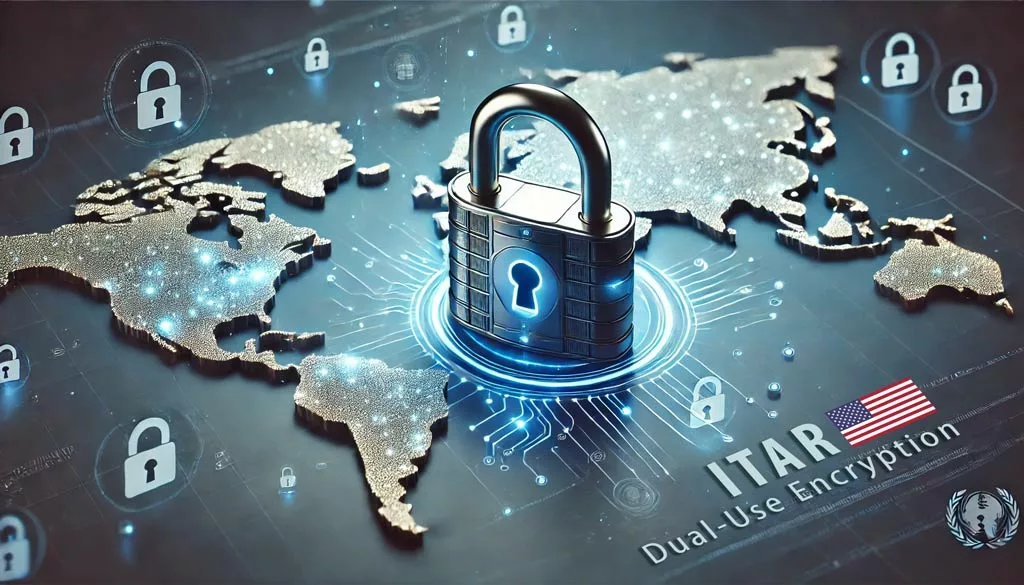
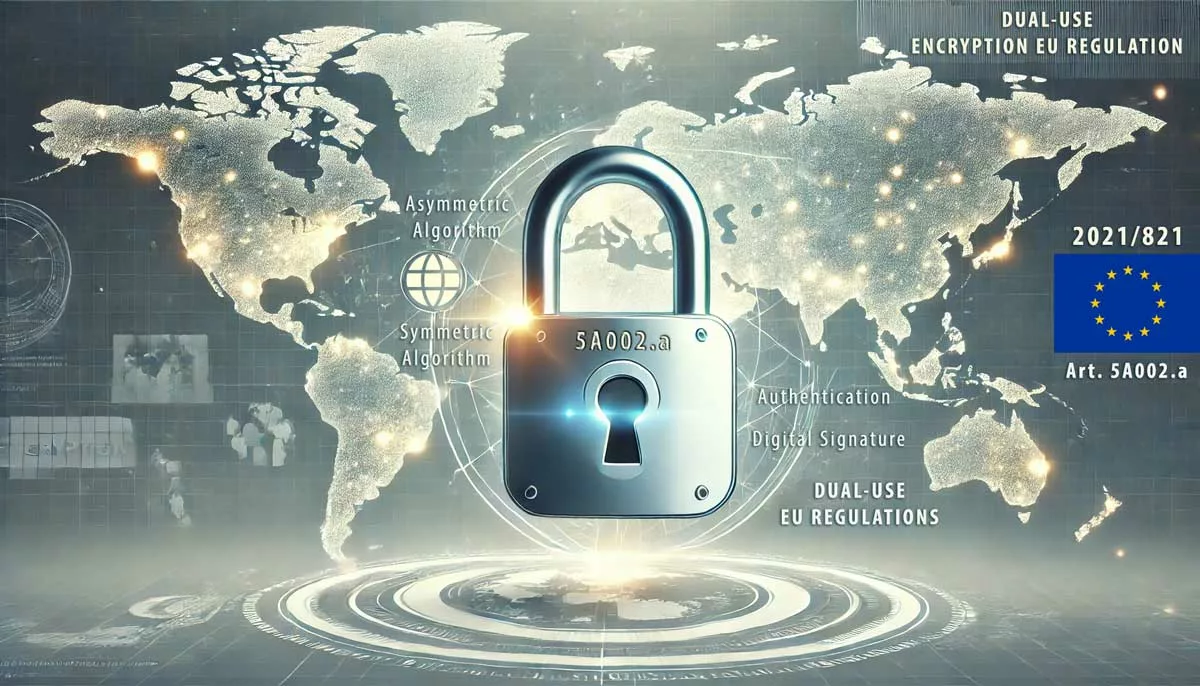
Secure digital lock over a world map representing ITAR dual-use encryption.
In this article, Jacques Gascuel provides a clear and concise overview of ITAR dual-use encryption regulations. This evolving document will be regularly updated to keep you informed about key regulatory changes and their direct impact on encryption technologies.

ITAR Dual-Use Encryption and Authentication Technologies

ITAR dual-use encryption regulations are essential for companies working with cryptography and authentication systems. The International Traffic in Arms Regulations (ITAR), administered by the U.S. Department of State, govern the export and import of encryption technologies with potential military and civilian applications. This article explores key compliance requirements, the risks of non-compliance, and the opportunities for innovation within the ITAR framework. For related insights, read our article on Encryption Dual-Use Regulation under EU Law.

2025 Cyber Doctrine Cyberculture

Uncodified UK constitution & digital sovereignty

2025 Cyberculture Cybersecurity Digital Security EviLink

CryptPeer messagerie P2P WebRTC : appels directs chiffrés de bout en bout

2025 Cyber Doctrine Cyberculture

Souveraineté individuelle numérique : fondements et tensions globales

2025 Cyberculture

Louvre Security Weaknesses — ANSSI Audit Fallout

ITAR’s Scope and Impact on Dual-Use Encryption

What is ITAR and How Does It Apply to Dual-Use Encryption?

ITAR plays a critical role in regulating dual-use encryption technologies. It controls the export of items listed on the United States Munitions List (USML), which includes certain encryption systems. These regulations apply when encryption technologies can be used for both military and civilian purposes. Therefore, companies dealing in dual-use encryption must adhere to ITAR’s stringent guidelines.

Understanding ITAR’s Dual-Use Encryption Requirements

ITAR dual-use encryption regulations demand that companies ensure their technologies do not fall into unauthorized hands. This applies to cryptographic systems with both commercial and military applications. Compliance requires a thorough understanding of ITAR’s legal framework, including the Directorate of Defense Trade Controls (DDTC). Companies must navigate these regulations carefully to avoid significant legal and financial repercussions.

ITAR’s Impact on Dual-Use Authentication Technologies

In addition to encryption, ITAR also governs certain dual-use authentication technologies. These include systems crucial for military-grade security. Companies must determine whether their authentication technologies are subject to ITAR and, if so, ensure full compliance. For a deeper understanding, refer to the Comprehensive Guide to Implementing DDTC’s ITAR Compliance Program.

Compliance with ITAR: Key Considerations for Dual-Use Encryption

ITAR Licensing Requirements for Dual-Use Encryption Technologies

Obtaining the necessary export licenses is critical for companies dealing with dual-use encryption under ITAR. The licensing process requires a detailed review of the technology to classify it under the USML. Companies must secure the correct licenses before exporting encryption products. Non-compliance with ITAR’s licensing requirements can result in severe penalties, including fines and imprisonment.

Risks of Non-Compliance with ITAR Dual-Use Encryption

Non-compliance with ITAR’s dual-use encryption regulations poses significant risks. These include hefty fines, loss of export privileges, and potential criminal charges against company executives. Moreover, non-compliance can damage a company’s reputation, particularly when seeking future contracts with government entities. Therefore, it is essential to implement robust compliance programs and regularly review them to mitigate these risks.

Enhancing Focus on Global Operations in ITAR Dual-Use Encryption Compliance

ITAR Compliance Challenges in Global Operations

ITAR dual-use encryption regulations extend beyond U.S. borders, affecting global operations. Companies with international subsidiaries or partners must navigate ITAR’s extraterritorial reach. This makes compliance challenging, especially in regions with different regulatory frameworks. For instance, a company operating in both the U.S. and Europe must align its operations with both ITAR and EU regulations.

To address these challenges, companies should establish clear global compliance guidelines. Ensuring all stakeholders across international operations understand their ITAR responsibilities is critical. This might involve providing ITAR training, conducting regular audits, and establishing communication channels for reporting and addressing ITAR-related issues. For more details on global ITAR compliance, see What is ITAR Compliance? How It Works, Best Practices & More.

Case Studies and Real-World Examples in ITAR Dual-Use Encryption

Real-World Consequences of ITAR Non-Compliance

Several companies have faced severe penalties due to ITAR violations. For example, Meggitt-USA was fined in 2017 for exporting controlled technology without the proper licensing. This resulted in a multi-million dollar settlement and significant changes to the company’s export control procedures. Similarly, Keysight Technologies was penalized in 2018 for unauthorized exports of oscilloscopes containing ITAR-controlled encryption software. The company had to implement strict internal controls and enhance its ITAR compliance program as part of the settlement.

These examples highlight the severe consequences of ITAR non-compliance. Companies must take proactive measures to ensure their technologies and exports are fully compliant with ITAR regulations to avoid similar penalties.

Expanding Innovation Opportunities

Innovation Within ITAR’s Regulatory Boundaries

ITAR’s strict controls on dual-use encryption technologies can also create opportunities for innovation. Companies that develop ITAR-compliant encryption solutions can gain a competitive advantage in the defense and commercial markets. By integrating ITAR compliance into the development process, companies can create products that are secure and exportable, thus enhancing their marketability.

Strategic Advantages of ITAR-Compliant Encryption Technologies

Developing ITAR-compliant encryption technologies offers strategic advantages, particularly in the defense and aerospace sectors. These industries require high levels of security and face rigorous regulatory scrutiny. By ensuring their products meet ITAR standards, companies can position themselves as reliable partners for government contracts and high-stakes projects. For further insights, refer to the ITAR Compliance Overview – U.S. Department of Commerce.

Addressing ITAR’s Impact on Emerging Technologies in Dual-Use Encryption

ITAR’s Influence on Emerging Cryptographic Technologies

Emerging technologies, such as quantum encryption, AI-driven authentication systems, and blockchain-based security solutions, are reshaping the field of cryptography. However, these technologies often fall under ITAR due to their potential military applications. Quantum encryption, in particular, attracts significant interest from defense agencies. Companies developing these technologies must navigate ITAR carefully to avoid breaching export controls.

Preparing for Future ITAR Challenges in Dual-Use Encryption

As new technologies continue to evolve, ITAR regulations may also adapt to address these advancements. Companies involved in cutting-edge cryptographic research and development should stay informed about potential ITAR updates that could impact their operations. By staying ahead of regulatory trends, companies can better prepare for future compliance challenges and seize new opportunities. For more information, explore the Directorate of Defense Trade Controls.

Conclusion

Navigating ITAR dual-use encryption regulations is complex but essential for companies in the cryptography field. Understanding ITAR’s requirements, securing the necessary licenses, and implementing strong compliance programs are critical steps in avoiding severe penalties. At the same time, ITAR compliance offers opportunities for innovation and market expansion, particularly in defense-related industries. By aligning strategies with ITAR’s regulations, companies can secure their operations while exploring new avenues for growth.

For more on related regulations, see our article on Encryption Dual-Use Regulation under EU Law.

Encryption Dual-Use Regulation under EU Law

Global encryption regulations symbolized by a digital lock over a world map.
Encryption dual-use regulation is explored in this article by Jacques Gascuel, offering an overview of the legal framework under EU Regulation 2021/821. This living document will be updated as new information emerges, keeping you informed about the latest regulatory changes and their impact on encryption technologies.

Understanding Encryption Dual-Use Regulation under EU Regulation 2021/821

Encryption dual-use regulation directly impacts companies working with cryptography. EU Regulation 2021/821 sets clear legal obligations for exporting encryption technologies that could be used in both military and civilian contexts. This article breaks down essential compliance requirements, highlights the risks of non-compliance, and examines opportunities for innovation.

2025 Cyber Doctrine Cyberculture

Uncodified UK constitution & digital sovereignty

2025 Cyberculture Cybersecurity Digital Security EviLink

CryptPeer messagerie P2P WebRTC : appels directs chiffrés de bout en bout

2025 Cyber Doctrine Cyberculture

Souveraineté individuelle numérique : fondements et tensions globales

2025 Cyberculture

Louvre Security Weaknesses — ANSSI Audit Fallout

Legal Framework and Key Terminology in Encryption Dual-Use Regulation

Definition of Dual-Use Encryption under EU Regulation

Under EU Regulation 2021/821, encryption technologies are classified as dual-use items due to their potential applications in both civilian and military contexts. Key terms such as “cryptography,” “asymmetric algorithm,” and “symmetric algorithm” are essential for understanding how these regulations impact your business. For example, an asymmetric algorithm like RSA involves different keys for encryption and decryption, which affects export licensing.

Importance of Asymmetric and Symmetric Algorithms in Dual-Use Regulation

Both asymmetric and symmetric algorithms are integral to information security under encryption dual-use regulation. Asymmetric algorithms like RSA are commonly used in key management, while symmetric algorithms, such as AES, ensure data confidentiality by using the same key for both encryption and decryption.

Cryptography: Principles, Exclusions, and Dual-Use Compliance

Cryptography plays a vital role in data protection by transforming information to prevent unauthorized access or modification. According to the regulation, cryptography excludes certain data compression and coding techniques, focusing instead on the transformation of data using secret parameters or cryptographic keys.

Technical Notes:

  • Secret Parameter: Refers to a constant or key not shared outside a specific group.
  • Fixed: Describes algorithms that do not accept external parameters or allow user modification.

Quantum Cryptography and Emerging Innovations in Dual-Use Regulation

Quantum cryptography is an emerging field that significantly impacts encryption dual-use regulation. By leveraging quantum properties, it allows for highly secure key sharing. However, this technology is still subject to the same stringent regulatory standards as traditional encryption methods.

Exporter Obligations: Compliance with Encryption Dual-Use Regulation and Penalties

Legal Requirements for Exporters

Under EU Regulation 2021/821, companies exporting encryption products must adhere to strict dual-use regulations. This includes obtaining an export license before transferring technologies covered by Article 5A002. Compliance involves a thorough product assessment, proper documentation, and ongoing vigilance to prevent misuse.

Risks of Non-Compliance

Failing to comply with encryption dual-use regulation can result in significant fines, legal action against company leaders, and damage to the company’s reputation. These risks highlight the importance of understanding and meeting all regulatory requirements.

Category 5, Part 2: Information Security Systems

Specifics of Systems under Article 5A002

Article 5A002 of EU Regulation 2021/821 covers a range of systems, equipment, and components critical to information security. Both asymmetric and symmetric cryptographic algorithms fall under this regulation, with specific requirements for export controls.

  • Asymmetric Algorithm: Uses different keys for encryption and decryption, critical for key management.
  • Symmetric Algorithm: Uses a single key for encryption and decryption, ensuring data security.
  • Cryptography: Involves the secure transformation of data, with specific exclusions for certain techniques.

Technical Notes and Article 5A002.a Requirements

Article 5A002.a specifies that systems designed for “cryptography for data confidentiality” must meet particular criteria, especially when employing a “described security algorithm.” This includes various information security systems, digital communication equipment, and data storage or processing devices.

Technical Notes:

  • Cryptography for Data Confidentiality: Includes cryptographic functions beyond authentication, digital signatures, or digital rights management.
  • Described Security Algorithm: Refers to symmetric algorithms with key lengths over 56 bits and asymmetric algorithms based on specific security factors, such as RSA with integer factorization.

Practical Cases and Legal Implications

Examples of Non-Compliance Penalties

Several companies have faced severe penalties for failing to adhere to encryption dual-use regulation:

  • ZTE Corporation (China) – Penalized for violating ITAR and EAR regulations, showcasing the importance of compliance with global dual-use regulations. More details on the BIS website.
  • Airbus (France) – Fined for export violations related to arms and technology, demonstrating the risks for European companies under dual-use regulation. Learn more on the AFP website.
  • Huawei Technologies (China) – Faced restrictions for violating export regulations concerning national security. Details available via the U.S. Department of Commerce press release.

Consequences and Lessons Learned

These cases highlight the significant legal and financial risks of non-compliance with encryption dual-use regulation. Companies must prioritize regulatory compliance to avoid similar outcomes.

Integration with International Regulations

Ensuring Compliance with Global Standards

EU Regulation 2021/821 must be considered alongside other international regulations, such as the International Traffic in Arms Regulations (ITAR) in the United States. Understanding how these laws interact is crucial for companies operating globally to ensure full compliance and avoid legal conflicts.

Risk Management and Opportunities

Managing the Risks of Non-Compliance

Non-compliance with encryption dual-use regulation exposes companies to severe penalties, including financial losses and restricted market access. Regular compliance audits and thorough employee training are essential to mitigate these risks and ensure adherence to regulatory standards.

Innovation and Regulatory Opportunities

Emerging technologies, such as quantum cryptography, offer new opportunities but also bring regulatory challenges. Some innovations may qualify for exemptions under certain conditions, allowing companies to explore new markets while remaining compliant with encryption dual-use regulation.

Conclusion

Adhering to EU Regulation 2021/821 is critical for companies involved in cryptography. Compliance with encryption dual-use regulation, understanding legal obligations, and exploring opportunities for innovation are key to securing your business’s future. For further insights, explore our article on dual-use encryption products.

Produit de Cyberdéfense de l’Année : Freemindtronic Finaliste aux National Cyber Awards 2024

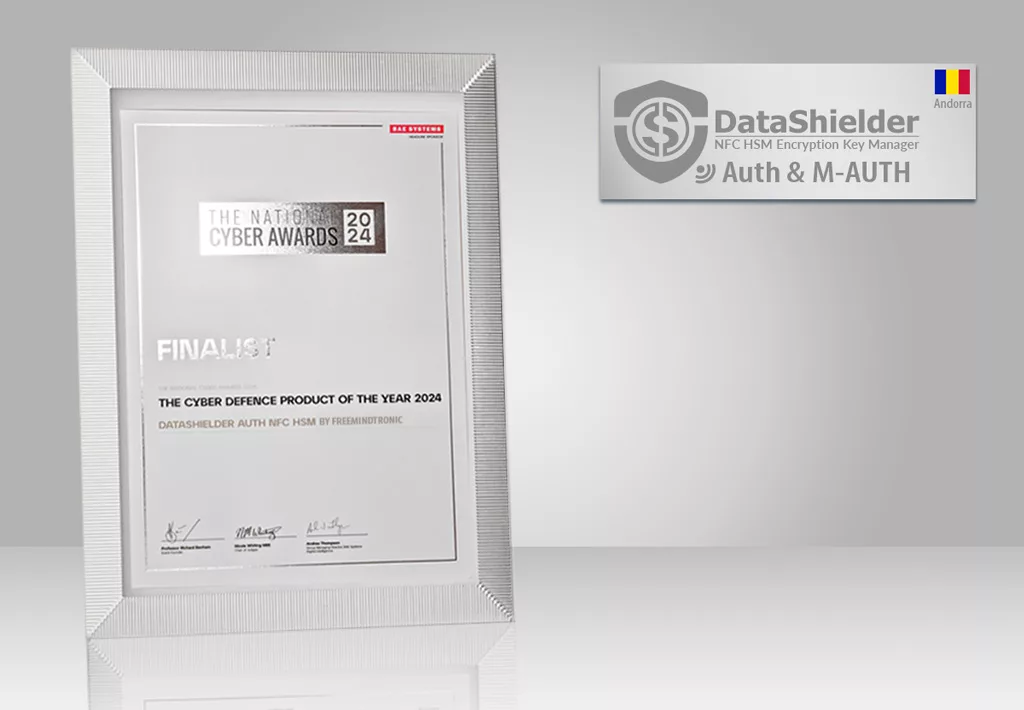
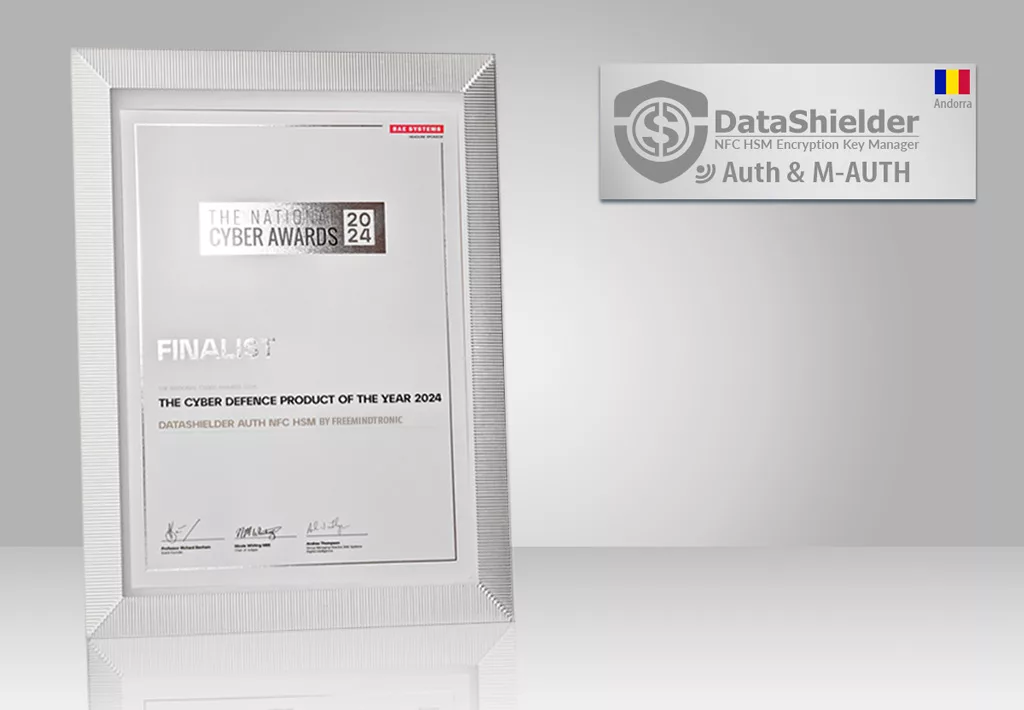
Certificat de finaliste du DataShielder Auth NFC HSM pour le Produit de Cyberdéfense de l'Année 2024 aux National Cyber Awards

COMMUNIQUÉ DE PRESSE – DataShielder Auth NFC HSM conçu en Andorre par Freemindtronic Finaliste pour le Produit de Cyberdéfense de l’Année 2024!

Les National Cyber Awards 2024 célèbrent l’excellence des produits de cyberdéfense de l’année avec BAE Systems comme sponsor principal

Escaldes-Engordany, Andorre, 5 août 2024 – Cyber Defence Product of the Year, Freemindtronic Andorra, finaliste, annonce avec fierté sa sélection pour ce prestigieux prix aux National Cyber Awards 2024. Ces prix, désormais dans leur sixième édition, honorent les contributions et les réalisations exceptionnelles dans le domaine de la cybersécurité.

Alors que les menaces numériques s’intensifient, la cybersécurité devient de plus en plus cruciale. Les cyberattaques, y compris le vol d’identité, les ordres de transfert falsifiés, le vol de données sensibles, l’espionnage industriel à distance et de proximité, ainsi que le vol d’informations sensibles sur les téléphones (comme les SMS, les mots de passe, les codes 2FA, les certificats et les clés secrètes), présentent des risques extrêmement préjudiciables pour les entreprises, les gouvernements et les individus à l’échelle mondiale. Les National Cyber Awards, reconnus comme un gage d’excellence, établissent des normes dans l’industrie. Ils sont conçus pour encourager l’innovation, la résilience et la dévotion à la protection du paysage numérique. Ils favorisent l’amélioration continue et l’adoption des meilleures pratiques à l’échelle mondiale.

Cette année, les National Cyber Awards 2024 visent à récompenser ceux qui s’engagent en faveur de l’innovation cybernétique, de la réduction de la cybercriminalité et de la protection des citoyens en ligne. Gordon Corera, le célèbre correspondant de sécurité de la BBC, apporte son immense expertise à cet événement. Il couvre des questions critiques comme le terrorisme, la cybersécurité, l’espionnage et diverses préoccupations de sécurité mondiale. Il note que l’événement de 2024 promet une célébration de l’excellence et de l’innovation au sein de l’industrie de la cybersécurité. Cela offre des perspectives uniques d’une des voix principales de la sécurité internationale.

National Cyber Awards maintient l’Intégrité et l’Équité pour tous ses trophées

Leur jury indépendant maintient l’intégrité du processus d’évaluation des National Cyber Awards en adhérant à un code de conduite strict. Cela garantit un processus d’évaluation juste, transparent et rigoureux. Ils s’engagent pour empêcher toute pratique de paiement pour concourir. Ceci est essentiel pour maintenir les normes les plus élevées d’impartialité dans leurs récompenses.

La cérémonie de remise des prix comprend des catégories telles que les Services de Police et d’Application de la Loi, le Service Public, l’Innovation et la Défense, la Cyber dans les Entreprises, l’Éducation et l’Apprentissage. Les nominés et les lauréats seront célébrés pour leur impact significatif sur la sécurisation du cyberespace contre les menaces en constante évolution.

Freemindtronic Andorre a été sélectionné par le jury comme finaliste pour le Produit de Cyberdéfense de l’Année avec notre produit, DataShielder Auth NFC HSM.

Les organisateurs de l’événement nous ont notifié:

“Nous sommes ravis de vous informer que vous avez été sélectionné par notre panel de juges comme finaliste pour le Produit de Cyberdéfense de l’Année 2024! Il s’agit d’une réalisation exceptionnelle, compte tenu des centaines de candidatures que nous avons reçues cette année. Félicitations de la part de toute l’équipe des National Cyber Awards!”

Le dirigean de Freemindtronic déclare:

“Nous nous sentons honorés et reconnaissants d’être reconnus parmi les leaders de la cybersécurité. Être finaliste valide notre engagement envers l’innovation et la protection des données sensibles et des identités numériques contre les menaces en constante évolution, désormais assistées par l’intelligence artificielle. Nous sommes très honorés et fiers d’être nommés parmi les finalistes représentant le 10e plus petit pays du monde, Andorre, en tant qu’acteur industriel de la cyberdéfense. Au nom de l’équipe de Freemindtronic et de moi-même, nous félicitons tous les autres finalistes.”

Jacques Gascuel, PDG et Chef de la Recherche et du Développement, concepteur de solutions de contre-espionnage et détenteur de brevets au Royaume-Uni, sera présent à la cérémonie d’annonce des lauréats.

Cette deuxième nomination pour notre entreprise andorrane Freemindtronic par le jury des National Cyber Awards marque un autre jalon dans la conception et la fabrication de produits de contre-espionnage d’usage civil et militaire accessibles à tous. Nous avons été précédemment reconnus en 2021 comme “Highly Commended at National Cyber Awards” et finalistes pour deux années consécutives en 2021.

Message du Premier Ministre du Royaume-Uni pour les National Cyber Awards 2024

L’Honorable Keir Starmer, Premier Ministre du Royaume-Uni, commente les prix: “Les National Cyber Awards sont une merveilleuse façon de récompenser, de célébrer et de mettre en valeur le travail de ceux qui s’engagent à nous protéger. Veuillez transmettre mes plus chaleureuses félicitations aux lauréats qui sont une source d’inspiration pour tous ceux du secteur qui souhaitent protéger les autres.”

Les National Cyber Awards auront lieu à Londres le 23 septembre, la veille de l’Expo Cybernétique Internationale annuelle.

Les organisateurs félicitent tous les autres finalistes et attendent avec impatience de célébrer cet événement international avec nous le 23 septembre lors de la cérémonie de remise des prix! Si vous souhaitez vous joindre à nous pour une soirée de célébration et d’excitation, vous pouvez acheter des billets et des tables pour l’événement via le site web à l’adresse www.thenationalcyberawards.org.

Notes aux Rédacteurs

Qu’est-ce que les National Cyber Awards?

Les National Cyber Awards ont débuté en 2019 dans le but de célébrer l’excellence et l’innovation parmi ceux qui se consacrent à la cybersécurité. En effet, ces prix mettent en lumière les réalisations exceptionnelles de professionnels, d’entreprises et d’éducateurs des secteurs privé et public. D’ailleurs, des leaders de l’industrie, passionnés par l’élévation du domaine de la cybersécurité, ont conçu ces prix. Ainsi, ils reconnaissent et inspirent l’engagement à relever les défis en constante évolution de la cybersécurité.

En ce qui concerne leur mission, elle est d’identifier et de célébrer les contributions exceptionnelles dans le domaine. En outre, nous aspirons à fournir un critère d’excellence auquel tout le monde peut aspirer. De plus, nous envisageons un avenir où chaque innovation en cybersécurité internationale est reconnue et célébrée. Cette reconnaissance encourage l’amélioration continue et l’adoption des meilleures pratiques à l’échelle mondiale. Grâce au soutien de nos sponsors, la participation aux prix reste gratuite. En conséquence, chaque finaliste reçoit un billet gratuit pour la cérémonie, minimisant les barrières à l’entrée et rendant la participation accessible à tous.

http://www.thenationalcyberawards.org

Contact: Future Tech Events, Fergus Bruce, info@futuretechevents.com

Finalistes 2024 pour les National Cyber Awards dans la catégorie “Produit de Cyberdéfense de l’Année 2024”

Résumé du Candidat

  • Produit: DataShielder Auth NFC HSM
  • Catégorie: Produit de Cyberdéfense de l’Année 2024
  • Nom: Jacques Gascuel
  • Entreprise: Freemindtronic
  • Courriel: contact at freemindtronic.com
  • Biographie de l’Entreprise: Freemindtronic se distingue par sa spécialisation dans la conception, l’édition et la fabrication de solutions de contre-espionnage. En effet, notre dernière innovation, le DataShielder Auth NFC HSM, sert de solution de contre-espionnage à double usage pour les applications civiles et militaires. Notamment, nous avons présenté cette solution pour la première fois au public le 17 juin 2024 à Eurosatory 2024. Plus précisément, elle combat activement le vol d’identité, l’espionnage et l’accès aux données et messages sensibles et classifiés grâce au chiffrement post-quantum AES 256 CBC. De surcroît, elle fonctionne hors ligne, sans serveurs, sans bases de données, et sans nécessiter que les utilisateurs s’identifient ou changent leurs habitudes de stockage de données sensibles, de services de messagerie ou de protocoles de communication, tout en évitant les coûts d’infrastructure. C’est pourquoi nous avons spécialement conçu le DataShielder Auth NFC HSM pour combiner sécurité et discrétion. Concrètement, il se présente sous deux formes pratiques : une carte de la taille d’une carte de crédit et une étiquette NFC discrète. D’une part, la carte se glisse facilement dans un portefeuille, à côté de vos cartes bancaires NFC, et protège physiquement contre l’accès illicite. D’autre part, vous pouvez attacher l’étiquette NFC, similaire à un badge d’accès RFID, à un porte-clés ou la cacher dans un objet personnel. Ainsi, cette approche garantit que vous ayez toujours votre DataShielder Auth NFC HSM à portée de main, prêt à sécuriser vos communications, authentifier les collaborateurs et valider les donneurs d’ordres, le tout sans attirer l’attention.

Caractéristiques Additionnelles du Produit

  • Compatibilité avec Divers Systèmes de Communication: DataShielder Auth NFC HSM est compatible avec plusieurs systèmes de communication, y compris les e-mails, les chats, les webmails, les SMS, les MMS, les RCS et les services de messagerie instantanée publics et privés. Cette compatibilité universelle permet une intégration parfaite dans les environnements de communication existants. Cela assure une protection continue sans modifications significatives de l’infrastructure.
  • Protection Contre les Attaques Assistées par IA: DataShielder Auth NFC HSM fournit une protection avancée contre les attaques sophistiquées assistées par IA. Avec un chiffrement robuste et une authentification forte, le produit élimine les risques posés par les tentatives de vol d’identité utilisant des techniques avancées d’ingénierie sociale. Ainsi, il assure une sécurité améliorée pour les utilisateurs.
  • Méthodes de Gestion des Clés: Le produit utilise des modules de sécurité matériels dotés de la technologie NFC pour créer et gérer les clés de manière sécurisée. Les dispositifs DataShielder stockent de manière sécurisée les clés de chiffrement générées aléatoirement. Le système fonctionne sans serveurs ni bases de données. Cela offre un anonymat de bout en bout et réduit significativement les points potentiels de vulnérabilité.

Les produits DataShielder NFC HSM sont disponibles exclusivement en France à travers AMG Pro et internationalement à travers Fullsecure Andorra.

Nous remercions tous les membres du jury pour l’intérêt qu’ils ont montré envers notre dernier produit révolutionnaire, le DataShielder NFC HSM.

Jury des National Cyber Awards

  • Mary Haigh: CISO, BAE Systems
  • Rachael Muldoon: Avocate, Maitland Chambers
  • Shariff Gardner: Chef de la Défense, Militaire et Application de la Loi, Royaume-Uni, Irlande et Pays Nordiques, SANS Institute
  • Damon Hayes: Commandant Régional, National Crime Agency
  • Miriam Howe: Responsable de la Consultation Internationale, BAE Systems Digital Intelligence
  • Myles Stacey OBE: Conseiller Spécial du Premier Ministre, 10 Downing Street
  • Daniel Patefield: Chef de Programme, Cyber & National Security, techUK
  • Sir Dermot Turing: Administrateur, Bletchley Park Trust
  • Nicola Whiting MBE: Présidente du Jury
  • Oz Alashe MBE: PDG et Fondateur, CybSafe
  • Professeure Liz Bacon: Principale et Vice-Chancelière, Université d’Abertay
  • Richard Beck: Directeur de la Cybersécurité, QA
  • Martin Borret: Directeur Technique, IBM Security
  • Bronwyn Boyle: CISO, PPRO
  • Charlotte Clayson: Associée, Trowers & Hamlins LLP
  • Pete Cooper: Fondateur, Aerospace Village
  • Professeur Danny Dresner: Professeur de Cybersécurité, Université de Manchester
  • Ian Dyson QPM DL: Police de la Ville de Londres
  • Mike Fell OBE: Directeur de la Cybersécurité, NHS England
  • Tukeer Hussain: Responsable de la Stratégie, Département de la Culture, des Médias et des Sports
  • Dr Bob Nowill: Président, Cyber Security Challenge
  • Chris Parker MBE: Directeur, Gouvernement, Fortinet (Cybersécurité)
  • Dr Emma Philpott MBE: PDG, IASME Consortium Ltd
  • Peter Stuart Smith: Auteur
  • Rajinder Tumber MBE: Chef de l’Équipe de Consultance en Sécurité, Sky
  • Saba Ahmed: Directrice Générale, Accenture Security
  • Charles White: Directeur, The Cyber Scheme
  • Professeure Lisa Short: Areta Business Performance / XTCC
  • Emma Wright: Associée, Harbottle & Lewis LLP
  • Dr Budgie Dhanda MBE: Consultant en Gestion, PA Consulting
  • Jacqui Garrad: Directrice du Musée National de l’Informatique
  • Dr Vasileios Karagiannopoulos: Codirecteur du Centre de Cybercriminalité et Criminalité Économique, Université de Portsmouth
  • Debbie Tunstall: Directrice de Compte, Immersive Labs
  • Sarah Montague: HMRC

Découvrez nos autres distinctions, y compris notre reconnaissance en tant que finaliste en solution de Cyberdéfense de l’Année 2024, aux côtés de nos trophées et des médailles d’argent et d’or que nous avons remportées au cours de la dernière décennie. 🏆🌟👇

PassCypher finalista Intersec Awards 2026: gestor offline

PassCypher finalista Intersec Awards 2026 — Gestor sense contrasenya resistent a [...]

2 Comments

PassCypher Finaliste Intersec Awards 2026 — Souveraineté validée

PassCypher Finaliste officiel des Intersec Awards 2026 dans la catégorie “Best [...]

3 Comments

Quantum-Resistant Passwordless Manager — PassCypher finalist, Intersec Awards 2026 (FIDO-free, RAM-only)

Quantum-Resistant Passwordless Manager 2026 (QRPM) — Best Cybersecurity Solution Finalist by [...]

4 Comments

NEWS PROVIDED BY
The National Cyber ​​Awards 2024
August 2024

Autres langues disponibles : catalan et anglais. [Cliquez ici pour le catalan] [Cliquez ici pour l’anglais]

SHARE THIS ARTICLE

Cyber Defence Product of the Year: Freemindtronic Finalist at National Cyber Awards 2024

DataShielder Auth NFC HSM by Freemindtronic – Finalist for Cyber Defence Product of the Year 2024

PRESS RELEASE – DataShielder Auth NFC HSM Made in Andorra by Freemindtronic Finalist for Cyber Defence Product of the Year 2024!

Escaldes-Engordany, Andorra, August 5, 2024 – Freemindtronic Andorra proudly announces that its DataShielder Auth NFC HSM has been selected as a finalist for the prestigious Cyber Defence Product of the Year award at the National Cyber Awards 2024. This highly regarded event, sponsored by BAE Systems, celebrates excellence in cybersecurity and innovation.

As digital threats continue to evolve, the importance of cybersecurity cannot be overstated. Cyber attacks such as identity theft, false transfer orders, theft of sensitive data, remote and proximity industrial espionage, and the interception of sensitive information from devices pose significant risks to businesses, governments, and individuals. The National Cyber Awards, recognized for their rigorous standards, aim to promote innovation, resilience, and best practices worldwide in the fight against these ever-growing threats.

A Notable Presence at the National Cyber Awards 2024

Freemindtronic’s CEO, Jacques Gascuel, attended the awards ceremony in London, proudly representing Andorra, one of the smallest countries in the world. Freemindtronic was honored to receive the Silver Certificate as a finalist in the Innovation & Defence category. The company was also thrilled to witness Lisa Ventura MBE, founder of Cyber Security Unity, receive the Highly Commended distinction.

Freemindtronic was the only foreign company to be named a finalist in the UK’s prestigious National Cyber Awards. “We are proud to represent Andorra on the global stage,” said Jacques Gascuel, who also had the honor of gifting The Cyber Trust organizers a NFC vCard DataShielder collector, designed specifically with the logo and robot of the National Cyber Awards 2024. Photos from this moment can be found in the official gallery.

CEO’s Statement:
“We look forward to competing again next year with our upcoming 2025 innovation. I want to thank the organizers for their warm welcome and congratulate all the finalists.”

DataShielder Auth NFC HSM: Among the Top Finalists

Freemindtronic’s DataShielder Auth NFC HSM was selected as a finalist due to its advanced capabilities in safeguarding against identity theft, sensitive data breaches, and industrial espionage. Utilizing AES-256 CBC post-quantum encryption, the device ensures optimal security and operates entirely offline, without the need for servers or databases.

A Special Conversation with Industry Experts

During the event, an insightful discussion took place between Jacques Gascuel, Graham Day of Genesys, and Lisa Ventura (who received the prestigious award). They discussed PassCypher HSM PGP Free, Freemindtronic’s free password manager. Graham Day pointed out that a password manager offering such advanced and comprehensive security for free might be met with skepticism by users, who may find it hard to believe such a solution could truly be free. However, the idea of allowing donations to support its development was seen as a more acceptable approach. They also discussed the paid version of PassCypher HSM PGP, which offers fully automated services with a patented segmented encryption system, sparking conversation about potential partnerships.

Message from the Prime Minister of the United Kingdom

The Prime Minister of the United Kingdom, the Right Honorable Keir Starmer, expressed his support for the National Cyber Awards:
“The National Cyber Awards are a wonderful way to reward, celebrate, and showcase the work of those committed to keeping us safe. Please pass on my warmest congratulations to the winners who are an inspiration to everyone in the sector.”

About the National Cyber Awards

The National Cyber Awards were established in 2019 to celebrate excellence and innovation in cybersecurity. They honor exceptional achievements in both the public and private sectors. These awards highlight the continuous efforts of professionals and organizations dedicated to addressing the ever-changing challenges of cybersecurity.

Innovation and Security with DataShielder Auth NFC HSM – A Finalist for Cyber Defence Product of the Year

The DataShielder Auth NFC HSM provides advanced protection against sophisticated AI-assisted attacks, making it a leader in the fight against digital identity theft and data espionage. Compatible with a variety of communication systems (including emails, SMS, MMS, RCS, and private messaging platforms), this device ensures seamless integration into existing infrastructures while offering robust security.

Freemindtronic’s dedication to privacy and security has been recognized for a second time by the National Cyber Awards. This latest achievement builds upon the company’s previous recognition as a Highly Commended finalist in 2021. The DataShielder Auth NFC HSM remains a dual-use solution for both civilian and military applications.

For more information, visit the official National Cyber Awards 2024 gallery to see Jacques Gascuel showcasing the DataShielder NFC HSM Defense and DataShielder NFC HSM Auth products.

Notes to Editors

What are The National Cyber Awards?

The National Cyber Awards began in 2019 to celebrate excellence and innovation among those dedicated to cybersecurity. These awards highlight the exceptional achievements of professionals, companies, and educators from both the private and public sectors. Industry leaders, passionate about elevating the field of cybersecurity, envisioned these awards. They recognize and inspire commitment to tackling the ever-evolving challenges of cybersecurity.

Our mission is to identify and celebrate outstanding contributions in the field. We aim to provide a benchmark of excellence for everyone to aspire to. We envision a future where every international cybersecurity innovation is recognized and celebrated. This recognition encourages continuous improvement and the adoption of best practices worldwide. With support from our sponsors, participation in the awards remains free. Each finalist receives a complimentary ticket to the ceremony, minimizing barriers to entry and making participation accessible to all.

http://www.thenationalcyberawards.org

Contact: Future Tech Events, Fergus Bruce, info@futuretechevents.com

2024 Finalists for The National Cyber Awards in the Category “Cyber Defence Product of the Year 2024”

Candidate Summary

  • Product: DataShielder Auth NFC HSM
  • Category: Cyber Defence Product of the Year 2024
  • Name: Jacques Gascuel
  • Company: Freemindtronic
  • Email: contact@freemindtronic.com
  • Company Bio: Freemindtronic specializes in designing, publishing, and manufacturing counter-espionage solutions. Our latest innovation, the DataShielder Auth NFC HSM, serves as a dual-use counter-espionage solution for both civilian and military applications. We first presented this solution to the public on June 17, 2024, at Eurosatory 2024. It actively combats identity theft, espionage, and access to sensitive and classified data and messages through AES 256 CBC post-quantum encryption. Furthermore, it operates offline, without servers, without databases, and without needing users to identify themselves or change their habits of storing sensitive data, messaging services, or communication protocols, all while avoiding infrastructure costs.

Additional Product Features

  • Compatibility with Various Communication Systems: DataShielder Auth NFC HSM supports multiple communication systems, including emails, chats, webmails, SMS, MMS, RCS, and both public and private instant messaging services. This universal compatibility allows seamless integration into existing communication environments, ensuring continuous protection without significant infrastructure changes.
  • Protection Against AI-Assisted Attacks: DataShielder Auth NFC HSM provides advanced protection against sophisticated AI-assisted attacks. With robust encryption and strong authentication, the product eliminates risks posed by identity theft attempts using advanced social engineering techniques, ensuring enhanced security for users.
  • Key Management Methods: The product utilizes hardware security modules with NFC technology to securely create and manage keys. The DataShielder devices securely store the randomly generated encryption keys. The system operates without servers or databases, offering end-to-end anonymity and significantly reducing potential points of vulnerability.

DataShielder NFC HSM products are exclusively available in France through AMG Pro and internationally through Fullsecure Andorra.

We thank all the members of the jury for their interest in our latest revolutionary product, the DataShielder NFC HSM.

Judges – The National Cyber Awards

  • Mary Haigh: CISO, BAE Systems
  • Rachael Muldoon: Barrister, Maitland Chambers
  • Shariff Gardner: Head of Defence, Military and Law Enforcement, UK, Ireland & Nordics, SANS Institute
  • Damon Hayes: Regional Commander, National Crime Agency
  • Miriam Howe: Head of International Consulting, BAE Systems Digital Intelligence
  • Myles Stacey OBE: Special Adviser to the Prime Minister, 10 Downing Street
  • Daniel Patefield: Head of Programme, Cyber & National Security, techUK
  • Sir Dermot Turing: Trustee, Bletchley Park Trust
  • Nicola Whiting MBE: Chair of Judges
  • Oz Alashe MBE: CEO & Founder, CybSafe
  • Professor Liz Bacon: Principal & Vice-Chancellor, Abertay University
  • Richard Beck: Director of Cyber, QA
  • Martin Borret: Technical Director, IBM Security
  • Bronwyn Boyle: CISO, PPRO
  • Charlotte Clayson: Partner, Trowers & Hamlins LLP
  • Pete Cooper: Founder, Aerospace Village
  • Professor Danny Dresner: Professor of Cyber Security, University of Manchester
  • Ian Dyson QPM DL: City of London Police
  • Mike Fell OBE: Director of Cyber, NHS England
  • Tukeer Hussain: Strategy Manager, Department for Culture, Media & Sport
  • Dr Bob Nowill: Chair, Cyber Security Challenge
  • Chris Parker MBE: Director, Government, Fortinet (Cybersecurity)
  • Dr Emma Philpott MBE: CEO, IASME Consortium Ltd
  • Peter Stuart Smith: Author
  • Rajinder Tumber MBE: Security Consultancy Team Lead, Sky
  • Saba Ahmed: Managing Director, Accenture Security
  • Charles White: Director, The Cyber Scheme
  • Professor Lisa Short: Areta Business Performance / XTCC
  • Emma Wright: Partner, Harbottle & Lewis LLP
  • Dr Budgie Dhanda MBE: Managing Consultant, PA Consulting
  • Jacqui Garrad: Museum Director, The National Museum of Computing
  • Dr Vasileios Karagiannopoulos: Co-Director of Centre for Cybercrime and Economic Crime, University of Portsmouth
  • Debbie Tunstall: Account Director, Immersive Labs
  • Sarah Montague: HMRC

Explore our additional accolades, including the Cyber Defence Product of the Year finalist recognition, alongside our trophies and the silver and gold medals we’ve earned over the past decade. 🏆🌟👇

PassCypher finalista Intersec Awards 2026: gestor offline

PassCypher finalista Intersec Awards 2026 — Gestor sense contrasenya resistent a [...]

2 Comments

PassCypher Finaliste Intersec Awards 2026 — Souveraineté validée

PassCypher Finaliste officiel des Intersec Awards 2026 dans la catégorie “Best [...]

3 Comments

Quantum-Resistant Passwordless Manager — PassCypher finalist, Intersec Awards 2026 (FIDO-free, RAM-only)

Quantum-Resistant Passwordless Manager 2026 (QRPM) — Best Cybersecurity Solution Finalist by [...]

4 Comments

NEWS PROVIDED BY
The National Cyber ​​Awards 2024
August 2024

Other languages available: French and Catalan. [Click here for French] [Click here for Catalan]

SHARE THIS ARTICLE

End-to-End Messaging Encryption Regulation – A European Issue

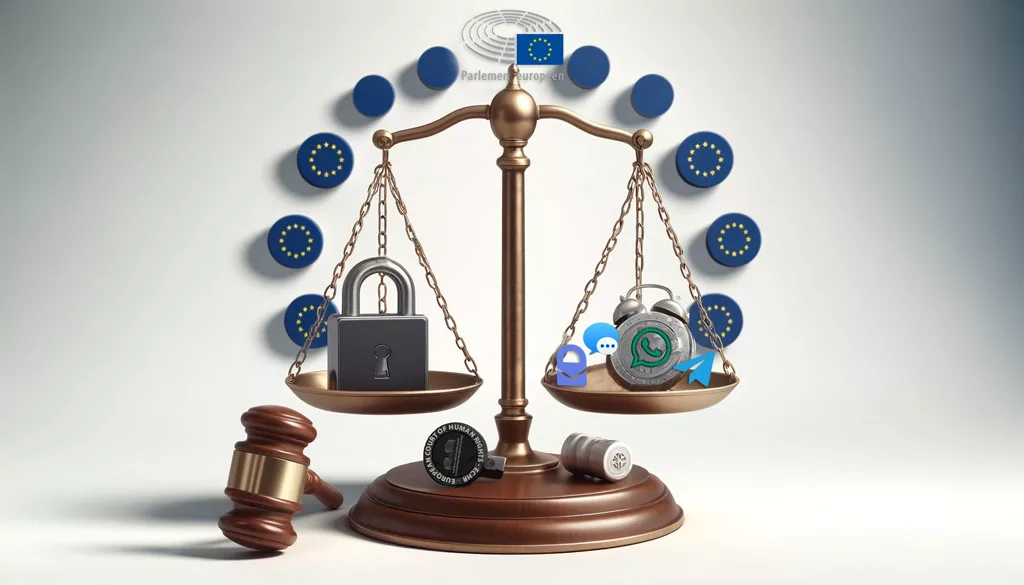
Balance scale showing the balance between privacy and law enforcement in EU regulation of end-to-end encrypted messaging.

The Controversy of End-to-End Messaging Encryption in the European Union

In a world where online privacy is increasingly threatened, the European Union finds itself at the center of a controversy: Reducing the negative effects of end-to-end encryption of messaging services. This technology, which ensures that only the sender and recipient can read the content of messages, is now being questioned by some EU member states.

2025 Cyber Doctrine Cyberculture

Uncodified UK constitution & digital sovereignty

2025 Cyberculture Cybersecurity Digital Security EviLink

CryptPeer messagerie P2P WebRTC : appels directs chiffrés de bout en bout

2025 Cyber Doctrine Cyberculture

Souveraineté individuelle numérique : fondements et tensions globales

2025 Cyberculture

Louvre Security Weaknesses — ANSSI Audit Fallout

Stay informed with our posts dedicated to Cyberculture to track its evolution through our regularly updated topics.

Discover our new Cyberculture article about a End-to-End Messaging Encryption European Regulation. Authored by Jacques Gascuel, a pioneer in Contactless, Serverless, Databaseless, Loginless and wireless security solutions. Stay informed and safe by subscribing to our regular updates.

Regulation of Secure Communication in the EU

The European Union is considering measures to regulate secure messaging practices. This technology ensures that only the sender and recipient can read the messages. However, some EU member states are questioning its impact on law enforcement capabilities

Control of Secure Messaging and Fragmentation

If the EU adopts these proposals, it could fragment the digital landscape. Tech companies might need to choose between complying with EU regulations or limiting their encrypted messaging services to users outside the EU. This could negatively affect European users by reducing their access to secure communication tools.

Why the EU Considers End-to-End Messaging Encryption Control

Law enforcement agencies across 32 European states, including the 27 EU member states, are expressing concerns over the deployment of end-to-end encryption by instant messaging apps. Their fear is that this could hinder the detection of illegal activities, as companies are unable to monitor the content of encrypted messages. This concern is one of the key reasons why the EU is considering implementing control over end-to-end message encryption.

Exploring the Details of the Proposed Regulation on Encrypted Messaging

EU Commissioner for Home Affairs, Ylva Johansson, has put forward a proposal that could significantly impact the tech industry. This proposal actively seeks to mandate tech companies to conduct thorough scans of their platforms, extending even to users’ private messages, in an effort to detect any illicit content.

However, this proposal has not been without controversy. It has sown seeds of confusion and concern among cryptographers and privacy advocates alike, primarily due to the potential implications it could have on secure messaging. The balance between ensuring security and preserving privacy remains a complex and ongoing debate in the face of this proposed regulation.

Background of the EU Proposal on Secure Messaging

A significant amount of support can be found among member states for proposals to scan private messages for illegal content, particularly child pornography, as shown in a European Council document. Spain has shown strong support for the ban on end-to-end messaging encryption.

Misunderstanding the Scan Form

Out of the 20 EU countries represented in the document, the majority have declared themselves in favor of some form of scanning encrypted messages. This proposal has caused confusion among cryptographers and privacy advocates due to its potential impact on secure communication protocols.

The Risks of Ending End-to-End Messaging Encryption

Privacy advocates and cryptography experts warn against the inherent risks of weakening encryption. They emphasize that backdoors could be exploited by malicious actors, thus increasing user vulnerability to cyberattacks.

Position of the European Court of Human Rights (ECHR) on Secure Messaging

The European Court of Human Rights (ECHR) has taken a stance on end-to-end messaging encryption. In a ruling dated February 13, the ECHR declared that creating backdoors in end-to-end encrypted messaging services like Telegram and Signal would violate fundamental human rights such as freedom of expression and privacy. This ruling highlights the importance of end-to-end messaging encryption as a tool for protecting privacy and freedom of expression within the context of human rights in Europe.

Messaging Apps’ Stance on End-to-End Encryption Regulation

As the European Union considers implementing control over end-to-end message encryption, several messaging apps have voiced their concerns and positions. Here are the views of major players in the field:

Signal’s Position on End-to-End Messaging Encryption Regulation

Signal, a secure messaging app known for its commitment to privacy, has taken a strong stance against the proposed regulation. Meredith Whittaker, president of Signal, has described the European legislative proposal as “surveillance wine in security bottles.” In the face of this legislative proposal, Signal has even threatened to cease its activities in Europe. Despite this, Whittaker affirmed that the company would stay in Europe to support the right to privacy of European citizens.

WhatsApp’s Concerns on End-to-End Messaging Encryption Regulation

WhatsApp, another major player in the messaging app field, has also expressed concerns about the proposed regulation. Helen Charles, a public affairs representative for WhatsApp, expressed “concerns regarding the implementation” of such a solution at a seminar. She stated, “We believe that any request to analyze content in an encrypted messaging service could harm fundamental rights.” Charles advocates for the use of other techniques, such as user reporting and monitoring internet traffic, to detect suspicious behavior.

Twitter’s Consideration of End-to-End Messaging Encryption

In 2022, Elon Musk discussed the possibility of integrating end-to-end encryption into Twitter’s messaging. He stated, “I should not be able to access anyone’s private messages, even if someone put a gun to my head” and “Twitter’s private messages should be end-to-end encrypted like Signal, so that no one can spy on or hack your messages.”

Mailfence’s Emphasis on End-to-End Encryption

Mailfence, a secure email service, has declared that end-to-end encryption plays a crucial role in setting up secure messaging. They believe it’s extremely important to protect online privacy.

Meta’s Deployment of End-to-End Encryption

Meta (formerly Facebook) recently deployed end-to-end encryption by default for Messenger conversations. This means that only the sender and recipient can access the content of the messages, with Meta being unable to view them.

Other Messaging Apps’ Views on End-to-End Encryption

Other messaging apps have also expressed their views on end-to-end encryption:

Europol’s View

The heads of European police, including Europol, have expressed their need for legal access to private messages. They have emphasized that tech companies should be able to analyze these messages to protect users. Europol’s director, Catherine De Bolle, even stated, “Our homes are becoming more dangerous than our streets as crime spreads online. To ensure the safety of our society and our citizens, we need this digital environment to be secure. Tech companies have a social responsibility to develop a safer environment where law enforcement and justice can do their job. If the police lose the ability to collect evidence, our society will not be able to prevent people from becoming victims of criminal acts”.

Slack’s View

Slack, a business communication platform, has emphasized the importance of end-to-end encryption in preserving the confidentiality of communications and ensuring business security.

Google’s View

Google Messages uses end-to-end encryption to prevent unauthorized interception of messages. Encryption ensures that only legitimate recipients can access the exchanged messages, preventing malicious third parties from intercepting or reading conversations.

Legislative Amendments on End-to-End Messaging Encryption

Several proposed amendments related to end-to-end messaging encryption include:

Encryption, especially end-to-end, is becoming an essential tool for securing the confidentiality of all users’ communications, including those of children. Any restrictions or infringements on end-to-end encryption can potentially be exploited by malicious third parties. No provision of this regulation should be construed as prohibiting, weakening, or compromising end-to-end encryption. Information society service providers should not face any barriers in offering their services using the highest encryption standards, as this encryption is crucial for trust and security in digital services.

The regulation permits service providers to select the technologies they employ to comply with detection orders. It should not be interpreted as either encouraging or discouraging the use of a specific technology, as long as the technologies and accompanying measures adhere to the requirements of this regulation. This includes the use of end-to-end encryption technology, a vital tool for ensuring the security and confidentiality of users’ communications, including those of children.

When implementing the detection order, providers should employ all available safeguards to ensure that the technologies they use cannot be exploited by them, their employees, or third parties for purposes other than compliance with this regulation. This helps to avoid compromising the security and confidentiality of users’ communications while ensuring the effective detection of child sexual abuse material and balancing all fundamental rights involved. In this context, providers should establish effective internal procedures and safeguards to prevent general surveillance. Detection orders should not apply to end-to-end encryption.

Advantages and Disadvantages of End-to-End Messaging Encryption

Advantages:

  • Privacy: End-to-end messaging encryption protects users’ privacy by ensuring that only the participants in the conversation can read the messages.
  • Security: Even if data is intercepted, it remains unintelligible to unauthorized parties.

Disadvantages:

  • Limitation of Detection of Illegal Activities: Law enforcement agencies fear that end-to-end messaging encryption hinders their ability to fight the most heinous crimes, as it prevents companies from regulating illegal activities on their platforms.

Technical Implications of Backdoors in End-to-End Messaging Encryption

The introduction of backdoors in encryption systems presents significant technical implications. A backdoor is a covert mechanism deliberately introduced into a computer system that allows bypassing standard authentication processes. It can reside in the core of a software’s source code, at the firmware level of a device, or be rooted in communication protocols. Backdoors can be exploited by malicious actors, increasing user vulnerability to cyberattacks. Detecting backdoors requires constant technological vigilance and rigorous system analysis.

Implications of New Cryptographic Technologies for Content Moderation

Innovation in cryptography is paving the way for new methods that allow effective content moderation while preserving end-to-end messaging encryption. Recent research is delving into advanced cryptographic technologies that empower platforms to detect and moderate problematic content without compromising communication privacy. These technologies, often rooted in artificial intelligence and natural language processing, have the capability to analyze metadata and behavior patterns to identify illicit content. For instance, the EU’s Digital Services Act (DSA) is aiming to make platform recommendation algorithms transparent and regulate online content moderation more effectively.

This could encompass systems that assess the context and frequency of messages to detect abuses without decrypting the content itself. Moreover, solutions like AI-based content moderation offer substantial advantages for managing online reputation, delivering faster and more consistent responses than manual moderation. These systems can be trained to recognize specific patterns of hate speech or terrorist content, enabling swift intervention while respecting user privacy. The integration of these innovations into messaging platforms could potentially resolve the dilemma between public safety and privacy protection. It provides authorities with the necessary tools to combat crime without infringing on individuals’ fundamental rights to communication privacy.

Potential Impact of This Technology on End-to-End Messaging Encryption of Messaging Services

Adopting these new cryptographic technologies represents a major advance in how we view online security and privacy. They offer considerable potential for improving content moderation while preserving end-to-end messaging encryption, ensuring a safer internet while protecting human rights in the digital age. These innovations could play a key role in implementing European regulations on end-to-end messaging encryption, balancing security needs with respect for privacy.

Messaging Services Affected by European Legislation

Among the popular messaging applications that use end-to-end messaging encryption available in Europe are:

  • Signal: A secure messaging application that uses end-to-end encryption. It ensures that only the sender and recipient can access message content, even when data is in transit on the network.
  • WhatsApp: Adopted end-to-end encryption in 2016. It ensures that messages are encrypted at the sender’s device and only decrypted at the recipient’s device.
  • Messenger: Meta (formerly Facebook) plans to generalize end-to-end encryption on Messenger by 2024.
  • Telegram: Uses end-to-end encryption for specific features, such as Secret Chats, ensuring message privacy between the sender and recipient.
  • iMessage: Apple’s messaging service uses end-to-end encryption for messages sent between Apple devices.
  • Viber: Another messaging app that uses end-to-end encryption to secure messages between users.
  • Threema: A secure messaging app that employs end-to-end encryption for all communications, providing high privacy standards.
  • Wire: Offers end-to-end encryption for messages, calls, and shared files, focusing on both personal and business communication.
  • Wickr: Provides end-to-end encryption for messaging and is known for its strong security features.
  • Dust: Emphasizes user privacy with end-to-end encryption and self-destructing messages.
  • ChatSecure: An open-source messaging app offering end-to-end encryption over XMPP with OTR encryption.
  • Element (formerly Riot): A secure messaging app built on the Matrix protocol, providing end-to-end encryption for all communications.
  • Keybase: Combines secure messaging with file sharing and team communication, all protected by end-to-end encryption.

Balancing Security and Privacy

The debate over end-to-end messaging encryption highlights the difficulty of finding a balance between security and privacy in the digital age. On the one hand, law enforcement agencies need effective tools to fight crime and terrorism. On the other hand, citizens have the fundamental right to privacy and the protection of their communications.

Alternatives to Weakened End-to-End Messaging Encryption?

It is crucial to explore alternatives that address law enforcement’s public safety concerns without compromising users’ privacy. Possible solutions include developing better digital investigation techniques, improving international cooperation between law enforcement agencies, and raising public awareness about online dangers.

Navigating Encryption: Security and Regulatory Impediments

Limitations and Challenges of Advanced Cryptographic Technologies

Hardware security modules (HSMs), such as PGP, actively enhance messaging and file encryption security. Similarly, Near Field Communication (NFC) hardware security modules, like DataShielder, significantly bolster protection. Yet, we must confront the significant limitations that regulations introduce; these aim to curtail the protection of both private and corporate data. By encrypting data before transmission, these solutions robustly defend against interception and unauthorized access, whether legal or otherwise. Additionally, this technology stands resilient to AI-driven content moderation filters. In particular, this pertains to messages and files that systems like DataShielder encrypt externally; subsequently, these services are employed for communication.

Ineffectiveness of AI-Based Moderation Filters

Content moderation systems relying on artificial intelligence face a major obstacle: they cannot decrypt and analyze content protected by advanced encryption methods. As a result, despite advances in AI and natural language processing, these filters become inoperative when confronted with messages or files encrypted via HSM PGP or NFC HSM.

Consequences for Security and Privacy

This limitation raises important questions about platforms’ ability to detect and prevent the spread of illicit content while respecting user privacy. It highlights the technical challenge of developing solutions that strike a balance between privacy protection and public safety requirements.

Towards a Balanced Solution

It is imperative to continue researching and developing new cryptographic technologies that enable effective moderation without compromising privacy. The goal is to find innovative methods that respect fundamental rights while providing authorities with the tools needed to fight criminal activities.

HSM PGP and NFC HSM: Alternatives to End-to-End Messaging Encryption

In addition to end-to-end encrypted messaging services, there are alternative solutions like Hardware Security Modules (HSM PGP) and Near Field Communication Hardware Security Modules (NFC HSM) that offer potentially higher levels of security. These devices are designed to protect cryptographic keys and perform sensitive cryptographic operations, ensuring data security throughout its lifecycle.

DataShielder NFC HSM and DataShielder HSM PGP are examples of products that use these technologies to encrypt communications and data anonymously. These tools allow encryption of not only messages but also all types of data, providing a versaced solution that uses Freemindtronic’s EviEngine technology to provide secure and flexible encryption, meeting the diverse needs of professionals and businesses. This solution is designed to operate without a server or database, enhancing security by keeping all data under the user’s control and reducing potential vulnerabilities.

Impact of HSM PGP and NFC HSM on End-to-End Messaging Encryption

HSM PGP and NFC HSM integration adds a vital layer to cybersecurity. They provide a robust solution for information security.

Specifically, DataShielder HSM PGP offers advanced protection. As the EU considers encryption regulation, DataShielder technologies emerge as key alternatives. They ensure confidentiality and security amidst digital complexity. These technologies advocate for encryption as a human rights safeguard. Simultaneously, they address national security issues.

Conclusion

The European legislator faces complexity in harmonizing regulation with Member States. They aim to finalize it by next year. Clearly, preserving end-to-end encryption requires exploring alternatives. This includes better cooperation between law enforcement and advanced investigative techniques.

HSM PGP and NFC HSM transform messaging into secure communication. They do so without servers or identification. Thus, they provide strong protection for organizational communication and data. These measures balance privacy needs with public safety requirements. They offer a comprehensive digital security approach in a complex environment.

Sources

Eurosatory 2024 Technology Clusters: Innovation 2024 DataShielder Defence

Eurosatory 2024 Technology Clusters promotional image showcasing Freemindtronic's Hall 5B - booth A-199 DataShielder NFC HSM PGP innovation with DNA-based encryption and authentication.
 
 
QR code black contact Freemindtronic Eurosatory Hall 5B C178

Freemindtronic at CLUSTER INFRASTRURE SECURITY

Discover this year our new innovation born at Eurosatory 2022 DataShielder Defense DNA-based Counter-espionage solution, Hall 5B cluster technology area. Don’t forget to sign up for free to visit the world’s leading The Global Event for Defence and Security.

To contact Freemindtronic during the event, scan the vCard in QR Code format.

Dual-Use encryption products a regulated trade for security and human rights by Freemindtronic-from Andorra

Infrastructure Security Technologies at Eurosatory 2024: Cybersecurity in the Spotlight

Eurosatory 2024 highlights Infrastructure Security Technologies. A key sector in cybersecurity. These technologies shine in detection precision. They surpass fraud. They tackle vulnerabilities proactively. Always anticipating. Always responding to threats.

Located in Hall 5B, the Infrastructure Security Pavilion stands out. It displays advanced security technologies. Including AI for deep behavioral analysis. For anomaly detection. Systems for advanced surveillance. Capable of drone detection. Physical security is enhanced. Barriers and bollards included. Cybersecurity solutions are comprehensive. They protect against cyber threats.

Moreover, these technologies secure sensitive sites. Military, industrial, nuclear. Critical infrastructure. Public spaces too. They ensure national security. They preserve strategic interests. By preventing malicious acts. By avoiding potential disasters.

Discover our new innovation this year. DataShielder Defense and DataShielder Suite (DataShielder HSM PGP & DataShielder NFC HSM). A DNA-based counter-espionage solution born at Eurosatory 2022. Remember to sign up. It’s free. Visit the leading Global Event for Defence and Security.

Participants will meet key stakeholders. National and international political authorities. Armed and security forces. Infrastructure security professionals. From security directors to solution providers.

In partnership with the National Association of Video Protection. This zone acts as a hub. For exchanging ideas. For exploring solutions.

For more on DataShielder Defense and other innovations, visit Freemindtronic’s this official website.

Key Highlights: Infrastructure Security Technologies

  • New Innovation: Discover the DataShielder Defense, a DNA-based counter-espionage solution, born at Eurosatory 2022
  • Location: Experience this cutting-edge technology in Hall 5B, within the cluster technology area.
  • Global Event: Don’t miss the opportunity to attend the world’s leading event for Defence and Security. Remember to sign up for free.

Discover below the first videos of DataShielder HSM PGP and DataShielder NFC HSM of which here is the link to the youtube playlist clic here :

How to Activate & Manage DataShielder HSM PGP License: Quick Start Guide Encryption Segmented Keys

🔒 Unveiling a Major Breakthrough in Cryptography at Eurosatory 2024 🔒

Freemindtronic is excited to announce our participation in Eurosatory 2024, where we will showcase a significant advancement from our research and development in cybersecurity technology: the new product, DataShielder Defence. This solution stands as the zenith of our 2024 innovations in cryptography, featuring a system for segmented key generation and standard and OpenPGP symmetric and asymmetric encryption based on DNA, envisioned by Jacques Gascuel two years prior at Eurosatory 2022. This technology paves new avenues in various application fields including authentication, encryption, digital signing, and digital and physical access control, as already implemented in the Cardokey Pro Badge Defense produc

🎁 Exclusive Offer: Visitors at the Freemindtronic booth will receive a complimentary 3-month license of DataShielder HSP PGP by using the code found in the QR Code also present in the header image.

📍 Visit us in Hall 5B, within the cluster technology area, to explore this novel counter-espionage solution tailored for sovereign entities in both DataShielder Defence and DataShielder Suite versions for Dual Use (civil and military). This breakthrough significantly enhances the protection of sensitive classified information against identity theft, remote espionage, and proximity threats.

A DNA-based segmented key encryption and authentication system: DataShielder Defence integrates a novel system based on Human DNA sequencing composed of over 12 million unique DNA codes from an individual to conduct various cryptographic operations. This provides an unparalleled level of security and confidentiality, implemented through Freemindtronic’s internationally patented technologies, especially in wireless access control and segmented key authentication.

Thank You to Freemindtronic’s Partners

We extend our deepest gratitude to General Beaudoin Charles, his team at Eurosatory, Coges Events, and their partners at the National Association of Video Protection (AN2V) for facilitating Freemindtronic’s late participation. This opportunity allows us to present the EviDNA technology embedded in DataShielder Defence, a concept conceived by Jacques Gascuel at Eurosatory 2022.

Where to find us at Eurosatory 2024 – Technology Clusters

Eurosatory 2024 Technology Clusters promotional image showcasing Freemindtronic's DataShielder NFC HSM PGP innovation with DNA-based encryption and authentication.

🚨 Urgent Response to CEO Fraud: Freemindtronic Prioritizes DataShielder for SMEs

Addressing the Dramatic Issue of Financial Cyber Victims

In response to the escalating threat of ‘CEO fraud’ that has led to a surge in financial cyber victims, a concern discussed in Marseille during AccessSecurity with Mr. Damien HASSKO, head of Urgence Cyber région SUD (CSIRT) for the southern region, and Malik Dahman, president of PhosPhosure Technology specializing in SMEs and also President of French Tech Toulon, Freemindtronic has decided to expedite the development of DataShielder HSP PGP. This solution will soon be globally available for associations, organizations, public services, and particularly for SMEs and VSEs, providing an essential layer of security against these sophisticated attacks.

🌐 To learn more about DataShielder Defence, the dual-use cybersecurity solutions of DataShielder Suite, and the PassCypher NFC HSM solutions, visit our website.

Ensure your attendance at the world’s foremost defence and security event by registering for free. Collaborate with industry leaders and discover the next wave of cybersecurity solutions.

🤝 Connect with Freemindtronic: Interested parties can easily reach out by scanning the QR Code-compatible vCard featured in the header image.

🎁 Exclusive Offer: Visitors at the Freemindtronic booth will receive a complimentary 3-month license of DataShielder HSP PGP by using the code found in the QR Code also present in the header image.

Contact support

Andorra National Cyberattack Simulation: A Global First in Cyber Defense

A modern cybersecurity control center with a diverse team monitoring national cyber threats during the Andorra National Cyberattack Simulation.

Andorra Leads with a Groundbreaking National Cyberattack Simulation

In an era of constantly evolving cyber threats, the Andorra National Cyberattack Simulation actively demonstrates proactive defense and innovative cybersecurity strategies. With the launch of this landmark simulation imminent, Andorra is set to redefine the standards for digital safety and preparedness.

2025 Cyber Doctrine Cyberculture

Uncodified UK constitution & digital sovereignty

2025 Cyberculture Cybersecurity Digital Security EviLink

CryptPeer messagerie P2P WebRTC : appels directs chiffrés de bout en bout

2025 Cyber Doctrine Cyberculture

Souveraineté individuelle numérique : fondements et tensions globales

2025 Cyberculture

Louvre Security Weaknesses — ANSSI Audit Fallout

Stay informed with our posts dedicated to Cyberculture to track its evolution through our regularly updated topics.

Discover our new Cyberculture article about a country’s independent simulation of cyberattacks, a national event scheduled for April 16, 2024 in Andorra. Authored by Jacques Gascuel, a pioneer in contactless, serverless, databaseless and wireless security solutions, this article offers a unique insight into this revolutionary initiative. Stay informed and safe by subscribing to our regular updates.

Andorra Cybersecurity Simulation: A Vanguard of Digital Defense

Andorra-la-Vieille, April 15, 2024 – Andorra is poised to make history with the first-ever Andorra National Cyberattack Simulation, led by the Agència Nacional de Ciberseguretat d’Andorra. On April 16, in collaboration with Andorra Digital and the Secretariat of State for Digital Transformation and Telecommunications, the country will conduct a comprehensive cyber exercise. This trailblazing initiative is set to redefine global cybersecurity standards.

Andorra National Cyberattack Simulation: An Unprecedented Scale

The Andorra National Cyberattack Simulation will launch a series of attacks on critical national infrastructure, testing Andorra’s resilience and readiness against escalating digital threats. With participants from both public and private sectors, this exercise is unparalleled in its scope and reach.

A Pioneering Approach in the Andorra National Cyberattack Simulation

Unlike the USA and Israel, Andorra emphasizes inclusive national coordination in its simulations. This focus significantly shifts cybersecurity practices. It positions Andorra as a pioneer, integrating comprehensive national efforts into its cybersecurity framework. This strategic move enhances its resilience and sets a new global standard.

International Context of the Andorra National Cyberattack Simulation

Comparing this initiative with global counterparts underscores Andorra’s adoption and adaptation of best practices. This approach highlights the need for tailored cybersecurity strategies to effectively counter specific national security challenges.

Expert Analysis on Cyber Resilience

Cybersecurity experts agree that simulations like the Andorra National Cyberattack Simulation are critical for testing and enhancing national resilience. They stress that such exercises are crucial not only for identifying vulnerabilities but also for heightening national vigilance.

Anticipated Outcomes of the Simulation

This simulation is vital for bolstering the country’s cyber resilience. It will pinpoint vulnerabilities, refine incident response protocols, and strengthen the digital security culture across Andorra.

Post-Exercise Follow-Up

Planners have scheduled a detailed analysis post-exercise to scrutinize the outcomes and lessons learned from the national cyberattack simulation. This evaluation will be crucial in assessing the simulation’s effectiveness and in adjusting future strategies based on the findings, thus providing a comprehensive perspective on its impact and efficiency.

Direct Insights on National Cyber Resilience

Freemindtronic Andorra, designer, developer and manufacturer of innovative dual-use counter-espionage and cyber-resilience solutions, welcomes this exceptional initiative. As a pioneer in the field of contactless encryption of communications systems, Freemindtronic underlines the importance and relevance of this exercise for national security and the advancement of cutting-edge technologies in the fight against cyber threats.

Jacques Gascuel, CEO Freemindtronic, emphasizes the critical role of simulations like Andorra’s upcoming national cyber exercise. “Cyber exercises like the one planned by Andorra are essential to test and strengthen national resilience against digital threats,” he states. Furthermore, Gascuel highlights the unique opportunity these exercises offer. “They allow us to gain feedback to improve or innovate new ways to enhance cybersecurity and resilience at the national level.”

Conclusion

This initiative positions Andorra as a leader in cybersecurity and highlights the significance of thorough national preparedness against cyber threats. Consequently, this cyber exercise might inspire other nations to adopt similar strategies, underscoring the critical importance of cybersecurity in today’s world.

Stay Updated

For more information and updates on this pioneering initiative, stay connected with official sources and local media.

source: https://andorra-digital.com/actualitat/lagencia-ciberseguretat-prepara-simulacio-datac-cibernetic

I encourage you to explore more articles on cyberculture by clicking here.

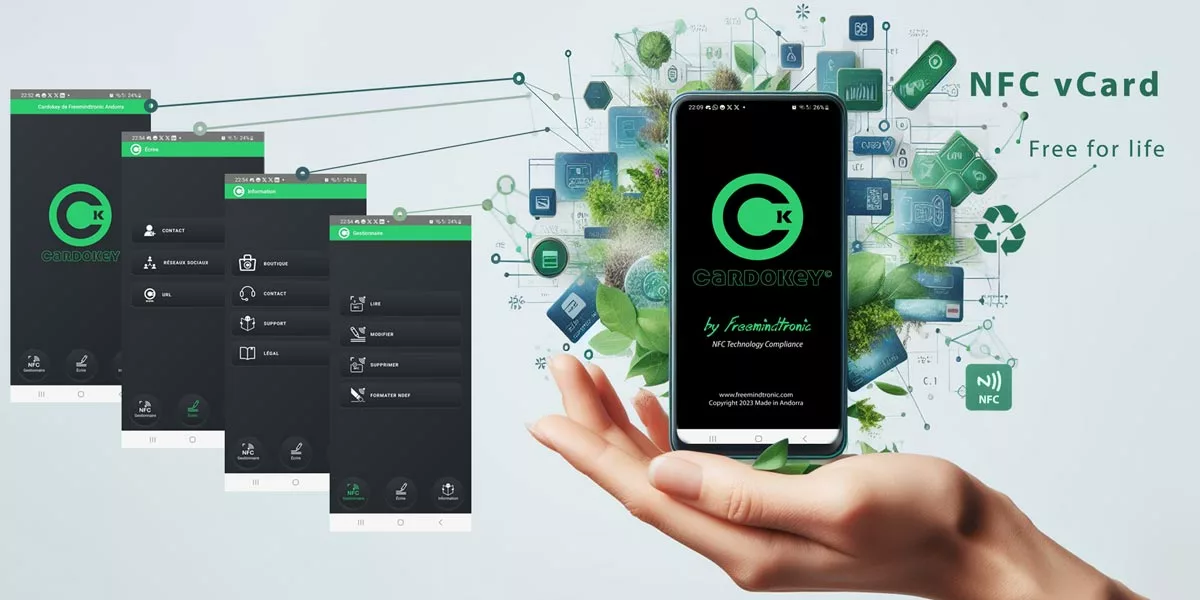
NFC vCard Cardokey: Revolutionizing Digital Networking

Cardokey NFC vCard Business: Edit, Read, and Import Contacts Seamlessly on iPhone.

NFC vCard Cardokey: Free Digital Networking Revolution

This article examines Cardokey’s capabilities to create and manage NFC vCard digital business cards without servers, without databases, without the need for account creation, highlighting its commitment to security, privacy and sustainability . Learn how Cardokey leverages NFC technology to facilitate environmentally friendly and secure business information exchanges. Click here to access Cardokey download links

2025 Digital Security Technical News

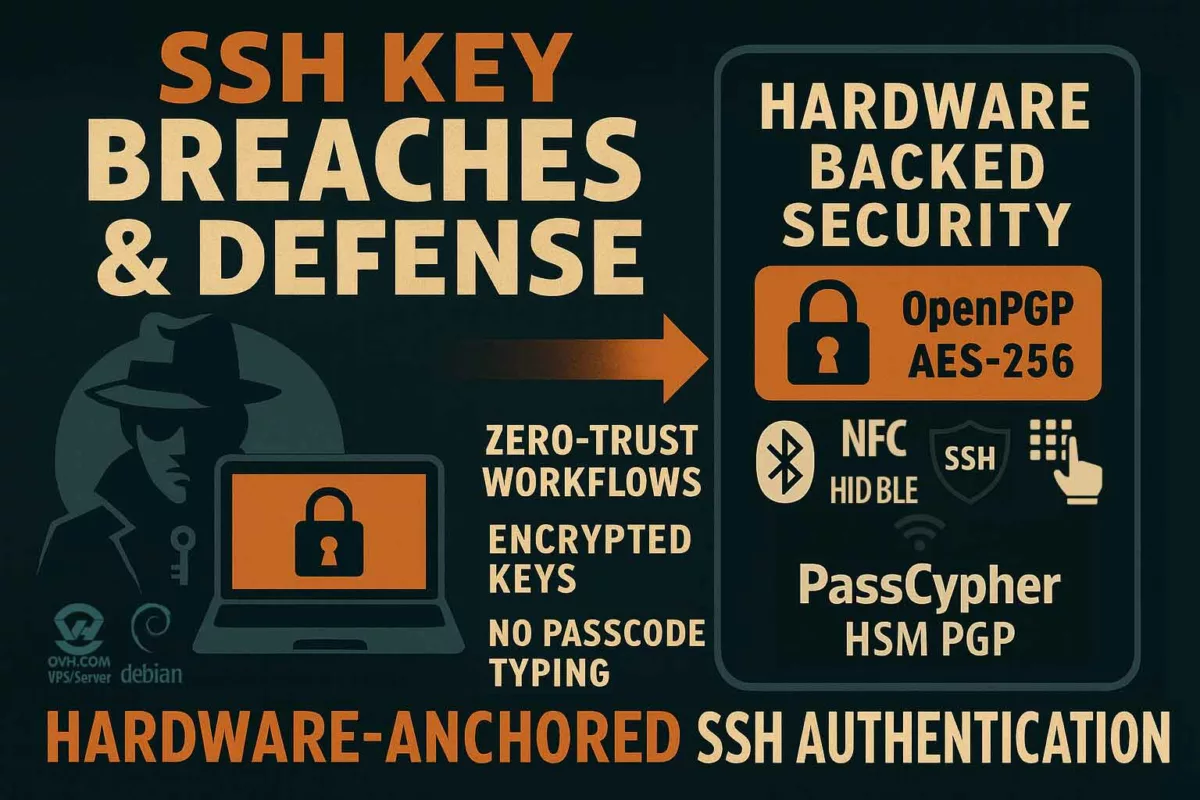
Sovereign SSH Authentication with PassCypher HSM PGP — Zero Key in Clear

2025 Digital Security Tech Fixes Security Solutions Technical News

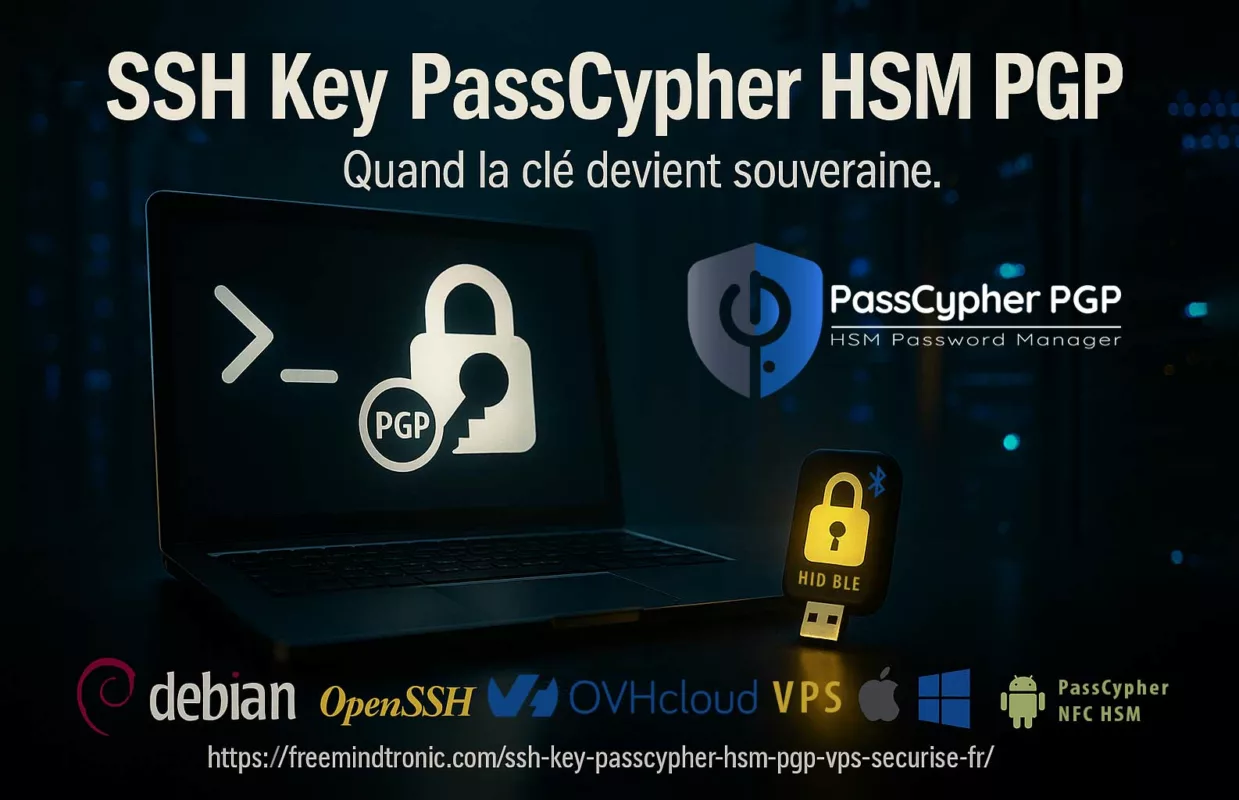
SSH Key PassCypher HSM PGP — Sécuriser l’accès multi-OS à un VPS

2025 Digital Security Technical News

Générateur de mots de passe souverain – PassCypher Secure Passgen WP

2025 Digital Security Technical News

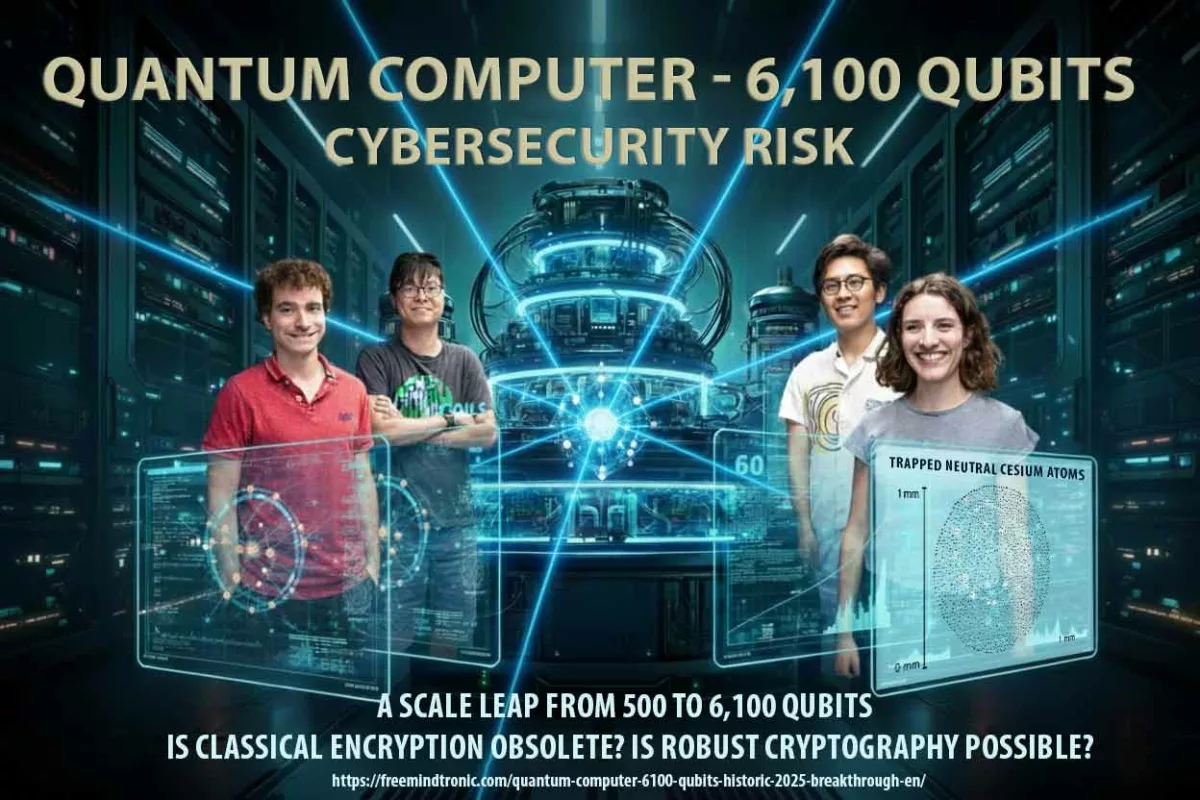
Quantum computer 6100 qubits ⮞ Historic 2025 breakthrough

2025 Digital Security Technical News

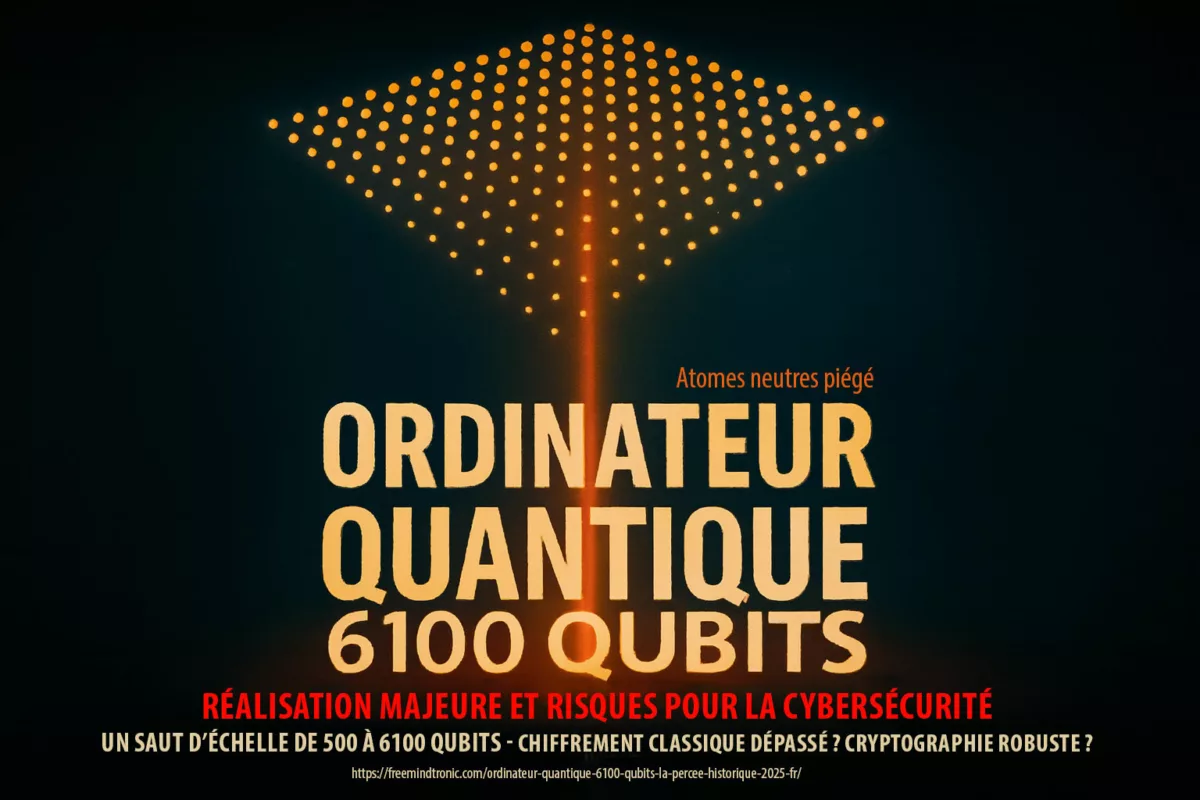
Ordinateur quantique 6100 qubits ⮞ La percée historique 2025

2025 Tech Fixes Security Solutions Technical News

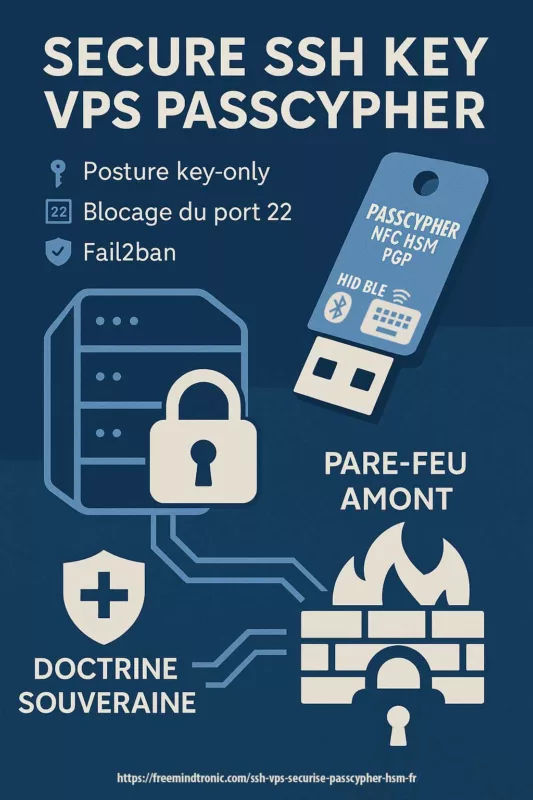
SSH VPS Sécurisé avec PassCypher HSM

2025 PassCypher Password Products Technical News

Passwordless Password Manager: Secure, One-Click Simplicity to Redefine Access

Stay informed with our posts dedicated to Technical News Cyberculture to track its evolution through our regularly updated topics.

Dive into our Tech News section for an in-depth look at the Cardokey NFC vCard, designed by Jacques Gascuel, a pioneer in the field of secure, contactless solutions without the need for servers or databases. Stay up to date and secure with our frequent updates.

NFC vCard: Revolutionize Your Professional Networking

As the creator of Cardokey, I am thrilled to introduce an application revolutionizing the exchange of professional information. Utilizing NFC technology, Cardokey offers a groundbreaking, free, and secure way to create, share, and manage NFC vCard digital business cards without the constraints of traditional methods. Expanding its functionalities to iPhone users, Cardokey now allows for the reading and importing of NFC vCards—a previously costly iOS feature. Moreover, we are on the cusp of enabling Cardokey Pro to convert HSM PGP badges into versatile NFC HSM badges.

The Innovative Concept Behind NFC vCard Cardokey

Cardokey was conceived 3 years ago with the ambition to simplify the sharing of digital identities through secure, data protection law-compliant methods. The application enables anonymous, contactless NFC vCard exchanges, functioning without servers, databases, or account creation, and is designed to operate even in restrictive environments like Faraday cages or in airplane mode. This not only ensures maximum security and privacy but also underscores our commitment to environmental sustainability by repurposing NFC-enabled devices.

Development and Security Features of NFC vCard Cardokey

Crafted by Freemindtronic SL and introduced by Fullsecure Andorra, Cardokey will integrate EviBadge HSM PGP technology, utilizing NFC NDEF storage through EviSwap NFC NDEF technology. This integration ensures the secure storage of encrypted authentication data created by Cardokey Pro Badge. This collaboration enhances Cardokey’s capacity for efficient and secure NFC vCard management, ensuring user privacy and offering flexibility in diverse environments, such as offline or airplane mode.

Ecological Impact and Compliance

Cardokey champions eco-friendly practices in professional networking. We align with the UN’s Sustainable Development Goal #12, adhering to ISO 14001, Basel, and WEEE standards. This commitment not only reduces our carbon footprint but also promotes sustainable consumption and production. Cardokey stands as a beacon for environmental stewardship within the digital networking sphere.

Innovative Reuse of NFC Devices

At Cardokey, we see value in repurposing various NFC devices. From ski lift tickets to more mundane objects, we transform them into vessels of professional connectivity. This practice not only breathes new life into potential waste but also aligns with our vision for a sustainable, connected world. With Cardokey, every NFC device has the potential for a meaningful second act.

Comprehensive Overview of Cardokey NFC vCard Capabilities

Cardokey’s functionalities are pivotal in reshaping professional networking. Our detailed table outlines the vast array of features available to both Android and iPhone users. Cardokey simplifies the creation and management of digital business cards and NFC data, ensuring a seamless, secure, and eco-conscious networking experience.

Intelligent Dynamic NFC Memory Management

A standout feature of Cardokey is its intelligent dynamic NFC memory management. This advanced functionality automatically notifies users of the real available memory space of the NFC device in use. By providing an accurate understanding of the storage capabilities within the NDEF-formatted EEPROM, Cardokey enhances user experience, allowing for informed data storage decisions. This insight into the actual storage potential elevates Cardokey’s usability, ensuring optimal use of NFC device memory.

Cardokey Datasheet: Global Deployment and Multilingual Support

Cardokey revolutionizes digital networking. It integrates Freemindtronic’s NFC NDEF EviSwap technology and complies with IEC/ISO 14443 and ISO/IEC 15693 standards. This datasheet highlights its universal security and usability.

Category Feature Android NFC iPhone NFC Coming Soon
Creation Craft a vCard considering space  
  Manually create an NFC NDEF vCard  
  Generate a vCard from a contact  
  Edit NFC URLs for social networks  
  Customize NFC URLs  
Badge Mode Create an NFC badge from an encrypted QR Code created by Cardokey Pro    
Management/Administration Import NFC vCard to Phone contacts  
  Manage NFC card data (CRUD)  
  Handle NFC card contacts (CRUD)  
  Display contact on phone and card  
  Convert NFC to NDEF format    
  Automate NFC card memory management  
  Translate into 14 languages  
  HELP (function explanations)  

EviSwap technology enables smart, dynamic NFC memory management. It optimizes NFC device use and provides an intuitive user experience. Cardokey facilitates international NFC device recycling and the use of physical NFC products destined for disposal. It promotes environmental care and enables meaningful global exchanges.This merged section showcases Cardokey’s features, international standards compatibility, and commitment to a borderless user experience. It also emphasizes EviSwap technology’s role in enabling secure, sustainable digital transformation in professional networking.

Use Cases for Cardokey

Cardokey’s versatility supports numerous professional networking scenarios:

Eco-Friendly Digital Business Card Exchange:

  • Swap paper cards for NFC vCards to cut carbon footprint and embrace sustainable development.
  • Share professional details effortlessly at various networking events.
  • Update your contact info anytime without reprinting business cards.

Simplified Management of Digital Identities:

  • Securely store and easily access NFC vCards on your mobile device.
  • Manage multiple vCards for diverse professional roles.
  • Import NFC vCards from different apps or platforms.

Creative Reuse of NFC Devices:

  • Repurpose NFC items like ski passes into personal or professional vCards.
  • Revive unused NFC devices, reducing electronic waste.
  • Implement sustainable networking practices through innovative device reuse.

Enhanced Security and Privacy:

  • Discreetly exchange secure information and contacts via non-connected NFC supports.
  • Operate offline for increased privacy, without reliance on servers or databases.
  • Avoid sharing contact details through third-party apps.

Additional Features:

  • NFC vCards in 14 languages (Arabic, Catalan, Chinese, English, French, German, Hindi, Italian, Japanese, Portuguese, Romanian, Russian, Spanish and Ukrainian) enable global networking.
  • Intelligent NFC memory management for optimal storage space usage.
  • Built-in help feature for easy acclimatization.

Added Value of Cardokey

Lifetime Free Updates for NFC vCards:

  • Ensures your information is always current.
  • Highlights Cardokey’s user-focused design.
  • Demonstrates Cardokey’s dedication to user service and sustainability.

Usage of Recycled Materials:

  • Lowers carbon footprint.
  • Offers a responsible alternative for professionals.
  • Positions Cardokey as an innovative and committed solution.

Example with an NFC Ski Ticket:

  • Simplifies sharing memories or professional links.
  • Gives new purpose to otherwise discarded items.
  • Showcases Cardokey’s adaptability to various needs.

Bridging the Gap in Digital Networking

The capabilities of Cardokey extend far beyond simple contact exchange. Our dedication to innovation, security, and ease of use is evident across all features. Upcoming functionalities will further enhance secure, efficient, and green professional networking. With Cardokey, you’re not merely sharing a digital card; you’re making a profound statement about your professional identity in the digital age.

Let’s Summarize

Cardokey is not just an NFC vCard creation application; it is an innovation in many ways that I passionately want to bring to the world. First of all, this tool is free. It works immediately offline, without needing a server, database, or even creating an account to use it. First of all, it should be noted that Cardokey uses NFC technology. Its objective is to actively participate in the digital transformation of the use of business cards in a digital way. At the same time, my innovation demonstrates a strong commitment to safety, security, privacy and environmental sustainability, principles that are dear to me.

Additionally, Cardokey redefines and expands how professionals connect, share and manage their digital identities. Indeed, it promotes the reuse of many NFC devices, ensuring compliance with strict data protection standards. My innovation doesn’t stop there. Since it presents itself as a pioneering solution, respectful of the environment while taking its legitimate place in the field of digital networks for dual civil and military use through its scalable capacity for free services. It’s a seamless simultaneity of technology and sustainability, a vision I’m proud to see brought to life and made available to you for free.

In conclusion Cardokey: More Than an App, a Sustainable Networking Revolution

Cardokey is evolving into much more than just an app; it represents a significant leap forward for professional networking. By integrating NFC vCard technology, Cardokey facilitates not only an eco-friendly and secure exchange of professional information but also sets a new standard in the way we connect in our digital world. The future holds even greater possibilities with the introduction of advanced cyber defense features, positioning Cardokey as an indispensable tool in the landscape of modern professional networking.

Through innovation, security, and a steadfast commitment to ecological responsibility, Cardokey is reimagining what it means to network professionally. It’s not just about sharing a digital card; it’s about forging connections that are secure, private, and impactful, all while caring for our planet. As we continue to develop Cardokey, we are guided by a vision of a world where professional interactions are seamless, sustainable, and above all, secure.

Join us as we move forward into this new era of professional networking. With Cardokey, you’re not just adopting a new tool; you’re embracing a future where technology enhances our professional lives without compromising our values or the environment. Welcome to the future of networking with Cardokey – where innovation meets sustainability.

We Value Your Feedback

If Cardokey has enhanced your networking experience, consider sharing it with others. Your feedback is crucial to us. Please feel free to rate us on the Apple Store and the Play Store. Every star ✨ and comment helps.

Thank you for your support in shaping the future of Cardokey.

EU Sanctions Cryptocurrency Regulation: A Comprehensive Overview

EU military defense of cryptocurrency

EU Sanctions Reshape Crypto

EU Sanctions Cryptocurrency, setting a global precedent. This regulatory overhaul aims to curb evasion and unify enforcement, enhancing transaction transparency. Dive into the EU’s strategic measures to fortify its financial system against the misuse of digital currencies.

2025 Cyber Doctrine Cyberculture

Uncodified UK constitution & digital sovereignty

2025 Cyberculture Cybersecurity Digital Security EviLink

CryptPeer messagerie P2P WebRTC : appels directs chiffrés de bout en bout

2025 Cyber Doctrine Cyberculture

Souveraineté individuelle numérique : fondements et tensions globales

2025 Cyberculture

Louvre Security Weaknesses — ANSSI Audit Fallout

Stay informed with our posts dedicated to Cyberculture to track its evolution through our regularly updated topics.

Explore our Cyberculture section for detailed information on the EU Sanctions and Cryptocurrency Regulation, authored by Jacques Gascuel, a pioneer in contactless, serverless, databaseless sensitive data security solutions. Stay up to date and secure with our frequent updates.

EU Sanctions Cryptocurrency Regulation: A Comprehensive Overview

The EU is stepping up its regulatory game to combat economic sanction evasion, focusing sharply on the cryptocurrency sector. This move aims to unify sanction application practices across member states and enhance digital financial transaction traceability.

New EU Sanctions Cryptocurrency: A Global Context

Amid rising geopolitical tensions, the EU has bolstered its economic regulations. These measures, targeting cryptocurrency freezes, aim to thwart sanction dodging and standardize enforcement across member states.

EU Parliament’s Landmark Regulation Cryptocurrency

Confronting sanction evasion threats, the EU Parliament has enacted a regulation criminalizing such acts. Offenders now face harsh penalties, underscoring the EU’s commitment to maintaining sanction regime integrity.

Capital Freeze and Criminal Wealth Confiscation

A significant breakthrough, the EU Council and Parliament have agreed on rules for freezing and seizing criminal funds. This regulation extends to cryptocurrencies, highlighting the EU’s resolve to strip criminals of illicit gains.

Cryptocurrency Implications

These recent regulations signal a pivotal shift in the fight against cryptocurrency misuse. The EU’s clear intent is to battle illicit activities and bolster financial security within its borders.

International Comparison of Cryptocurrency Regulations

While the EU adopts stringent measures against Russia, it’s insightful to compare its stance with other global powers. The US exhibits a fragmented regulatory approach, China enforces restrictive policies, and the UK navigates post-Brexit with moderate regulations. This comparison underscores the varied strategies nations employ to address the rapidly evolving cryptocurrency sector.

Cold Wallets: EU Sanctions Cryptocurrency Regulations’ Reach

Cold wallets, designed for offline key and cryptocurrency address storage, fall outside the direct scope of new EU regulations. Devices like EviVault and EviSeed, incorporating NFC and HSM technologies, do not facilitate transaction signing, placing them beyond payment service regulations.

Hardware Wallets: Transaction Signing Scrutiny

Hardware wallets, enabling private key storage and transaction signing, face stricter regulations. The EU aims to prevent these devices from circumventing sanctions, imposing compliance requirements for signed transactions.

Enhancing Previous Directives

The new regulation builds on previous directives like AMLD5, which set anti-money laundering and terrorism financing standards in the cryptocurrency sector. It introduces additional obligations for crypto service providers, focusing on user identity verification and suspicious transaction monitoring.

Comparative Analysis: International Regulatory Approaches

The global landscape of cryptocurrency regulation is diverse and evolving. The PwC Global Crypto Regulation Report 2023 highlights the varying degrees of regulatory development across jurisdictions. For instance, while the EU has made significant strides with the Markets in Crypto-Assets Regulation (MiCA), differences in scope and implementation timelines persist when compared to other regions. The United States continues to balance innovation with investor protection, employing a multifaceted regulatory approach. In contrast, China maintains a more restrictive stance, reflecting its broader financial policies.

Inclusion of Regulatory References: MiCA

The Markets in Crypto-Assets Regulation (MiCA) represents a landmark in EU financial legislation, establishing uniform market rules for crypto-assets not previously covered by financial services laws. MiCA’s key provisions address transparency, disclosure, authorization, and supervision of transactions, aiming to support market integrity and financial stability. As such, MiCA is a critical reference point for understanding the EU’s approach to digital asset regulation.

Regulations’ Links and Effective Dates

Conclusion

The EU’s latest regulatory measures on cryptocurrency sanctions reflect a proactive stance in addressing the challenges of financial technology. By fortifying sanctions and enhancing compliance, the EU not only aims to deter sanction evasion but also demonstrates its resolve to protect the integrity of its financial system amidst the dynamic digital economy.

Encrypted messaging: ECHR says no to states that want to spy on them

ECHR landmark ruling in favor of encrypted messaging, featuring EviCypher NFC HSM technology by Freemindtronic.

Protecting encrypted messaging: the ECHR decision

Encrypted messaging is vital for digital privacy and free speech, but complex to protect. The historic ECHR decision of February 13, 2024 supports strong encryption against government surveillance. We discuss the importance of this decision. You will discover EviCypher NFC HSM encryption technology from Freemindtronic, guardian of this decision but for all messaging services in the world.

2025 Cyber Doctrine Cyberculture

Uncodified UK constitution & digital sovereignty

2025 Cyberculture Cybersecurity Digital Security EviLink

CryptPeer messagerie P2P WebRTC : appels directs chiffrés de bout en bout

2025 Cyber Doctrine Cyberculture

Souveraineté individuelle numérique : fondements et tensions globales

2025 Cyberculture

Louvre Security Weaknesses — ANSSI Audit Fallout

Stay informed in our posts dedicated to Cyberculture to follow its evolution thanks to our regularly updated topics

Learn more through this Cyberculture section on your data encryption rights to protect your personal and professional data written by Jacques Gascuel, creator of data security solutions. Stay informed and secure with our regular news.

Encrypted messaging: ECHR says no to states that want to spy on them

The historic judgment of the European Court of Human Rights (ECHR) elevates encrypted messaging to the rank of guardian of privacy and freedom of expression. But this also poses security and public order problems. On February 13, 2024, she spoke out in favor of strong encryption, against state interference.

The ECHR has rejected Russian authorities’ request to Telegram, a messaging application, to provide private keys for encrypting its users’ communications, or to install backdoors that would allow authorities to access them. The Court considered that this request violated the rights to privacy and correspondence, as well as freedom of expression, of Telegram users.
The context of the case

The case background Six journalists and human rights activists challenged the request of the Russian authorities to Telegram before the ECHR. They claimed that this request violated their fundamental rights. They relied on Articles 8 and 10 of the European Convention on Human Rights. These articles protect the right to privacy and correspondence, and the right to freedom of expression.

The reasoning of the Court

The Court’s reasoning The Court acknowledged that the request of the Russian authorities had a legitimate aim of national security and crime prevention. However, it found that the interference with the rights of the applicants was not proportionate to the aim pursued. It emphasised that encryption plays a vital role in ensuring the confidentiality of communications and the protection of personal data. It held that the request of the Russian authorities was too general and vague. It did not offer enough safeguards against abuse. It could deter people from using encrypted messaging services.

The Court also noted that encryption helps citizens and businesses to defend themselves against the misuse of information technologies, such as hacking, identity theft, data breach, fraud and undue disclosure of confidential information. It stated that this should be duly taken into account when assessing the measures that could weaken encryption.

The Court further observed that, in order to be useful to the authorities, the information must be decrypted at some point. It suggested that the authorities should use other means to obtain the necessary information, such as undercover operations, metadata analysis and international cooperation.

The consequences of the decision

The decision’s implications The decision of the Court is final and binding for Russia. It has to implement it within a reasonable time. It also has a broader impact. It sets out principles applicable to all member states of the Council of Europe, which comprises 47 countries. It sends a strong signal in favour of the respect of fundamental rights on the internet. It aligns with the position of several international organisations, such as the UN, the EU or the OSCE. They have stressed the importance of encryption for the protection of human rights online.

The official link of the ECHR decision is: AFFAIRE PODCHASOV c. RUSSIE and AFFAIRE PODCHASOV c. RUSSIE and AFFAIRE PODCHASOV c. RUSSIE. You can access it by clicking on the title or copying the address in your browser.

The position of other countries in the world

Encryption of communications is not a consensual topic. Countries have different, even opposite, positions on the issue. Here are some examples:

  • The Netherlands have argued for the right to strong encryption. They considered it a human right that must be safeguarded, in the country’s own interest.
  • The United States have repeatedly asked technology companies to provide them with access to encrypted data. They invoked the need to fight terrorism. These requests have been challenged by companies, such as Apple. They refused to create backdoors in their encryption systems.
  • China adopted a cybersecurity law in 2016. It requires companies to cooperate with authorities to provide encryption keys or means to bypass encryption. This law has been denounced by human rights defenders. They fear that it will be used to strengthen the surveillance and censorship of the Chinese regime.
  • The European Union adopted a directive on the protection of personal data in 2016. It recognizes encryption as a technical measure suitable for ensuring the security of data. The EU also supported the development of end-to-end encryption. It funded projects such as the free software Signal, which allows to encrypt calls and messages.

These examples show the divergences and convergences between different countries on the subject of encryption. They also reveal the political, economic and social issues that are at stake.

The world’s reactions to the ECHR decision on Encrypted Messaging

The ECHR decision on Encrypted Messaging has sparked different reactions in the world. Some countries praised the judgment, which boosts the protection of human rights on the internet. Other countries slammed the position of the Court, which undermines, according to them, the judicial cooperation and the national security.

The supporters of the ECHR decision

The Netherlands are among the countries that supported the ECHR decision. They argued for the right to strong encryption, considering it a human right that must be safeguarded, in the country’s own interest. The European Union also backed the Court, reminding that encryption is a technical measure suitable to ensure the security of data, in accordance with the directive on the protection of personal data adopted in 2016. The EU also stressed that it funds the development of end-to-end encryption, through projects such as the free software Signal, which allows to encrypt calls and messages.

The opponents of the ECHR decision

The United States are among the countries that opposed the ECHR decision. They have repeatedly asked technology companies to provide them with access to encrypted data, invoking the need to fight terrorism. These requests have been challenged by companies, such as Apple, which have refused to create backdoors in their encryption systems. China also expressed its disagreement with the Court, stating that encryption of communications fosters the dissemination of illegal or dangerous content, such as terrorist propaganda, child pornography or hate speech. China recalled that it has adopted in 2016 a cybersecurity law, which requires companies to cooperate with authorities to provide encryption keys or means to bypass encryption.

The non-signatories of the European

Convention on Human Rights Some countries have not reacted to the ECHR decision, because they are not signatories of the European Convention on Human Rights. This is the case for example of Russia, which ceased to be a member of the Council of Europe on March 16, 2022, after the invasion of Ukraine decided by the Kremlin. The country no longer participates in the activities of the ECHR. This is also the case of many countries in Africa, Asia or Latin America, which are not part of the Council of Europe and which have not ratified the Convention.

The signatory countries of the European Convention on Human Rights

The European Convention on Human Rights is an international treaty adopted by the Council of Europe in 1950, which aims to protect human rights and fundamental freedoms in the states parties. It entered into force in 1953, after being ratified by ten countries: Belgium, Denmark, France, Ireland, Italy, Luxembourg, the Netherlands, Norway, Sweden and the United Kingdom .

Since then, the Convention has been ratified by 36 other countries, bringing the total number of states parties to 46. They are: Albania, Germany, Andorra, Armenia, Austria, Azerbaijan, Bosnia and Herzegovina, Bulgaria, Cyprus, Croatia, Estonia, Finland, Georgia, Greece, Hungary, Iceland, Latvia, Liechtenstein, Lithuania, Malta, Moldova, Monaco, Montenegro, North Macedonia, Poland, Portugal, Romania, Russia, San Marino, Serbia, Slovakia, Slovenia, Spain, Czech Republic, Turkey and Ukraine.

All these countries recognize the jurisdiction of the European Court of Human Rights (ECHR), which is in charge of ensuring the respect of the Convention. The ECHR can be seized by any person, group of persons or non-governmental organization who claims to be a victim of a violation of the Convention by one of the states parties. The ECHR can also be seized by a state party who alleges that another state party has violated the Convention. The ECHR delivers judgments that are final and binding for the states parties.

An innovative and sovereign alternative: the EviCypher NFC HSM technology

Facing the challenges of encryption of communications, some users may look for an alternative more innovative and sovereign than the traditional messaging applications. This is the case of the EviCypher NFC HSM technology, developed by the Andorran company Freemindtronic. This technology makes it possible to generate, store, manage and use AES-256 encryption keys to encrypt all communication systems, such as WhatsApp, sms, mms, rcs, Telegram, webmail, email client, private messaging like Linkedin, Skype, X and even via postal mail with encrypted QR code messages, etc.

EviCypher NFC HSM: A Secure and Innovative Solution for Encrypted Messaging

Firstly, it guarantees the confidentiality and integrity of data, even if the messaging services are compromised for any reason, including by a court order. Indeed, it is physically impossible for Freemindtronic, the manufacturer of the DataShielder products, to provide encryption keys generated randomly by the user. These keys are stored encrypted in AES-256 via segmented keys in the HSM and NFC HSM. Only the user holds the decryption keys, which he can erase at any time.

Secondly, it preserves the anonymity and sovereignty of users, because it works without server and without database. It does not require internet connection, nor user account, nor phone number, nor email address. It leaves no trace of its use, nor of its user. It does not depend on the policies or regulations of the countries or companies that provide the communication services.

Thirdly, it offers an extreme portability and availability of encryption keys, thanks to the NFC technology. The user can carry his encryption keys on a physical support, such as a card, a bracelet, a key ring, etc. He can use them with any device compatible with NFC, such as a smartphone, a tablet, a computer, etc. He can also share them with other trusted users, in a simple and secure way.

Lastly, it is compatible with the EviCore NFC HSM or EviCore HSM technology, which allows to secure the access to equipment and applications. The user can thus use the same physical support to encrypt his communications and to authenticate on his different digital services.

The EviCypher NFC HSM technology guarantees the confidentiality and integrity of data, even if the messaging services are compromised for any reason, including by a court order. Indeed, it is physically impossible for Freemindtronic, the manufacturer of the DataShielder products, to provide encryption keys generated randomly by the user. These keys are stored encrypted in AES-256 via segmented keys in the HSM and NFC HSM. Only the user holds the decryption keys, which he can erase at any time.

Transforming Encrypted Messaging with EviCypher NFC HSM

The European Court of Human Rights (ECHR) decisively highlights encrypted messaging’s vital role in protecting privacy and freedom of speech. EviCypher NFC HSM, aligning perfectly with these principles, emerges as a pioneering solution. It confronts the challenges of state surveillance and privacy breaches head-on, providing unmatched defense for private communications. EviCypher NFC HSM goes beyond the ECHR’s conventional security and privacy requirements. It crafts an inviolable communication platform that honors users’ privacy rights profoundly. With its innovative approach, EviCypher NFC HSM introduces new data protection standards, forging a robust barrier against government intrusion.

Global Reach and User Empowerment

EviCypher NFC HSM’s technology has a broad global impact, seamlessly addressing the varied encryption landscapes worldwide. It provides a consistent answer to privacy and security issues, disregarding geographic limits. This global applicability makes EviCypher NFC HSM an indispensable tool for users worldwide, solidifying its position as a guardian of global privacy.

Despite potential skepticism about new technologies, the user-friendly and accessible nature of EviCypher NFC HSM aims to dispel such doubts. It promotes wider adoption among those seeking to enhance their communication security. Its compatibility with diverse devices and straightforward operation simplify encryption, facilitating an effortless shift towards secure communication practices.

EviCypher NFC HSM: A Beacon of User Autonomy

EviCypher NFC HSM technology deeply commits to empowering users. It allows individuals to generate, store, and manage their encryption keys independently, giving them direct control. This autonomy not only improves data security but also demonstrates a strong commitment to protecting users’ fundamental rights. It resonates with the values emphasized across the discussion, providing an effective way to strengthen online privacy and security. EviCypher NFC HSM marks a significant leap forward in the movement towards a more secure and private digital landscape.

This technologie HSM stands out as a state-of-the-art, self-sufficient solution, perfectly in line with the ECHR’s decisions and the worldwide need for secure encrypted communication. It leads the charge in advancing user autonomy and security, signaling a crucial evolution in encrypted messaging towards unparalleled integrity.

Incorporating EviCypher’s distinctive features—its operation without servers or databases, interoperability, and backward compatibility with all current communication systems, such as email, SMS, MMS, RCS, and social media messaging, even extending to physical mail via encrypted QR codes—highlights its adaptability and innovative spirit. EviCypher’s resistance to zero-day vulnerabilities, due to encrypting communications upfront, further underscores its exceptional security. Operating anonymously and offline, it provides instant usability without requiring user identification or account creation, ensuring seamless compatibility across phone, computer, and communication systems.

Summary at encrypted messaging

Encrypted Messaging is crucial for the digital society. It protects internet users’ privacy and freedom of expression. But it also challenges security and public order. The European Court of Human Rights (ECHR) supported strong encryption on February 13, 2024. It defended the right to encryption, against states that want to access it. Several international organizations agree with this position. They emphasize the importance of encryption for human rights online. However, the ECHR decision sparked diverse reactions worldwide. Different countries have different views on encryption.

Our conclusion on Encrypted Messaging

EviCypher NFC HSM technology is an innovative and sovereign alternative for Encrypted Messaging. Users can generate, store, manage and use AES-256 encryption keys. They can encrypt all communication systems, such as WhatsApp, sms, mms, rcs, Telegram, webmail, email client, etc. EviCypher NFC HSM technology ensures data confidentiality and integrity. It works even if messaging services are compromised. It preserves users’ anonymity and sovereignty. It does not need server or database. It offers extreme portability and availability of encryption keys, thanks to NFC technology. It is compatible with EviCore NFC HSM or EviCore HSM technology. They secure access to equipment and applications.

DataShielder products provide EviCypher NFC HSM technology. They are contactless encryption devices, guardians of keys and secrets. Freemindtronic, an Andorran company specialized in NFC security, designs and manufactures them.