
2026, Crypto Currency, Cryptocurrency, Digital Security
Ledger Security Breaches from 2017 to 2026: How to Protect Yourself from Hackers
Dec
Ledger Security Breaches have become a major indicator of vulnerabilities in the global crypto ecosystem. Beyond isolated technical flaws, it is the systemic correlations — hardware attacks, software exploits, third‑party data leaks, phishing scenarios — that shape today’s threat landscape, affecting individual users, exchanges, and trust infrastructures alike. Exploited by cybercriminals, state actors, and hybrid players, these breaches enable profiling, targeting, and manipulation of investors without necessarily compromising their private keys directly. Encryption protects private keys, but not relational, logistical, and behavioral metadata. This chronicle analyzes the major breaches from 2017 to 2026, their immediate and long‑term impacts, and the conditions for achieving true digital sovereignty against supply‑chain threats and third‑party dependencies.
Executive Summary — Ledger Security Breaches
⮞ Reading Note
This executive summary can be read in ≈ 3 to 4 minutes. It provides immediate insight into the central issue without requiring the full technical and historical analysis.
⚠️ Note on Supply Chain Resilience
The 2026 Global-e leak highlights what the CISA (Cybersecurity & Infrastructure Security Agency) defines as critical supply chain risks. According to their official guidelines, hardware security is only as strong as its weakest third-party link.
⚡ Key Findings
Since 2017, Ledger has faced several major breaches: seed phrase and firmware attacks, PCB modification, the 2020 database leak, the 2023 Connect Kit compromise, and the 2026 Global‑e data leak. These incidents show that threats arise not only from internal flaws but also from external dependencies and phishing vectors.
✦ Immediate Impact
- Massive customer data exposure (292K in 2020, Global‑e in 2026)
- Targeted phishing and harassment using personal information
- Transaction manipulation and private-key compromise in controlled 2018 attack scenarios
- Fragility of software supply chains and third‑party partners
⚠ Strategic Message
The real shift is not just technical compromise, but the repetition of breaches and their systemic exploitation. The threat becomes structural: automated phishing, doxxing, erosion of trust, and increased reliance on third parties. The risk is no longer occasional, but persistent.
The Shift from Trust to Proof
The repetition of Ledger Security Breaches proves that trust in a brand is not enough. Sovereignty requires proof. By implementing Segmented Key Authentication (WO2018154258), Freemindtronic moves control over critical secrets (seed phrases, private keys, credentials) from the vendor ecosystem directly into the user’s physical possession. This eliminates dependency on third-party infrastructure (e-commerce, update servers, logistics partners) for the custody and transfer of critical secrets.
⎔ Sovereign Countermeasure
There is no miracle solution against security breaches. Sovereignty means reducing exploitable surfaces: minimizing exposed data, using independent cold wallets (NFC HSM), strictly separating identity from usage, and maintaining constant vigilance against fraudulent communications.
Reading Parameters
Executive Summary: ≈ 3–4 min
Advanced Summary: ≈ 5–6 min
Full Chronicle: ≈ 30–40 min
First publication: December 16, 2023
Last update: January 7, 2026
Complexity level: High — security, crypto, supply‑chain
Technical density: ≈ 70 %
Languages available: EN · FR
Core focus: Ledger Security Breaches, crypto wallets, phishing, digital sovereignty
Editorial type: Chronicle — Freemindtronic Digital Security
Risk level: 9.2 / 10 — financial, civil, and hybrid threats

2026 Cyber Doctrine Digital Security
Whisper Leak side-channel and LLM token leakage
Whisper Leak side-channel: token-length leakage, semantic inference, and the structural limits of HTTPS in large [...]
Feb

2023 2026 Digital Security Phishing
BITB Attacks: How to Avoid Phishing by iFrame
Browser-in-the-Browser (BITB) attacks: interface forgery through redirection iframes and the structural limits of browser trust. [...]
May

2026 Digital Security
Zero-knowledge vulnérable : attaques par downgrade contre Bitwarden, LastPass et Dashlane
Zero-knowledge vulnérable : les attaques par downgrade contre Bitwarden, LastPass et Dashlane révèlent comment la [...]
Feb
2026 Digital Security
Zero-Knowledge Downgrade Attacks — Structural Risks
Zero-Knowledge Downgrade Attacks: downgrade paths against Bitwarden, LastPass, and Dashlane show how cryptographic backward compatibility [...]
Feb
2025 Digital Security
Clickjacking des extensions DOM : DEF CON 33 révèle 11 gestionnaires vulnérables
Clickjacking d’extensions DOM : DEF CON 33 révèle une faille critique et les contre-mesures Zero-DOM
Aug

2025 Cyberculture Digital Security
Browser Fingerprinting Tracking: Metadata Surveillance in 2026
Browser Fingerprinting Tracking today represents one of the true cores of metadata intelligence. Far beyond [...]
Feb
2026 Digital Security
Browser Fingerprinting : le renseignement par métadonnées en 2026
Le browser fingerprinting constitue aujourd’hui l’un des instruments centraux du renseignement par métadonnées appliqué aux [...]
Jan

2023 2026 Digital Security
CVE-2023-32784 : Pourquoi PassCypher protège vos secrets
PassCypher HSM protège les secrets numériques. Il protège vos secrets numériques hors du périmètre du [...]
May

2023 2026 Digital Security
CVE-2023-32784 Protection with PassCypher NFC HSM
CVE-2023-32784 Protection with PassCypher NFC HSM safeguards your digital secrets. It protects your secrets beyond [...]
May

2026 Digital Security
Cyber espionnage zero day : marché, limites et doctrine souveraine
Cyber espionnage zero day : la fin des spywares visibles marque l’entrée dans une économie [...]
Jan
2026 Digital Security
Cyberattaque HubEE : Rupture silencieuse de la confiance numérique
Cyberattaque HubEE : rupture silencieuse de la confiance numérique. Cette attaque, qui a permis l’exfiltration [...]
Jan
2025 Digital Security
Persistent OAuth Flaw: How Tycoon 2FA Hijacks Cloud Access
Persistent OAuth Flaw — Tycoon 2FA Exploited — When a single consent becomes unlimited cloud [...]
Oct
2025 Digital Security
Tycoon 2FA failles OAuth persistantes dans le cloud | PassCypher HSM PGP
Faille OAuth persistante — Tycoon 2FA exploitée — Quand une simple autorisation devient un accès [...]
Oct

2025 Digital Security
OpenAI fuite Mixpanel : métadonnées exposées, phishing et sécurité souveraine
OpenAI fuite Mixpanel rappelle que même les géants de l’IA restent vulnérables dès qu’ils confient [...]
Dec

2025 Digital Security
OpenAI Mixpanel Breach Metadata – phishing risks and sovereign security with PassCypher
AI Mixpanel breach metadata is a blunt reminder of a simple rule: the moment sensitive [...]
Jan
2026 Crypto Currency Cryptocurrency Digital Security
Ledger Security Breaches from 2017 to 2026: How to Protect Yourself from Hackers
Ledger Security Breaches have become a major indicator of vulnerabilities in the global crypto ecosystem. [...]
Dec
2026 Digital Security
Failles de sécurité Ledger : Analyse 2017-2026 & Protections
Les failles de sécurité Ledger sont au cœur des préoccupations des investisseurs depuis 2017. Cette [...]
Jan

2025 Digital Security
Bot Telegram Usersbox : l’illusion du contrôle russe
Le bot Telegram Usersbox n’était pas un simple outil d’OSINT « pratique » pour curieux [...]
Nov
2025 Digital Security
Espionnage invisible WhatsApp : quand le piratage ne laisse aucune trace
Espionnage invisible WhatsApp n’est plus une hypothèse marginale, mais une réalité technique rendue possible par [...]
Dec

2025 Digital Security
Fuite données ministère interieur : messageries compromises et ligne rouge souveraine
Fuite données ministère intérieur. L’information n’est pas arrivée par une fuite anonyme ni par un [...]
Jan
2026 Digital Security
Silent Whisper espionnage WhatsApp Signal : une illusion persistante
Silent Whisper espionnage WhatsApp Signal est présenté comme une méthode gratuite permettant d’espionner des communications [...]
Jan

2026 Awards Cyberculture Digital Security Distinction Excellence EviOTP NFC HSM Technology EviPass EviPass NFC HSM technology EviPass Technology finalists PassCypher PassCypher
Quantum-Resistant Passwordless Manager — PassCypher finalist, Intersec Awards 2026 (FIDO-free, RAM-only)
Quantum-Resistant Passwordless Manager 2026 (QRPM) — Best Cybersecurity Solution Finalist by PassCypher sets a new [...]
Nov
2025 Cyberculture Cybersecurity Digital Security EviLink
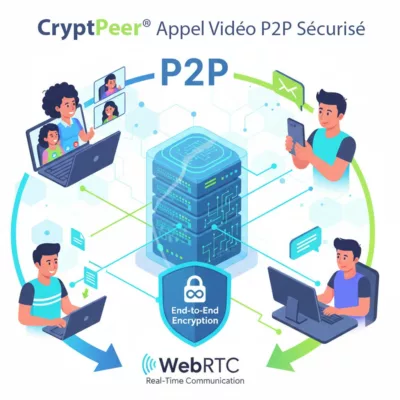
CryptPeer messagerie P2P WebRTC : appels directs chiffrés de bout en bout
La messagerie P2P WebRTC sécurisée constitue le fondement technique et souverain de la communication directe [...]
Nov
2025 CyptPeer Digital Security EviLink
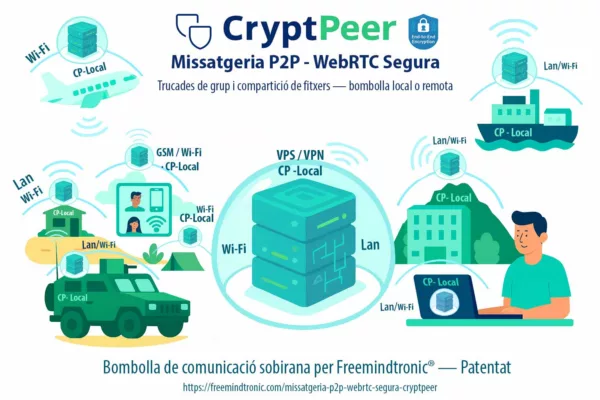
Missatgeria P2P WebRTC segura — comunicació directa amb CryptPeer
Missatgeria P2P WebRTC segura al navegador és l’esquelet tècnic i sobirà de la comunicació directa [...]
Nov

2025 Digital Security
Russia Blocks WhatsApp: Max and the Sovereign Internet
Step by step, Russia blocks WhatsApp and now openly threatens to “completely block” the messaging [...]
Nov

2020 Digital Security
WhatsApp Gold arnaque mobile : typologie d’un faux APK espion
WhatsApp Gold arnaque mobile — clone frauduleux d’application mobile, ce stratagème repose sur une usurpation [...]
Nov
2025 Digital Security
Spyware ClayRat Android : faux WhatsApp espion mobile
Spyware ClayRat Android illustre la mutation du cyberespionnage : plus besoin de failles, il exploite [...]
Oct
2025 Digital Security
Android Spyware Threat Clayrat : 2025 Analysis and Exposure
Android Spyware Threat: ClayRat illustrates the new face of cyber-espionage — no exploits needed, just [...]
Oct
2023 Digital Security
WhatsApp Hacking: Prevention and Solutions
WhatsApp hacking zero-click exploit (CVE-2025-55177) chained with Apple CVE-2025-43300 enables remote code execution via crafted [...]
Jan
2025 Digital Security Technical News
Sovereign SSH Authentication with PassCypher HSM PGP — Zero Key in Clear
SSH Key PassCypher HSM PGP establishes a sovereign SSH authentication chain for zero-trust infrastructures, where [...]
Oct

2025 Digital Security Tech Fixes Security Solutions Technical News
SSH Key PassCypher HSM PGP — Sécuriser l’accès multi-OS à un VPS
SSH Key PassCypher HSM PGP fournit une chaîne souveraine : génération locale de clés SSH [...]
Oct
2025 Digital Security Technical News
Générateur de mots de passe souverain – PassCypher Secure Passgen WP
Générateur de mots de passe souverain PassCypher Secure Passgen WP pour WordPress — le premier [...]
Oct

2025 Digital Security Technical News
Quantum computer 6100 qubits ⮞ Historic 2025 breakthrough
A 6,100-qubit quantum computer marks a turning point in the history of computing, raising unprecedented [...]
Oct

2025 Digital Security Technical News
Ordinateur quantique 6100 qubits ⮞ La percée historique 2025
Ordinateur quantique 6100 qubits marque un tournant dans l’histoire de l’informatique, soulevant des défis sans [...]
Oct
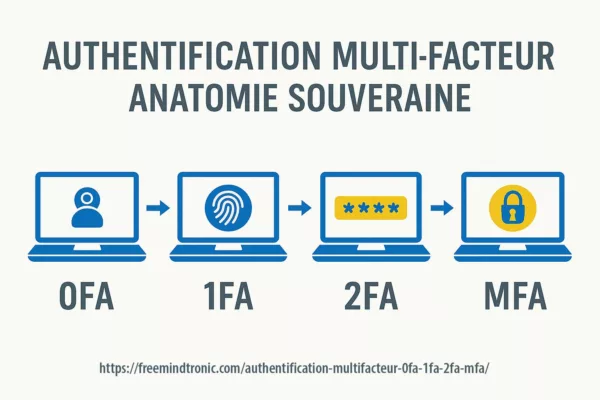
2025 Cyberculture Digital Security
Authentification multifacteur : anatomie, OTP, risques
Authentification Multifacteur : Anatomie souveraine Explorez les fondements de l’authentification numérique à travers une typologie [...]
Sep

2025 Digital Security
Clickjacking extensions DOM: Vulnerabilitat crítica a DEF CON 33
DOM extension clickjacking — el clickjacking d’extensions basat en DOM, mitjançant iframes invisibles, manipulacions del [...]
Aug
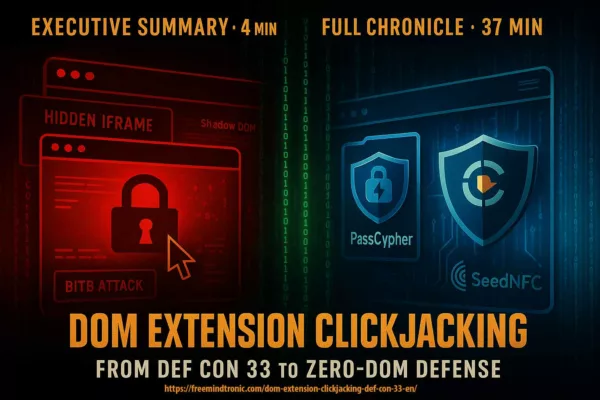
2025 Digital Security
DOM Extension Clickjacking — Risks, DEF CON 33 & Zero-DOM fixes
DOM extension clickjacking — a technical chronicle of DEF CON 33 demonstrations, their impact, and [...]
Aug
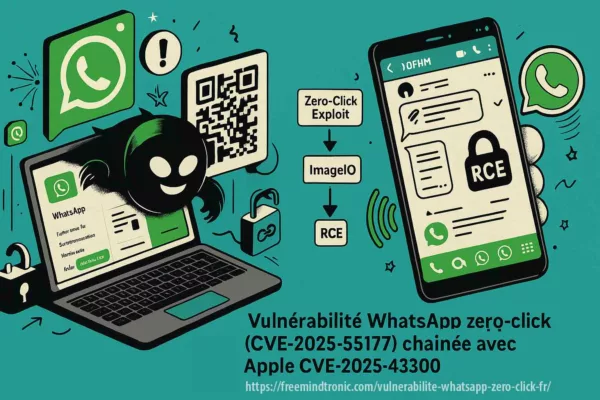
2025 Digital Security
Vulnérabilité WhatsApp Zero-Click — Actions & Contremesures
Vulnérabilité WhatsApp zero-click (CVE-2025-55177) chaînée avec Apple CVE-2025-43300 permet l’exécution de code à distance via [...]
Sep

2025 Digital Security
Chrome V8 Zero-Day CVE-2025-10585 — Ton navigateur était déjà espionné ?
Chrome V8 zero-day CVE-2025-10585 — Votre navigateur n’était pas vulnérable. Vous étiez déjà espionné !
Sep
2025 Digital Security
Confidentialité métadonnées e-mail — Risques, lois européennes et contre-mesures souveraines
La confidentialité des métadonnées e-mail est au cœur de la souveraineté numérique en Europe : [...]
Sep
2025 Digital Security
Email Metadata Privacy: EU Laws & DataShielder
Email metadata privacy sits at the core of Europe’s digital sovereignty: understand the risks, the [...]
Sep

2025 Digital Security
Chrome V8 confusió RCE — Actualitza i postura Zero-DOM
Chrome V8 confusió RCE: aquesta edició exposa l’impacte global i les mesures immediates per reduir [...]
Sep

2025 Digital Security
Chrome V8 confusion RCE — Your browser was already spying
Chrome v8 confusion RCE: This edition addresses impacts and guidance relevant to major English-speaking markets [...]
Sep


2025 Digital Security
Passkeys Faille Interception WebAuthn | DEF CON 33 & PassCypher
Conseil RSSI / CISO – Protection universelle & souveraine EviBITB (Embedded Browser‑In‑The‑Browser Protection) est une [...]
Aug

2025 Cyberculture Digital Security
Reputation Cyberattacks in Hybrid Conflicts — Anatomy of an Invisible Cyberwar
Synchronized APT leaks erode trust in tech, alliances, and legitimacy through narrative attacks timed with [...]
Jul
2025 Digital Security
APT28 spear-phishing: Outlook backdoor NotDoor and evolving European cyber threats
Russian cyberattack on Microsoft by Midnight Blizzard (APT29) highlights the strategic risks to digital sovereignty. [...]
Apr
2024 Cyberculture Digital Security
Russian Cyberattack Microsoft: An Unprecedented Threat
Russian cyberattack on Microsoft by Midnight Blizzard (APT29) highlights the strategic risks to digital sovereignty. [...]
Jul

2024 Digital Security
Midnight Blizzard Cyberattack Against Microsoft and HPE: What are the consequences?
Midnight Blizzard Cyberattack against Microsoft and HPE: A detailed analysis of the facts, the impacts [...]
Mar
2025 Digital Security
eSIM Sovereignty Failure: Certified Mobile Identity at Risk
Runtime Threats in Certified eSIMs: Four Strategic Blind Spots While geopolitical campaigns exploit the [...]
Jul
2025 Digital Security
ToolShell SharePoint vulnerability: NFC HSM mitigates token forgery & zero-day RCE
Jul
2025 Digital Security
APT29 Exploits App Passwords to Bypass 2FA
A silent cyberweapon undermining digital trust Two-factor authentication (2FA) was supposed to be the cybersecurity [...]
Jun

2015 Digital Security
Darknet Credentials Breach 2025 – 16+ Billion Identities Stolen
Underground Market: The New Gold Rush for Stolen Identities The massive leak of over 16 [...]
Jun
2025 Digital Security
Signal Clone Breached: Critical Flaws in TeleMessage
TeleMessage: A Breach That Exposed Cloud Trust and National Security Risks TeleMessage, marketed as a [...]
May
2025 Digital Security
APT29 Spear-Phishing Europe: Stealthy Russian Espionage
APT29 SpearPhishing Europe: A Stealthy LongTerm Threat APT29 spearphishing Europe campaigns highlight a persistent and [...]
Apr
2025 Digital Security
APT36 SpearPhishing India: Targeted Cyberespionage | Security
Understanding Targeted Attacks of APT36 SpearPhishing India APT36 cyberespionage campaigns against India represent a focused [...]
May

2025 Digital Security
Microsoft Outlook Zero-Click Vulnerability: Secure Your Data Now
Microsoft Outlook Zero-Click Vulnerability: How to Protect Your Data Now A critical Zero-Click vulnerability (CVE-2025-21298) [...]
Jan
2025 Digital Security
Microsoft Vulnerabilities 2025: 159 Flaws Fixed in Record Update
Microsoft: 159 Vulnerabilities Fixed in 2025 Microsoft has released a record-breaking security update in January [...]
Jan

2025 Digital Security
APT44 QR Code Phishing: New Cyber Espionage Tactics
APT44 Sandworm: The Elite Russian Cyber Espionage Unit Unmasking Sandworm’s sophisticated cyber espionage strategies and [...]
Feb
2025 Digital Security
BadPilot Cyber Attacks: Russia’s Threat to Critical Infrastructures
BadPilot Cyber Attacks: Sandworm’s New Weaponized Subgroup Understanding the rise of BadPilot and its impact [...]
Feb

2024 Digital Security
Salt Typhoon & Flax Typhoon: Cyber Espionage Threats Targeting Government Agencies
Salt Typhoon – The Cyber Threat Targeting Government Agencies Salt Typhoon and Flax Typhoon represent [...]
Nov
2024 Digital Security
BitLocker Security: Safeguarding Against Cyberattacks
Introduction to BitLocker Security If you use a Windows computer for data storage or processing, [...]
Feb


2024 Digital Security
Cyberattack Exploits Backdoors: What You Need to Know
Cyberattack Exploits Backdoors: What You Need to Know In October 2024, a cyberattack exploited backdoors [...]
Oct

2021 Cyberculture Digital Security Phishing
Phishing Cyber victims caught between the hammer and the anvil
Phishing is a fraudulent technique that aims to deceive internet users and to steal their [...]
May
2024 Digital Security
Google Sheets Malware: The Voldemort Threat
Sheets Malware: A Growing Cybersecurity Concern Google Sheets, a widely used collaboration tool, has shockingly [...]
Sep

2024 Articles Digital Security News
Russian Espionage Hacking Tools Revealed
Russian Espionage Hacking Tools: Discovery and Initial Findings Russian espionage hacking tools were uncovered by [...]
Aug

2024 Digital Security Spying Technical News
Side-Channel Attacks via HDMI and AI: An Emerging Threat
Understanding the Impact and Evolution of Side-Channel Attacks in Modern Cybersecurity Side-channel attacks, also known [...]
Aug

Digital Security Spying Technical News
Are fingerprint systems really secure? How to protect your data and identity against BrutePrint
Fingerprint Biometrics: An In-Depth Exploration of Security Mechanisms and Vulnerabilities It is a widely recognized [...]
Oct
2024 Digital Security Technical News
Apple M chip vulnerability: A Breach in Data Security
Apple M chip vulnerability: uncovering a breach in data security Researchers at the Massachusetts Institute [...]
Mar

Digital Security Technical News
Brute Force Attacks: What They Are and How to Protect Yourself
Brute-force Attacks: A Comprehensive Guide to Understand and Prevent Them Brute Force: danger and protection [...]
Nov
2024 Digital Security
OpenVPN Security Vulnerabilities Pose Global Security Risks
Critical OpenVPN Vulnerabilities Pose Global Security Risks OpenVPN security vulnerabilities have come to the forefront, [...]
Aug

2024 Digital Security
Google Workspace Vulnerability Exposes User Accounts to Hackers
How Hackers Exploited the Google Workspace Vulnerability Hackers found a way to bypass the email [...]
Aug

2023 Digital Security
Predator Files: The Spyware Scandal That Shook the World
Predator Files: How a Spyware Consortium Targeted Civil Society, Politicians and Officials Cytrox: The maker [...]
Oct

2023 Digital Security
5Ghoul: 5G NR Attacks on Mobile Devices
5Ghoul: How Contactless Encryption Can Secure Your 5G Communications from Modem Attacks 5Ghoul is a [...]
Dec

2024 Digital Security
Leidos Holdings Data Breach: A Significant Threat to National Security
A Major Intrusion Unveiled In July 2024, the Leidos Holdings data breach came to light, [...]
Jul

2024 Digital Security
RockYou2024: 10 Billion Reasons to Use Free PassCypher
RockYou2024: A Cybersecurity Earthquake The RockYou2024 data leak has shaken the very foundations of global [...]
Jul

2024 Digital Security
Europol Data Breach: A Detailed Analysis
May 2024: Europol Security Breach Highlights Vulnerabilities In May 2024, Europol, the European law enforcement [...]
May
2024 Digital Security
Dropbox Security Breach 2024: Phishing, Exploited Vulnerabilities
Phishing Tactics: The Bait and Switch in the Aftermath of the Dropbox Security Breach The [...]
May

Digital Security EviToken Technology Technical News
EviCore NFC HSM Credit Cards Manager | Secure Your Standard and Contactless Credit Cards
EviCore NFC HSM Credit Cards Manager is a powerful solution designed to secure and manage [...]
Jun

2024 Digital Security
Kapeka Malware: Comprehensive Analysis of the Russian Cyber Espionage Tool
Kapeka Malware: The New Russian Intelligence Threat In the complex world of cybersecurity, a [...]
Apr

2024 Cyberculture Digital Security News Training
Andorra National Cyberattack Simulation: A Global First in Cyber Defense
Andorra Cybersecurity Simulation: A Vanguard of Digital Defense Andorra-la-Vieille, April 15, 2024 – Andorra is [...]
Apr
Articles Digital Security EviVault Technology NFC HSM technology Technical News
EviVault NFC HSM vs Flipper Zero: The duel of an NFC HSM and a Pentester
EviVault NFC HSM vs Flipper Zero: The duel of an NFC HSM and a Pentester [...]
Jul

Articles Cryptocurrency Digital Security Technical News
Securing IEO STO ICO IDO and INO: The Challenges and Solutions
Securing IEO STO ICO IDO and INO: How to Protect Your Crypto Investments Cryptocurrencies are [...]
Jun

2023 Articles Digital Security Technical News
Remote activation of phones by the police: an analysis of its technical, legal and social aspects
What is the new bill on justice and why is it raising concerns about privacy? [...]
Jun

Articles Cyberculture Digital Security Technical News
Protect Meta Account Identity Theft with EviPass and EviOTP
Protecting Your Meta Account from Identity Theft Meta is a family of products that includes [...]
May

2024 Digital Security
Cybersecurity Breach at IMF: A Detailed Investigation
Cybersecurity Breach at IMF: A Detailed Investigation Cybersecurity breaches are a growing concern worldwide. The [...]
Mar

2023 Articles Cyberculture Digital Security Technical News
Strong Passwords in the Quantum Computing Era
How to create strong passwords in the era of quantum computing? Quantum computing is a [...]
May
2024 Digital Security
PrintListener: How to Betray Fingerprints
PrintListener: How this Technology can Betray your Fingerprints and How to Protect yourself PrintListener revolutionizes [...]
Feb

2024 Articles Digital Security News
How the attack against Microsoft Exchange on December 13, 2023 exposed thousands of email accounts
How the attack against Microsoft Exchange on December 13, 2023 exposed thousands of email accounts [...]
Feb

2024 Articles Digital Security News Spying
How to protect yourself from stalkerware on any phone
What is Stalkerware and Why is it Dangerous? Stalkerware, including known programs like FlexiSpy, mSpy, [...]
Jan

2023 Articles DataShielder Digital Security Military spying News NFC HSM technology Spying
Pegasus: The cost of spying with one of the most powerful spyware in the world
Pegasus: The Cost of Spying with the Most Powerful Spyware in the World Pegasus is [...]
Oct

2024 Digital Security Spying
Ivanti Zero-Day Flaws: Comprehensive Guide to Secure Your Systems Now
What are Zero-Day Flaws and Why are They Dangerous? A zero-day flaw is a previously [...]
Feb

2024 Articles Compagny spying Digital Security Industrial spying Military spying News Spying Zero trust
KingsPawn A Spyware Targeting Civil Society
QuaDream: KingsPawn spyware vendor shutting down in may 2023 QuaDream was a company that [...]
Apr
The chronicles displayed above ↑ belong to the Digital Security section. They extend the analysis of sovereign architectures, data black markets, and surveillance tools. This selection complements the present chronicle dedicated to the **Ledger Security Breaches (2017–2026)** and the systemic risks linked to hardware vulnerabilities, supply‑chain compromises, and third‑party providers.
- Executive Summary — Ledger Security Breaches
- Advanced Summary
- Chronicle — Ledger Security Breaches (2017–2026)
- 2018 — Seed Phrase Recovery Attack
- 2018 — Firmware Replacement Attack
- 2018 — PCB Modification Attack
- 2019 — Monero (XMR) Application Vulnerability
- Permanent Risk — Blind Signing
- 2020 — Ledger Customer Data Leak
- 2023 — Supply Chain: Connect Kit
- 2026 — Global-e Order-Data Leak
- ↳ Hybrid threats: phishing → physical coercion
- ↳ Global reactions: trust erosion & legal pressure
- ↳ SeedNFC: encrypted QR (air-gap sharing)
- ↳ Best practices
- Comparison: other crypto wallets
- Tech / Regulatory / Societal Projections
- Sovereign Alternatives — NFC HSM
- Strategic Outlook
Advanced Summary
A sequence of breaches that reveals a security-model problem
Since 2017, Ledger has faced a series of major incidents: seed phrase recovery attacks, firmware replacement, physical device modifications, application-level vulnerabilities (Monero), the massive 2020 customer database leak, the 2023 software supply-chain compromise, and the 2026 Global-e order-data leak. Taken separately, each event can be labeled an “incident.” Taken together, they reveal a security model problem.
The common denominator is not low-level cryptography, but the recurring necessity for critical secrets (seed phrases, private keys, identity-related metadata) to pass at some point through a non-sovereign environment: proprietary firmware, the host computer, connected applications, update servers, or an e-commerce partner.
From component security to ecosystem vulnerability
Ledger historically relied on the robustness of the hardware component itself. But from 2020 onward, the attack surface shifted to the peripheral ecosystem: customer databases, logistics services, software dependencies, user interfaces, notifications, and support channels.
The 2026 Global-e leak marks a turning point. Even without direct private-key compromise, exposure of delivery and order metadata turns users into persistent targets: ultra-targeted phishing, “delivery” social engineering, doxxing, and, in extreme cases, physical threats. Security is no longer only digital — it becomes civil and personal.
Why phishing and hybrid attacks become inevitable
Once a user’s real identity is correlated with crypto ownership, phishing stops being opportunistic. It becomes industrial and personalized.
BITB attacks, fake updates, fake delivery incidents, or “compliance” scams exploit less a technical bug than the human factor, made vulnerable by exposed metadata.
In this context, hardening firmware or adding software warnings is not sufficient. The problem is not cryptographic signing — it is that the secret or its holder becomes identifiable, traceable, or remotely reachable.
Paradigm shift: from trust to hardware proof
Facing these structural limits, some approaches do not attempt to strengthen transaction signing — they aim to remove critical secrets from any connected ecosystem. Freemindtronic’s sovereign alternatives follow the opposite logic: instead of securing a connected stack, they seek to radically reduce dependencies. NFC HSM devices are battery-less, cable-less, and network-port-less, requiring no account, no server, and no cloud synchronization.
This paradigm shift is embodied by air-gap secret sharing: critical secrets (seed phrases, private keys, credentials for hot wallets or proprietary systems) can be transferred hardware → hardware from one SeedNFC HSM to another, via an RSA-4096 encrypted QR code using the recipient’s public key — without blockchain, without server, and without any transaction-signing function.
A structural answer to the failures observed since 2017
Where Ledger failures rely on supply chains, updates, and commercial relationships, sovereign architectures remove these breaking points by design. There is nothing to hack remotely, nothing to divert in a cloud, and nothing to extract from a third-party server. Even if visually exposed, an encrypted QR code remains unusable without physical possession of the recipient HSM.
This model does not promise “magic” security. It imposes deliberate responsibility: irreversibility of transfers, physical control, and operational discipline. But it eliminates the systemic attack vectors that have repeatedly surfaced since 2017.
Ledger Security Breaches (2017–2026): How to Protect Your Cryptocurrencies
Have you ever questioned the real level of security protecting your digital assets?
If you use a Ledger device, you may assume your funds are safe from hackers. Ledger is a French company widely recognized for its role in cryptocurrency security, offering hardware wallets designed to isolate private keys from online threats.
However, since 2017, Ledger Security Breaches have repeatedly challenged this assumption. Over time, multiple vulnerabilities have emerged—some exposing personal data, others enabling private-key compromise only in specific, controlled attack scenarios (e.g., physical access or manipulated environments). These weaknesses have allowed attackers not only to steal funds, but also to exploit users through phishing, identity correlation, and targeted coercion.
This chronicle provides a structured analysis of the major Ledger security incidents from 2017 to 2026. It explains how each breach was exploited, what risks they introduced, and why certain architectural choices amplify systemic exposure. Most importantly, it outlines practical and strategic approaches to reduce attack surfaces and regain control over cryptographic sovereignty.
Rather than focusing on fear or isolated failures, this analysis aims to help users understand the evolving threat landscape—and to distinguish between trust-based security and proof-based, sovereign architectures.
Ledger security incidents: How Hackers Exploited Them and How to Stay Safe
Ledger security breaches have exposed logistical and relational metadata (delivery address, purchase history, identity correlation), and in specific historical attack scenarios, enabled the compromise of private keys under controlled conditions. Ledger is a French company that provides secure devices to store and manage your funds. But since 2017, hackers have targeted Ledger’s e-commerce and marketing database, as well as its software and hardware products. In this article, you will discover the different breaches, how hackers exploited them, what their consequences were, and how you can protect yourself from these threats.

2026 Cyber Doctrine Digital Security
Whisper Leak side-channel and LLM token leakage
2026 Digital Security
Zero-Knowledge Downgrade Attacks — Structural Risks


2026 Digital Security
Cyber espionnage zero day : marché, limites et doctrine souveraine
2026 Digital Security
Cyberattaque HubEE : Rupture silencieuse de la confiance numérique
2026 Digital Security
Browser Fingerprinting : le renseignement par métadonnées en 2026
2026 Digital Security
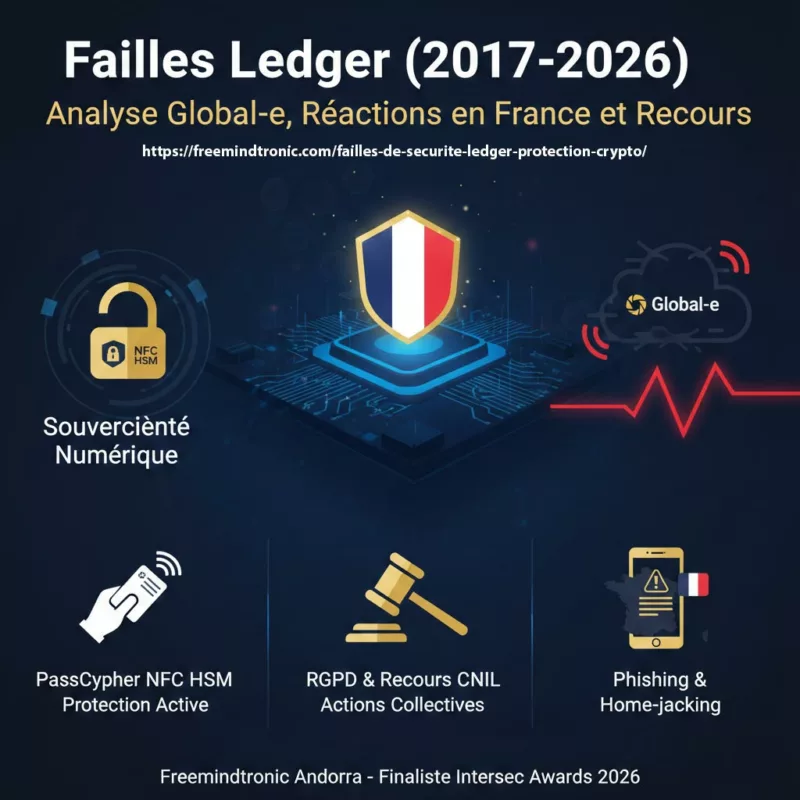
Failles de sécurité Ledger : Analyse 2017-2026 & Protections

2025 Digital Security
OpenAI Mixpanel Breach Metadata – phishing risks and sovereign security with PassCypher
Ledger Security Breaches (2017–2026): From Hardware Attacks to Systemic Supply-Chain Risk
Have you ever wondered how safe your cryptocurrencies are? If you are using a Ledger device, you might think that you are protected from hackers and thieves. Ledger is a French company that specializes in cryptocurrency security. It offers devices that allow you to store and manage your funds securely. These devices are called hardware wallets, and they are designed to protect your private keys from hackers and thieves.
However, since 2017, Ledger has been the target of multiple incidents that exposed logistical and relational metadata (delivery address, purchase history, identity correlation) and, in specific historical attack scenarios, enabled private-key compromise under controlled conditions. These breaches could allow hackers to steal your cryptocurrencies or harm you in other ways. In this article, we will show you the different breaches that were discovered, how they were exploited, what their consequences were, and how you can protect yourself from these threats.
Ledger Security Issues: The Seed Phrase Recovery Attack (February 2018)
The seed phrase is a series of words that allows you to restore access to a cryptocurrency wallet. It must be kept secret and secure, as it gives full control over the funds. In February 2018, a security researcher named Saleem Rashid discovered a breach in the Ledger Nano S, which allowed an attacker with physical access to the device to recover the seed phrase using a side-channel attack.
How did hackers exploit the breach?
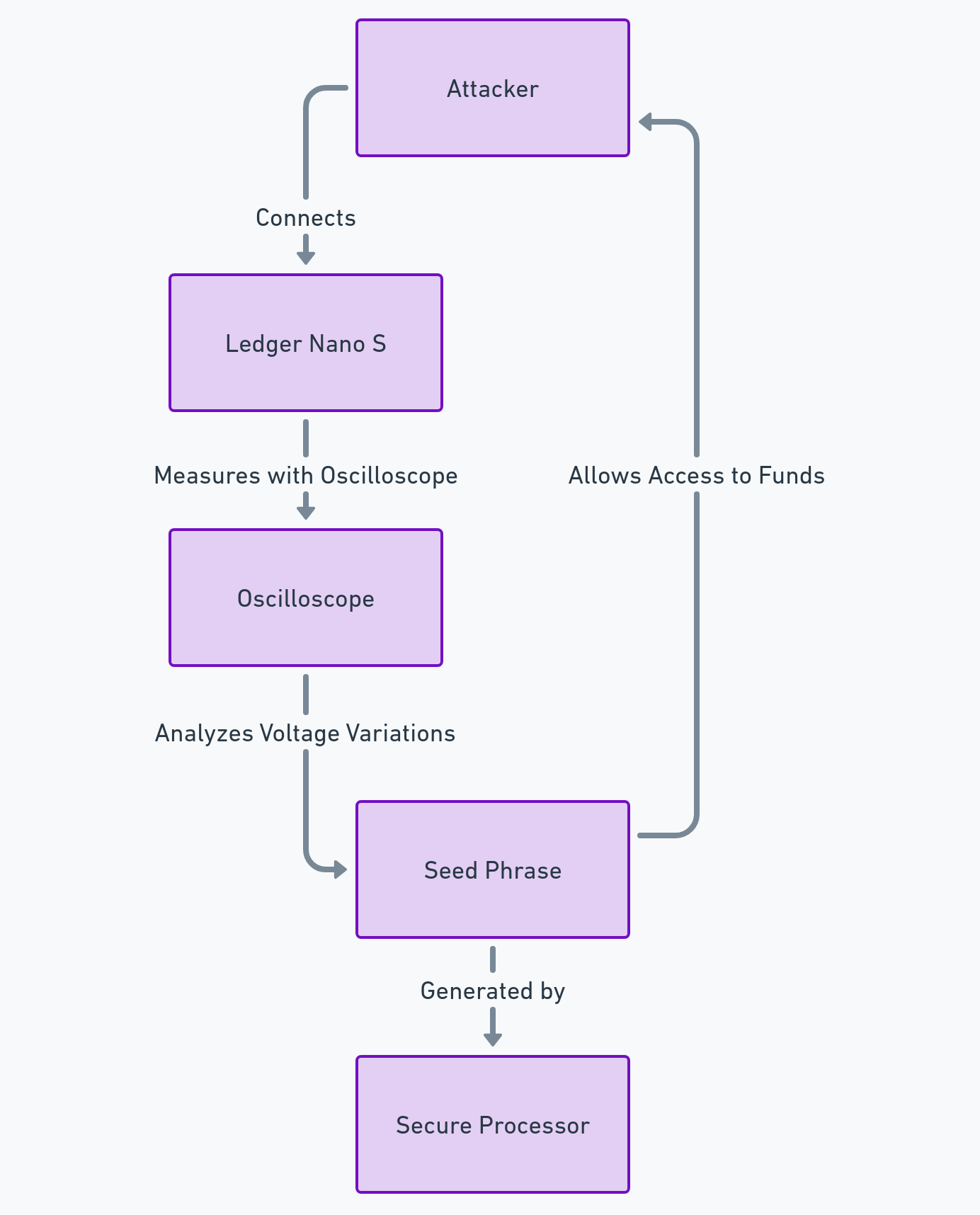
The attack consisted of using an oscilloscope to measure the voltage variations on the reset pin of the device. These variations reflected the operations performed by the secure processor of the Ledger Nano S, which generated the seed phrase. By analyzing these variations, the attacker could reconstruct the seed phrase and access the user’s funds.
Simplified diagram of the attack
- Number of potentially affected users: about 1 million
- Total amount of potentially stolen funds: unknown
- Date of discovery of the breach by Ledger: February 20, 2018
- Author of the discovery of the breach: Saleem Rashid, a security researcher
- Date of publication of the fix by Ledger: April 3, 2018
Scenarios of hacker attacks
- Scenario of physical access: The attacker needs to have physical access to the device, either by stealing it, buying it second-hand, or intercepting it during delivery. The attacker then needs to connect the device to an oscilloscope and measure the voltage variations on the reset pin. The attacker can then use a software tool to reconstruct the seed phrase from the measurements.
- Scenario of remote access: The attacker needs to trick the user into installing a malicious software on their computer, which can communicate with the device and trigger the reset pin. The attacker then needs to capture the voltage variations remotely, either by using a wireless device or by compromising the oscilloscope. The attacker can then use a software tool to reconstruct the seed phrase from the measurements.
Sources
1: Breaking the Ledger Security Model – Saleem Rashid published on March 20, 2018.
2: Ledger Nano S: A Secure Hardware Wallet for Cryptocurrencies? – Saleem Rashid published on November 20, 2018.
Ledger Security Flaws: The Firmware Replacement Attack (March 2018)
The firmware is the software that controls the operation of the device. It must be digitally signed by Ledger to ensure its integrity. In March 2018, the same researcher discovered another breach in the Ledger Nano S, which allowed an attacker to replace the firmware of the device with a malicious firmware, capable of stealing the private keys or falsifying the transactions.
How did hackers exploit the Ledger Security Breaches?
The attack consisted of exploiting a vulnerability in the mechanism of verification of the firmware signature. The attacker could create a malicious firmware that passed the signature check, and that installed on the device. This malicious firmware could then send the user’s private keys to the attacker, or modify the transactions displayed on the device screen.
Simplified diagram of the attack
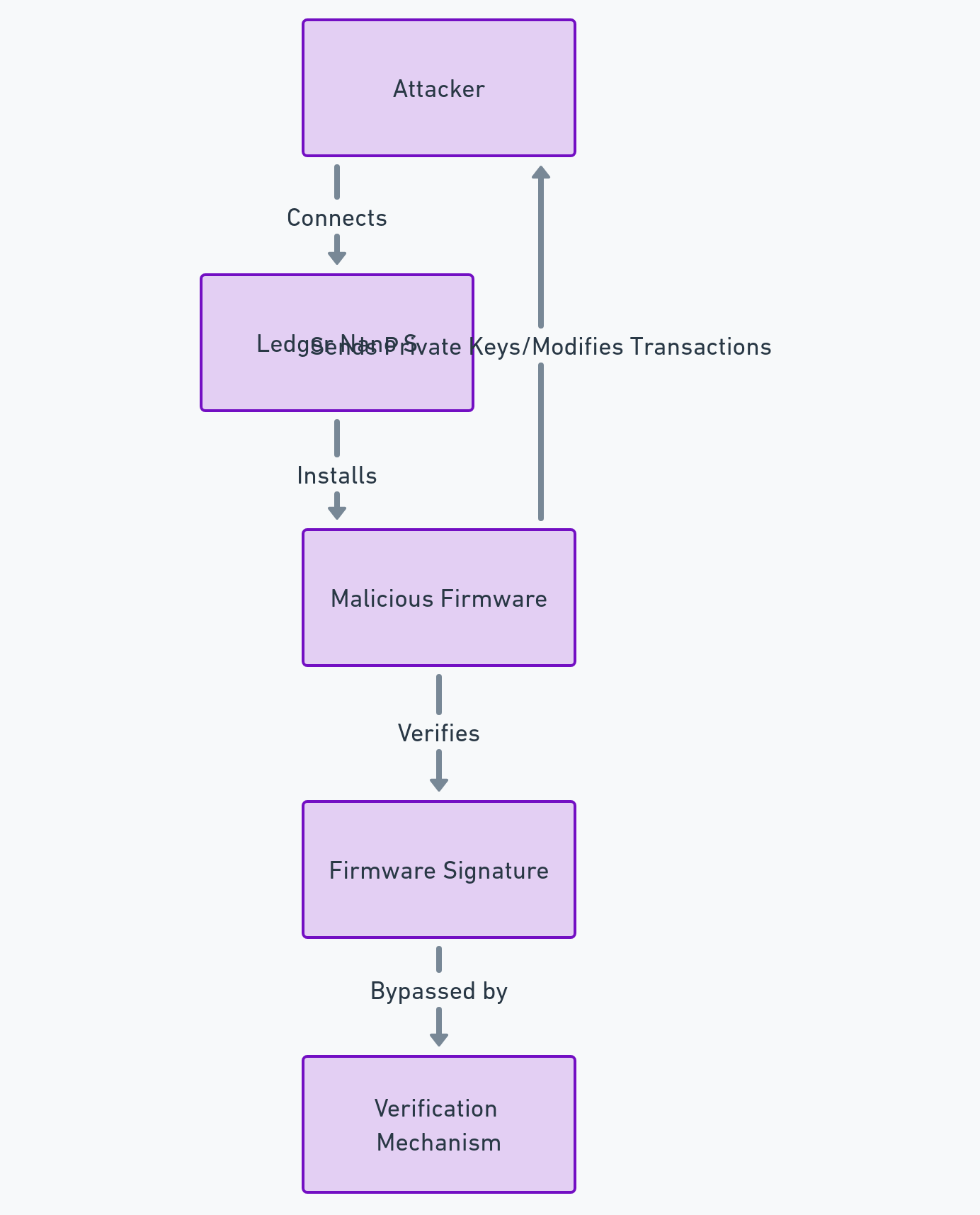
Statistics on the breach
- Number of potentially affected users: about 1 million
- Total amount of potentially stolen funds: unknown
- Date of discovery of the breach by Ledger: March 20, 2018
- Author of the discovery of the breach: Saleem Rashid, a security researcher
- Date of publication of the fix by Ledger: April 3, 2018
Scenarios of hacker attacks
- Scenario of physical access: The attacker needs to have physical access to the device, either by stealing it, buying it second-hand, or intercepting it during delivery. The attacker then needs to connect the device to a computer and install the malicious firmware on it. The attacker can then use the device to access the user’s funds or falsify their transactions.
- Scenario of remote access: The attacker needs to trick the user into installing the malicious firmware on their device, either by sending a fake notification, a phishing email, or a malicious link. The attacker then needs to communicate with the device and send the user’s private keys or modify their transactions.
Sources
- Breaking the Ledger Security Model – Saleem Rashid published on March 20, 2018.
- Ledger Nano S Firmware 1.4.1: What’s New? – Ledger Blog published on March 6, 2018.
- Monero App Vulnerability Analysis – Ledger Donjon published on March 2019.
Ledger Security Incidents: The Printed Circuit Board Modification Attack (November 2018)
The printed circuit board is the hardware part of the device, which contains the electronic components. It must be protected against malicious modifications, which could compromise the security of the device. In November 2018, a security researcher named Dmitry Nedospasov discovered a breach in the Ledger Nano S, which allowed an attacker with physical access to the device to modify the printed circuit board and install a listening device, capable of capturing the private keys or modifying the transactions.
How did hackers exploit the breach?
The attack consisted of removing the case of the device, and soldering a microcontroller on the printed circuit board. This microcontroller could intercept the communications between the secure processor and the non-secure processor of the Ledger Nano S, and transmit them to the attacker via a wireless connection. The attacker could then access the user’s private keys, or modify the transactions displayed on the device screen.
Simplified diagram of the attack
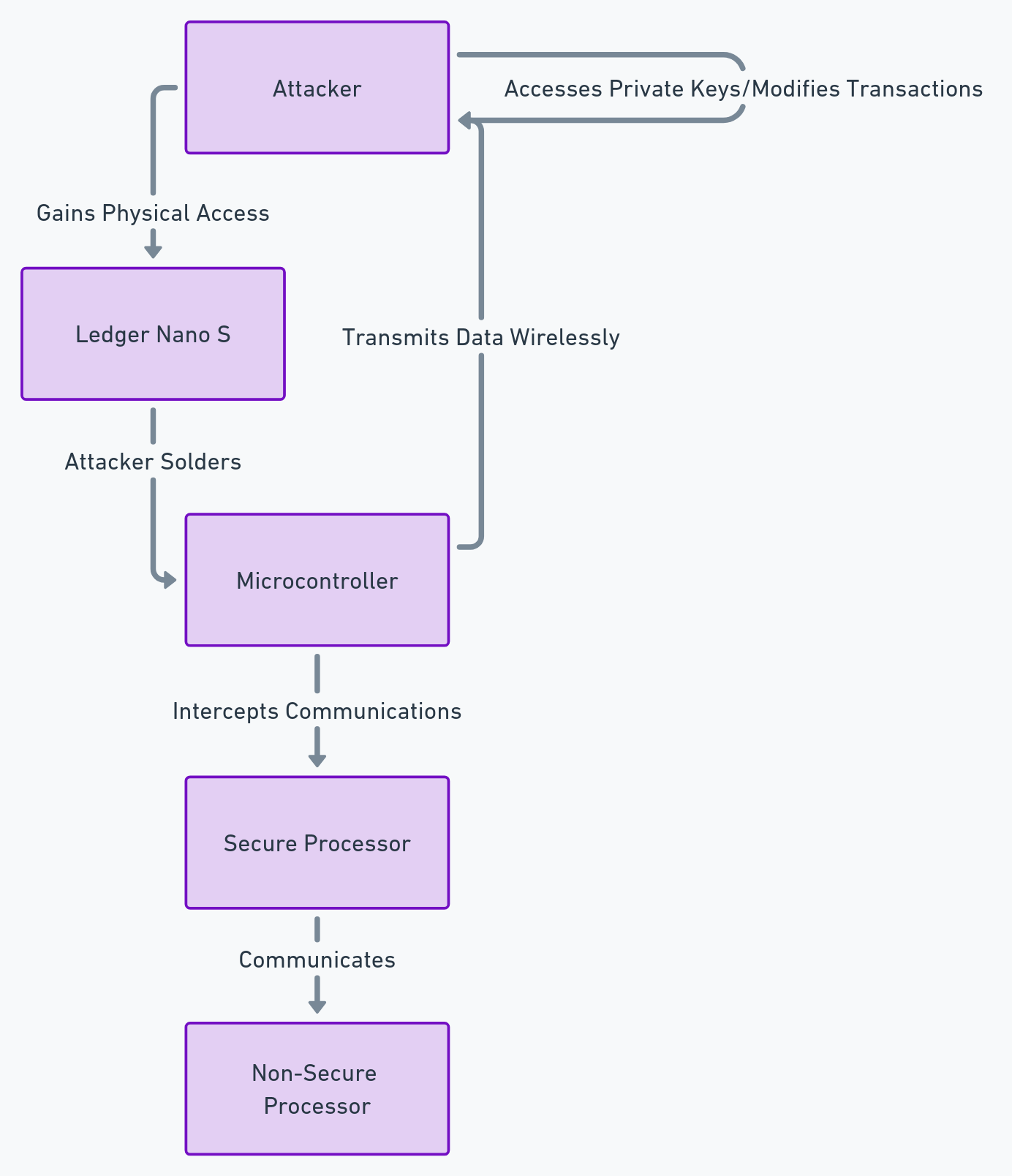
Statistics on the breach
- Number of potentially affected users: unknown
- Total amount of potentially stolen funds: unknown
- Date of discovery of the breach by Ledger: November 7, 2019
- Author of the discovery of the breach: Dmitry Nedospasov, a security researcher
- Date of publication of the fix by Ledger: December 17, 2020
Scenarios of hacker attacks
- Scenario of physical access: The attacker needs to have physical access to the device, either by stealing it, buying it second-hand, or intercepting it during delivery. The attacker then needs to remove the case of the device and solder the microcontroller on the printed circuit board. The attacker can then use the wireless connection to access the user’s funds or modify their transactions.
- Scenario of remote access: The attacker needs to compromise the wireless connection between the device and the microcontroller, either by using a jammer, a repeater, or a hacker device. The attacker can then intercept the communications between the secure processor and the non-secure processor, and access the user’s funds or modify their transactions.
Sources
- [Breaking the Ledger Nano X – Dmitry Nedospasov] published on November 7, 2019.
- [How to Verify the Authenticity of Your Ledger Device – Ledger Blog] published on December 17, 2020.
Ledger Security Breaches: Monero Application Vulnerability (March 2019)
Not all cryptocurrencies interact with hardware wallets in the same way.
In March 2019, a critical vulnerability was discovered in the Monero (XMR) application for Ledger devices.
Unlike the 2018 physical attacks, this flaw was located in the communication protocol between the Ledger device and the Monero desktop client.
How Was the Vulnerability Exploited?
The flaw allowed a malicious or compromised Monero client to send manipulated transaction data to the Ledger device.
By exploiting a bug in the handling of change outputs, an attacker could:
- redirect funds to an address under their control without the user noticing on the Ledger screen, or
- under specific and controlled conditions, reconstruct the Monero private spend key by observing multiple device–host exchanges.
In this scenario, the hardware wallet signed cryptographically valid transactions based on manipulated inputs originating from the host software.
Incident Summary
- Potentially affected users: Monero (XMR) holders using Ledger Nano S or Nano X
- Reported loss: One documented case of approximately 1,600 XMR (~USD 83,000 at the time)
- Date of discovery: March 4, 2019
- Discoverers: Monero community & Ledger Donjon
- Patch released: March 6, 2019 (Monero app version 1.5.1)
Attack Scenarios
- Compromised software: The user interacts with an infected or unofficial Monero GUI wallet. During a legitimate transaction, the client silently alters transaction parameters to drain funds.
- Key reconstruction (controlled scenario): An attacker with malware on the host computer could theoretically reconstruct the Monero private spend key by intercepting and correlating multiple device–PC exchanges.
Important clarification: This incident did not involve a mass leak of private keys.
It demonstrated that, under specific conditions and with a compromised host environment, private key compromise was technically possible due to application-layer design flaws.
Structural “Blind Signing” Vulnerability: Signing in the Dark by Design (Permanent)
Blind Signing is not a temporary flaw nor a bug that can be patched with a firmware update.
It is a structural design limitation inherent to hardware wallets when confronted with the growing complexity of smart contracts.
As of 2026, it represents the #1 fund-theft vector in Web3, ahead of classic technical exploits.
Why Blind Signing Is Fundamentally Dangerous
A hardware wallet is supposed to enable conscious and verifiable validation of sensitive operations.
With Blind Signing, however, the device is unable to render the real intent of the contract being signed.
The user is typically presented with:
- a generic “Data Present” message
- unreadable hexadecimal strings
- or a partial, non-human-interpretable description
The signature becomes an act of faith.
The user no longer validates a understood action, but complies with an opaque interface.
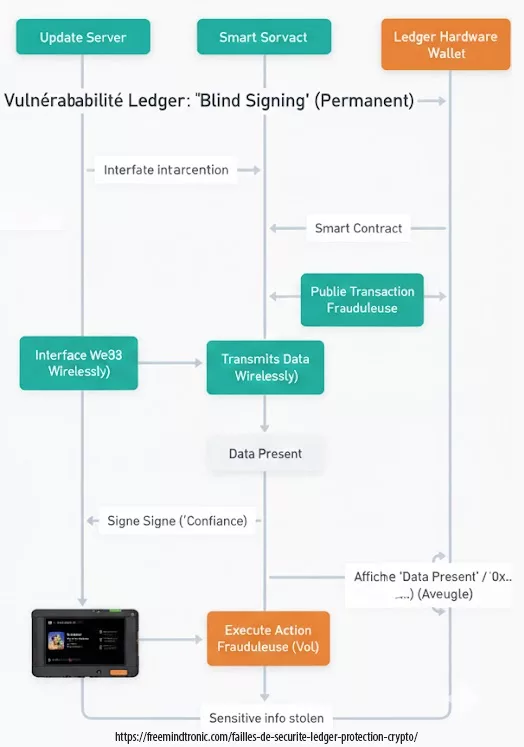
Figure — Blind Signing: when the user signs a transaction whose real intent cannot be verified.
An Attack by Consent, Not by Circumvention
Unlike the 2018 Ledger incidents (seed recovery, firmware replacement, PCB modification),
Blind Signing does not attempt to break the hardware security.
It turns it against the user.
Everything is:
- cryptographically valid
- signed with the genuine private key
- irreversible on the blockchain
There is no detectable malware, no key extraction, no firmware compromise.
The loss is legally and technically attributable to the signature itself.
Impact and Scope
- Affected users: 100% of DeFi / NFT / Web3 users
- Estimated losses: hundreds of millions of USD (cumulative)
- Status: permanent and systemic risk
- Root cause: inability to verify signed intent
Typical Attack Scenarios
- Wallet drainers: a fake mint or airdrop leads to signing a contract that grants unlimited asset transfer rights.
- Hidden infinite approvals: the user unknowingly signs a permanent authorization. The wallet is emptied later, without any further interaction.
Conclusion:
Blind Signing marks a critical rupture: the private key remains protected, but effective security disappears.
The question is no longer “Is my wallet secure?”, but:
“Am I able to prove what I am signing?”
Ledger Security Breaches: The Connect Kit Attack (December 2023)
The Connect Kit is a software that allows users to manage their cryptocurrencies from their computer or smartphone, by connecting to their Ledger device. It allows to check the balance, send and receive cryptocurrencies, and access services such as staking or swap.
The Connect Kit breach was discovered by the security teams of Ledger in December 2023. It was due to a vulnerability in a third-party component used by the Connect Kit. This component, called Electron, is a framework that allows to create desktop applications with web technologies. The version used by the Connect Kit was not up to date, and had a breach that allowed hackers to execute arbitrary code on the update server of the Connect Kit.
Technical validation: This type of supply chain attack is classified under CWE-494 (Download of Code Without Integrity Check). You can monitor similar hardware wallet vulnerabilities on the MITRE CVE Database.
How did hackers exploit the Ledger Security Breaches?
The hackers took advantage of this breach to inject malicious code into the update server of the Connect Kit. This malicious code was intended to be downloaded and executed by the users who updated their Connect Kit software. The malicious code aimed to steal the sensitive information of the users, such as their private keys, passwords, email addresses, or phone numbers.
Simplified diagram of the attack
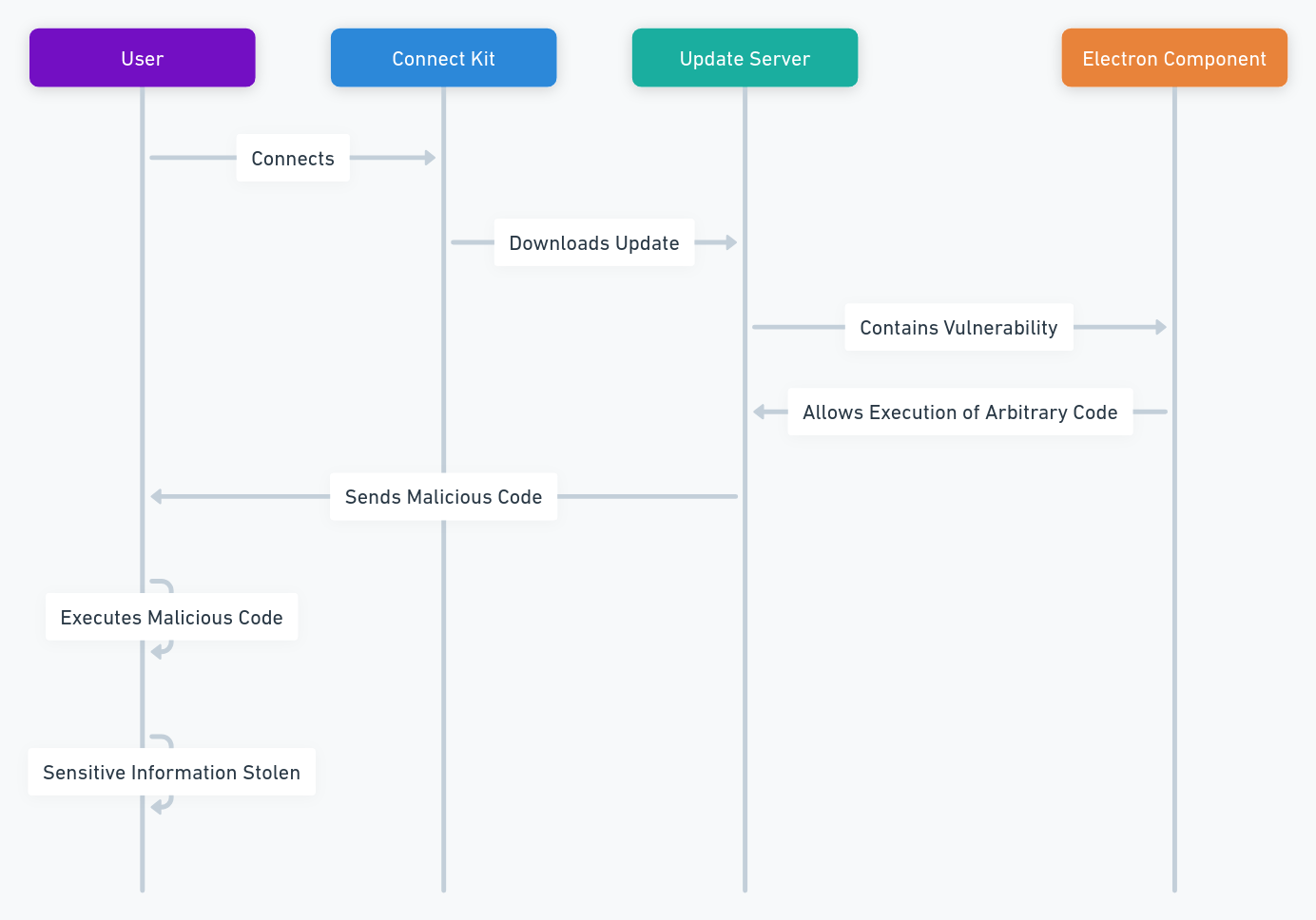
Statistics on the breach
- Number of potentially affected users: about 10,000
- Total amount of potentially stolen funds: unknown
- Date of discovery of the breach by Ledger: December 14, 2023
- Author of the discovery of the breach: Pierre Noizat, director of security at Ledger
- Date of publication of the fix by Ledger: December 15, 2023
Scenarios of hacker attacks
- Scenario of remote access: The hacker needs to trick the user into updating their Connect Kit software, either by sending a fake notification, a phishing email, or a malicious link. The hacker then needs to download and execute the malicious code on the user’s device, either by exploiting a vulnerability or by asking the user’s permission. The hacker can then access the user’s information or funds.
- Scenario of keyboard: The hacker needs to install a keylogger on the user’s device, either by using the malicious code or by another means. The keylogger can record the keystrokes of the user, and send them to the hacker. The hacker can then use the user’s passwords, PIN codes, or seed phrases to access their funds.
- Scenario of screen: The hacker needs to install a screen recorder on the user’s device, either by using the malicious code or by another means. The screen recorder can capture the screen of the user, and send it to the hacker. The hacker can then use the user’s QR codes, addresses, or transaction confirmations to steal or modify their funds.
Sources
- [https://thehackernews.com/2023/12/crypto-hardware-wallet-ledgers-supply.html] published on December 15, 2023.
Ledger Security Breaches: The Data Leak (December 2020)
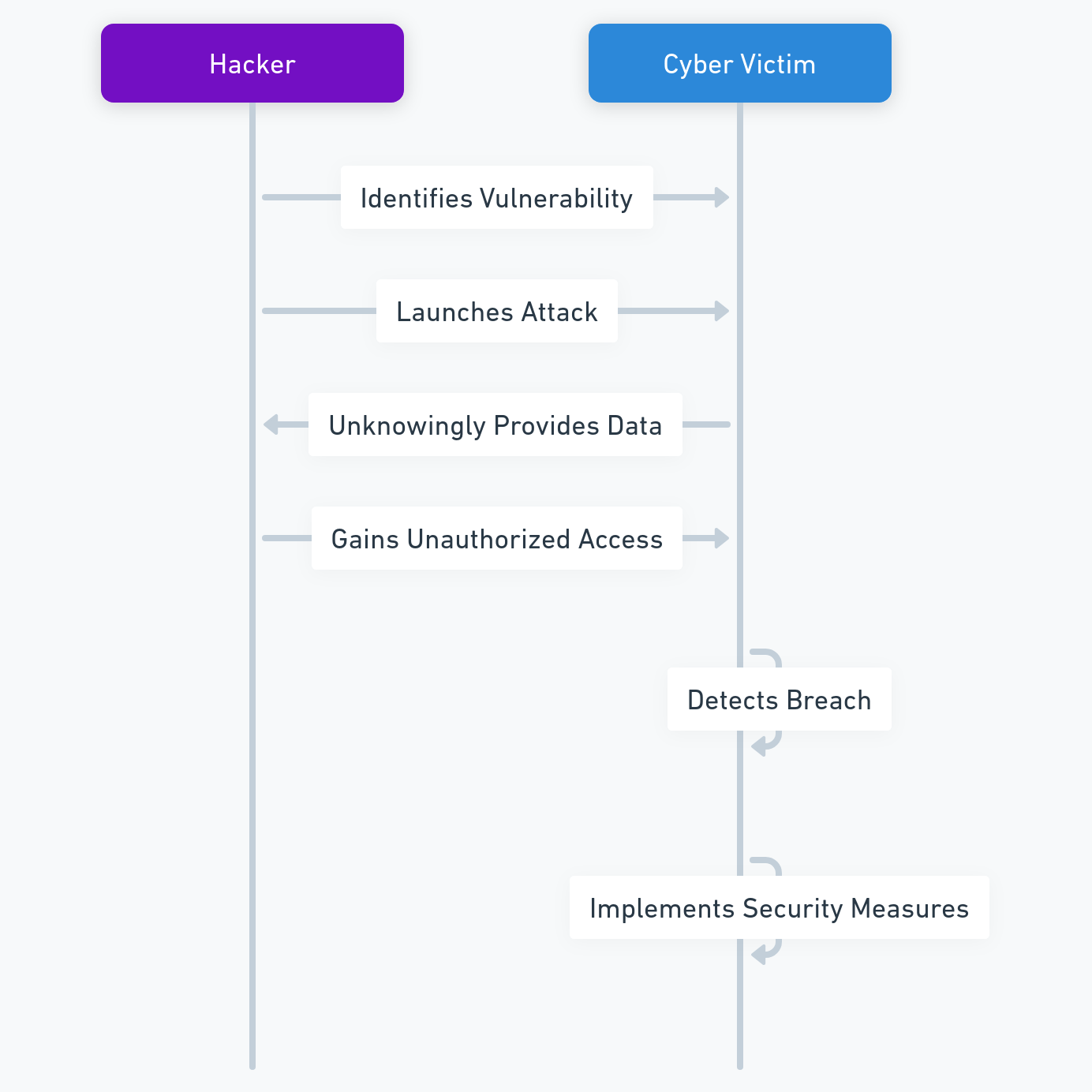
The database is the system that stores the information of Ledger customers, such as their names, addresses, phone numbers and email addresses. It must be protected against unauthorized access, which could compromise the privacy of customers. In December 2020, Ledger revealed that a breach in its database had exposed the logistical and relational metadata (delivery address, purchase history, identity correlation) of 292,000 customers, including 9,500 in France.
How did hackers exploit the breach?
The breach had been exploited by a hacker in June 2020, who had managed to access the database via a poorly configured API key. The hacker had then published the stolen data on an online forum, making them accessible to everyone. Ledger customers were then victims of phishing attempts, harassment, or threats from other hackers, who sought to obtain their private keys or funds.
Simplified diagram of the attack :
Statistics on the breach
- Number of affected users: 292,000, including 9,500 in France
- Total amount of potentially stolen funds: unknown
- Date of discovery of the breach by Ledger: June 25, 2020
- Author of the discovery of the breach: Ledger, after being notified by a researcher
- Date of publication of the fix by Ledger: July 14, 2020
Scenarios of hacker attacks
- Scenario of phishing: The hacker sends an email or a text message to the user, pretending to be Ledger or another trusted entity. The hacker asks the user to click on a link, enter their credentials, or update their device. The hacker then steals the user’s information or funds.
- Scenario of harassment: The hacker calls or visits the user, using their logistical and relational metadata (delivery address, purchase history, identity correlation) to intimidate them. The hacker threatens the user to reveal their identity, harm them, or steal their funds, unless they pay a ransom or give their private keys.
- Scenario of threats: The hacker uses the user’s logistical and relational metadata (delivery address, purchase history, identity correlation) to find their social media accounts, family members, or friends. The hacker then sends messages or posts to the user or their contacts, threatening to harm them or expose their cryptocurrency activities, unless they comply with their demands.
Sources:
- [1] Ledger Blog : Ledger Data Breach: A Cybersecurity Update (January 2021)
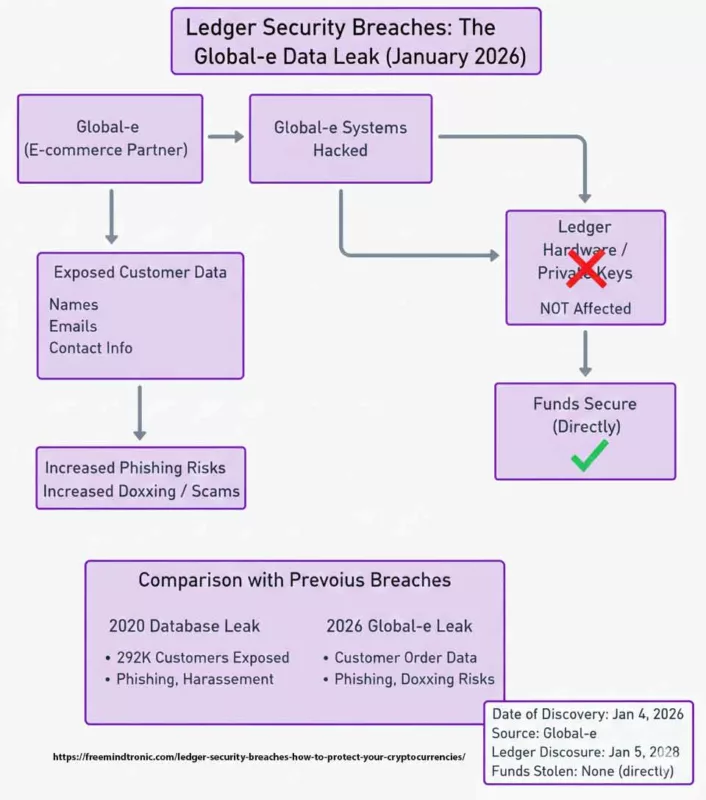
Ledger Security Breaches: The Global-e Data Leak (January 2026)
In January 2026, Ledger disclosed a new breach caused by its e-commerce partner Global-e.
Attackers compromised Global-e’s cloud systems, exposing customer names, email addresses, and delivery contact details used for online orders.
Unlike previous incidents, no seed phrases, private keys, or payment card data were compromised.
However, this leak significantly increased the risk of targeted phishing, doxxing, and long-term social engineering attacks against Ledger customers.
Figure — Global-e 2026 breach: how exposed order data enables phishing, doxxing, and coercive targeting.
Active Defense: Mitigating Global-e Leak Risks
The SeedNFC HSM ecosystem, combined with PassCypher HSM PGP, provides a structural response by shifting security into the user’s physical control:
- Reduced purchase metadata exposure: minimizing the collection and retention of identifiable data (name, address, phone) limits the long-term impact of e-commerce and logistics leaks such as 2020 and Global-e (2026).
- Hardware-based intent validation: critical actions require a physical NFC interaction, rendering remote phishing and fake-support attacks ineffective after a data leak.
- Anti-BITB & Anti-Iframe protection: blocks fake Ledger Live interfaces and credential-harvesting windows commonly used in post-leak phishing campaigns.
- Compromised credential detection: checks whether emails or passwords have appeared in previous breaches, preventing reuse and account takeover.
Global-e Breach Statistics
- Affected users: Not publicly disclosed (investigation ongoing as of January 2026).
- Exposed data: Customer names, emails, and delivery contact information.
- Impact on sensitive assets: None (private keys and funds remained secure).
- Date of discovery: January 4, 2026.
- Breach origin: Global-e cloud infrastructure.
⚠️ Critical Alert: Dark Web Resale & Persistent Targeting
A data breach is permanent. Once an identity is associated with a hardware wallet purchase,
the individual remains a high-value target for years.
Sovereign defense: By managing keys and credentials in a hardware-only environment such as SeedNFC HSM,
users can de-link their digital identity from centralized e-commerce databases and recurring leaks.
Official Sources & Expert References
- [1] Ledger Support: Global-e Incident Report (January 2026)
- [2] Europol (IOCTA): Stolen credential resale markets.
- [3] ANSSI / Cybermalveillance: Official guidance on data-leak risks
- [4] CoinDesk: Ledger warns of phishing risks after partner breach (January 2026).
Escalation of Threats: From Delivery Phishing to Physical Coercion
The Global-e delivery-data leak does not merely enable email scams.
It fuels hybrid attacks where digital exposure transitions into real-world coercion.
“Delivery” Phishing: Precision Social Engineering
Attackers exploit order history to send ultra-credible SMS or emails:
- Scenario: Fake courier messages (customs issue, address error, delayed shipment).
- Trap: A cloned Ledger interface requesting a recovery phrase to “unlock” delivery.
- Why it works: The victim is already expecting a shipment or update.
Physical Extortion & Home-Targeting
When physical addresses are exposed, the threat extends beyond cybercrime:
- Targeted home visits: Criminal groups identify where crypto holders live.
- Coercion: Victims are forced to sign irreversible transfers under threat.
- Family pressure: Attacks may involve relatives to break resistance.
“A leaked Ledger delivery address acts as a marker: it tells criminals where the vault is and who holds the key.” This reality forces a fundamental rethink of how security tools are purchased and how identity is exposed.
Official Statements and Expert Sources
- [1] Ledger Support: Official Incident Report – Global-e (January 2026)
- [2] Ledger Blog:Ledger Data Breach: A Cybersecurity Update (January 2021)
- [3] Europol (IOCTA): Internet Organised Crime Threat Assessment – Resold credentials market
- [4] ANSSI (France): Official guidance on data leaks and extortion risks
- [5] CoinDesk: Ledger warns of phishing risks after partner hack (January 2026)
- [6] FBI (IC3):Internet Crime Complaint Center – Warnings on data breach-enabled scams
Global Reactions: Trust Erosion, Legal Pressure, and Community Backlash
The January 2026 Global-e order-data breach triggered a strong and immediate reaction across the global crypto ecosystem. Unlike earlier technical exploits, this incident reinforced a growing perception that the primary risk no longer lies in cryptography or hardware components, but in ecosystem-level dependencies: e-commerce partners, logistics providers, and identity-linked metadata.
Across English-speaking communities (Reddit, X, Discord, Telegram), the dominant sentiment was not surprise, but fatigue. For many users, Global-e represented the third major reminder—after 2020 and 2023—that hardware security alone does not guarantee user safety.
Recurring Themes in Anglophone Communities
- Collapse of “secure-by-brand” trust: Ledger’s hardware is still widely perceived as technically robust, but confidence in the surrounding commercial and data-handling ecosystem has eroded.
- Metadata as the real vulnerability: Users increasingly recognize that names, emails, delivery addresses, and purchase history enable profiling, targeting, and coercion—even when private keys remain secure.
- Phishing industrialization: Highly personalized scams (fake delivery notices, fake compliance alerts, fake support cases) are now viewed as an unavoidable consequence of large-scale data leaks.
From Cybersecurity to Legal and Regulatory Exposure
In the United States, United Kingdom, and European Union, discussions rapidly shifted toward legal accountability and consumer protection, backed by official frameworks:
- Class action risk (US / UK): Law firms are examining collective lawsuits for negligence and failure of duty of care, citing precedents in data breach litigation.
- Regulatory scrutiny: Data-protection authorities like the CNIL (EU) and the ICO (UK) have emphasized strict third-party dependency management under GDPR.
- Law-enforcement alerts: Agencies like Cybermalveillance.gouv.fr and the FBI (IC3) emphasize that crypto-related leaks increasingly enable hybrid crime, combining cyber-fraud with real-world intimidation.
Hybrid Threat Escalation: From Phishing to Physical Coercion
The Global-e breach illustrates a broader evolution of crypto-crime: the transition from purely digital theft to hybrid attack models, a trend confirmed by the INTERPOL Global Cybercrime reports.
Precision Phishing at Global Scale
Attackers leverage order metadata to craft highly credible messages. As reported by The Block, these campaigns include:
- Fake courier notifications (customs delay, address issues)
- Cloned Ledger Live portals requesting recovery phrases
- Social-engineering scripts tailored to purchase history
Physical Targeting and Extortion Risks
Once physical addresses are exposed, risks extend beyond cybercrime, aligning with the Chainalysis Crypto Crime evolution analysis:
- Home targeting: Criminal groups identify where high-value crypto holders live.
- Forced transactions: Victims are coerced into signing irreversible transfers via physical threats.
- Family leverage: Threats may extend to relatives to break resistance.
“A leaked delivery address does not steal funds—but it identifies the vault and the person holding the key.”
This realization has driven a growing demand for identity-minimizing, hardware-sovereign security models built on privacy-by-design principles —such as those prioritizing “Privacy by Design” by erasing all digital purchase records—to decouple asset protection from centralized logistics vulnerabilities.
Permanent Air-Gapped Secret Sharing: RSA-4096 Encrypted QR Between SeedNFC HSM Devices
SeedNFC implements a fully air-gapped secret-sharing mechanism based on an
RSA-4096 encrypted QR code using the recipient’s public key.
The recipient must be another SeedNFC HSM, ensuring that only that device can decrypt and
import the secret directly into hardware.
The QR code is only an encrypted transport container. It can be displayed locally, sent as an image,
or even shown during a video call. Without physical possession of the recipient SeedNFC HSM,
the content remains mathematically unusable.
- Offline asymmetric encryption: the secret is never exposed in plaintext inside the QR code.
- Zero infrastructure: no server, no account, no database, no cloud.
- Operational + logical air-gap: sharing remains possible without any network connectivity.
This mechanism includes no revocation, no delay, and no expiration: the transfer is permanent by design.
It enables direct hardware → hardware transfer of critical secrets (seed phrases, private keys, access credentials)
between isolated HSM devices, with no software intermediary and no blockchain involvement.
Clarification: secret transfer ≠ transaction signing
SeedNFC HSM is not presented here as a transaction signer. Its role is upstream: to generate, store, and transfer secrets (seed phrases, private keys) or authentication data (IDs/passwords, hot-wallet access, proprietary systems) within a sovereign hardware boundary.
It can also store encrypted seed phrases from third-party wallets (Ledger, Trezor, software hot wallets, etc.) and their associated private keys, without depending on the original vendor’s firmware, software, or infrastructure.
Depending on the use case, data can be injected in a controlled way into an application field through Bluetooth HID keyboard emulation (e.g., migration, restore, login).
Web complement: for browser workflows, equivalent controlled input can be triggered via the Freemindtronic browser extension (explicit field selection). This eliminates exposure via clipboard, temporary files, or cloud sync, and strongly reduces risk from classic software keyloggers, since the user does not type anything.
Scope note: like any input, data may still become observable at the display point or on a compromised host (screen capture, application malware). The goal is to remove “copy/paste + file” vectors and human typing—not to make an infected system “invulnerable”.
Important: transferring a private key transfers ownership (full control over the associated funds).This is relevant for backup, migration, inheritance, or off-chain ownership transfer, but must be used with strict operational discipline.
Comparison with other crypto wallets
Ledger is not the only solution to secure your cryptocurrencies. There are other options, such as other hardware wallets, software wallets, or exchanges. Each option has its advantages and disadvantages, depending on your needs and preferences.
Other Hardware Wallets
For example, other hardware wallets, such as Trezor, offer similar features and security levels as Ledger, but they may have different designs, interfaces, or prices.
Software Wallets
Software wallets, such as Exodus or Electrum, are more convenient and accessible, but they are less secure and more vulnerable to malware or hacking.
Exchanges
Exchanges, such as Coinbase or Binance, are more user-friendly and offer more services, such as trading or staking, but they are more centralized and risky, as they can be hacked, shut down, or regulated.
| Security Vector | Traditional USB Wallet | Freemindtronic NFC HSM |
|---|---|---|
| Physical Attack Surface | High (USB ports, Battery, Screen) | Minimal (No ports, No battery) |
| Data Persistence | Risk of flash memory wear | High (EviCore long-term integrity) |
| Side-Channel Leakage | Possible (Power consumption analysis) | Immune (Passive induction) |
Cold Wallet Alternatives
Another option is to use a cold wallet, such as SeedNFC HSM, which is a patented HSM that uses NFC technology to create, store, and transfer cryptographic secrets (seed phrases, private keys, credentials) in an offline, hardware-only environment, without any connection to the internet or a computer. It also allows you to create up to 100 cryptocurrency wallets and check the balances from this NFC HSM.
Internationally Patented Sovereign Technology
To address the structural flaws identified in traditional hardware wallets, Freemindtronic uses a unique architecture protected by international patents (WIPO). These technologies ensure that the user remains the sole master of their security environment.
- Access Control System Patent WO2017129887
Guarantees physical-to-digital integrity by ensuring the HSM can only be triggered by a specific, intentional human action, preventing remote exploitation. - Segmented Key Authentication System Patent WO2018154258
Provides a defense-in-depth mechanism where secrets are fragmented. This prevents a “single point of failure,” making “Connect Kit” type attacks or firmware replacements ineffective.
Technological, Regulatory, and Societal Projections
The future of cryptocurrency security is uncertain and challenging. Many factors can affect Ledger and its users, such as technological, regulatory, or societal changes.
Technological changes
It changes could bring new threats, such as quantum computing, which could break the encryption of Ledger devices, or new solutions, such as biometric authentication or segmented key authentication patented by Freemindtronic, which could improve the security of Ledger devices.
Regulatory changes
New rules or restrictions could affect Cold Wallet and Hardware Wallet manufacturers and users, such as Ledger. For example, KYC (Know Your Customer) or AML (Anti-Money Laundering) requirements could compromise the privacy and anonymity of Ledger users. They could also ban or limit the use of cryptocurrencies, which could reduce the demand and value of Ledger devices. On the other hand, other manufacturers who have anticipated these new legal constraints could have an advantage over Ledger. Here are some examples of regulatory changes that could affect Ledger and other crypto wallets:
- MiCA, the proposed EU regulation on crypto-asset markets, aims to create a harmonized framework for crypto-assets and crypto-asset service providers in the EU. It also seeks to address the risks and challenges posed by crypto-assets, such as consumer protection, market integrity, financial stability and money laundering.The Markets in Crypto-Assets (MiCA) regulation, specifically Title V on service provider obligations, is now the gold standard. Freemindtronic technologies are designed to align with the Official Regulation (EU) 2023/1114, ensuring privacy while meeting compliance needs.
- U.S. interagency report on stablecoins recommends that Congress consider new legislation to ensure that stablecoins and stablecoin arrangements are subject to a federal prudential framework. It also proposes additional features, such as limiting issuers to insured depository institutions, subjecting entities conducting stablecoin activities (e.g., digital wallets) to federal oversight, and limiting affiliations between issuers and commercial entities.
- Revised guidance from the Financial Action Task Force (FATF) on virtual assets and virtual asset service providers (VASPs) clarifies the application of FATF standards to virtual assets and VASPs. It also introduces new obligations and recommendations for PSAVs, such as the implementation of the travel rule, licensing and registration of PSAVs, and supervision and enforcement of PSAVs.
These regulatory changes could have significant implications for Ledger and other crypto wallets. They could require them to comply with new rules and standards, to obtain new licenses or registrations, to implement new systems and processes, and to face new supervisory and enforcement actions.
Societal changes
Societal changes could influence the perception and adoption of Ledger and cryptocurrencies, such as increased awareness and education, which could increase the trust and popularity of Ledger devices, or increased competition and innovation, which could challenge the position and performance of Ledger devices. For example, the EviSeed NFC HSM technology allows the creation of up to 100 cryptocurrency wallets on 5 different blockchains chosen freely by the user.
Technological Alternatives for Absolute Sovereignty
The persistence of Ledger Security Breaches demonstrates that relying on a single centralized manufacturer creates a systemic risk. Today, decentralized alternatives developed by Freemindtronic in Andorra offer a paradigm shift: security based on hardware proof and physical intent, rather than brand trust.
Technologies such as EviCore NFC HSM and EviSeed NFC HSM are not just wallets; they are contactless cybersecurity ecosystems. Unlike Ledger, these devices are battery-less and cable-less, eliminating physical ports (USB/Bluetooth) as attack vectors.
Internationally Patented Security
Freemindtronic’s architecture is anchored by two fundamental international patents (WIPO) that solve the structural flaws found in traditional hardware wallets:
- Segmented Key Authentication System (WO2018154258): Prevents the compromise of the whole seed or private key, even if the environment is attacked.
- Access Control System (WO2017129887): Ensures that the HSM can only be triggered by the user’s physical intent via NFC, neutralizing remote software threats.
Unified Security: Hardware-Based Password Management
One of the most innovative features of the SeedNFC HSM is its integration of the EviPass NFC HSM technology. This addresses the “human factor” exploited in phishing scams.
- Decentralized & Passwordless: Manage non-morphic passwords without ever storing them on a computer.
- Physical Entropy: Immunity to keyloggers and screen recorders used in the Connect Kit attacks.
- Contactless Convenience: Secure auto-fill by simply tapping your device.
Universal Access: Smartphone & Desktop Integration
Advanced “Air-Gap” Input: Keyboard Emulation
To bypass compromised clipboards, Fullsecure with Inputstick enables hardware-level data injection.
How it works: Your smartphone acts as a Bluetooth HID Keyboard, “typing” secrets directly into any device.
- No Clipboard Exposure: Secrets never pass through the computer’s buffer.
- Hardware Injection: Neutralizes software-based keyloggers relying on human keystroke capture.
Important clarification: transferring a private key is not a transaction. It is an off-chain transfer of ownership, granting full control over the associated assets.
Active Defense: Neutralizing BITB & Redirection Attacks
The SeedNFC HSM ecosystem, when paired with the free PassCypher HSM PGP version and the browser extension, provides a unique multi-layered shield against modern web threats:
-
- Anti-BITB (Browser-In-The-Browser): The extension features a dedicated anti-iframe system. It detects and blocks malicious windows that simulate fake login screens—a common tactic used to steal Ledger credentials.
- Automated Corruption Check: Integrated with Have I Been Pwned, the system automatically checks if your IDs or passwords have been compromised in historical leaks, ensuring you never use “vulnerable” credentials.
- End-to-End Encrypted Auto-fill: Sensitive data is encrypted directly within the SeedNFC HSM on your Android device. It is only decrypted at the final millisecond of injection into the browser, ensuring that no plain-text data ever resides in the computer’s memory.
How to use: Open the Freemindtronic Android App (where SeedNFC is embedded), tap your HSM to your phone, and let the secure bridge handle the encrypted injection directly into your Chrome or Edge browser.
Best Practices to Protect Yourself
- Never share your seed phrase or private keys — no support, update, delivery, or compliance process ever requires them.
- Assume all inbound communication is hostile by default — (email, SMS, phone, social media). Always verify via official, manually accessed channels.
- Strictly separate identity from asset ownership — use a dedicated email, avoid real-name linkage, and minimize purchase metadata exposure.
- Avoid blind signing whenever possible — never sign transactions or approvals you cannot fully interpret and verify.
- Prefer sovereign, hardware-only cold storage — (e.g., patented NFC HSM architectures) that do not rely on vendor servers, firmware updates, or e-commerce ecosystems.
- Keep secrets out of connected environments — avoid clipboards, cloud sync, screenshots, password files, and shared devices.
- Use hardware-enforced authentication and password management — to neutralize phishing, BITB, and credential reuse.
- Plan for irreversible scenarios — define secure procedures for backup, migration, inheritance, and off-chain ownership transfer.
- Accept operational responsibility — sovereignty implies discipline, physical control, and acceptance that some actions cannot be undone.
Securing the Future: From Vulnerability to Digital Sovereignty
Since 2017, the trajectory of Ledger Security Breaches has served as a critical case study for the entire crypto ecosystem. While Ledger remains a pioneer in hardware security, the recurring incidents—ranging from early physical exploits to the massive 2026 Global‑e data leak—demonstrate that a “secure device” is no longer enough. The threat has shifted from the chip itself to the systemic supply chain and the exposure of relational data.
The January 2026 incident confirms a persistent reality: even when private keys remain shielded, the leak of customer metadata (names, emails, and order history) creates a permanent risk of targeted phishing, doxxing, and social engineering. This highlights the inherent danger of centralized e‑commerce databases and the fragility of relying on third‑party partners for a product whose core promise is absolute security.
The Sovereign Alternative: Security by Design
To break this cycle of dependency, the paradigm must shift toward decentralized hardware security. This is where patented technologies developed by Freemindtronic in Andorra provide a structural response:
- Physical Intent & Access Control (WO2017129887): Eliminates the remote attack surface by requiring a physical, contactless validation that cannot be spoofed by malicious software updates.
- Segmented Key Authentication (WO2018154258): Protects against systemic breaches (like the Connect Kit attack) by ensuring that secrets are never centralized or fully exposed, even in a compromised environment.
This model does not promise convenience. It requires strict operational discipline, physical control, and acceptance of irreversibility.
For Ledger users, vigilance remains the primary line of defense. Respecting strict digital hygiene—verifying every communication via the official Ledger help center and using dedicated, non‑identifiable contact info for purchases—is essential. However, for those seeking to eliminate the “third‑party risk” entirely, transitioning to battery‑less, contactless, and patented NFC HSM solutions represents the next step in achieving true digital sovereignty.
As the crypto landscape evolves through 2026 and beyond, the lesson is clear: Don’t just trust the brand—trust the architecture.
Technical Reference: The EviCore and SeedNFC architectures are based on WO2017129887 and WO2018154258 patents. Developed by Freemindtronic Andorra for absolute digital sovereignty.