Category Archives: Cyber Doctrine

ANSSI Cryptography Authorization: Complete Declaration Guide
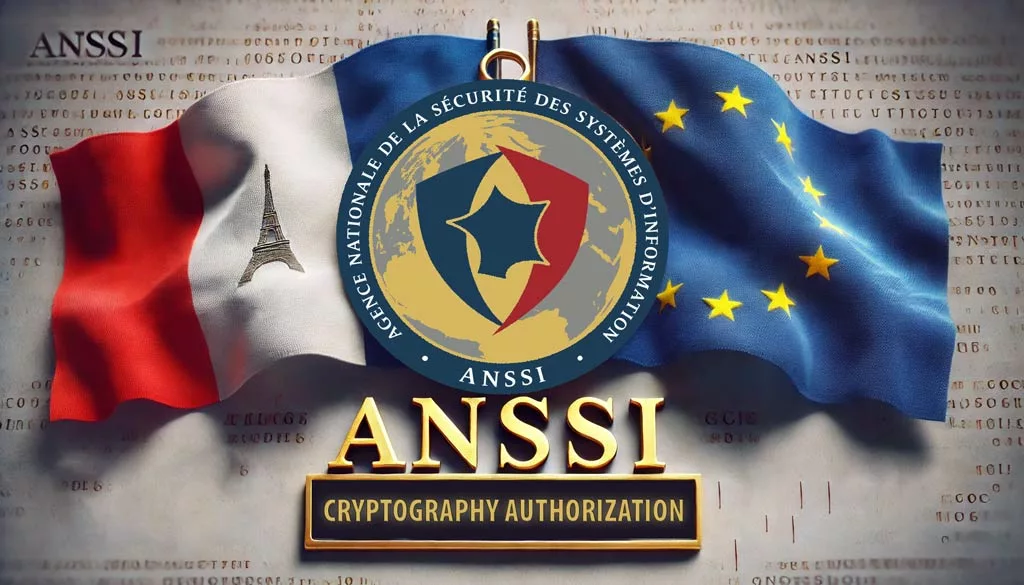
Flags of France and the European Union on a white background representing ANSSI cryptography authorization

Comprehensive Guide: Navigating Cryptographic Means Authorization

ANSSI cryptography authorization: Learn how to navigate the regulatory landscape for importing and exporting cryptographic products in France. This comprehensive guide covers the necessary steps, deadlines, and documentation required to comply with both national and European standards. Read on to ensure your operations meet all legal requirements.
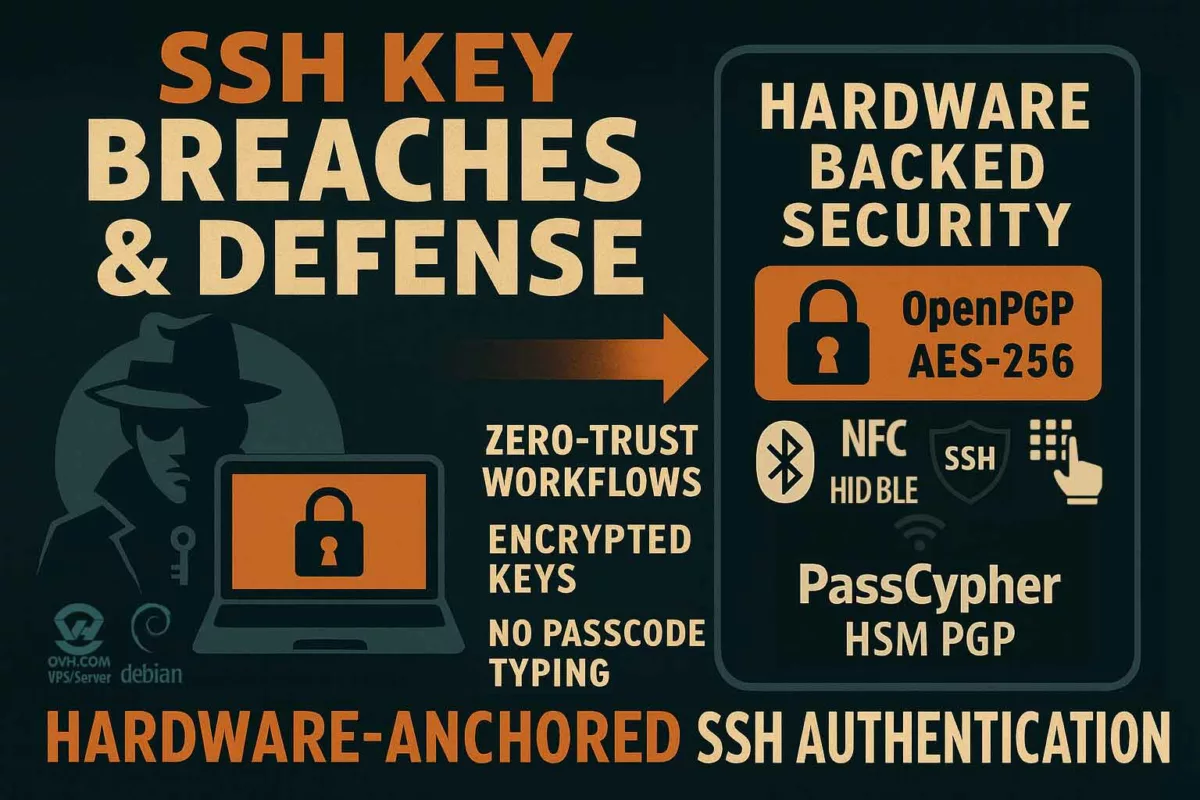
2025 Digital Security Technical News

Sovereign SSH Authentication with PassCypher HSM PGP — Zero Key in Clear

2025 Digital Security Tech Fixes Security Solutions Technical News

SSH Key PassCypher HSM PGP — Sécuriser l’accès multi-OS à un VPS
2025 Digital Security Technical News

Générateur de mots de passe souverain – PassCypher Secure Passgen WP
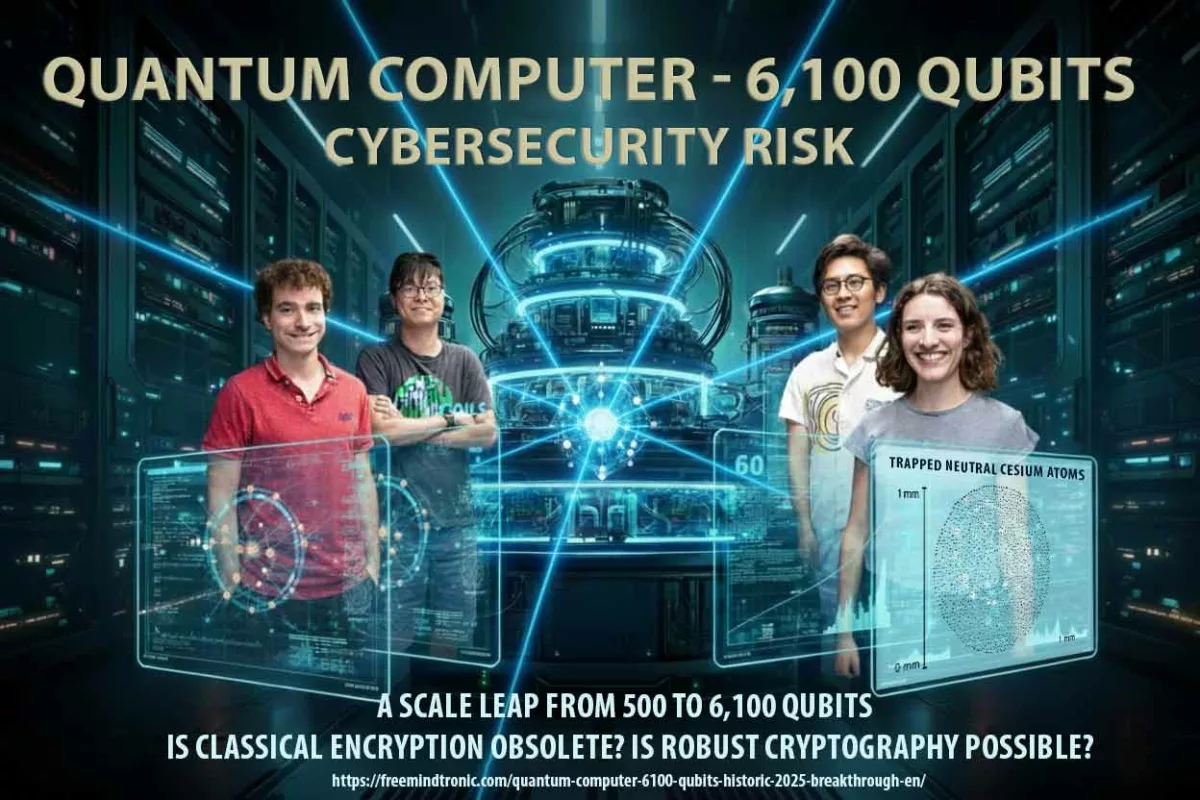
2025 Digital Security Technical News

Quantum computer 6100 qubits ⮞ Historic 2025 breakthrough

2025 Digital Security Technical News

Ordinateur quantique 6100 qubits ⮞ La percée historique 2025
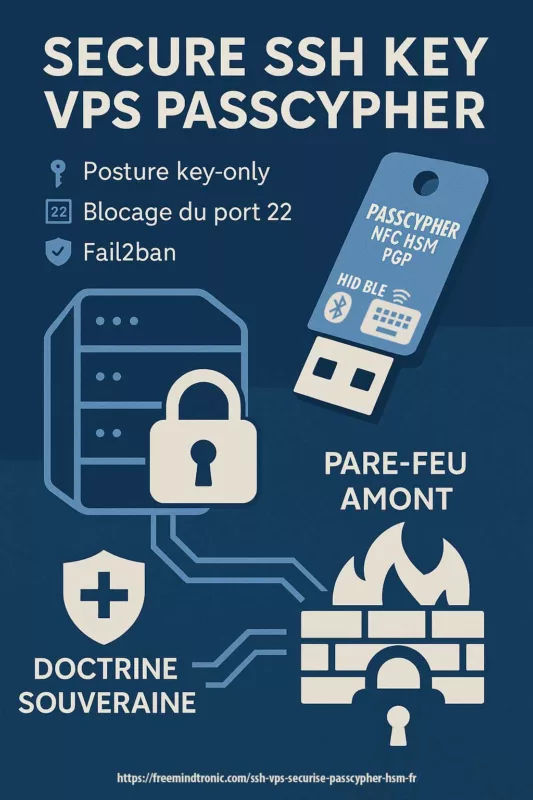
2025 Tech Fixes Security Solutions Technical News

SSH VPS Sécurisé avec PassCypher HSM
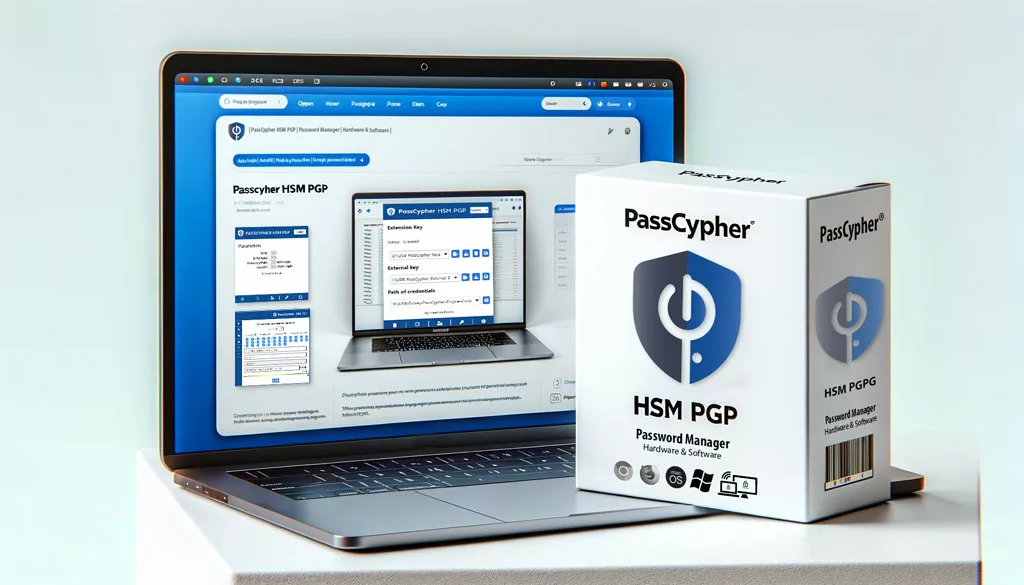
2025 PassCypher Password Products Technical News

Passwordless Password Manager: Secure, One-Click Simplicity to Redefine Access

Stay informed with our posts dedicated to Cyberculture to track its evolution through our regularly updated topics.

ANSSI cryptography authorization, authored by Jacques Gascuel, CEO of Freemindtronic, provides a detailed overview of the regulatory framework governing cryptographic products. This guide addresses the essential steps for compliance, including how to fill out the necessary forms, meet deadlines, and provide the required documentation. Stay informed on these critical updates and more through our tech solutions.

Complete Guide: Declaration and Application for Authorization for Cryptographic Means

In France, the import, export, supply, and transfer of cryptographic products are strictly regulated by Decree n°2007-663 of 2 May 2007. This decree sets the rules to ensure that operations comply with national and European standards. At the same time, EU Regulation 2021/821 imposes additional controls on dual-use items, including cryptographic products.

This guide explains in detail the steps to correctly fill in the declaration or authorization request form, as well as the deadlines and documents to be provided to comply with the ANSSI cryptography authorization requirements.

Download the XDA Form

Click this link to Download the declaration and authorization application form

Regulatory Framework: Decree No. 2007-663 and Regulation (EU) 2021/821

Decree No. 2007-663 of 2 May 2007 regulates all operations related to the import, export, supply, and transfer of cryptographic means. It clearly sets out the conditions under which these operations may be carried out in France by defining declaration and authorization regimes. To consult the decree, click this link: Decree n°2007-663 of 2 May 2007.

At the European level, Regulation (EU) 2021/821 concerns dual-use items, including cryptographic products. This regulation imposes strict controls on these products to prevent their misuse for military or criminal purposes. To view the regulation, click this link: Regulation (EU) 2021/821.

By following these guidelines, you can ensure that your operations comply with both national and European standards for cryptographic products. If you need further assistance or have any questions, feel free to reach out!

Fill out the XDA PDF Form

The official form must be completed and sent in two copies to the ANSSI. It is essential to follow the instructions carefully and to tick the appropriate boxes according to the desired operations (declaration, application for authorisation or renewal).

Address for submitting forms

French National Agency for the Security of Information Systems (ANSSI)Regulatory Controls Office51, boulevard de La Tour-Maubourg75700 PARIS 07 SP.

Contact:

  • Phone: +33 (0)1 71 75 82 75
  • Email: controle@ssi.gouv.fr

This form allows several procedures to be carried out according to Chapters II and III of the decree.
You can download the official form by following this PDF link.

  • Declaration of supply, transfer, import or export from or to the European Union or third countries.
  • Application for authorization or renewal of authorization for similar operations.

Paperless submission: new simplified procedure

Since 13 September 2022, an electronic submission procedure has been put in place to simplify the formalities. You can now submit your declarations and authorisation requests by email. Here are the detailed steps:

Steps to submit an online application:

  1. Email address: Send your request to controle@ssi.gouv.fr.
  2. Subject of the email: [formalities] Name of your company – Name of the product. Important: The object must follow this format without modification.
  3. Documents to be attached:
    • Completed form  (electronic version).
    • Scanned  and signed form.
    • All required attachments (accepted formats: .pdf, .xls, .doc).
  4. Large file management: If the size of the attachments exceeds 10 MB, divide your mailing into several emails according to the following nomenclature:
    • [Formalities] Name of your company – Product name – Part 1/x
    • [Formalities] Your Company Name – Product Name – Part 2/x

1. Choice of formalities to be carried out

The form offers different boxes to tick, depending on the formalities you wish to complete:

  • Reporting and Requesting Authorization for Any Cryptographic Medium Operation: By ticking this box, you submit a declaration for all supply, transfer, import or export operations, whether inside or outside the European Union. This covers all types of operations mentioned in the decree.
  • Declaration of supply, transfer from or to a Member State of the European Union, import and export to a State not belonging to the European Union of a means of cryptology: Use this box if you are submitting only a simple declaration without requesting authorisation for the operations provided for in Chapter II of the Decree.
  • Application for authorisation to transfer a cryptographic method to a Member State of the European Union and export to a State that does not belong to the European Union: This box is specific to operations that require prior authorisation, pursuant to Chapter III of the Decree.
  • Renewal of authorisation for the transfer to a Member State of the European Union and for the export of a means of cryptology: If you already have an authorization for certain operations and want to renew it, you will need to check this box.

1.1 Time Limits for Review and Notification of Decisions

This section should begin by explaining the time limits for the processing of applications or declarations based on the operation being conducted. Each subsequent point must address a specific formal procedure in the order listed in your request.

1.1.1 Declaration and Application for Authorization of Any Transaction Relating to a Means of Cryptology

This relates to general declarations for any cryptographic operation, whether it involves supply, transfer, import, or export of cryptographic means.

  • Examination Period: ANSSI will review the declaration or application for 1 month (extended to 2 months for cryptographic services or export to non-EU countries).
  • Result: If the declaration is compliant, ANSSI issues a certificate.
  • In Case of Silence: You may proceed with your operation and request a certificate confirming that the declaration was received if no response is provided within the specified time frame.

1.1.2 Declaration of Supply, Transfer, Import, and Export to Non-EU Countries of a Means of Cryptology

This section involves simple declarations of cryptographic means being supplied, transferred within the EU, imported, or exported outside the EU.

  • Examination Period: For supply, transfer, import, or export operations, ANSSI has 1 month to review the file. For services or exports outside the EU, the review period is 2 months.
  • Result: ANSSI will issue a certificate if the file is compliant.
  • In Case of Silence: After the deadlines have passed, you may proceed and request a certificate confirming compliance.

1.1.3 Application for Authorization to Transfer Cryptographic Means within the EU and Export to Non-EU Countries

This applies to requests for prior authorization required for transferring cryptographic means within the EU or exporting them to non-EU countries.

  • Examination Period: ANSSI will examine the application for authorization within 2 months.
  • Notification of Decision: The Prime Minister will make a final decision within 4 months.
  • In Case of Silence: If no response is provided, you receive implicit authorization valid for 1 year. You can also request a certificate confirming this authorization.

1.1.4 Application for Renewal of Authorization for Transfer within the EU and Export of Cryptographic Means

This relates to renewing an existing authorization for the transfer of cryptographic means.

  • Review Period: ANSSI will review the renewal application within 2 months.
  • Notification of Decision: The Prime Minister will issue a decision within 4 months.
  • In Case of Silence: If no decision is made, an implicit authorization valid for 1 year is granted. You can request a formal certificate to confirm this authorization.

1.1.5 Example Response from ANSSI for Cryptography Authorization Requests

When you submit a declaration or request for authorization, ANSSI typically provides a confirmation of receipt, which includes:

  • Subject: Confirmation of Receipt for Cryptography Declaration/Authorization
  • Date and Time of Submission: For example, “Monday 23 October 2022 13:15:13.”

The response confirms that ANSSI has received the request and outlines the next steps for review.

A: Information on the Registrant and/or Applicant, Person in charge of the administrative file and Person in charge of the technical elements.

This section must be filled in with the information of the declarant or applicant, whether it is a legal person (company, association) or a natural person. You should include information such as:

  • The name and address of the entity or individual.
  • Company name and SIRET number for companies.
  • Contact details of the person responsible for the administrative file and the person in charge of the technical aspects of the cryptology product.

Person in charge of technical aspects: This person is the direct contact with the ANSSI for technical questions relating to the means of cryptology.

B: Cryptographic Medium to which the Declaration and/or Application for Authorization Applies

This part concerns the technical information of the cryptology product:

B.2.1 Classify the medium into the corresponding category(ies)

You must indicate whether the product is hardware, software, or both, and specify its primary role (e.g., information security, network, etc.).

B.2.2 General description of the means

The technical part of the form requires a specific description of the cryptographic means. You will need to provide information such as:

  • Generic name of the medium (photocopier, telephone, antivirus software, etc.).
  • Brand, trade number, and product version .
  • Manufacturer and date of release.

Comments in the form:

  • The cryptographic means must identify the final product to be reported (not its subsets).
  • Functional description: Describe the use of the medium (e.g., secure storage, encrypted transmission).

B.2.3 Indicate which category the main function of the means (tick) relates to

  • Information security (means of encryption, cryptographic library, etc.)
  • Computer (operating system, server, virtualization software, etc.)
  • Sending, storing, receiving information (communication terminal, communication software,
  • management, etc.)
  • Network (monitoring software, router, base station, etc.)
  • If yes, specify:

B.3. Technical description of the cryptology services provided

B.3.2. Indicate which category(ies) the cryptographic function(s) of the means to be ticked refers to:

  • Authentification
  • Integrity
  • Confidentiality
  • Signature

B.3.3. Indicate the secure protocol(s) used by:

  • IPsec
  • SSH
  • VoIP-related protocols (such as SIP/RTP)
  • SSL/TLS
  • If yes, specify:

Comments in the form:

  • Cryptographic functionality: Specify how the product encrypts data (e.g., protection of files, messages, etc.).
  • Algorithms: List the algorithms and how they are used. For example, AES in CBC mode with a 256-bit key for data encryption.

B.3.4. Specify the cryptographic algorithms used and their maximum key lengths:

Table to be filled in: Algorithm / Mode / Associated key size / Function

This section requires detailing the cryptographic services that the product offers:

  • Secure protocol (SSL/TLS, IPsec, SSH, etc.).
  • Algorithms used and key size (RSA 2048, AES 256, etc.).
  • Encryption mode (CBC, CTR, CFB).

C: Case of a cryptographic device falling within category 3 of Annex 2 to Decree No. 2007-663 of 2 May 2007

This section must be completed if your product falls under category 3 of Annex 2 of the decree, i.e. cryptographic means marketed on the consumer market. You must provide specific explanations about:

  • Present the method of marketing the means of cryptology and the market for which it is intended
  • Explain why the cryptographic functionality of the medium cannot be easily changed by the user
  • Explain how the installation of the means does not require significant subsequent assistance from the supplier

D: Renewal of transfer or export authorization

If you are applying for the renewal of an existing authorisation, you must mention the references of the previous authorisation, including the file number, the authorisation number and the date of issue.

E: Attachments (check the boxes for the attachments)

To complete your file, you must provide a set of supporting documents, including:

  • General document presenting the company (electronic format preferred)
  • extract K bis from the Trade and Companies Register dated less than three months (or a
  • equivalent document for companies incorporated under foreign law)
  • Cryptographic Medium Commercial Brochure (electronic format preferred)
  • Technical brochure of the means of cryptology (electronic format preferred)
  • User manual (if available) (electronic format preferred)
  • Administrator Guide (if available) (electronic format preferred)

All of these documents must be submitted in accepted electronic formats, such as .pdf, .xls, or .doc.

F: Attestation

The person representing the notifier or applicant must sign and attest that the information provided in the form and attachments is accurate. In the event of a false declaration, the applicant is liable to sanctions in accordance with Articles 34 and 35 of Law No. 2004-575 on confidence in the digital economy.

G: Elements and technical characteristics to be communicated at the request of the national agency for the security of information systems (preferably to be provided in electronic format)

In addition, the ANSSI may request additional technical information to evaluate the cryptology product, such as:

  1. The elements necessary to implement the means of cryptology:
  2. two copies of the cryptographic medium;
  3. the installation guides of the medium;
  4. devices for activating the medium, if applicable (license number, activation number, hardware device, etc.);
  5. key injection or network activation devices, if applicable.
  6. The elements relating to the protection of the encryption process, namely the description of the measures

Techniques used to prevent tampering with encryption or management associated keys.

  1. Elements relating to data processing:
  2. the description of the pre-processing of the clear data before it is encrypted (compression, formatting, adding a header, etc.);
  3. the description of the post-processing of the encrypted data, after it has been encrypted (adding a header, formatting, packaging, etc.);
  4. three reference outputs of the means, in electronic format, made from a clear text and an arbitrarily chosen key, which will also be provided, in order to verify the implementation of the means in relation to its description.
  5. Elements relating to the design of the means of cryptology:
  6. the source code of the medium and the elements allowing a recompilation of the source code or the references of the associated compilers;
  7. the part numbers of the components incorporating the cryptology functions of the medium and the names of the manufacturers of each of these components;
  8. the cryptology functions implemented by each of these components;
  9. the technical documentation of the component(s) performing the cryptology functions;
  10. the types of memories (flash, ROM, EPROM, etc.) in which the cryptographic functions and parameters are stored as well as the references of these memories.

Validity and Renewal of ANSSI Cryptography Authorization

When ANSSI grants an authorization for cryptographic operations, it comes with a limited validity period. For operations that require explicit authorization, such as the transfer of cryptographic means within the EU or exports outside the EU, the certificate of authorization issued by ANSSI is valid for one year if no express decision is made within the given timeframe.

The renewal process must be initiated before the expiry of the certificate. ANSSI will review the completeness of the application within two months, and the decision is issued within four months. If ANSSI remains silent, implicit authorization is granted, which is again valid for a period of one year. This renewal ensures that your cryptographic operations remain compliant with the regulations established by Decree n°2007-663 and EU Regulation 2021/821, avoiding any legal or operational disruptions.

For further details on how to initiate a renewal or first-time application, refer to the official ANSSI process, ensuring all deadlines are respected for uninterrupted operations.

Legal Framework for Cryptographic Means: Key Requirements Under Decree No. 2007-663

Understanding the legal implications of Decree No. 2007-663 is crucial for any business engaged in cryptology-related operations, such as the import, export, or transfer of cryptographic products. This section outlines the legal framework governing declarations, authorizations, and specific cases for cryptographic means. Let’s delve into the essential points:

1. Formalities Under Chapters II and III of Decree No. 2007-663

Decree No. 2007-663 distinguishes between two regulatory regimes—declaration and authorization—depending on the nature of the cryptographic operation. These formalities aim to safeguard national security by ensuring cryptographic means are not misused.

  • Chapter II: Declaration Regime
    This section requires businesses to notify the relevant authorities, particularly ANSSI, when cryptographic products are supplied, transferred, imported, or exported. For example, when transferring cryptographic software within the European Union, companies must submit a declaration to ANSSI. This formality ensures that the movement of cryptographic products adheres to ANSSI cryptography authorization protocols. The primary goal is to regulate the flow of cryptographic tools and prevent unauthorized or illegal uses.
  • Chapter III: Authorization Regime
    Operations involving cryptographic means that pose higher security risks, especially when exporting to non-EU countries, require explicit authorization from ANSSI. The export of cryptographic products, such as encryption software, outside the European Union is subject to strict scrutiny. In these cases, companies must obtain ANSSI cryptography authorization, which evaluates potential risks before granting permission. Failure to secure this authorization could result in significant legal consequences, such as operational delays or penalties.

2. Request for Authorization or Renewal

If your operations involve cryptographic means that require prior approval, the Decree mandates that you apply for authorization or renewal. This is particularly relevant for:

  • Transfers within the EU: Even though the product remains within the European Union, if the cryptographic tool is sensitive, an authorization request must be submitted. This helps mitigate risks associated with misuse or unauthorized access to encrypted data.
  • Exports outside the EU: Exporting cryptographic means to non-EU countries is subject to even stricter controls. Businesses must renew their authorization periodically to ensure that all their ongoing operations remain legally compliant. This step is non-negotiable for companies dealing with dual-use items, as defined by EU Regulation 2021/821.

3. Category 3 Cryptographic Means (Annex 2)

Category 3 cryptographic means, outlined in Annex 2 of the Decree, apply to consumer-facing products that are less complex but still critical for security. These are often products marketed to the general public and must meet specific criteria:

  • Unmodifiable by End-Users: Cryptographic products under Category 3 must not be easily altered by end-users. This ensures the integrity of the product’s security features.
  • Limited Supplier Involvement: These products should be user-friendly, not requiring extensive assistance from the supplier for installation or continued use.

An example of a Category 3 product might be a mobile application that offers end-to-end encryption, ensuring ease of use for consumers while adhering to strict cryptographic security protocols.

Regulatory Framework and Implications

Decree No. 2007-663, alongside EU Regulation 2021/821, sets the groundwork for regulating cryptographic means in France and the broader European Union. Businesses must comply with these regulations, ensuring they declare or obtain the proper ANSSI cryptography authorization for all cryptographic operations. Compliance with these legal frameworks is non-negotiable, as they help prevent the misuse of cryptographic products for malicious purposes, such as espionage or terrorism.

Displaying ANSSI Cryptography Authorization: Transparency and Trust

Publicly showcasing your ANSSI cryptography authorization not only demonstrates regulatory compliance but also strengthens your business’s credibility. In fact, there are no legal restrictions preventing companies from making their authorization certificates visible. By displaying this certification, you reinforce transparency and trustworthiness, especially when dealing with clients or partners who prioritize data security and regulatory adherence.

Moreover, doing so can provide a competitive edge. Customers and stakeholders are reassured by visible compliance with both French and European standards, including Decree No. 2007-663 and EU Regulation 2021/821. Displaying this certificate prominently, whether on your website or in official communications, signals your business’s proactive stance on cybersecurity.

Final Steps to Ensure Compliance

Now that you understand the steps involved in ANSSI cryptography authorization, you are better equipped to meet the regulatory requirements for importing and exporting cryptographic means. By diligently completing the necessary forms, submitting the required documentation, and adhering to the outlined deadlines, you can streamline your operations and avoid potential delays or penalties. Moreover, by staying up-to-date with both French and European regulations, such as Decree No. 2007-663 and EU Regulation 2021/821, your business will maintain full compliance.

For any additional guidance, don’t hesitate to reach out to the ANSSI team or explore their resources further on their official website. By taking these proactive steps, you can ensure that your cryptographic operations remain fully compliant and seamlessly integrated into global standards.
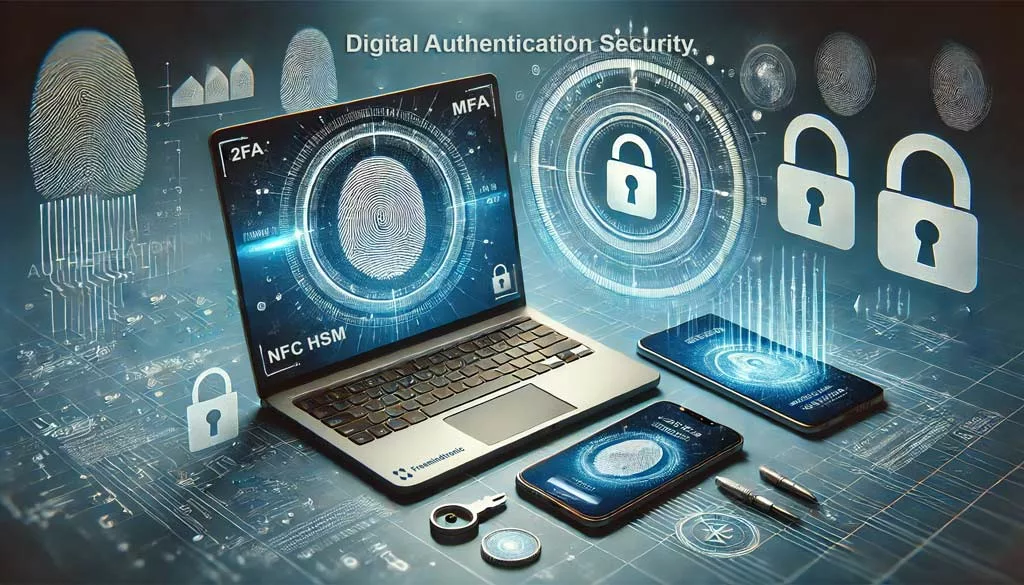
Digital Authentication Security: Protecting Data in the Modern World

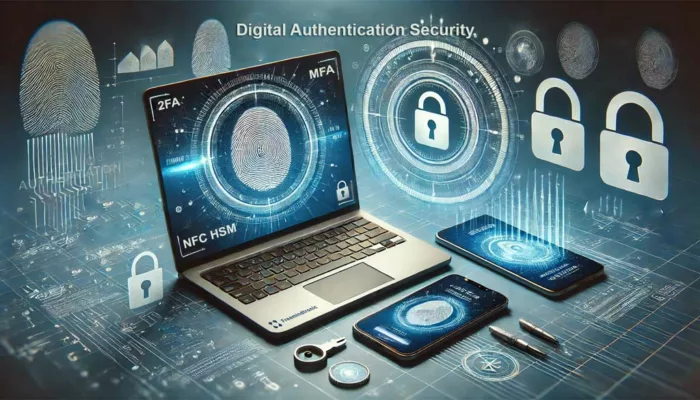
Digital Authentication Security showing a laptop and smartphone with biometric login, two-factor authentication, and security keys on a bright white background.

Digital Authentication Security by Jacques gascuel This article will be updated with any new information on the topic, and readers are encouraged to leave comments or contact the author with any suggestions or additions.  

How Digital Authentication Security Shields Our Data

Digital authentication security is essential in today’s connected world. Whether accessing bank accounts, social media, or work emails, authentication ensures that only authorized individuals can access sensitive information. With the growing sophistication of cyberattacks, securing our identity online has become critical. This article will explore the evolution of authentication methods, from simple passwords to multi-factor authentication, and how these technologies are essential for protecting both personal and professional data.

2025 Cyber Doctrine Cyberculture

Uncodified UK constitution & digital sovereignty

2025 Cyberculture Cybersecurity Digital Security EviLink

CryptPeer messagerie P2P WebRTC : appels directs chiffrés de bout en bout

2025 Cyber Doctrine Cyberculture

Souveraineté individuelle numérique : fondements et tensions globales

2025 Cyberculture

Louvre Security Weaknesses — ANSSI Audit Fallout

Digital Authentication Security: The Guardian of Our Digital World

In today’s digital life, authentication has become a vital process. Whether you are accessing your bank accounts, social media, or work emails, you are constantly required to prove your identity. But what is authentication exactly, and why has it become so essential in our digital world?

Authentication is the process of verifying a person’s or device’s identity before granting access to specific resources. While often seen as a simple formality, it plays a crucial role in protecting both personal and professional data.

The Stakes of Security

In a world where cyberattacks are becoming increasingly sophisticated and frequent, securing information systems has become a top priority. The consequences of a compromised account can be disastrous—identity theft, fraud, financial loss. The most common threats include phishing, brute force attacks, dictionary attacks, and injection attacks.

To combat these threats, authentication methods have evolved significantly. From the simple password, often considered an easy barrier to breach, we have transitioned to multi-factor authentication systems that are much more robust.

The Evolution of Digital Authentication Security Methods

Over the years, authentication methods have continuously evolved to meet the growing security demands. We have moved from simple password-based authentication, which relies on something you know, to methods that combine several factors:

  • Something you know (password)
  • Something you possess (security key)
  • Something you are (biometrics)

Let’s dive into the various authentication methods, their pros, cons, and applications. We’ll also see how these methods enhance the security of our online accounts and protect our personal data.

Fundamentals of Authentication

Password Authentication: The Historical Pillar

Password authentication is undoubtedly the oldest and most widespread method of verifying a user’s identity. This simple system, which associates a username with a secret password, was long considered enough to secure access to our online accounts.

Advantages:

  • Simplicity: Easy to implement and understand for users.
  • Universality: Used by almost all online services.

Disadvantages:

  • Vulnerability: Passwords can be easily compromised by brute force, dictionary attacks, or phishing.
  • Frequent Forgetfulness: Users tend to forget their passwords or create weak ones for easier memorization.
  • Reuse: Users often reuse the same password across multiple accounts, increasing the risk of data breaches.

Best Practices for Creating Strong Passwords

To enhance the security of your accounts, it is essential to create strong and unique passwords. Here are some tips:

  • Length: A password should ideally be at least 12 characters long.
  • Complexity: Use a combination of uppercase and lowercase letters, numbers, and special characters.
  • Originality: Avoid using easily found personal information (birth dates, family names, etc.).
  • Variety: Use different passwords for each account.

Types of Attacks and How to Protect Yourself

Passwords are regularly targeted by cybercriminals. The main threats include:

  • Brute Force Attacks: The hacker tries all possible character combinations until the correct password is found.
  • Dictionary Attacks: The hacker uses a list of common words or phrases to guess the password.
  • Phishing: The hacker sends fake emails or SMS messages to trick the user into revealing their login credentials.

To protect yourself from these attacks:

  • Use a Password Manager: This tool allows you to generate and store strong, unique passwords securely for all your accounts.
  • Activate Two-Factor Authentication (2FA): This method adds an extra layer of security by requiring an additional verification during login.
  • Be Vigilant About Phishing Attempts: Do not click on suspicious links and always verify the sender’s email address.

Limitations of Password Authentication Alone

Despite following best practices, password authentication has inherent limitations. Passwords can be lost, stolen, or forgotten. Moreover, remembering many complex passwords is challenging for users.

To dive deeper into secure authentication best practices and how to defend against common attacks, refer to the OWASP Authentication Cheat Sheet.

In summary, password authentication has been a pillar of computer security for many years. However, its limitations have become more apparent as threats evolve. It is now necessary to combine passwords with other authentication factors to enhance the security of online accounts.

Now, let’s dive into multi-factor authentication methods that offer more robust protection than passwords alone.

Multi-Factor Authentication (MFA) and Digital Authentication Security

In the previous section, we discussed the limitations of password authentication. To strengthen security, both companies and individuals are increasingly turning to multi-factor authentication methods.

Two-Factor Authentication (2FA)

Two-factor authentication (2FA) is a method that requires the user to provide two distinct proofs of identity to access an account. This approach significantly enhances security by adding an extra layer of protection.

The Principle of 2FA:
2FA relies on combining two different authentication factors. These factors can be:

  • Something you know: The password
  • Something you possess: A mobile phone, security key, or smart card
  • Something you are: A biometric characteristic (fingerprint, facial recognition)

Different Types of 2FA:

  • SMS: A one-time code is sent via SMS to the phone number associated with the account.
  • Authentication Apps: Apps like Google Authenticator or Microsoft Authenticator generate one-time passcodes.
  • Security Keys: Physical devices (USB keys, U2F security keys) that must be inserted into a USB port for login.

Advantages of 2FA for Enhancing Security

Even if an attacker obtains your password, they cannot access your account without the second authentication factor. As a result, 2FA makes brute force and phishing attacks much more difficult.

Multi-Factor Authentication (MFA)

Multi-factor authentication (MFA) is an extension of 2FA. It uses more than two authentication factors to further enhance security.

Difference Between 2FA and MFA:
The primary difference between 2FA and MFA lies in the number of factors used. MFA can combine several factors, such as a password, an authentication app, and a fingerprint.

Common Factor Combinations:

  • Password + SMS Code
  • Password + Security Key
  • Password + Fingerprint
  • Password + Facial Recognition

Advantages of MFA for Strengthening Security

For comprehensive guidelines on implementing multi-factor authentication securely, consult the NIST Multi-Factor Authentication Guide.

MFA offers an even higher level of security than 2FA by making attacks more difficult.

Comparison Between 2FA and MFA

Characteristic 2FA MFA
Number of Factors 2 2 or more
Security More secure than password alone Even more secure than 2FA
Complexity More complex than password alone More complex than 2FA
User Experience Can be less convenient than password alone Can be less convenient than 2FA

Let’s now explore other advanced authentication methods, such as biometric authentication and token-based systems.

Advanced Methods for Digital Authentication Security

Biometric Authentication: The Unique Signature of Each Individual

Biometric authentication is based on the idea that each individual has unique physical or behavioral traits that can serve as identification methods. These characteristics are known as biometric traits.

Different Biometric Technologies:

  • Fingerprints: One of the most common methods, based on analyzing the ridges and valleys on the fingers.
  • Facial Recognition: Uses unique facial features to identify a person.
  • Iris Scans: The iris is a complex and unique structure that can be analyzed for authentication.
  • Voice Recognition: Analyzes vocal characteristics like tone, rhythm, and timbre to identify a person.
  • Hand Geometry: Analyzes hand shape, finger length, and joint position.
  • Dynamic Signature: Analyzes how a person signs their name, including speed, pressure, and angle.

Advantages of Biometrics:

  • Enhanced Security: Biometric traits are hard to falsify or steal.
  • Ease of Use: Biometric authentication is often more convenient than typing a password or PIN.
  • No Forgetfulness: It’s impossible to forget your face or fingerprint.

Disadvantages of Biometrics:

  • Privacy Concerns: Storing and using biometric data raises significant privacy issues.
  • Cost: Implementing biometric authentication systems can be expensive.
  • Vulnerabilities: Although rare, security breaches can allow bypassing of biometric systems.

Security and Privacy Challenges

  • Forgery: Techniques exist to forge biometric data, such as creating molds of fingerprints or using facial masks.
  • Data Protection: Biometric data is considered sensitive information and must be protected from unauthorized access.
  • Consent: Users must give informed consent before collecting and processing their biometric data.

EviOTP NFC HSM: Secure Device-Based Authentication

Another approach to strengthening authentication security involves using secure physical devices. EviOTP NFC HSM is an excellent example of this category. EviOTP NFC HSM technology is embedded in two key products: PassCypher NFC HSM Lite and PassCypher NFC HSM Master, both from Fullsecure Andorra. These products are equipped with quantum security features and are protected by two international invention patents, ensuring cutting-edge protection and international security compliance. These patents ensure a high level of security and protection across borders.This system combines several technologies to offer optimal protection and unmatched flexibility:

  • NFC (Near Field Communication): Users can generate unique OTP codes simply by bringing their smartphone close to an NFC reader.
  • HSM (Hardware Security Module): Cryptographic keys are securely stored in a dedicated hardware module, making software attacks much more difficult.
  • TOTP and HOTP: These algorithms ensure the generation of one-time-use codes, making replay attacks nearly impossible.
  • Advanced Customization: EviOTP NFC HSM allows customization of access to each secret key by adding passwords, fingerprints, geolocation, or other additional authentication factors.
  • Autonomy: This system operates without servers, databases, or the need to create an account, ensuring absolute anonymity and maximum security.

Advantages of EviOTP NFC HSM:

  • Maximum Security: Combining these technologies provides unparalleled security, especially through hardware key protection and customizable access.
  • Ease of Use: NFC technology makes authentication simple and intuitive.
  • Flexibility: This system can be adapted to different environments and easily integrates with many applications.
  • Compliance: EviOTP NFC HSM often meets the strictest security standards, ensuring regulatory compliance.
  • Anonymity and Privacy: Operating without servers or databases ensures user privacy.
  • Versatility: EviOTP NFC HSM allows for the generation of all types of PIN codes, regardless of length.

Protection Against Common Attacks

Phishing is one of the biggest threats to online account security. By generating one-time-use OTP codes directly on the secure device, EviOTP NFC HSM makes these attacks far less effective. Even if a user is tricked into entering credentials on a fake website, the OTP code generated will be invalid a few seconds later. Additionally, storing cryptographic keys in an HSM makes software-based attacks much more difficult. Even if a device is compromised, the keys cannot be extracted.

In summary, EviOTP NFC HSM represents a cutting-edge authentication solution, ideal for organizations seeking maximum security and flexibility. This solution is particularly suited for sectors where data protection is critical, such as banking, healthcare, and industry. EviOTP NFC HSM offers a multi-layered defense that makes attacks extremely difficult, if not impossible, to carry out.

Comparison Table of Authentication Methods

Method Authentication Factors Security Ease of Use Cost Flexibility
Password Something you know Low Very easy Low Very high
PIN Something you know Medium Easy Low Medium
Security Key Something you possess Medium-High Medium Medium Medium
Authenticator Apps Something you possess Medium Medium Low Medium
SMS Something you possess Low Easy Low Medium
Biometrics (fingerprint, facial) Something you are High Very easy Medium-High Medium
EviOTP NFC HSM Something you possess (NFC) Very High Very easy Medium High

Specific Explanations for EviOTP NFC HSM:

  • Very High Security: Thanks to secure key storage in an HSM, dynamic OTP generation, and the ability to customize access with passwords, fingerprints, or geolocation.
  • Very High Ease of Use: NFC technology makes authentication simple and intuitive.
  • Medium Cost: The cost depends on the number of licenses and additional features chosen.
  • High Flexibility: EviOTP NFC HSM can be used in many contexts and adapted to various needs.

Other Advanced Authentication Methods

Token, Certificate, and Smart Card Authentication: Enhanced Security

These authentication methods rely on using physical or digital devices that contain secure identification information.

  • Token Authentication: A token is a small physical device (often USB-sized) that generates one-time-use codes. These codes are used in addition to a password to access an account. Tokens are generally more secure than SMS codes, as they are not vulnerable to interception.
  • Certificate Authentication: A digital certificate is an electronic file that links an identity to a public key. This public key can be used to verify the authenticity of a digital signature or encrypt data. Certificates are often stored on smart cards.
  • Smart Card Authentication: A smart card is a small plastic card with an integrated circuit that can store secure digital information, such as private keys and certificates. Smart cards are widely used in banking and security.

Advantages of These Methods:

  • Enhanced Security: Identification information is stored on a secure physical device, making it harder to compromise.
  • Flexibility: These methods can be used for various applications, from corporate network access to digitally signing documents.
  • Interoperability: Digital certificates are based on open standards, facilitating their interoperability with different systems.

Disadvantages and Challenges:

  • Cost: Implementing an authentication infrastructure based on tokens, certificates, or smart cards can be expensive.
  • Complexity: These methods can be more complex to implement and manage than traditional authentication methods.
  • Loss or Theft: Losing a token or smart card can compromise account security.

Behavioral Authentication

Behavioral authentication analyzes an individual’s habits and behavior to verify their identity. This approach can complement traditional authentication methods.

Principle:
The system analyzes different aspects of the user’s behavior, such as typing speed, dynamic signature, browsing habits, etc. Any significant deviation from usual behavior can trigger an alert.

Advantages:

  • Intrusion Detection: This method can detect suspicious activity, even if the attacker knows the user’s credentials.
  • Adaptation: Behavioral authentication systems can adapt to changes in user behavior.

Disadvantages:

  • False Positives: The system may trigger false alerts if the user’s behavior legitimately changes.
  • Complexity: Implementing behavioral authentication systems can be complex and expensive.

In summary, token, certificate, smart card, and behavioral authentication methods offer high levels of security and can complement traditional methods. The choice of the most suitable authentication method will depend on the specific needs of each organization or individual.

Authentication Protocols

Authentication protocols define a set of standardized rules and procedures for verifying a user’s or system’s identity. They enable secure communication between different systems and applications.

Single Sign-On (SSO): One Access for All

Single Sign-On (SSO) is a protocol that allows a user to log in to multiple applications using a single authentication. Once authenticated, the user does not need to re-enter their credentials to access other applications.

How SSO Works:
During the first login, the user authenticates with an identity provider (IdP). The provider verifies the credentials and issues an authentication token. This token is then sent to the destination application (relying service), which validates it and grants the user access.

SSO Protocols (SAML, OAuth, OpenID Connect):

  • SAML (Security Assertion Markup Language): A standard XML protocol for exchanging authentication information between an identity provider and a relying service.
  • OAuth: An authorization protocol that allows third-party applications to access a user’s resources on another service without needing the user’s credentials.
  • OpenID Connect: An authentication protocol based on OAuth 2.0 that provides an additional identity layer, enabling applications to know the user’s identity.

Advantages of SSO:

  • Improved User Experience: Users only need to enter their credentials once.
  • Increased Productivity: Users can access the applications they need faster.
  • Enhanced Security: SSO centralizes identity and access management, making it easier to implement security policies.

Disadvantages of SSO:

  • Single Point of Failure: If the identity provider is compromised, all connected services may be affected.
  • Complexity: Implementing an SSO system can be complex, especially in heterogeneous environments.

OAuth/OpenID Connect: Third-Party Authentication

OAuth and OpenID Connect are two closely related protocols that allow third-party applications to access a user’s resources on another service.

Principle of Third-Party Authentication:
A user logs into a third-party application (such as Facebook or Google) using existing credentials. The third-party application then requests the user’s permission to access certain information. If the user agrees, the third-party application receives an access token that allows it to access the requested resources.

Differences Between OAuth and OpenID Connect:

  • OAuth focuses on authorization, while OpenID Connect adds an identity layer, allowing applications to know the user’s identity.

Typical Use Cases:

  • Social Login: Logging into an application using Facebook, Google, etc.
  • Mobile App Development: Using authentication services from third-party providers to simplify the login process.

The Stakes of Authentication in the Modern Digital World

Authentication has become a central issue in our digital society. Threats are constantly evolving, regulations are multiplying, and user expectations regarding security are increasing.

Recent Threats

  • Sophisticated Phishing: Phishing attacks are becoming increasingly sophisticated, using social engineering techniques and highly realistic fake websites to deceive users.
  • Password Attacks: Brute force, dictionary, and password-spray attacks remain significant threats.
  • Injection Attacks: Injection attacks (SQL injection, XSS) allow attackers to execute malicious code on servers.
  • Session Hijacking: Attackers can steal session cookies to log into accounts without the legitimate user’s credentials.

Data Security Regulations

Many regulations have been put in place to protect personal data and strengthen information system security. Some of the most well-known include:

  • GDPR (General Data Protection Regulation): This European regulation requires companies to implement appropriate technical and organizational measures to ensure a level of security adapted to the risks.
  • CCPA (California Consumer Privacy Act): This Californian law grants consumers additional rights regarding the protection of their personal data.

Future Trends in Authentication

  • Passwordless Authentication: As passwords are a prime target for attacks, many initiatives aim to replace them with more secure authentication methods like biometrics or security keys.
  • Passkeys: Passkeys are a new authentication technology that allows users to log in to websites and apps without needing to create or remember passwords.
  • Artificial Intelligence: AI can be used to improve fraud detection and personalize the user experience by adapting authentication methods based on context.

Summary of Authentication Methods

Authentication is a constantly evolving field. To combat growing threats, it is essential to adopt strong authentication methods and stay informed about the latest trends.

Summary of Various Methods:
Throughout this article, we’ve seen that many authentication methods exist, each with advantages and disadvantages. The choice of the most appropriate method will depend on factors such as:

  • The required level of security
  • Ease of use
  • Implementation cost
  • Regulatory constraints

Recommendations for Choosing the Most Appropriate Authentication Method

  • Combine Multiple Authentication Factors: Combining multiple factors (something you know, something you possess, something you are) is the most effective way to enhance security.
  • Use Strong Authentication Methods: Prioritize biometric authentication, security keys, and digital certificates.
  • Implement Strict Security Policies: Set clear rules for creating and managing passwords, raising user awareness, and responding to security incidents.
  • Stay Updated on the Latest Threats and Best Practices: Stay informed about the latest security trends and regularly update authentication systems.

Future Challenges in Authentication

The future challenges of authentication are numerous:

  • Balancing Security and Usability: It is essential to find a balance between security and ease of use so that users adopt new authentication methods.
  • Privacy Protection: Biometric authentication methods raise significant privacy concerns.
  • Interoperability: Developing open standards to facilitate interoperability between different authentication systems is necessary.

Building a Future of Resilient Digital Authentication Security

The continuous evolution of threats in the digital landscape demands a proactive approach to Digital Authentication Security. Scientific research consistently highlights the importance of layered security systems, combining various authentication factors to mitigate vulnerabilities. By integrating advanced solutions such as multi-factor authentication (MFA), biometric systems, and hardware-based security like EviOTP NFC HSM, organizations and individuals can significantly reduce their exposure to cyber risks.

Understanding the science behind authentication algorithms, such as the cryptographic protocols securing biometric data or the OTP generation process, is essential for developing robust defenses. As future technologies like quantum computing emerge, the security models we rely on today will need adaptation and reinforcement. Hence, a commitment to ongoing research and technological advancements is crucial for maintaining resilient Digital Authentication Security systems.

Looking forward, the focus must shift toward creating secure, user-friendly authentication frameworks that also respect privacy concerns. This will ensure that as we move deeper into the digital age, our data remains secure without sacrificing convenience. Maintaining vigilance, investing in new technologies, and continuously refining our approaches will be key to staying ahead of the next wave of cyber threats.

Quantum Threats to Encryption: RSA, AES & ECC Defense

Quantum Computing Encryption Threats - Visual Representation of Data Security with Quantum Computers and Encryption Keys.

Quantum Threats to Encryption: RSA, AES, ECC, post-quantum cryptography (PQC), Store Now Decrypt Later exposure, logical qubits, and sovereign segmented encryption under realistic quantum timelines. This Chronicle analyzes when quantum computers could realistically threaten RSA-2048, ECC, and AES-256, why fault-tolerant qubits remain the decisive bottleneck, and how sovereign cybersecurity architectures can reduce long-term exposure before cryptographically relevant quantum systems emerge. It explains the operational limits of Shor’s and Grover’s algorithms, clarifies the migration doctrines promoted by NIST, NSA CNSA 2.0, ENISA, ANSSI, and UK NCSC, and evaluates why hybrid cryptography and segmented key encryption matter now—not after a quantum breakthrough occurs.

Executive summary

Context

Quantum computing has entered a decisive strategic phase. Between 2024 and 2026, announcements from IBM Quantum, Google Quantum AI, Microsoft Quantum, and Chinese sovereign quantum programs intensified public concern regarding Quantum Threats to Encryption. Yet most public narratives confuse:

  • experimental qubit demonstrations,
  • marketing announcements,
  • real cryptographic capability.

In practice, no current quantum system can operationally break RSA-2048 or AES-256 at industrial scale. However, the strategic issue no longer concerns immediate collapse. The strategic issue concerns:

  • long-term exposure persistence.

Purpose

This Chronicle separates:

  • scientific reality,
  • engineering bottlenecks,
  • geopolitical narratives,
  • operational cybersecurity consequences.

It explains:

  • why RSA and ECC remain structurally vulnerable to Shor’s algorithm,
  • why AES-256 remains highly resilient under Grover’s algorithm,
  • why logical qubits—not raw qubit counts—define real capability,
  • why “Store Now, Decrypt Later” already changes intelligence strategy,
  • why sovereign segmented architectures may become decisive.

Scope

Scope includes:

  • RSA, ECC, AES-256, and PQC exposure models,
  • Shor’s and Grover’s algorithms,
  • logical versus physical qubits,
  • NIST PQC standards and HQC diversification,
  • NSA CNSA 2.0 migration doctrine,
  • Store Now Decrypt Later operational reality,
  • hybrid migration architectures,
  • segmented key encryption doctrine,
  • sovereign cybersecurity implications.

Out of scope:

  • speculative AGI scenarios,
  • classified offensive quantum programs,
  • vendor marketing claims lacking reproducibility.

Design doctrine

This Chronicle treats confidentiality as:

an architectural lifecycle problem,

not merely:

a mathematical problem.

The decisive issue is not:

“Will a quantum computer appear tomorrow?”

The decisive issue is:

“Will encrypted assets intercepted today remain confidential in twenty years?”

Strategic differentiator

Many publications frame post-quantum security as:

  • a migration timeline issue.

This Chronicle frames it differently:

  • as a sovereignty and exposure problem.

Once encrypted archives, PKI chains, identity systems, diplomatic traffic, and strategic communications are harvested at scale:

  • future decryption becomes irreversible.

Technical note

Express reading time: ≈ 3–4 minutes
Advanced reading time: ≈ 5–6 minutes
Full Chronicle: ≈ 35–40 minutes
Publication date: 2026-05-14
Level: Quantum Security / Cryptography / Sovereign Cybersecurity
Posture: Migration-aware, hybrid-PQC, sovereignty-oriented
Category: Digital Security
Available languages: EN · FR · CAT · ES
Impact level: 9.5 / 10 — long-tail cryptographic sovereignty risk

Editorial note — This Chronicle belongs to Digital Security. It extends Freemindtronic’s doctrine regarding:

  • sovereign encryption,
  • offline cybersecurity architectures,
  • segmented key management,
  • post-quantum resilience.

The issue addressed is not:

  • immediate decryption collapse.

The issue addressed is:

  • future retrospective exposure.

Specifically, this Chronicle documents why:

  • Store Now, Decrypt Later strategies already transform intelligence collection doctrine long before practical quantum attacks become operational.

It also explains why:

  • hybrid migration alone may prove insufficient if exposure persistence remains uncontrolled.

This work continues Freemindtronic publications regarding:

  • cyber sovereignty,
  • segmented encryption doctrine,
  • AI-assisted cyber exposure,
  • minimal-observability architectures.

Key takeaway

Quantum threats to encryption are real. However:

  • practical cryptographic collapse remains constrained by fault-tolerant engineering, coherence stability, logical qubit scalability, and energy cost.

RSA and ECC face long-term structural exposure under Shor’s algorithm. AES-256 remains strategically resilient under Grover’s algorithm, especially when reinforced through:

  • offline architectures,
  • segmented key encryption,
  • minimal metadata exposure,
  • hybrid post-quantum migration.

The strategic mistake is neither panic nor denial. The strategic mistake is waiting too long before reducing long-term exposure.

2024 2025 Cyber Doctrine Cyberculture

Quantum Threats to Encryption: RSA, AES & ECC Defense

2026 Cyber Doctrine Digital Security

Whisper Leak side-channel and LLM token leakage

2025 Cyber Doctrine Cyberculture

Souveraineté individuelle numérique : fondements et tensions globales

2024 Cyber Doctrine Cyberculture

Digital Authentication Security: Protecting Data in the Modern World

2025 Cyber Doctrine Cyberculture

Time Spent on Authentication: Detailed and Analytical Overview

2025 Cyber Doctrine Cyberculture

Sovereign Passwordless Authentication — Quantum-Resilient Security

2024 Cyber Doctrine Cyberculture Legal information

ANSSI Cryptography Authorization: Complete Declaration Guide

Articles Cyber Doctrine EviCore NFC HSM Technology legal News Training

Dual-Use Encryption Products: a regulated trade for security and human rights

2024 Cyber Doctrine Cyberculture

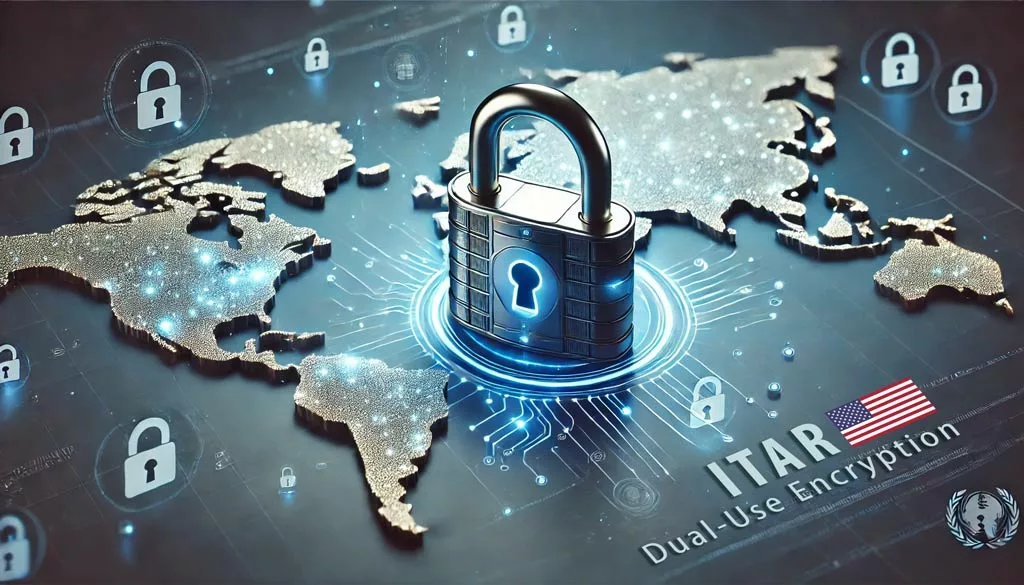
ITAR Dual-Use Encryption: Navigating Compliance in Cryptography

2024 Cyber Doctrine Cyberculture

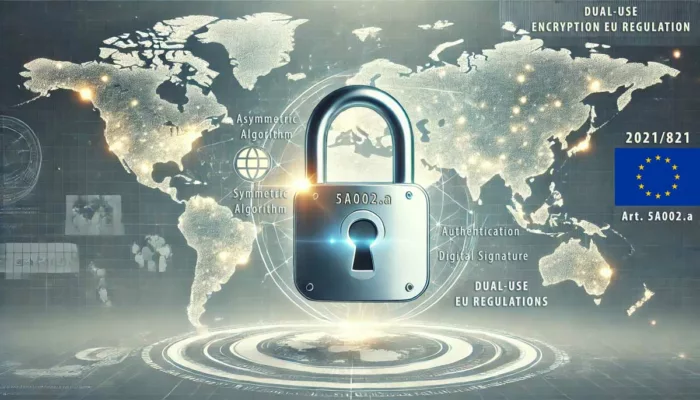
Encryption Dual-Use Regulation under EU Law

2025 Cyber Doctrine Cyberculture

Uncodified UK constitution & digital sovereignty

2026 Cyber Doctrine

Zero-knowledge governance 2026: cryptographic floors

Advanced summary — how real are quantum threats in 2026?

Quantum threats to encryption are simultaneously:

  • real,
  • misunderstood,
  • strategically uneven.

Public debate often oscillates between:

  • apocalyptic narratives,
  • dismissive skepticism.

Both positions distort reality.

Shor’s algorithm genuinely threatens:

  • RSA,
  • ECC,
  • Diffie-Hellman,
  • traditional PKI ecosystems.

Mathematically, the danger is not speculative.

Under sufficiently large fault-tolerant universal quantum systems:

Integer factorization → polynomial-time solvable

This fundamentally changes asymmetric cryptography.

However, the engineering challenge remains immense.

Real-world cryptographic attacks require:

  • stable logical qubits,
  • massive error correction,
  • long-duration coherence,
  • industrial-scale cryogenic infrastructure.

This is why timelines continue shifting.

By contrast, AES-256 behaves differently under quantum pressure.

Grover’s algorithm does not “break” AES mathematically.

Instead, it reduces brute-force complexity approximately from:

2²⁵⁶ → 2¹²⁸

Even after that reduction:

  • AES-256 remains operationally prohibitive to attack.

This distinction is critical.

The timeline shift — why quantum predictions keep moving

For more than three decades, quantum computing lived inside a paradox.

Physicists understood the mathematics. Cryptographers understood the implications. Intelligence agencies understood the strategic consequences. Yet industry lacked the engineering capability required to transform theoretical quantum computation into operational cryptanalytic power.

That distinction still defines the entire debate surrounding Quantum Threats to Encryption.

In 1994, Peter Shor introduced an algorithm capable of changing modern cryptography forever. At the time, the discovery appeared almost abstract because no quantum computer could execute it at meaningful scale. Classical encryption continued to dominate global infrastructure without immediate disruption.

Three decades later, the mathematics remains unchanged.

What changed is the geopolitical urgency surrounding its possible implementation.

When IBM Quantum published successive fault-tolerant roadmaps, public attention focused primarily on raw qubit counts. Shortly afterward, Google Quantum AI shifted the conversation toward logical qubits, coherence duration, and quantum error correction. Meanwhile, Microsoft Quantum pursued a radically different strategy through Majorana-based topological qubits designed to reduce fault-correction overhead itself.

At the same time, China accelerated sovereign deployment through hybrid quantum-secure infrastructure combining:

  • quantum communication networks,
  • state-operated telecom systems,
  • post-quantum cryptography,
  • centralized infrastructure governance.

The quantum race therefore evolved into something far more complex than a scientific competition.

It became:

  • a sovereignty race,
  • a cybersecurity race,
  • an infrastructure race,
  • and increasingly, an intelligence race.

Strategic inflection point

The quantum transition did not begin when quantum computers became operationally dangerous.

It began when governments, standards agencies, and critical infrastructures started behaving as if post-quantum migration had already become inevitable.

That psychological threshold may ultimately matter more than the first practical quantum attack itself.

Yet despite accelerating announcements, practical cryptographic collapse remains constrained by one decisive bottleneck:
fault-tolerant scalability.

The challenge is no longer proving that quantum mechanics works computationally.

The challenge is sustaining stable quantum operations long enough to execute cryptographically relevant workloads under industrial conditions.

That requirement introduces simultaneous constraints involving:

  • logical qubit stability,
  • continuous error correction,
  • cryogenic coherence,
  • electromagnetic isolation,
  • and extreme synchronization precision.

Unlike classical processors, quantum systems cannot simply “scale upward” through transistor miniaturization. Every additional layer of error correction introduces energy cost, architectural complexity, and instability amplification.

This explains why quantum timelines constantly shift.

The mathematics behind quantum cryptanalysis already exists.

Industrial fault tolerance does not.

Mathematical perspective — RSA factorization complexity

RSA security fundamentally depends on one deceptively simple relationship:

N = p times q

where p and q are extremely large prime numbers.

Classically, factoring large integers remains computationally prohibitive at sufficient scale. However, Shor’s algorithm theoretically reduces the problem toward polynomial-time complexity under a sufficiently large fault-tolerant quantum computer:

O((log N)^3)

This theoretical transition explains why RSA, ECC, and Diffie-Hellman remain structurally exposed in long-term quantum scenarios.

Craig Gidney and Martin Ekerå significantly reshaped modern cryptographic forecasting when they estimated that practical RSA-2048 factorization would likely require:

  • millions of physical qubits,
  • thousands of stable logical qubits,
  • and sustained coherent execution lasting several hours.

Their work transformed the conversation surrounding “Store Now, Decrypt Later” strategies because it reframed quantum threats as a long-term archival risk rather than an immediate operational collapse.

Read the Gidney & Ekerå quantum resource estimate study.

Why qubit announcements are frequently misunderstood

Public narratives often confuse raw qubit quantity with cryptographic capability.

That interpretation is deeply misleading.

A quantum processor containing several thousand noisy physical qubits does not automatically threaten RSA-2048 or ECC if:

  • error rates remain unstable,
  • logical coherence collapses rapidly,
  • fault correction fails continuously,
  • or Shor’s algorithm cannot execute reliably.

This is precisely why cybersecurity agencies increasingly evaluate quantum announcements according to:

  • logical qubit maturity,
  • coherence stability,
  • fault-tolerant execution capability,
  • and realistic cryptanalytic feasibility.

Error-correction scaling problem

The practical difficulty emerges from quantum error correction itself:

1 logical qubit gg 10^3 – 10^4 physical qubits

This ratio varies according to architecture, coherence quality, and error thresholds. Consequently, public announcements regarding raw physical qubit counts rarely translate into immediate cryptographic capability.

Quantum realism versus quantum marketing

The cybersecurity ecosystem increasingly suffers from a dangerous confusion between:

  • laboratory milestones,
  • commercial positioning,
  • scientific experimentation,
  • and operational cryptographic threat.

Quantum supremacy demonstrations may represent extraordinary scientific achievements without creating immediate cryptanalytic capability against:

  • RSA-2048,
  • ECC infrastructures,
  • AES-256,
  • or sovereign PKI ecosystems.

This distinction matters strategically because fear-driven migration can become as dangerous as delayed migration itself.

Poorly executed post-quantum deployment may:

  • break trust chains,
  • create interoperability failures,
  • fragment infrastructure governance,
  • or introduce immature cryptographic dependencies.

That is why agencies such as:

now promote measured migration strategies centered around:

  • crypto agility,
  • hybrid deployment,
  • inventory visibility,
  • and phased interoperability testing.

⮞ Summary

Quantum progress is real.

Quantum cryptographic collapse remains hypothetical.

The decisive variable is no longer whether quantum computation is scientifically possible.

The decisive variable is whether fault-tolerant quantum systems can sustain stable cryptanalytic execution at industrial scale before defensive migration fundamentally reshapes global cryptographic infrastructure.

The paradox of quantum cybersecurity is therefore profound.

The first practical quantum attack may occur long after institutions already transformed their infrastructures in anticipation of it.

Yet if organizations wait until operational attacks become publicly visible, migration may already be too late for archives harvested decades earlier.

That is why quantum resilience is no longer merely a mathematical discussion.

It has become a doctrine of time, exposure, sovereignty, and irreversible confidentiality preservation.

The timeline shift — why quantum predictions keep moving

For more than three decades, quantum computing lived inside a paradox.

Physicists understood the mathematics. Cryptographers understood the implications. Intelligence agencies understood the strategic consequences. Yet industry lacked the engineering capability required to transform theoretical quantum computation into operational cryptanalytic power.

That distinction still defines the entire debate surrounding Quantum Threats to Encryption.

In 1994, Peter Shor introduced an algorithm capable of changing modern cryptography forever. At the time, the discovery appeared almost abstract because no quantum computer could execute it at meaningful scale. Classical encryption continued to dominate global infrastructure without immediate disruption.

Three decades later, the mathematics remains unchanged.

What changed is the geopolitical urgency surrounding its possible implementation.

When IBM Quantum published successive fault-tolerant roadmaps, public attention focused primarily on raw qubit counts. Shortly afterward, Google Quantum AI shifted the conversation toward logical qubits, coherence duration, and quantum error correction. Meanwhile, Microsoft Quantum pursued a radically different strategy through Majorana-based topological qubits designed to reduce fault-correction overhead itself.

At the same time, China accelerated sovereign deployment through hybrid quantum-secure infrastructure combining:

  • quantum communication networks,
  • state-operated telecom systems,
  • post-quantum cryptography,
  • centralized infrastructure governance.

The quantum race therefore evolved into something far more complex than a scientific competition.

It became:

  • a sovereignty race,
  • a cybersecurity race,
  • an infrastructure race,
  • and increasingly, an intelligence race.

Strategic inflection point

The quantum transition did not begin when quantum computers became operationally dangerous.

It began when governments, standards agencies, and critical infrastructures started behaving as if post-quantum migration had already become inevitable.

That psychological threshold may ultimately matter more than the first practical quantum attack itself.

Yet despite accelerating announcements, practical cryptographic collapse remains constrained by one decisive bottleneck:
fault-tolerant scalability.

The challenge is no longer proving that quantum mechanics works computationally.

The challenge is sustaining stable quantum operations long enough to execute cryptographically relevant workloads under industrial conditions.

That requirement introduces simultaneous constraints involving:

  • logical qubit stability,
  • continuous error correction,
  • cryogenic coherence,
  • electromagnetic isolation,
  • and extreme synchronization precision.

Unlike classical processors, quantum systems cannot simply “scale upward” through transistor miniaturization. Every additional layer of error correction introduces energy cost, architectural complexity, and instability amplification.

This explains why quantum timelines constantly shift.

The mathematics behind quantum cryptanalysis already exists.

Industrial fault tolerance does not.

Mathematical perspective — RSA factorization complexity

RSA security fundamentally depends on one deceptively simple relationship:

N = p times q

where p and q are extremely large prime numbers.

Classically, factoring large integers remains computationally prohibitive at sufficient scale. However, Shor’s algorithm theoretically reduces the problem toward polynomial-time complexity under a sufficiently large fault-tolerant quantum computer:

O((log N)^3)

This theoretical transition explains why RSA, ECC, and Diffie-Hellman remain structurally exposed in long-term quantum scenarios.

Craig Gidney and Martin Ekerå significantly reshaped modern cryptographic forecasting when they estimated that practical RSA-2048 factorization would likely require:

  • millions of physical qubits,
  • thousands of stable logical qubits,
  • and sustained coherent execution lasting several hours.

Their work transformed the conversation surrounding “Store Now, Decrypt Later” strategies because it reframed quantum threats as a long-term archival risk rather than an immediate operational collapse.

Read the Gidney & Ekerå quantum resource estimate study.

Why qubit announcements are frequently misunderstood

Public narratives often confuse raw qubit quantity with cryptographic capability.

That interpretation is deeply misleading.

A quantum processor containing several thousand noisy physical qubits does not automatically threaten RSA-2048 or ECC if:

  • error rates remain unstable,
  • logical coherence collapses rapidly,
  • fault correction fails continuously,
  • or Shor’s algorithm cannot execute reliably.

This is precisely why cybersecurity agencies increasingly evaluate quantum announcements according to:

  • logical qubit maturity,
  • coherence stability,
  • fault-tolerant execution capability,
  • and realistic cryptanalytic feasibility.

Error-correction scaling problem

The practical difficulty emerges from quantum error correction itself:

1 logical qubit gg 10^3 – 10^4 physical qubits

This ratio varies according to architecture, coherence quality, and error thresholds. Consequently, public announcements regarding raw physical qubit counts rarely translate into immediate cryptographic capability.

Quantum realism versus quantum marketing

The cybersecurity ecosystem increasingly suffers from a dangerous confusion between:

  • laboratory milestones,
  • commercial positioning,
  • scientific experimentation,
  • and operational cryptographic threat.

Quantum supremacy demonstrations may represent extraordinary scientific achievements without creating immediate cryptanalytic capability against:

  • RSA-2048,
  • ECC infrastructures,
  • AES-256,
  • or sovereign PKI ecosystems.

This distinction matters strategically because fear-driven migration can become as dangerous as delayed migration itself.

Poorly executed post-quantum deployment may:

  • break trust chains,
  • create interoperability failures,
  • fragment infrastructure governance,
  • or introduce immature cryptographic dependencies.

That is why agencies such as:

now promote measured migration strategies centered around:

  • crypto agility,
  • hybrid deployment,
  • inventory visibility,
  • and phased interoperability testing.

⮞ Summary

Quantum progress is real.

Quantum cryptographic collapse remains hypothetical.

The decisive variable is no longer whether quantum computation is scientifically possible.

The decisive variable is whether fault-tolerant quantum systems can sustain stable cryptanalytic execution at industrial scale before defensive migration fundamentally reshapes global cryptographic infrastructure.

The paradox of quantum cybersecurity is therefore profound.

The first practical quantum attack may occur long after institutions already transformed their infrastructures in anticipation of it.

Yet if organizations wait until operational attacks become publicly visible, migration may already be too late for archives harvested decades earlier.

That is why quantum resilience is no longer merely a mathematical discussion.

It has become a doctrine of time, exposure, sovereignty, and irreversible confidentiality preservation.

Logical versus physical qubits — the engineering wall behind quantum mythology

One of the most damaging misconceptions in mainstream discussions about quantum computing concerns the word itself:
qubit.

Public communication often treats all qubits as equivalent.

They are not.

This confusion profoundly distorts the real state of quantum capability.

When technology headlines announce:

  • 1,000 qubits,
  • 5,000 qubits,
  • or even 10,000 qubits,

many readers instinctively assume that practical cryptographic collapse is approaching.

That interpretation is incorrect.

The overwhelming majority of currently announced qubits remain:

  • noisy,
  • unstable,
  • short-lived,
  • and unsuitable for sustained fault-tolerant cryptographic computation.

The distinction between:

  • physical qubits,
  • and logical qubits

therefore becomes the central reality separating laboratory progress from operational quantum cryptanalysis.

Physical qubits are fragile quantum hardware elements

Physical qubits represent the raw hardware layer of quantum systems.

Depending on the architecture, they may rely on:

  • superconducting circuits,
  • trapped ions,
  • photonic systems,
  • neutral atoms,
  • or experimental topological structures.

Unlike classical bits, qubits suffer from continuous instability.

They are vulnerable to:

  • thermal fluctuations,
  • electromagnetic interference,
  • environmental noise,
  • decoherence,
  • measurement disturbance.

In practice, quantum information decays extremely rapidly unless sophisticated correction mechanisms stabilize the system continuously.

This creates a brutal engineering constraint:
raw qubit quantity alone means very little.

The decoherence problem

Quantum states remain usable only while coherence survives.

Quantum coherence time is typically represented as:

T_2

The longer the coherence time, the longer quantum operations can execute before information collapses into noise.

Cryptographically relevant quantum systems require:

  • long coherence duration,
  • extremely low error rates,
  • continuous stabilization,
  • and synchronized correction.

Without those conditions, Shor’s algorithm cannot execute reliably at operational scale.

Logical qubits are the real strategic resource

Logical qubits are fundamentally different.

A logical qubit is not a single hardware element.

It is a stabilized quantum abstraction created through:

  • massive redundancy,
  • continuous error correction,
  • synchronized control systems,
  • and fault-tolerant computation.

In many projected architectures:

  • hundreds,
  • thousands,
  • or even tens of thousands

of physical qubits may be required to create one stable logical qubit.

This is the hidden reality rarely visible in marketing announcements.

The surface-code correction model

Most current fault-tolerant roadmaps rely heavily on surface-code error correction.

Its objective is simple in principle:
detect quantum errors faster than they accumulate.

The challenge is colossal in practice.

The logical error rate approximately depends on:

  • physical error rate,
  • code distance,
  • measurement fidelity,
  • synchronization precision.

The system must continuously detect and correct errors without destroying the quantum state itself.

That requirement transforms quantum computing into one of the most complex synchronization problems ever attempted in engineering history.

Why fault tolerance changes everything

A quantum computer capable of threatening RSA-2048 is not simply:

  • a larger quantum computer.

It is:

  • a stable,
  • fault-tolerant,
  • energy-sustainable,
  • industrially synchronized quantum infrastructure.

That distinction explains why quantum timelines continue shifting despite continuous progress.

Why millions of qubits may still be insufficient

One of the most frequently misunderstood projections concerns RSA factorization estimates.

Studies from:

  • Craig Gidney,
  • Martin Ekerå,
  • IBM Quantum researchers,
  • Google Quantum AI teams

suggest that practical RSA-2048 attacks may require:

  • millions of physical qubits,
  • thousands of stable logical qubits,
  • hours of coherent computation,
  • continuous fault correction.

This estimate changes the public narrative completely.

The issue is no longer:
“Can quantum computation exist?”

The issue becomes:
“Can industrial-scale fault tolerance exist economically and sustainably?”

That engineering barrier remains unresolved.

Why D-Wave systems do not threaten RSA

Quantum communication frequently confuses:

  • quantum annealers,
  • and universal gate-based quantum computers.

They are not equivalent.

D-Wave systems specialize primarily in optimization problems using quantum annealing.

They do not execute universal fault-tolerant Shor-style cryptanalysis against RSA or ECC infrastructures.

This distinction matters enormously because:

  • high qubit counts alone do not imply cryptographic capability,
  • annealing architectures differ fundamentally from gate-based systems,
  • universality remains essential for practical Shor execution.

Consequently, sensationalist headlines often exaggerate operational cryptographic risk by ignoring architectural differences entirely.

⚠ Strategic clarification

A 5,000-qubit noisy annealer may remain cryptographically irrelevant.

Meanwhile, a much smaller fault-tolerant universal system could become strategically transformative.

The decisive variable is not raw qubit quantity.

The decisive variable is stable logical capability.

Why Microsoft’s topological approach matters

Microsoft’s quantum strategy differs significantly from:

  • IBM’s superconducting approach,
  • Google’s coherence optimization strategy,
  • IonQ’s trapped-ion systems.

Microsoft focuses heavily on:
topological qubits.

The objective is to reduce error-correction overhead directly at the hardware level.

If successful, topological architectures could dramatically lower:

  • physical qubit requirements,
  • correction complexity,
  • synchronization burden,
  • energy consumption.

However, practical implementation remains experimental and controversial.

This uncertainty explains why quantum roadmaps remain probabilistic rather than deterministic.

The energy reality behind cryptographically relevant quantum systems

Another overlooked issue concerns energy economics.

Fault-tolerant quantum systems require:

  • cryogenic cooling near absolute zero,
  • continuous stabilization,
  • massive electrical precision,
  • persistent synchronization layers,
  • advanced fabrication environments.

As systems scale:

  • cooling requirements increase,
  • electrical stability constraints intensify,
  • infrastructure concentration accelerates.

Consequently, practical quantum cryptanalysis may remain restricted to:

  • major states,
  • national laboratories,
  • strategic intelligence agencies,
  • or hyperscale technological coalitions.

Quantum supremacy therefore does not automatically imply universal attacker democratization.

The real timeline variable is engineering maturity

This is why predictions continuously move.

The mathematical theory already exists.

The engineering maturity does not.

Quantum cryptanalysis requires convergence between:

  • fault tolerance,
  • error correction,
  • energy sustainability,
  • industrial synchronization,
  • and scalable manufacturing.

Any weakness inside one layer destabilizes the entire architecture.

That is why serious quantum-security analysts increasingly avoid deterministic dates.

The real issue is not whether quantum progress continues.

It certainly will.

The real issue is:
when fault-tolerant quantum systems become economically sustainable at cryptographically relevant scale.

✓ Strategic interpretation

Quantum cybersecurity is no longer constrained primarily by mathematics.

It is constrained by industrial physics.

That distinction explains why:

  • migration urgency exists now,
  • while operational cryptographic collapse may still remain years away.

The danger comes from the permanence of harvested exposure, not from tomorrow morning’s decryption capability.

Store Now, Decrypt Later — the silent accumulation of future exposure

Among all quantum-security concepts, none reshaped strategic thinking more profoundly than:
Store Now, Decrypt Later.

Often abbreviated:
SNDL.

The principle appears deceptively simple.

An adversary intercepts encrypted communications today:

  • diplomatic traffic,
  • VPN sessions,
  • satellite communications,
  • industrial archives,
  • government exchanges,
  • financial records.

The encrypted data may remain unreadable now.

However, if the attacker preserves:

  • ciphertext,
  • public keys,
  • metadata,
  • protocol context,
  • identity traces,

future fault-tolerant quantum systems may eventually decrypt those archives retroactively.

This changes the entire philosophy of cybersecurity timing.

The threat begins before decryption becomes possible

Traditional cybersecurity logic assumed:

  • if encrypted content survives today,
  • confidentiality survives today.

Quantum reality changes that assumption.

The moment encrypted information becomes interceptable and permanently archivable, future exposure begins immediately.

That is why quantum migration urgency exists years before practical cryptographic collapse.

The threat timeline no longer begins at:
“successful decryption.”

The threat timeline begins at:
“successful collection.”

The strategic asymmetry of SNDL

Defenders must protect information continuously.

Attackers only need:

  • one successful interception,
  • one preserved archive,
  • and enough patience.

Once archives are harvested permanently, future confidentiality becomes impossible to retroactively restore.

Logical versus physical qubits — the engineering wall behind quantum mythology

One of the most damaging misconceptions in mainstream discussions about quantum computing concerns the word itself:
qubit.

Public communication often treats all qubits as equivalent.

They are not.

This confusion profoundly distorts the real state of quantum capability.

When technology headlines announce:

  • 1,000 qubits,
  • 5,000 qubits,
  • or even 10,000 qubits,

many readers instinctively assume that practical cryptographic collapse is approaching.

That interpretation is incorrect.

The overwhelming majority of currently announced qubits remain:

  • noisy,
  • unstable,
  • short-lived,
  • and unsuitable for sustained fault-tolerant cryptographic computation.

The distinction between:

  • physical qubits,
  • and logical qubits

therefore becomes the central reality separating laboratory progress from operational quantum cryptanalysis.

Physical qubits are fragile quantum hardware elements

Physical qubits represent the raw hardware layer of quantum systems.

Depending on the architecture, they may rely on:

  • superconducting circuits,
  • trapped ions,
  • photonic systems,
  • neutral atoms,
  • or experimental topological structures.

Unlike classical bits, qubits suffer from continuous instability.

They are vulnerable to:

  • thermal fluctuations,
  • electromagnetic interference,
  • environmental noise,
  • decoherence,
  • measurement disturbance.

In practice, quantum information decays extremely rapidly unless sophisticated correction mechanisms stabilize the system continuously.

This creates a brutal engineering constraint:
raw qubit quantity alone means very little.

The decoherence problem

Quantum states remain usable only while coherence survives.

Quantum coherence time is typically represented as:

T_2

The longer the coherence time, the longer quantum operations can execute before information collapses into noise.

Cryptographically relevant quantum systems require:

  • long coherence duration,
  • extremely low error rates,
  • continuous stabilization,
  • and synchronized correction.

Without those conditions, Shor’s algorithm cannot execute reliably at operational scale.

Logical qubits are the real strategic resource

Logical qubits are fundamentally different.

A logical qubit is not a single hardware element.

It is a stabilized quantum abstraction created through:

  • massive redundancy,
  • continuous error correction,
  • synchronized control systems,
  • and fault-tolerant computation.

In many projected architectures:

  • hundreds,
  • thousands,
  • or even tens of thousands

of physical qubits may be required to create one stable logical qubit.

This is the hidden reality rarely visible in marketing announcements.

The surface-code correction model

Most current fault-tolerant roadmaps rely heavily on surface-code error correction.

Its objective is simple in principle:
detect quantum errors faster than they accumulate.

The challenge is colossal in practice.

The logical error rate approximately depends on:

  • physical error rate,
  • code distance,
  • measurement fidelity,
  • synchronization precision.

The system must continuously detect and correct errors without destroying the quantum state itself.

That requirement transforms quantum computing into one of the most complex synchronization problems ever attempted in engineering history.

Why fault tolerance changes everything

A quantum computer capable of threatening RSA-2048 is not simply:

  • a larger quantum computer.

It is:

  • a stable,
  • fault-tolerant,
  • energy-sustainable,
  • industrially synchronized quantum infrastructure.

That distinction explains why quantum timelines continue shifting despite continuous progress.

Why millions of qubits may still be insufficient

One of the most frequently misunderstood projections concerns RSA factorization estimates.

Studies from:

  • Craig Gidney,
  • Martin Ekerå,
  • IBM Quantum researchers,
  • Google Quantum AI teams

suggest that practical RSA-2048 attacks may require:

  • millions of physical qubits,
  • thousands of stable logical qubits,
  • hours of coherent computation,
  • continuous fault correction.

This estimate changes the public narrative completely.

The issue is no longer:
“Can quantum computation exist?”

The issue becomes:
“Can industrial-scale fault tolerance exist economically and sustainably?”

That engineering barrier remains unresolved.

Why D-Wave systems do not threaten RSA

Quantum communication frequently confuses:

  • quantum annealers,
  • and universal gate-based quantum computers.

They are not equivalent.

D-Wave systems specialize primarily in optimization problems using quantum annealing.

They do not execute universal fault-tolerant Shor-style cryptanalysis against RSA or ECC infrastructures.

This distinction matters enormously because:

  • high qubit counts alone do not imply cryptographic capability,
  • annealing architectures differ fundamentally from gate-based systems,
  • universality remains essential for practical Shor execution.

Consequently, sensationalist headlines often exaggerate operational cryptographic risk by ignoring architectural differences entirely.

⚠ Strategic clarification

A 5,000-qubit noisy annealer may remain cryptographically irrelevant.

Meanwhile, a much smaller fault-tolerant universal system could become strategically transformative.

The decisive variable is not raw qubit quantity.

The decisive variable is stable logical capability.

Why Microsoft’s topological approach matters

Microsoft’s quantum strategy differs significantly from:

  • IBM’s superconducting approach,
  • Google’s coherence optimization strategy,
  • IonQ’s trapped-ion systems.

Microsoft focuses heavily on:
topological qubits.

The objective is to reduce error-correction overhead directly at the hardware level.

If successful, topological architectures could dramatically lower:

  • physical qubit requirements,
  • correction complexity,
  • synchronization burden,
  • energy consumption.

However, practical implementation remains experimental and controversial.

This uncertainty explains why quantum roadmaps remain probabilistic rather than deterministic.

The energy reality behind cryptographically relevant quantum systems

Another overlooked issue concerns energy economics.

Fault-tolerant quantum systems require:

  • cryogenic cooling near absolute zero,
  • continuous stabilization,
  • massive electrical precision,
  • persistent synchronization layers,
  • advanced fabrication environments.

As systems scale:

  • cooling requirements increase,
  • electrical stability constraints intensify,
  • infrastructure concentration accelerates.

Consequently, practical quantum cryptanalysis may remain restricted to:

  • major states,
  • national laboratories,
  • strategic intelligence agencies,
  • or hyperscale technological coalitions.

Quantum supremacy therefore does not automatically imply universal attacker democratization.

The real timeline variable is engineering maturity

This is why predictions continuously move.

The mathematical theory already exists.

The engineering maturity does not.

Quantum cryptanalysis requires convergence between:

  • fault tolerance,
  • error correction,
  • energy sustainability,
  • industrial synchronization,
  • and scalable manufacturing.

Any weakness inside one layer destabilizes the entire architecture.

That is why serious quantum-security analysts increasingly avoid deterministic dates.

The real issue is not whether quantum progress continues.

It certainly will.

The real issue is:
when fault-tolerant quantum systems become economically sustainable at cryptographically relevant scale.

✓ Strategic interpretation

Quantum cybersecurity is no longer constrained primarily by mathematics.

It is constrained by industrial physics.

That distinction explains why:

  • migration urgency exists now,
  • while operational cryptographic collapse may still remain years away.

The danger comes from the permanence of harvested exposure, not from tomorrow morning’s decryption capability.

Store Now, Decrypt Later — the silent accumulation of future exposure

Among all quantum-security concepts, none reshaped strategic thinking more profoundly than:
Store Now, Decrypt Later.

Often abbreviated:
SNDL.

The principle appears deceptively simple.

An adversary intercepts encrypted communications today:

  • diplomatic traffic,
  • VPN sessions,
  • satellite communications,
  • industrial archives,
  • government exchanges,
  • financial records.

The encrypted data may remain unreadable now.

However, if the attacker preserves:

  • ciphertext,
  • public keys,
  • metadata,
  • protocol context,
  • identity traces,

future fault-tolerant quantum systems may eventually decrypt those archives retroactively.

This changes the entire philosophy of cybersecurity timing.

The threat begins before decryption becomes possible

Traditional cybersecurity logic assumed:

  • if encrypted content survives today,
  • confidentiality survives today.

Quantum reality changes that assumption.

The moment encrypted information becomes interceptable and permanently archivable, future exposure begins immediately.

That is why quantum migration urgency exists years before practical cryptographic collapse.

The threat timeline no longer begins at:
“successful decryption.”

The threat timeline begins at:
“successful collection.”

The strategic asymmetry of SNDL

Defenders must protect information continuously.

Attackers only need:

  • one successful interception,
  • one preserved archive,
  • and enough patience.

Once archives are harvested permanently, future confidentiality becomes impossible to retroactively restore.

Post-quantum migration — why the world already acts before quantum collapse exists

One of the most revealing transformations in cybersecurity since 2024 is not technological.

It is psychological.

For decades, post-quantum cryptography remained largely confined to:

  • academic laboratories,
  • mathematical conferences,
  • government cryptographic agencies,
  • and niche strategic research programs.

That period is over.

Today, governments, intelligence agencies, cloud providers, telecom operators, hyperscalers, defense contractors, and critical infrastructure organizations increasingly behave as if post-quantum migration is no longer optional.

This shift matters enormously.

Because it reveals a strategic consensus:
the risk is now considered inevitable enough to justify immediate preparation.

NIST changed the global cybersecurity timeline

The turning point accelerated when the National Institute of Standards and Technology (NIST) finalized major post-quantum cryptographic standards.
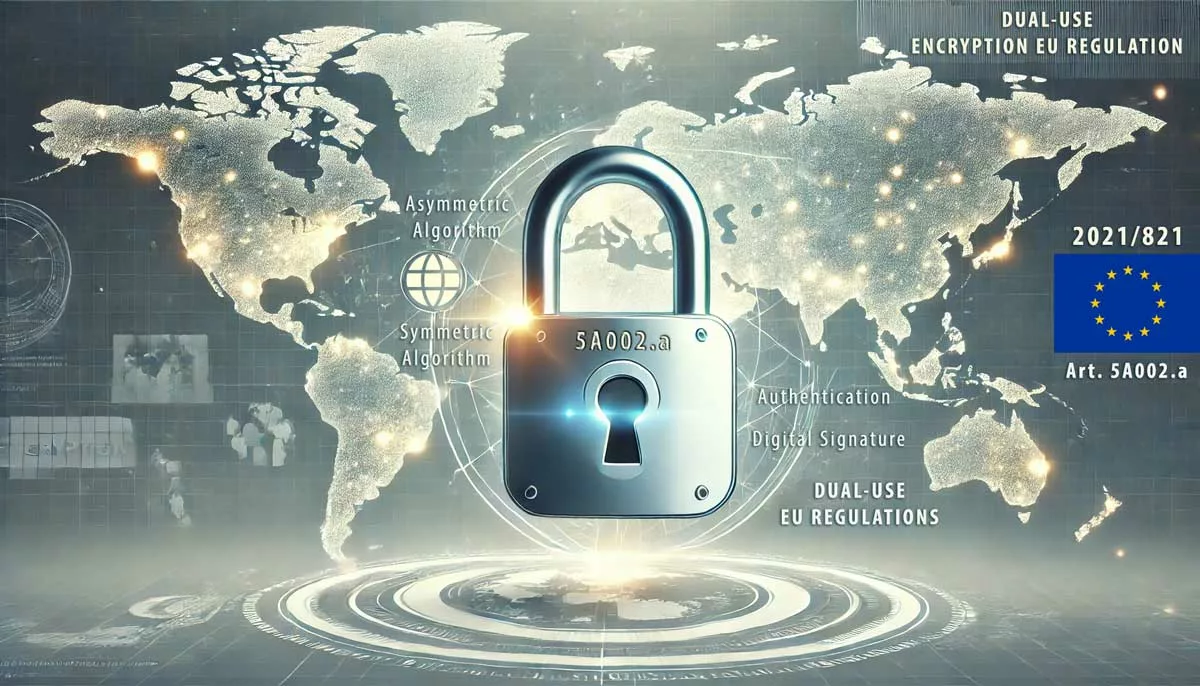
For the first time, governments and industries received standardized migration targets.

That decision transformed post-quantum cryptography from:

  • a theoretical research field,

into:

  • an operational governance issue.

The most important standards include:

  • ML-KEM (FIPS 203) derived from CRYSTALS-Kyber,
  • ML-DSA (FIPS 204) derived from CRYSTALS-Dilithium,
  • SLH-DSA (FIPS 205) based on SPHINCS+,
  • and the continued evaluation of HQC.

These standards now influence:

  • government procurement,
  • critical infrastructure compliance,
  • future PKI design,
  • long-term archival strategies,
  • cloud security architectures.

Why standardization changes everything

Before standardization:

  • organizations hesitated,
  • vendors waited,
  • migration remained speculative.

After standardization:

  • roadmaps become enforceable,
  • compliance frameworks evolve,
  • procurement requirements shift,
  • risk governance becomes measurable.

The strategic transition therefore begins long before practical quantum attacks exist.

NSA CNSA 2.0 accelerated sovereign awareness

Another major inflection point emerged through:
NSA CNSA 2.0.

The document profoundly influenced international cybersecurity doctrine because it effectively acknowledged:

  • RSA and ECC face structural long-term exposure,
  • migration requires years or decades,
  • crypto agility becomes mandatory,
  • inventory visibility becomes strategic.

This was not merely technical guidance.

It was a geopolitical signal.

Once major intelligence ecosystems publicly begin migration planning, the rest of the world inevitably follows.

The migration challenge is infrastructural, not mathematical

One of the greatest public misunderstandings concerns the nature of migration itself.

Replacing cryptography is not like updating a mobile application.

Modern cryptography is deeply embedded inside:

  • industrial control systems,
  • banking infrastructure,
  • government identity ecosystems,
  • embedded hardware,
  • telecommunications,
  • military systems,
  • cloud trust architectures.

Many infrastructures were designed decades ago.

Some cannot be easily upgraded at all.

Others depend on:

  • legacy firmware,
  • fixed silicon,
  • regulatory certification chains,
  • vendor interoperability constraints.

Consequently, migration itself becomes one of the largest cybersecurity engineering transitions in modern history.

Why hybrid cryptography dominates real-world strategy

No serious organization expects instantaneous replacement of classical cryptography.

Instead, hybrid deployment increasingly dominates operational planning.

Hybrid cryptography combines:

  • classical algorithms,
  • post-quantum algorithms,
  • parallel authentication paths,
  • segmented transition models.

The objective is not immediate perfection.

The objective is continuity.

Organizations need to maintain:

  • interoperability,
  • trust persistence,
  • operational stability,
  • regulatory compliance.

during a transition that may span decades.

✓ Operational reality

The greatest near-term cybersecurity danger may not be quantum cryptanalysis itself.

It may be poorly executed migration:

  • broken certificate chains,
  • incompatible infrastructures,
  • identity failures,
  • operational fragmentation.

Migration discipline therefore matters as much as cryptographic strength.

Why PKI infrastructures face systemic pressure

Public Key Infrastructure represents one of the most exposed strategic layers in the quantum transition.

Modern PKI underpins:

  • TLS authentication,
  • software signing,
  • government identity systems,
  • enterprise authentication,
  • secure email,
  • mobile trust ecosystems.

Most current PKI deployments still rely heavily on:

  • RSA,
  • ECC.

This creates systemic migration pressure across virtually the entire digital economy.

The challenge is staggering because PKI migration affects simultaneously:

  • certificate authorities,
  • hardware security modules,
  • browsers,
  • mobile ecosystems,
  • embedded systems,
  • industrial hardware.

Failure inside one layer may cascade across entire trust ecosystems.

Why China follows a radically different quantum strategy

The geopolitical dimension becomes even clearer when examining China’s approach.

Unlike Western migration models centered primarily on standards and interoperability, China increasingly combines:

  • Quantum Key Distribution (QKD),
  • PQC deployment,
  • state-operated infrastructure,
  • centralized governance.

Projects associated with:

  • China Telecom Quantum Group,
  • Quantum Secret,
  • Quantum Cloud Seal

illustrate this sovereign infrastructure strategy.

The Chinese model prioritizes:

  • centralized resilience,
  • national coordination,
  • state-managed observability.

This creates a strategic paradox.

A system may become:

  • quantum resistant,

while simultaneously becoming:

  • fully centralized,
  • highly observable,
  • state-controlled.

⮞ Sovereignty paradox

Quantum-safe infrastructure does not automatically guarantee digital freedom.

A cryptographically resilient system may still centralize:

  • identity visibility,
  • behavioral monitoring,
  • institutional control.

Future cybersecurity competition therefore concerns both:

  • encryption strength,
  • and sovereignty architecture.

Why Freemindtronic’s doctrine diverges fundamentally

Freemindtronic’s sovereign approach follows a radically different philosophy.

Instead of maximizing centralized visibility, the doctrine prioritizes:

  • offline operation,
  • segmented key encryption,
  • NFC HSM isolation,
  • distributed trust,
  • minimal metadata exposure.

This architecture assumes that future threats will increasingly combine:

  • quantum acceleration,
  • AI-assisted inference,
  • mass metadata aggregation,
  • behavioral correlation.

Consequently, resilience depends not only on stronger algorithms.

It depends on reducing observable attack surfaces themselves.

Why crypto agility becomes the decisive capability

One lesson increasingly dominates quantum-security strategy:
no algorithm should be treated as eternal.

History repeatedly demonstrates that:

  • cryptographic assumptions evolve,
  • new attacks emerge,
  • mathematical certainty remains temporary.

This is precisely why:

  • cryptographic diversity,
  • layered defense,
  • migration flexibility,
  • segmented architectures

become strategically essential.

Future resilience may depend less on finding:
“the perfect algorithm”

and more on maintaining:
“the ability to evolve continuously without systemic collapse.”

Key strategic insight

The quantum transition is not a future event.

It is already underway operationally through:

  • migration planning,
  • inventory mapping,
  • hybrid deployment,
  • sovereign infrastructure redesign.

The organizations adapting earliest are not necessarily the ones expecting immediate quantum collapse.

They are the ones recognizing that cryptographic lifecycles now extend beyond the lifespan of current computational assumptions.

AI-assisted cryptanalysis — when quantum acceleration converges with machine-scale inference

Quantum computing is not the only force transforming future cryptographic risk.

Artificial intelligence increasingly changes the structure of cyber operations themselves.

This evolution matters because many future attacks may not depend exclusively on:

  • breaking encryption mathematically.

Instead, they may depend on:

  • correlating metadata,
  • predicting behavior,
  • mapping identities,
  • reconstructing exposure patterns.

AI fundamentally amplifies those capabilities.

Why AI changes cybersecurity economics

Modern AI systems excel at:

  • pattern recognition,
  • correlation analysis,
  • anomaly detection,
  • behavioral inference,
  • predictive modeling.

Those capabilities already transform:

  • fraud detection,
  • advertising systems,
  • intelligence analysis,
  • cyber threat monitoring.

The same mechanisms can also accelerate offensive operations dramatically.

Poorly segmented infrastructures become increasingly vulnerable to:

  • credential mapping,
  • identity correlation,
  • behavioral fingerprinting,
  • metadata exploitation.

Even before practical quantum decryption exists.

The future threat model is hybrid, not isolated

For years, cybersecurity discussions separated threats into categories:

  • cryptography,
  • artificial intelligence,
  • network intrusion,
  • identity compromise.

That separation increasingly disappears.

Future attack ecosystems will likely combine:

  • AI-assisted reconnaissance,
  • automated metadata analysis,
  • large-scale behavioral profiling,
  • and eventually quantum-assisted cryptanalysis.

This convergence changes the strategic landscape profoundly.

A future attacker may not need to break every encryption layer directly.

Instead, the attacker may:

  • identify weak exposure points,
  • predict user behavior,
  • reconstruct fragmented identities,
  • prioritize vulnerable archives automatically.

Quantum capability then becomes an accelerator inside a broader intelligence ecosystem.

Metadata becomes the real battlefield

One of the most underestimated realities of modern cybersecurity is that metadata often matters more than encrypted content itself.

Metadata reveals:

  • who communicates,
  • when communications occur,
  • how often exchanges happen,
  • which infrastructures interact,
  • what behavioral patterns emerge.

Even perfectly encrypted content may still expose strategic intelligence through metadata continuity.

AI systems are exceptionally effective at exploiting those patterns.

This creates a dangerous asymmetry:

  • encrypted content may survive,
  • while strategic visibility collapses.

⚠ The hidden exposure problem

Future quantum resilience will not depend exclusively on:

  • algorithmic robustness.

It will increasingly depend on:

  • metadata minimization,
  • behavioral fragmentation,
  • reduced observability,
  • distributed trust architectures.

A perfectly encrypted infrastructure that continuously leaks metadata may still become strategically transparent.

Why centralized cloud architectures amplify long-term exposure

Modern digital ecosystems increasingly centralize:

  • identity management,
  • authentication,
  • communications,
  • storage,
  • behavioral telemetry.

This concentration improves:

  • scalability,
  • automation,
  • service continuity.

However, it also creates unprecedented aggregation surfaces.

Large centralized infrastructures allow attackers to:

  • harvest massive metadata volumes,
  • correlate identities globally,
  • build long-term behavioral models,
  • archive cryptographic material continuously.

The strategic danger is cumulative.

Every year of uninterrupted centralized exposure strengthens future retrospective attack capability.

Why segmented architectures resist AI-scale inference

This is precisely where segmented key encryption becomes strategically important.

Freemindtronic’s doctrine assumes that future adversaries increasingly rely on:

  • correlation capability,
  • visibility continuity,
  • data concentration,
  • behavioral persistence.

Segmented architectures directly weaken those assumptions.

Instead of exposing:

  • one centralized trust structure,

they fragment:

  • authentication,
  • storage,
  • identity visibility,
  • key reconstruction paths.

This transforms cybersecurity economics fundamentally.

The attacker no longer faces:

  • a purely mathematical problem.

The attacker faces:

  • an operational fragmentation problem.

Why offline infrastructures matter again

For years, cybersecurity favored:

  • continuous connectivity,
  • cloud synchronization,
  • centralized orchestration.

Quantum-era threat models increasingly reverse that logic.

Offline infrastructures now regain strategic relevance because they reduce:

  • continuous observability,
  • mass interception capability,
  • metadata aggregation,
  • behavioral telemetry persistence.

This explains the growing strategic value of:

  • offline NFC HSM systems,
  • segmented authentication,
  • local sovereign encryption,
  • distributed trust architectures.

The objective is not technological nostalgia.

The objective is reducing:
persistent attack visibility.

✓ Sovereign architecture principle

The safest cryptographic surface is not necessarily the one using the newest algorithm.

The safest surface is often the one adversaries cannot:

  • continuously observe,
  • aggregate,
  • profile,
  • or archive at industrial scale.

The environmental cost of quantum computing — the overlooked limit to quantum supremacy

Quantum computing discussions frequently focus on:

  • speed,
  • cryptographic disruption,
  • scientific breakthroughs.

Far fewer discussions examine:
energy sustainability.

Yet energy economics may become one of the decisive constraints limiting large-scale quantum deployment.

Quantum computing requires extreme physical conditions

Most modern quantum systems require:

  • cryogenic cooling near absolute zero,
  • continuous electromagnetic stabilization,
  • ultra-precise synchronization,
  • persistent error correction,
  • highly specialized fabrication environments.

Superconducting systems often operate around:

15 text{ millikelvin}

which is colder than deep space itself.

Maintaining such environments continuously at industrial scale demands enormous infrastructure.

Error correction multiplies energy consumption

The energy problem intensifies dramatically under fault-tolerant architectures.

Every additional logical qubit requires:

  • more physical qubits,
  • more synchronization,
  • more cooling,
  • more correction cycles,
  • more control electronics.

Consequently, practical cryptographically relevant systems may consume energy at scales far beyond current public expectations.

This creates a major strategic implication.

Even if quantum cryptanalysis becomes technically feasible:

  • economic scalability may remain constrained,
  • state concentration may intensify,
  • deployment capability may remain limited to hyperscale infrastructures.

The quantum-energy paradox

Quantum systems promise computational acceleration.

Yet sustaining fault-tolerant quantum computation may require:

  • massive electrical infrastructure,
  • continuous cooling chains,
  • specialized semiconductor ecosystems,
  • rare industrial expertise.

This creates a paradox.

The same technology capable of accelerating cryptanalysis may also become:

  • extremely expensive,
  • ecologically demanding,
  • strategically centralized.

In practice, future quantum capability may resemble:

  • nuclear infrastructure,
  • space launch systems,
  • or strategic semiconductor fabrication.

Meaning:

  • rare,
  • state-level,
  • and geopolitically concentrated.

⮞ Strategic implication

Quantum supremacy does not automatically imply universal attacker democratization.

The first cryptographically relevant quantum systems may remain accessible only to:

  • major intelligence powers,
  • state coalitions,
  • or hyperscale sovereign infrastructures.

That distinction profoundly changes threat modeling priorities.

Why ecological resilience becomes a cybersecurity issue

Future cybersecurity competition may increasingly involve:

  • cryptographic efficiency,
  • energy sustainability,
  • infrastructure resilience,
  • decentralized operational cost.

This is where sovereign offline architectures gain additional relevance.

Freemindtronic’s doctrine intentionally minimizes:

  • cloud dependency,
  • continuous synchronization,
  • massive centralized telemetry,
  • persistent infrastructure overhead.

Offline segmented architectures therefore create:

  • cryptographic resilience,
  • operational resilience,
  • and ecological resilience simultaneously.

Why sustainability may shape future cryptographic architectures

The future of cybersecurity may not belong exclusively to:

  • the most powerful infrastructures.

It may belong to:

  • the most sustainable infrastructures.

Systems requiring:

  • minimal visibility,
  • minimal energy concentration,
  • minimal metadata persistence,
  • minimal centralized exposure

may ultimately prove more resilient than infinitely scalable centralized ecosystems.

Strategic perspective

The future cybersecurity race may involve three simultaneous competitions:

  • cryptographic competition,
  • AI-scale intelligence competition,
  • energy sustainability competition.

Quantum resilience therefore becomes:

  • a technological issue,
  • a geopolitical issue,
  • and an ecological issue simultaneously.

Signals watch — how the quantum transition already reshapes global cybersecurity

Most technological revolutions do not arrive suddenly.

They emerge through signals.

Weak signals first.
Then operational indicators.
Then irreversible structural transformations.

Quantum cybersecurity now entered that transitional phase.

The decisive mistake would therefore be waiting for a spectacular “RSA collapse moment” before reacting.

History rarely works that way.

Cybersecurity transformations generally occur progressively:

  • through procurement decisions,
  • through infrastructure redesign,
  • through migration doctrine,
  • through silent shifts in strategic assumptions.

That evolution is already visible globally.

The first weak signal was linguistic

One of the earliest indicators appeared almost invisibly:
language itself changed.

For years, organizations discussed:

  • encryption standards,
  • certificate management,
  • key rotation,
  • traditional compliance.

Today, strategic documents increasingly emphasize:

  • crypto agility,
  • algorithmic flexibility,
  • migration readiness,
  • quantum resilience.

This linguistic shift matters.

Because institutions do not redesign vocabulary randomly.

They redesign vocabulary when assumptions change internally.

The rise of terms such as:

  • “hybrid cryptography,”
  • “post-quantum readiness,”
  • “retrospective exposure,”
  • “harvest now, decrypt later”

reveals that long-term cryptographic permanence is no longer considered guaranteed.

The second signal was inventory urgency

Another major signal emerged through cryptographic inventory programs.

Governments increasingly demand visibility regarding:

  • where RSA remains deployed,
  • which ECC systems persist,
  • how certificates propagate,
  • which archives possess long confidentiality lifecycles.

This evolution may appear administrative.

In reality, it is strategic.

Because organizations only begin mapping cryptographic dependencies when they expect future replacement to become unavoidable.

This explains why:

now repeatedly emphasize:

  • inventory visibility,
  • lifecycle analysis,
  • crypto-agility governance.

Why inventory becomes geopolitical

An organization incapable of identifying:

  • where vulnerable cryptography exists,
  • which archives remain exposed,
  • how trust chains propagate

cannot realistically migrate before future exposure accumulates irreversibly.

Quantum resilience therefore begins with visibility itself.

The third signal is hybrid deployment expansion

Another decisive indicator now appears operationally:
hybrid cryptography is no longer experimental.

Post-quantum algorithms increasingly enter:

  • VPN infrastructures,
  • TLS experimentation,
  • cloud trust models,
  • critical infrastructure pilots.

This trend matters because infrastructure operators rarely deploy immature cryptographic layers casually.

Hybrid deployment indicates:

  • serious migration preparation,
  • long-term transition planning,
  • acceptance that RSA/ECC replacement eventually becomes necessary.

Even when practical quantum attacks remain distant.

The strongest signal is psychological normalization

Perhaps the most important transformation is psychological.

Until recently, quantum cybersecurity discussions often sounded speculative.

Today, the tone changed dramatically.

Major organizations increasingly speak as if:

  • migration is inevitable,
  • timelines remain uncertain,
  • but preparation cannot wait.

That psychological normalization changes the global security ecosystem profoundly.

Because once institutions collectively accept:

  • future cryptographic transition,

entire industries begin reorganizing around that expectation.

Why “Store Now, Decrypt Later” became strategically dominant

The acceleration of SNDL awareness may represent the strongest operational signal of all.

For years, cybersecurity focused primarily on:

  • active intrusion,
  • malware,
  • ransomware,
  • real-time compromise.

Quantum risk changed the timeline.

Now, strategic actors increasingly recognize that:

  • future attacks begin through present interception.

This realization transformed:

  • government archival strategy,
  • military communications doctrine,
  • critical infrastructure planning,
  • long-term confidentiality governance.

Because the exposure horizon now extends decades into the future.

⚠ The irreversible asymmetry

If encrypted archives are harvested today and quantum capability emerges later:

  • future confidentiality cannot be retroactively restored.

This is why migration urgency exists before cryptographic collapse itself.

The strategic danger is persistence of exposure over time.

China’s deployment strategy became a geopolitical signal

Another major signal emerged through sovereign infrastructure deployment.

China’s expansion of:

  • quantum-safe telecom systems,
  • QKD integration,
  • state-managed quantum infrastructure

demonstrated that quantum security is no longer confined to laboratory experimentation.

It is now:

  • an infrastructure race,
  • a sovereignty race,
  • a geopolitical trust race.

This development forced Western infrastructures to accelerate migration planning politically as much as technically.

The AI convergence signal is accelerating silently

Perhaps the least visible yet most dangerous signal concerns AI-assisted cyber operations.

Large-scale AI systems increasingly improve:

  • metadata analysis,
  • behavioral mapping,
  • identity correlation,
  • credential prediction.

This convergence matters because future quantum capability may not operate independently.

Instead, AI systems may identify:

  • which archives matter most,
  • which identities remain vulnerable,
  • which infrastructures expose reusable trust chains.

Quantum computation then becomes:

  • a selective accelerator inside a broader intelligence architecture.

Why sovereign architectures gain strategic legitimacy again

For years, cybersecurity favored:

  • centralization,
  • cloud concentration,
  • global synchronization.

Quantum-era threat models increasingly reverse that trajectory.

Offline architectures.
Segmented trust models.
Distributed authentication.
Reduced metadata visibility.

Those approaches increasingly regain strategic legitimacy because they directly reduce:

  • continuous observability,
  • mass harvesting capability,
  • AI-scale behavioral inference.

This explains why sovereign cybersecurity doctrines increasingly prioritize:

  • exposure minimization,
  • rather than pure computational resistance alone.

✓ Strategic interpretation

Weak signals indicate preparation.

Operational signals indicate transition.

Geopolitical signals indicate irreversible restructuring of digital trust architectures.

The quantum transition therefore already exists — not yet through cryptographic collapse, but through strategic behavior change worldwide.

Quantum honeypots — preparing to detect the first real quantum-assisted intrusions

One of the most fascinating evolutions in post-quantum defense no longer concerns encryption itself.

It concerns detection.

Historically, cybersecurity evolved through phases:

  • prevention first,
  • detection later,
  • behavioral intelligence eventually.

Quantum cybersecurity now begins entering that same transition.

Because many researchers increasingly assume that:
the first operational quantum-assisted intrusions may not be publicly announced immediately.

They may instead appear first through:

  • behavioral anomalies,
  • unexpected decryption patterns,
  • cryptographic irregularities,
  • or abnormal trust-chain activity.

Why quantum detection matters strategically

Classical cybersecurity increasingly relies on:

  • intrusion detection systems,
  • behavioral telemetry,
  • deception environments,
  • forensic intelligence.

Quantum-era security will likely evolve similarly.

The objective becomes:

  • detecting cryptographic anomalies before widespread compromise occurs.

This is where quantum honeypots emerge conceptually.

What quantum honeypots actually do

Quantum honeypots intentionally expose monitored cryptographic environments designed to:

  • simulate vulnerable infrastructures,
  • observe unusual decryption attempts,
  • detect abnormal timing patterns,
  • capture reconnaissance behavior.

Their objective is not necessarily blocking attacks directly.

Their objective is:
early warning.

Some experimental initiatives associated with:

  • ETH Zurich,
  • Stanford research groups,
  • advanced blockchain security studies

already explore how exposed ECDSA structures may function as quantum-warning sensors.

The first quantum intrusions may initially resemble ordinary anomalies

One of the central difficulties of future quantum-assisted attacks is that they may not appear spectacular initially.

There may be:

  • no public declaration,
  • no visible “quantum weapon,”
  • no cinematic moment where encryption suddenly collapses.

Instead, the first indicators may emerge indirectly through:

  • unexpected certificate compromises,
  • unusual signature reconstruction patterns,
  • abnormal authentication behavior,
  • or impossible cryptographic timing sequences.

This resembles earlier transitions in cybersecurity history.

Long before the public fully understood:

  • APT operations,
  • supply-chain attacks,
  • nation-state cyber operations,

specialized analysts first detected:

  • behavioral inconsistencies,
  • silent persistence patterns,
  • statistical irregularities.

Quantum-assisted attacks may evolve similarly.

Why ECDSA ecosystems attract particular attention

Researchers increasingly monitor ECDSA-based infrastructures because they combine several characteristics:

  • massive public-key exposure,
  • global visibility,
  • persistent blockchain archives,
  • reusable cryptographic structures.

This creates an ideal observation environment.

If future attackers begin experimenting with:

  • partial quantum-assisted signature recovery,
  • advanced probabilistic attacks,
  • hybrid AI-quantum cryptanalysis,

blockchain ecosystems may reveal the earliest detectable operational traces.

That possibility explains why Bitcoin researchers increasingly debate:

  • public-key exposure reduction,
  • address reuse minimization,
  • migration timing.

The intelligence dimension of quantum detection

Quantum honeypots also introduce a geopolitical dimension rarely discussed publicly.

Because once states suspect:

  • another actor may possess early quantum-assisted capability,

detection itself becomes strategic intelligence.

The objective shifts toward:

  • estimating adversary maturity,
  • observing operational methodology,
  • mapping cryptographic targeting priorities.

In that context, quantum telemetry becomes as important as encryption itself.

Why deception architectures may return massively

Cybersecurity repeatedly demonstrates that:
perfect prevention rarely exists.

Consequently, deception increasingly returns as a strategic defense doctrine.

Future quantum defense ecosystems may therefore combine:

  • hybrid PQC migration,
  • behavioral anomaly detection,
  • segmented architectures,
  • quantum honeypots,
  • AI-assisted forensic analysis.

This evolution matters because future resilience may depend not only on resisting attacks—
but on identifying them before systemic compromise spreads.

Key insight

The first practical quantum-assisted intrusions may not initially be recognized publicly as “quantum attacks.”

They may first appear as unexplained cryptographic anomalies detected by specialized behavioral monitoring systems.

Quantum threats to decentralized identity systems

For years, decentralized identity systems promised a new digital trust model.

Instead of depending entirely on centralized authorities:

  • individuals could theoretically regain control over credentials,
  • authentication,
  • digital sovereignty.

However, quantum computing now introduces a profound paradox.

Many decentralized identity ecosystems rely heavily on:

  • ECC signatures,
  • persistent public verification,
  • distributed trust transparency.

Those same strengths may eventually become structural weaknesses under future quantum conditions.

Why decentralized identity creates long-term exposure

Traditional centralized infrastructures often rotate:

  • certificates,
  • keys,
  • trust relationships.

By contrast, decentralized systems frequently emphasize permanence.

Public signatures may remain visible indefinitely.

Credential chains may remain archived permanently.

Trust relationships may remain mathematically observable for decades.

This persistence creates a dangerous asymmetry in a future Shor-capable environment.

Because once public cryptographic material becomes permanently exposed:

  • future retrospective analysis becomes possible indefinitely.

The blockchain visibility paradox

Blockchain ecosystems illustrate this challenge clearly.

Their transparency provides:

  • auditability,
  • distributed verification,
  • public integrity.

Yet transparency also creates:

  • massive cryptographic observability.

Future adversaries may therefore possess:

  • years of archived public keys,
  • historical transaction graphs,
  • signature relationships,
  • identity correlations.

The issue is therefore no longer simply algorithmic resistance.

It becomes:
long-term exposure persistence.

Why reusable public keys matter so much

Many users underestimate a decisive operational detail.

In several blockchain ecosystems:

  • public-key reuse dramatically increases exposure duration.

Once an address repeatedly exposes:

  • the same public key,

future attackers gain:

  • more observational time,
  • more archival material,
  • more behavioral continuity.

That continuity may eventually simplify:

  • future cryptanalytic targeting,
  • identity reconstruction,
  • AI-assisted correlation analysis.

Why sovereign offline identity models become attractive again

This explains why sovereign cybersecurity doctrines increasingly favor:

  • offline identity validation,
  • segmented authentication,
  • minimal metadata generation,
  • reduced public observability.

The objective changes fundamentally.

Instead of maximizing global visibility:

  • the goal becomes minimizing persistent exposure.

Freemindtronic’s offline NFC HSM doctrine follows precisely this logic.

Authentication occurs locally.

Key exposure decreases dramatically.

Metadata generation shrinks.

Continuous centralized observation becomes far more difficult.

The future identity war may concern visibility more than encryption

This evolution changes the philosophy of digital identity itself.

For decades, cybersecurity primarily asked:

  • “Can identity systems resist forgery?”

Future quantum-era systems may increasingly ask:

  • “How much identity information remains continuously observable over decades?”

That distinction is profound.

Because a mathematically secure identity system may still become strategically fragile if:

  • its trust relationships remain permanently exposed to future intelligence analysis.

✓ Sovereign identity principle

Future identity resilience may depend less on permanent transparency—
and more on minimizing persistent cryptographic observability over time.

Quantum threats to PKI infrastructures — the silent fragility of digital trust

Most people rarely think about Public Key Infrastructure.

Yet PKI silently supports nearly every modern trust system.

Every day, billions of operations depend on:

  • TLS certificates,
  • software signing,
  • enterprise authentication,
  • government identity systems,
  • secure communications.

And most of those infrastructures still depend primarily on:

  • RSA,
  • ECC.

That dependency creates one of the largest migration challenges in digital history.

Why PKI migration is far harder than replacing algorithms

Public discussions often simplify post-quantum migration.

As if organizations simply needed to:

  • replace one algorithm with another.

Reality is dramatically more complex.

PKI infrastructures involve:

  • certificate authorities,
  • hardware security modules,
  • embedded firmware,
  • browsers,
  • mobile operating systems,
  • industrial devices,
  • critical infrastructure controllers.

A failure inside one layer may cascade across entire ecosystems.

That is why migration timelines extend over many years.

Sometimes decades.

The hidden dependency problem

Another major difficulty concerns invisible dependencies.

Many organizations simply do not fully know:

  • where cryptographic systems remain embedded.

Legacy infrastructures often contain:

  • forgotten certificates,
  • obsolete trust chains,
  • unsupported hardware,
  • unmaintained authentication logic.

Those hidden dependencies become dangerous during migration.

Because replacing cryptography inside one environment may unexpectedly disrupt:

  • authentication continuity,
  • industrial operations,
  • critical service availability.

Why hybrid cryptography dominates the transition phase

This complexity explains why hybrid cryptography now dominates strategic planning globally.

Hybrid models combine:

  • classical cryptography,
  • post-quantum algorithms,
  • parallel trust validation.

The objective is not elegance.

The objective is operational continuity.

Organizations need time to:

  • test interoperability,
  • identify hidden dependencies,
  • avoid catastrophic trust failures.

The migration race already reshapes geopolitical strategy

Quantum migration is no longer confined to research laboratories.

It now influences:

  • defense procurement,
  • telecommunication policy,
  • digital sovereignty planning,
  • critical infrastructure modernization.

This shift became unmistakable once major institutions publicly acknowledged that:
post-quantum migration must begin before practical quantum attacks exist.

That statement alone changed the global cybersecurity doctrine.

NIST transformed post-quantum cryptography from theory into operational policy

For years, post-quantum cryptography remained largely academic.

Then the National Institute of Standards and Technology (NIST) fundamentally altered the landscape through its post-quantum standardization process.

The publication of:

  • ML-KEM (FIPS 203),
  • ML-DSA (FIPS 204),
  • SLH-DSA (FIPS 205),

marked a historic transition.

Quantum resilience stopped being speculative research.

It became:

  • an engineering roadmap,
  • a procurement issue,
  • a sovereignty issue.

Meanwhile, the continued evaluation of HQC reinforced another strategic principle:
cryptographic diversity matters.

Why no serious institution expects “one perfect algorithm”

One of the major lessons of cryptographic history is simple:

  • every dominant standard eventually faces pressure.

DES collapsed.

SHA-1 weakened.

RSA itself now faces long-term quantum exposure.

Consequently, modern post-quantum strategy increasingly avoids:

  • single-algorithm dependence.

That explains why:

  • lattice-based cryptography,
  • code-based cryptography,
  • hash-based signatures,

are all being explored simultaneously.

The future will likely belong not to:

  • one universally dominant primitive,

but to:

  • crypto agility,
  • algorithmic diversity,
  • adaptive layered architectures.

The NSA CNSA 2.0 doctrine accelerated strategic urgency

The publication of the NSA CNSA 2.0 guidance represented another decisive moment.

Because the message became impossible to ignore.

The doctrine effectively acknowledged that:

  • RSA and ECC face unavoidable long-term exposure,
  • migration delays increase strategic risk,
  • inventory visibility becomes essential.

This changed the behavior of:

  • governments,
  • critical infrastructure providers,
  • telecommunications operators,
  • financial institutions.

The discussion was no longer:

  • “Will migration happen?”

The discussion became:

  • “How can migration occur without operational collapse?”

Europe adopts a slower but sovereignty-oriented approach

European institutions evolved differently.

Organizations such as:

increasingly emphasize:

  • migration governance,
  • critical dependency visibility,
  • resilience continuity,
  • strategic autonomy.

The European posture generally appears more cautious than the American approach.

However, it increasingly prioritizes:
digital sovereignty and operational continuity.

China follows an entirely different philosophy

China’s strategy diverges fundamentally from Western models.

Rather than focusing primarily on decentralized interoperability, China increasingly combines:

  • Quantum Key Distribution (QKD),
  • PQC deployment,
  • state-controlled telecom infrastructure,
  • centralized governance.

Projects associated with:

  • Quantum Secret,
  • Quantum Cloud Seal,
  • national quantum communication backbones,

illustrate this sovereign centralized posture.

This model may provide:

  • high institutional resilience,
  • rapid national deployment capability.

Yet it also increases:

  • centralized observability,
  • state visibility,
  • institutional control.

The geopolitical fracture is becoming philosophical

Quantum migration increasingly reveals a deeper geopolitical divergence.

The United States emphasizes:

  • standardization leadership,
  • industrial coordination,
  • hybrid migration.

Europe increasingly emphasizes:

  • regulatory resilience,
  • digital sovereignty,
  • trust continuity.

China increasingly emphasizes:

  • state-coordinated infrastructure control,
  • centralized deployment capability.

Meanwhile, decentralized sovereign-security doctrines such as Freemindtronic’s approach prioritize:

  • offline resilience,
  • segmented key architectures,
  • minimal metadata exposure.

These models do not simply reflect technical preferences.

They reflect fundamentally different visions of:

  • trust,
  • visibility,
  • control,
  • digital autonomy.

⮞ Strategic interpretation

The post-quantum transition is not merely a cryptographic migration.

It is becoming a geopolitical restructuring of global digital trust architectures.

Freemindtronic doctrine — decentralized quantum resilience and exposure minimization

Most cybersecurity strategies continue to focus primarily on:

  • stronger algorithms,
  • larger infrastructures,
  • centralized monitoring.

Freemindtronic’s doctrine follows a radically different direction.

The objective is not only to resist future decryption.

The objective is to reduce observable exposure itself.

That distinction changes everything.

Why exposure matters more than raw computational resistance

Future quantum systems may eventually accelerate:

  • factorization,
  • discrete logarithms,
  • certain search operations.

However, quantum systems cannot decrypt:

  • data they cannot observe,
  • segments they cannot reconstruct,
  • metadata they cannot aggregate.

This principle sits at the center of sovereign segmented encryption doctrine.

Because future attacks will likely depend not only on mathematics—
but also on:

  • visibility,
  • continuity,
  • centralization.

Why centralized cloud dependency becomes strategically dangerous

Modern infrastructures increasingly concentrate:

  • credentials,
  • authentication flows,
  • behavioral telemetry,
  • metadata.

This concentration creates:

  • high-value intelligence targets.

AI-assisted analysis amplifies this danger further.

Because centralized visibility allows:

  • pattern recognition,
  • identity correlation,
  • credential mapping,
  • behavioral prediction.

Long before practical quantum attacks emerge, exposure accumulation already begins.

Why offline architectures radically change attacker economics

Freemindtronic’s sovereign model intentionally minimizes:

  • continuous online visibility,
  • persistent metadata exposure,
  • centralized credential concentration.

Offline architectures alter the attack surface fundamentally.

Attackers can no longer rely on:

  • mass telemetry aggregation,
  • continuous remote observation,
  • centralized cloud interception.

Instead, operational complexity increases dramatically.

That complexity becomes strategically valuable.

DataShielder — segmented encryption as sovereign architecture

DataShielder embodies this doctrine operationally.

Its architecture combines:

  • AES-256 CBC encryption,
  • segmented key structures,
  • offline NFC HSM isolation,
  • zero-server dependency.

This creates several strategic consequences.

First:

  • cryptographic material remains decentralized.

Second:

  • metadata leakage decreases dramatically.

Third:

  • cloud interception becomes far less useful.

Finally:

  • AI-assisted large-scale visibility weakens significantly.

Why segmented key encryption changes future quantum assumptions

Classical cryptographic models often assume:

  • a monolithic key structure.

Segmented architectures disrupt this assumption.

Attackers must now:

  • identify multiple segments,
  • capture independent components,
  • correlate fragmented information,
  • reconstruct separated authentication logic.

This transforms the problem from:

  • pure mathematics

into:

  • multi-dimensional operational compromise.

Even future quantum acceleration may not simplify:

  • missing metadata,
  • offline-isolated fragments,
  • distributed sovereign custody.

The migration race already reshapes geopolitical strategy

Quantum migration is no longer confined to research laboratories.

It now influences:

  • defense procurement,
  • telecommunication policy,
  • digital sovereignty planning,
  • critical infrastructure modernization.

This shift became unmistakable once major institutions publicly acknowledged that:
post-quantum migration must begin before practical quantum attacks exist.

That statement alone changed the global cybersecurity doctrine.

NIST transformed post-quantum cryptography from theory into operational policy

For years, post-quantum cryptography remained largely academic.

Then the National Institute of Standards and Technology (NIST) fundamentally altered the landscape through its post-quantum standardization process.

The publication of:

  • ML-KEM (FIPS 203),
  • ML-DSA (FIPS 204),
  • SLH-DSA (FIPS 205),

marked a historic transition.

Quantum resilience stopped being speculative research.

It became:

  • an engineering roadmap,
  • a procurement issue,
  • a sovereignty issue.

Meanwhile, the continued evaluation of HQC reinforced another strategic principle:
cryptographic diversity matters.

Why no serious institution expects “one perfect algorithm”

One of the major lessons of cryptographic history is simple:

  • every dominant standard eventually faces pressure.

DES collapsed.

SHA-1 weakened.

RSA itself now faces long-term quantum exposure.

Consequently, modern post-quantum strategy increasingly avoids:

  • single-algorithm dependence.

That explains why:

  • lattice-based cryptography,
  • code-based cryptography,
  • hash-based signatures,

are all being explored simultaneously.

The future will likely belong not to:

  • one universally dominant primitive,

but to:

  • crypto agility,
  • algorithmic diversity,
  • adaptive layered architectures.

The NSA CNSA 2.0 doctrine accelerated strategic urgency

The publication of the NSA CNSA 2.0 guidance represented another decisive moment.

Because the message became impossible to ignore.

The doctrine effectively acknowledged that:

  • RSA and ECC face unavoidable long-term exposure,
  • migration delays increase strategic risk,
  • inventory visibility becomes essential.

This changed the behavior of:

  • governments,
  • critical infrastructure providers,
  • telecommunications operators,
  • financial institutions.

The discussion was no longer:

  • “Will migration happen?”

The discussion became:

  • “How can migration occur without operational collapse?”

Europe adopts a slower but sovereignty-oriented approach

European institutions evolved differently.

Organizations such as:

increasingly emphasize:

  • migration governance,
  • critical dependency visibility,
  • resilience continuity,
  • strategic autonomy.

The European posture generally appears more cautious than the American approach.

However, it increasingly prioritizes:
digital sovereignty and operational continuity.

China follows an entirely different philosophy

China’s strategy diverges fundamentally from Western models.

Rather than focusing primarily on decentralized interoperability, China increasingly combines:

  • Quantum Key Distribution (QKD),
  • PQC deployment,
  • state-controlled telecom infrastructure,
  • centralized governance.

Projects associated with:

  • Quantum Secret,
  • Quantum Cloud Seal,
  • national quantum communication backbones,

illustrate this sovereign centralized posture.

This model may provide:

  • high institutional resilience,
  • rapid national deployment capability.

Yet it also increases:

  • centralized observability,
  • state visibility,
  • institutional control.

The geopolitical fracture is becoming philosophical

Quantum migration increasingly reveals a deeper geopolitical divergence.

The United States emphasizes:

  • standardization leadership,
  • industrial coordination,
  • hybrid migration.

Europe increasingly emphasizes:

  • regulatory resilience,
  • digital sovereignty,
  • trust continuity.

China increasingly emphasizes:

  • state-coordinated infrastructure control,
  • centralized deployment capability.

Meanwhile, decentralized sovereign-security doctrines such as Freemindtronic’s approach prioritize:

  • offline resilience,
  • segmented key architectures,
  • minimal metadata exposure.

These models do not simply reflect technical preferences.

They reflect fundamentally different visions of:

  • trust,
  • visibility,
  • control,
  • digital autonomy.

⮞ Strategic interpretation

The post-quantum transition is not merely a cryptographic migration.

It is becoming a geopolitical restructuring of global digital trust architectures.

Freemindtronic doctrine — decentralized quantum resilience and exposure minimization

Most cybersecurity strategies continue to focus primarily on:

  • stronger algorithms,
  • larger infrastructures,
  • centralized monitoring.

Freemindtronic’s doctrine follows a radically different direction.

The objective is not only to resist future decryption.

The objective is to reduce observable exposure itself.

That distinction changes everything.

Why exposure matters more than raw computational resistance

Future quantum systems may eventually accelerate:

  • factorization,
  • discrete logarithms,
  • certain search operations.

However, quantum systems cannot decrypt:

  • data they cannot observe,
  • segments they cannot reconstruct,
  • metadata they cannot aggregate.

This principle sits at the center of sovereign segmented encryption doctrine.

Because future attacks will likely depend not only on mathematics—
but also on:

  • visibility,
  • continuity,
  • centralization.

Why centralized cloud dependency becomes strategically dangerous

Modern infrastructures increasingly concentrate:

  • credentials,
  • authentication flows,
  • behavioral telemetry,
  • metadata.

This concentration creates:

  • high-value intelligence targets.

AI-assisted analysis amplifies this danger further.

Because centralized visibility allows:

  • pattern recognition,
  • identity correlation,
  • credential mapping,
  • behavioral prediction.

Long before practical quantum attacks emerge, exposure accumulation already begins.

Why offline architectures radically change attacker economics

Freemindtronic’s sovereign model intentionally minimizes:

  • continuous online visibility,
  • persistent metadata exposure,
  • centralized credential concentration.

Offline architectures alter the attack surface fundamentally.

Attackers can no longer rely on:

  • mass telemetry aggregation,
  • continuous remote observation,
  • centralized cloud interception.

Instead, operational complexity increases dramatically.

That complexity becomes strategically valuable.

DataShielder — segmented encryption as sovereign architecture

DataShielder embodies this doctrine operationally.

Its architecture combines:

  • AES-256 CBC encryption,
  • segmented key structures,
  • offline NFC HSM isolation,
  • zero-server dependency.

This creates several strategic consequences.

First:

  • cryptographic material remains decentralized.

Second:

  • metadata leakage decreases dramatically.

Third:

  • cloud interception becomes far less useful.

Finally:

  • AI-assisted large-scale visibility weakens significantly.

Why segmented key encryption changes future quantum assumptions

Classical cryptographic models often assume:

  • a monolithic key structure.

Segmented architectures disrupt this assumption.

Attackers must now:

  • identify multiple segments,
  • capture independent components,
  • correlate fragmented information,
  • reconstruct separated authentication logic.

This transforms the problem from:

  • pure mathematics

into:

  • multi-dimensional operational compromise.

Even future quantum acceleration may not simplify:

  • missing metadata,
  • offline-isolated fragments,
  • distributed sovereign custody.

SeedNFC — quantum-aware sovereignty for Bitcoin custody

SeedNFC extends the same doctrine into cryptocurrency security.

This matters because Bitcoin ecosystems face a unique quantum paradox.

Bitcoin was designed to eliminate centralized trust.

Yet many wallets unintentionally create:

  • persistent public-key visibility,
  • long-term signature exposure,
  • durable transaction traceability.

Under future Shor-capable environments, those characteristics may eventually become exploitable at scale.

SeedNFC therefore prioritizes:

  • offline sovereign custody,
  • reduced public-key reuse,
  • segmented authentication,
  • minimal observable exposure.

The objective is not “perfect theoretical immunity.”

The objective is:
long-term exposure minimization.

Why quantum resilience begins before migration

Many organizations still misunderstand a decisive strategic reality.

Post-quantum resilience does not begin:

  • after cryptographic collapse.

It begins:

  • during exposure management.

That means:

  • inventory visibility,
  • metadata reduction,
  • segmentation,
  • offline isolation,
  • crypto agility,

already matter today.

Because once adversaries harvest:

  • encrypted archives,
  • identity graphs,
  • public-key relationships,
  • credential ecosystems,

future retrospective decryption may eventually become irreversible.

The future attack surface is becoming behavioral

Traditional cryptography focused primarily on:

  • mathematical hardness.

Future attack models increasingly target:

  • metadata continuity,
  • identity persistence,
  • behavioral predictability,
  • observability concentration.

This evolution explains why:

  • AI-assisted cryptanalysis,
  • quantum acceleration,
  • mass telemetry aggregation,

are converging strategically.

The future battle may concern:
who controls visibility itself.

✓ Sovereign doctrine

The safest cryptographic infrastructure is not necessarily the most visible, centralized, or computationally powerful.

The safest infrastructure may ultimately be the one that minimizes persistent exposure before future computation transforms exposure into permanent intelligence.

AI-assisted cryptanalysis — the parallel acceleration nobody can ignore

Quantum computing dominates headlines.

Yet another transformation already progresses operationally:
AI-assisted cryptanalysis.

Unlike fault-tolerant quantum systems, AI infrastructure already exists at industrial scale.

And unlike theoretical quantum projections, AI-assisted inference already impacts cybersecurity daily.

This distinction matters enormously.

Because future cryptographic fragility may emerge through:

  • the convergence of AI and quantum capabilities,

rather than through quantum computing alone.

Why AI changes cybersecurity before quantum maturity

Modern AI systems excel at:

  • pattern recognition,
  • behavioral modeling,
  • anomaly detection,
  • correlation analysis.

This transforms offensive capability dramatically.

Because many attacks no longer depend exclusively on:

  • breaking encryption mathematically.

Instead, attackers increasingly exploit:

  • metadata continuity,
  • credential reuse,
  • human behavioral repetition,
  • identity correlations.

The rise of exposure intelligence

Future intelligence operations may increasingly combine:

  • AI inference,
  • telemetry aggregation,
  • massive historical archives,
  • eventual quantum acceleration.

This creates a dangerous compounding effect.

Because even before practical Shor-capable systems exist:

  • AI can already map relationships,
  • predict behavior,
  • identify weak trust chains.

Quantum systems may later accelerate exploitation.

Why metadata becomes strategically critical

Metadata increasingly matters as much as encryption itself.

Who communicates with whom.

How frequently.

Under which authentication structures.

Across which trust relationships.

For how long.

AI systems thrive on continuity.

That means infrastructures generating:

  • persistent telemetry,
  • centralized logs,
  • continuous behavioral visibility,

gradually become easier to model.

Over years, those models may become extraordinarily powerful.

Quantum + AI convergence changes the threat model completely

For decades, cryptography assumed:

  • mathematical resistance was the central problem.

Future systems may instead confront:

  • AI-enhanced exposure analysis,
  • behavioral intelligence automation,
  • quantum-assisted cryptanalytic acceleration.

This changes the philosophy of defense itself.

The objective can no longer remain:

  • “strong encryption only.”

The objective increasingly becomes:

  • reduced observability,
  • reduced metadata continuity,
  • reduced centralized visibility.

Why segmented architectures resist AI better

Segmented architectures create strategic friction for AI systems.

Because AI models depend heavily on:

  • large continuous datasets,
  • correlated behavioral patterns,
  • persistent telemetry continuity.

Offline segmented infrastructures intentionally disrupt:

  • global visibility,
  • single-point observability,
  • centralized aggregation.

This weakens:

  • predictive capability itself.

That is why segmentation is not only:

  • a cryptographic strategy.

It is also:

  • an anti-correlation strategy.

The future battlefield may concern intelligence dominance more than brute-force decryption

This may become the defining strategic shift of the coming decade.

Quantum systems may eventually weaken certain mathematical assumptions.

But AI systems may already determine:

  • which infrastructures are most exposed,
  • which identities matter most,
  • which trust chains remain vulnerable.

Consequently, the future cybersecurity race may no longer concern:

  • raw computational power alone.

It may increasingly concern:

  • who controls visibility,
  • who controls telemetry,
  • who controls behavioral intelligence.

⮞ Summary

The future threat landscape is no longer:
“Quantum versus classical.”

It increasingly becomes:
“Quantum acceleration combined with AI-scale exposure intelligence.”

The environmental cost of quantum computing — the overlooked constraint

Public imagination often portrays quantum computing as an almost magical leap in computation.

Reality is far more physical.

And far more expensive.

Because large-scale fault-tolerant quantum systems require enormous industrial infrastructure.

Why cryogenic infrastructure changes everything

Most advanced quantum systems operate near absolute zero.

That means:

  • extreme cryogenic cooling,
  • continuous thermal stabilization,
  • persistent energy-intensive synchronization.

These environments are extraordinarily difficult to maintain.

Even small thermal instability may:

  • destroy coherence,
  • increase noise,
  • invalidate computation.

Consequently, practical quantum infrastructure demands:

  • massive energy reliability.

Fault tolerance multiplies infrastructure requirements

Another overlooked issue concerns error correction.

Because useful logical qubits require:

  • huge quantities of physical qubits.

This multiplies:

  • hardware complexity,
  • energy consumption,
  • synchronization requirements,
  • cooling demands.

In practice, a cryptographically relevant quantum computer may require infrastructure comparable to:

  • large scientific facilities,
  • specialized industrial environments.

This dramatically limits:

  • who can realistically operate such systems.

Why HQC matters in the NIST diversification strategy

This context explains the growing strategic importance of HQC (Hamming Quasi-Cyclic).

Unlike lattice-based systems such as:

  • ML-KEM,
  • ML-DSA,

HQC belongs to the family of:

  • code-based cryptography.

That distinction matters enormously.

Because future cryptographic resilience may depend less on:

  • finding one perfect primitive,

and more on:

  • avoiding systemic monoculture.

NIST’s continued interest in HQC therefore reflects a strategic principle:
diversity itself becomes resilience.

The post-quantum era may punish monocultures brutally

Modern digital ecosystems increasingly depend on:

  • globalized standards,
  • shared libraries,
  • common trust chains.

This creates efficiency.

But it also creates:

  • systemic fragility.

If one dominant cryptographic family eventually weakens:

  • entire infrastructures may become simultaneously vulnerable.

That risk explains why future sovereign architectures increasingly prioritize:

  • crypto agility,
  • segmented trust models,
  • algorithmic diversity.

The future belongs to adaptability

Perhaps the greatest misconception surrounding post-quantum cryptography is believing:

  • migration is a final destination.

It is not.

Post-quantum security is not:

  • a permanent state.

It is:

  • a continuous adaptation process.

Future resilience will likely depend on:

  • how rapidly infrastructures can evolve,
  • how efficiently exposure can be reduced,
  • how flexibly cryptographic layers can change.

That means the strongest future systems may not necessarily be:

  • the most mathematically elegant.

They may instead be:

  • the most operationally agile.

⮞ Summary

The future of post-quantum resilience depends less on one “perfect” algorithm—
and more on diversification, crypto agility, segmented architectures, and long-term operational adaptability.

When not to act — the strategic non-action principle

One of the most underestimated dangers in cybersecurity is panic-driven transformation.

Quantum fear can become operationally destructive when organizations:

  • rush migration blindly,
  • deploy immature cryptographic stacks,
  • break interoperability prematurely.

This creates a paradox rarely acknowledged publicly.

Poor migration may weaken infrastructures faster than quantum computers themselves.

Why premature migration can become dangerous

Post-quantum deployment affects:

  • PKI ecosystems,
  • certificate authorities,
  • embedded devices,
  • industrial infrastructure,
  • identity systems,
  • critical software dependencies.

A rushed migration may trigger:

  • authentication failures,
  • trust-chain fragmentation,
  • certificate incompatibilities,
  • service disruption.

In critical infrastructure, those failures may become catastrophic.

Why cryptographic inventory matters before migration

Many institutions still lack:

  • complete visibility over their cryptographic dependencies.

That creates a strategic blind spot.

Because organizations cannot safely migrate systems they do not fully understand.

Before any large-scale transition, institutions increasingly need:

  • cryptographic inventory mapping,
  • lifecycle analysis,
  • dependency visibility,
  • hybrid interoperability testing.

Without that preparation, migration itself becomes:

  • an attack surface.

The real urgency concerns long-lifecycle data

Not all systems face identical risk horizons.

Some data loses value rapidly.

Other information remains sensitive for:

  • 10 years,
  • 20 years,
  • 50 years,
  • or permanently.

That distinction changes migration priorities dramatically.

Long-lifecycle exposure includes:

  • government archives,
  • military intelligence,
  • medical records,
  • industrial secrets,
  • identity infrastructures.

Those environments require earlier preparation because:

  • retrospective decryption risk already exists today.

The strategic objective is continuity, not speed alone

Successful post-quantum transition depends on balance.

Too little preparation creates:

  • future exposure.

Too much rushed transformation creates:

  • present instability.

That is why mature cybersecurity doctrine increasingly emphasizes:

  • measured migration,
  • crypto agility,
  • hybrid coexistence,
  • operational continuity.

Why strategic patience is sometimes the strongest defense

Cybersecurity history repeatedly demonstrates that:

  • technological transitions rarely succeed through panic.

Strong resilience usually emerges through:

  • progressive adaptation,
  • careful validation,
  • continuous governance.

The same principle now applies to post-quantum migration.

Organizations must prepare early.

But they must migrate intelligently.

⚠ Strategic doctrine

Do not migrate because headlines generate fear.

Migrate because your cryptographic lifecycle analysis demonstrates measurable long-term exposure requiring controlled adaptation.

Freemindtronic sovereign use cases — operational quantum resilience in practice

Many publications discuss quantum resilience abstractly.

Far fewer explore how sovereign architectures operate concretely under future exposure models.

Freemindtronic technologies provide operational examples of how:

  • segmentation,
  • offline processing,
  • minimal metadata exposure,

can already reduce future cryptographic risk today.

Use case — DataShielder and sovereign confidentiality

DataShielder applies a doctrine fundamentally different from cloud-centric cybersecurity.

The objective is not simply encrypting information.

The objective is reducing:

  • observable exposure itself.

DataShielder combines:

  • AES-256 CBC encryption,
  • segmented key management,
  • offline NFC HSM isolation,
  • zero-server dependency.

This architecture changes several attack assumptions simultaneously.

Because:

  • keys remain decentralized,
  • metadata visibility decreases,
  • telemetry continuity weakens,
  • cloud interception loses strategic value.

In a future environment where:

  • AI inference,
  • mass telemetry analysis,
  • quantum acceleration

may converge operationally, this reduction of exposure becomes strategically decisive.

Use case — PassCypher and segmented secret management

PassCypher extends sovereign segmentation into:

  • credential protection,
  • offline secret storage,
  • distributed authentication logic.

Instead of centralizing trust:

  • the system fragments observable exposure.

This matters because future attackers will likely target:

  • credential correlation,
  • identity continuity,
  • behavioral repetition.

Segmented secret architectures reduce:

  • single-point compromise potential.

Use case — SeedNFC and Bitcoin quantum resilience

SeedNFC applies sovereign cryptographic doctrine directly to Bitcoin custody.

This matters because cryptocurrency ecosystems occupy a unique position in the quantum debate.

Unlike traditional infrastructures:

  • blockchains preserve historical signatures permanently,
  • public-key relationships remain globally observable,
  • transaction histories persist indefinitely.

This permanence transforms cryptocurrency into one of the most visible long-term quantum exposure surfaces ever created.

Why Bitcoin creates a strategic asymmetry

Bitcoin’s transparency provides extraordinary advantages:

  • auditability,
  • distributed trust,
  • consensus verification.

Yet that same transparency also produces:

  • persistent cryptographic visibility.

If future Shor-capable systems eventually emerge, archived blockchain ecosystems may provide:

  • years of exposed public keys,
  • historic transaction relationships,
  • observable signature continuity.

That possibility explains why many researchers increasingly recommend:

  • minimizing public-key reuse,
  • rotating addresses aggressively,
  • reducing long-term cryptographic observability.

Why SeedNFC focuses on exposure minimization

SeedNFC therefore follows a deliberately sovereign posture.

The objective is not claiming:

  • “quantum immunity.”

The objective is reducing:

  • persistent visibility,
  • continuous exposure,
  • centralized compromise potential.

This includes:

  • offline sovereign storage,
  • NFC-isolated authentication,
  • segmented validation logic,
  • minimal public-key persistence.

Such architecture changes the operational assumptions of future attackers significantly.

The future cryptocurrency battle may concern observability more than cryptography alone

Public debate often simplifies the question:

  • “Will quantum computers break Bitcoin?”

Reality is far more nuanced.

The decisive issue may not be:

  • whether ECDSA becomes theoretically vulnerable.

The decisive issue may instead concern:

  • how much cryptographic material remains permanently observable before migration occurs.

This distinction changes the philosophy of long-term digital asset protection fundamentally.

✓ Sovereign security principle

The strongest future protection may not come solely from stronger algorithms.

It may come from reducing what future adversaries can continuously observe, archive, correlate, and centralize today.

Limitations and counter-arguments — separating strategic realism from quantum mythology

Quantum cybersecurity discussions often oscillate between:

  • panic,
  • skepticism,
  • marketing exaggeration.

Both extremes distort strategic understanding.

A serious analysis requires acknowledging uncertainty explicitly.

Timeline uncertainty remains unavoidable

No institution can currently predict precisely:

  • when fault-tolerant quantum systems will mature,
  • whether topological qubits will scale,
  • how rapidly error correction will improve,
  • which architectural breakthroughs may emerge unexpectedly.

That uncertainty is structural.

Quantum engineering remains one of the most complex technological challenges in modern history.

Consequently, all timelines remain:

  • probabilistic rather than deterministic.

Why quantum hype repeatedly distorts public perception

Commercial announcements frequently amplify confusion.

Media narratives often blur the distinction between:

  • experimental qubits,
  • logical fault-tolerant qubits,
  • practical cryptanalytic capability.

As a result, public discourse sometimes incorrectly assumes:

  • larger qubit counts automatically imply imminent RSA collapse.

This is deeply misleading.

A noisy quantum processor with thousands of unstable qubits does not necessarily possess meaningful cryptanalytic capability.

Fault tolerance remains the decisive barrier.

Post-quantum cryptography itself may evolve significantly

Another important limitation concerns PQC algorithms themselves.

History repeatedly demonstrates that:

  • cryptographic confidence evolves over time.

Algorithms once considered robust sometimes weaken unexpectedly.

New mathematical approaches occasionally emerge suddenly.

Future research may therefore:

  • strengthen certain PQC systems,
  • challenge others,
  • transform migration priorities again.

That uncertainty reinforces the importance of:

  • crypto agility,
  • algorithmic diversification,
  • segmented architectures.

Offline architectures are not magical immunity

Sovereign offline infrastructures dramatically reduce exposure.

However, no architecture eliminates risk completely.

Offline systems still require:

  • secure operational discipline,
  • physical protection,
  • trusted lifecycle governance,
  • human reliability.

Poor operational behavior can compromise even highly resilient systems.

That is why sovereign cybersecurity remains:

  • both technological and procedural.

The greatest danger may still be institutional inertia

Ironically, the largest long-term risk may not be quantum computers themselves.

It may be:

  • delayed preparation,
  • incomplete visibility,
  • migration paralysis.

Because once encrypted archives are:

  • harvested,
  • copied,
  • distributed,

future retrospective exposure may become irreversible.

Why strategic realism matters more than prediction certainty

Cybersecurity history consistently rewards:

  • adaptive resilience,
  • continuous preparation,
  • operational flexibility.

It rarely rewards:

  • absolute certainty.

That principle applies fully to quantum resilience.

Organizations do not need perfect prediction.

They need:

  • visibility,
  • crypto agility,
  • migration readiness,
  • exposure minimization.

⮞ Strategic clarification

Quantum resilience is not a final technological destination.

It is a continuously evolving operational discipline combining cryptography, governance, sovereignty, exposure management, and long-term adaptation.

Glossary — quantum threats to encryption and post-quantum resilience

Shor’s algorithm
The asymmetric cryptography disruptor

Why Shor’s algorithm changes RSA and ECC security assumptions

Introduced by mathematician Peter Shor in 1994, Shor’s algorithm demonstrated theoretically that sufficiently powerful quantum computers could solve:

  • integer factorization,
  • discrete logarithm problems

exponentially faster than classical systems.

This directly threatens:

  • RSA,
  • ECC,
  • Diffie-Hellman,
  • large parts of current PKI infrastructure.

The RSA security assumption relies fundamentally on the practical difficulty of factoring:

n = p × q

where:

  • p and q are very large prime numbers.

Classically, recovering:

  • p and q from n

becomes computationally infeasible at large scale.

Shor’s algorithm theoretically changes that assumption completely under fault-tolerant quantum conditions.

However, practical execution still requires:

  • millions of physical qubits,
  • stable logical qubits,
  • massive error correction.

Therefore, the threat remains strategic rather than immediate.

Grover’s algorithm
Quadratic acceleration against symmetric encryption

How Grover’s algorithm affects AES-256

Unlike Shor’s algorithm, Grover’s algorithm does not mathematically break AES.

Instead, it accelerates brute-force search quadratically.

Classically, exhaustive AES-256 search requires approximately:

2²⁵⁶

possible operations.

Under idealized Grover conditions, effective complexity becomes approximately:

√(2²⁵⁶) = 2¹²⁸

This remains computationally enormous.

Consequently, AES-256 continues to be considered highly resilient for long-term protection, especially when reinforced through:

  • segmented key architectures,
  • offline processing,
  • reduced metadata exposure.
Logical qubits
The real measure of quantum capability

Why logical qubits matter more than physical qubits

Public discourse frequently confuses:

  • physical qubits,
  • logical qubits.

This confusion radically distorts perceived quantum capability.

Physical qubits are highly unstable quantum components vulnerable to:

  • noise,
  • decoherence,
  • measurement instability,
  • thermal fluctuation.

Logical qubits emerge only after:

  • massive error correction,
  • continuous synchronization,
  • fault-tolerant stabilization.

This distinction is decisive because:

  • one logical qubit may require thousands of physical qubits.

Therefore:

  • raw qubit counts alone rarely indicate operational cryptanalytic capability.

This explains why:

  • “1,000 qubits” in a press announcement does not imply “1,000 cryptographically useful qubits.”

The real industrial challenge remains:

  • sustained fault tolerance at scale.
Store Now, Decrypt Later
The retrospective exposure doctrine

Why archived encrypted data already faces long-term strategic risk

Store Now, Decrypt Later (SNDL) describes a long-term intelligence strategy:

  • intercept encrypted traffic today,
  • archive it for years,
  • decrypt it once sufficient quantum capability emerges.

This doctrine particularly concerns:

  • government archives,
  • military communications,
  • health records,
  • industrial secrets,
  • diplomatic exchanges.

However, retrospective decryption is not automatic.

Successful future exploitation still requires:

  • preserved ciphertext,
  • public-key exposure,
  • protocol visibility,
  • sufficient fault-tolerant quantum systems.

For RSA infrastructures, the public modulus:

n = p × q

remains intentionally exposed through certificates.

That exposure explains why:

  • harvested encrypted archives already possess long-term intelligence value.

Yet architectures based on:

  • forward secrecy,
  • ephemeral keys,
  • segmented encryption,
  • offline processing

can reduce retrospective feasibility considerably.

Segmented key encryption
Reducing exposure through cryptographic fragmentation

How segmented encryption changes attacker economics

Traditional encryption often relies on:

  • centralized cryptographic structures.

Segmented key encryption follows a radically different philosophy.

Instead of exposing:

  • one monolithic key structure,

cryptographic material becomes divided into:

  • independently protected segments.

This changes the attack surface fundamentally.

Future adversaries must:

  • capture multiple elements,
  • preserve them over time,
  • correlate metadata,
  • reconstruct fragmented logic.

Consequently:

  • cryptanalysis becomes an operational intelligence problem rather than pure mathematics alone.

Freemindtronic applies this doctrine through:

  • offline NFC HSM architectures,
  • zero server dependency,
  • distributed sovereignty-oriented security.

FAQ — quantum threats to encryption, RSA, AES, ECC, and post-quantum migration

Can quantum computers break RSA-2048 today?
No operational capability exists today

Why RSA-2048 remains operationally secure in 2026

No currently available quantum computer can practically break RSA-2048.

Although Shor’s algorithm theoretically threatens RSA, real-world cryptanalytic execution would require:

  • millions of physical qubits,
  • thousands of stable logical qubits,
  • extreme fault tolerance,
  • hours of coherent computation.

Current systems remain dramatically below this threshold.

According to research by:

fault tolerance—not theoretical mathematics—remains the decisive bottleneck.

Does Store Now, Decrypt Later guarantee future decryption?
No — exposure conditions still matter

Why future quantum decryption still depends on operational exposure

Store Now, Decrypt Later assumes adversaries preserve:

  • ciphertext,
  • public-key material,
  • protocol visibility,
  • sufficient future quantum capability.

However, future decryption remains conditional.

Architectures using:

  • forward secrecy,
  • ephemeral keys,
  • offline processing,
  • segmented encryption,
  • minimal metadata retention

can significantly reduce retrospective attack feasibility.

Therefore, long-term quantum resilience depends not only on:

  • algorithm strength,

but also on:

  • exposure persistence.
Is AES-256 still secure against quantum attacks?
Yes — under current scientific consensus

Why AES-256 remains strategically resilient

Grover’s algorithm theoretically reduces AES-256 effective complexity from:

2²⁵⁶ → 2¹²⁸

Yet:

  • 2¹²⁸ operations remain astronomically large.

Executing Grover’s algorithm operationally would still require:

  • advanced fault-tolerant quantum systems far beyond foreseeable infrastructure.

That is why:

continue recommending AES-256 for long-term protection when implemented correctly.

Why is ECC considered more exposed than RSA?
Shorter keys alter Shor scaling dynamics

Why elliptic-curve ecosystems face elevated quantum pressure

ECC relies on the elliptic-curve discrete logarithm problem.

Under Shor’s algorithm:

  • ECC may require fewer logical qubits than RSA for equivalent compromise.

This matters because ECC dominates:

  • mobile cryptography,
  • TLS optimization,
  • cryptocurrency ecosystems,
  • decentralized identity systems.

Blockchain infrastructures create additional long-term exposure because:

  • public keys often remain permanently observable.

Consequently:

  • ECC migration urgency may exceed RSA urgency in several strategic sectors.
Should organizations migrate immediately to PQC?
Preparation matters more than panic

Why rushed migration may create dangerous instability

Organizations should begin immediately:

  • cryptographic inventory mapping,
  • hybrid interoperability testing,
  • lifecycle analysis,
  • migration planning.

However:

  • rushed deployment of immature PQC infrastructures may weaken operational resilience.

Migration failures may affect:

  • PKI continuity,
  • certificate ecosystems,
  • identity infrastructures,
  • critical interoperability.

This explains why:

  • hybrid cryptography dominates current strategic doctrine.
What is the safest long-term quantum resilience strategy?
Reduce exposure before future computation matures

Why sovereignty matters more than mathematics alone

Long-term resilience no longer depends exclusively on:

  • algorithm complexity.

The next generation of cyber resilience increasingly depends on:

  • exposure minimization,
  • distributed trust,
  • offline processing,
  • segmented encryption,
  • metadata reduction,
  • hybrid post-quantum migration.

This is why sovereign architectures become strategically important.

The future challenge is no longer only:

“Can encryption resist future computation?”

The deeper challenge becomes:

“How much exploitable cryptographic visibility remains available to future adversaries?”

Architectures minimizing:

  • centralized exposure,
  • continuous telemetry,
  • cloud dependency,
  • persistent public-key observability

may ultimately prove more resilient than infrastructures relying only on stronger algorithms.

What We Didn’t Cover

Scope boundaries and strategic exclusions

This Chronicle focused deliberately on:

  • realistic quantum threats to encryption,
  • fault-tolerant quantum timelines,
  • post-quantum migration strategy,
  • Store Now, Decrypt Later exposure,
  • segmented key encryption doctrine,
  • sovereign cyber resilience.

Several highly technical or classified domains were intentionally excluded because they require:

  • dedicated mathematical treatment,
  • continuous validation,
  • experimental reproducibility.

This Chronicle therefore did not deep-dive into:

  • formal lattice cryptanalysis proofs,
  • surface-code engineering mathematics,
  • detailed quantum error-correction thresholds,
  • specific side-channel attack implementations,
  • classified national quantum programs,
  • vendor-by-vendor hardware benchmarking.

Likewise, this publication intentionally avoided:

  • speculative AGI scenarios,
  • unverifiable “quantum supremacy” narratives,
  • fear-driven collapse predictions.

The objective was not sensationalism.

The objective was operational clarity.

Strategic outlook — preparing before the quantum threshold

Quantum computing does not merely threaten encryption.

It challenges the entire architecture of digital trust developed during the Internet era.

For decades, cybersecurity strategy assumed:

  • mathematical hardness guaranteed long-term confidentiality,
  • centralized infrastructures improved scalability,
  • cloud concentration increased operational efficiency.

That historical equilibrium is beginning to fracture.

The post-quantum transition reveals a deeper structural reality:

  • visibility itself becomes strategic exposure.

This is why the future of cybersecurity may no longer revolve exclusively around:

“Can encrypted content be mathematically broken?”

The more decisive geopolitical question increasingly becomes:

“Who controls exposure, metadata, observability, and cryptographic sovereignty before future computation industrializes decryption capability?”

That shift changes everything.

The end of the classical trust model

The classical Internet security model depended heavily on:

  • RSA-based PKI,
  • ECC trust chains,
  • certificate authorities,
  • cloud-centralized identity systems.

Quantum pressure reveals the fragility of this architecture over long time horizons.

Even before practical quantum attacks exist, adversaries can already:

  • harvest encrypted archives,
  • aggregate metadata,
  • map trust relationships,
  • preserve cryptographic visibility for future exploitation.

Consequently:

  • future resilience depends increasingly on reducing persistent observability itself.

The geopolitical divergence accelerates

The world is no longer converging toward one cybersecurity doctrine.

Instead, three major strategic models are emerging simultaneously.

1. Standardization-driven migration

The United States and allied ecosystems increasingly prioritize:

  • NIST-led PQC standardization,
  • hybrid migration governance,
  • crypto agility,
  • large-scale interoperability.

This model prioritizes:

  • industrial continuity.

Official references:

2. Centralized sovereign quantum infrastructure

China increasingly combines:

  • QKD deployment,
  • state-operated telecom infrastructure,
  • centralized quantum governance,
  • national cyber sovereignty.

This model prioritizes:

  • state-controlled resilience.

Official references:

3. Decentralized sovereign resilience

A third doctrine increasingly emerges around:

  • offline architectures,
  • segmented encryption,
  • minimal metadata exposure,
  • distributed sovereignty.

This posture assumes:

  • future attack capability becomes unavoidable eventually.

Therefore:

  • reducing visibility matters more than maximizing centralization.

Why AI changes the equation further

Quantum computing alone does not define the future threat landscape.

AI-assisted intelligence amplification increasingly transforms:

  • metadata exploitation,
  • behavioral correlation,
  • credential prediction,
  • trust-chain analysis.

This convergence changes the meaning of cybersecurity itself.

The next strategic frontier may not involve:

  • breaking encryption directly.

Instead, it may involve:

  • mapping entire exposure ecosystems around encrypted infrastructures.

In such an environment:

  • segmentation becomes a defensive intelligence strategy,
  • offline processing becomes a sovereignty mechanism,
  • metadata minimization becomes operational resilience.

The energy paradox of quantum power

Another strategic contradiction now emerges:

  • large-scale fault-tolerant quantum systems may become extraordinarily expensive energetically.

Quantum capability requires:

  • cryogenic cooling,
  • continuous synchronization,
  • massive error correction,
  • persistent infrastructure stability.

Therefore:

  • future quantum capability may remain concentrated among major states and industrial actors.

This creates a paradox.

Quantum supremacy does not automatically imply:

  • universal quantum attack democratization.

Capability concentration itself may become:

  • a geopolitical asymmetry.

The real strategic mistake

The greatest danger is neither:

  • panic,
  • nor denial.

The greatest danger is strategic inertia.

Organizations delaying:

  • inventory mapping,
  • crypto agility,
  • hybrid migration preparation,
  • exposure reduction strategies

may eventually discover that:

  • retrospective exposure cannot be reversed once archives have already been harvested at scale.

The future of cyber sovereignty

Quantum resilience is no longer purely a cryptographic discussion.

It becomes simultaneously:

  • a governance issue,
  • an infrastructure issue,
  • an intelligence issue,
  • an energy issue,
  • a sovereignty issue.

The organizations most likely to adapt successfully will not necessarily be those deploying the fastest migration.

They will be those capable of:

  • reducing unnecessary exposure before future computation makes persistent exposure permanent.

Strategic Outlook

The post-quantum era may ultimately redefine cybersecurity around one decisive principle:

The strongest long-term defense is not only the ability to encrypt.
It is the ability to reduce what future adversaries will still be able to observe, aggregate, preserve, and exploit decades later.

ITAR Dual-Use Encryption: Navigating Compliance in Cryptography

Secure digital lock over a world map representing ITAR dual-use encryption.
In this article, Jacques Gascuel provides a clear and concise overview of ITAR dual-use encryption regulations. This evolving document will be regularly updated to keep you informed about key regulatory changes and their direct impact on encryption technologies.

ITAR Dual-Use Encryption and Authentication Technologies

ITAR dual-use encryption regulations are essential for companies working with cryptography and authentication systems. The International Traffic in Arms Regulations (ITAR), administered by the U.S. Department of State, govern the export and import of encryption technologies with potential military and civilian applications. This article explores key compliance requirements, the risks of non-compliance, and the opportunities for innovation within the ITAR framework. For related insights, read our article on Encryption Dual-Use Regulation under EU Law.

2025 Cyber Doctrine Cyberculture

Uncodified UK constitution & digital sovereignty

2025 Cyberculture Cybersecurity Digital Security EviLink

CryptPeer messagerie P2P WebRTC : appels directs chiffrés de bout en bout

2025 Cyber Doctrine Cyberculture

Souveraineté individuelle numérique : fondements et tensions globales

2025 Cyberculture

Louvre Security Weaknesses — ANSSI Audit Fallout

ITAR’s Scope and Impact on Dual-Use Encryption

What is ITAR and How Does It Apply to Dual-Use Encryption?

ITAR plays a critical role in regulating dual-use encryption technologies. It controls the export of items listed on the United States Munitions List (USML), which includes certain encryption systems. These regulations apply when encryption technologies can be used for both military and civilian purposes. Therefore, companies dealing in dual-use encryption must adhere to ITAR’s stringent guidelines.

Understanding ITAR’s Dual-Use Encryption Requirements

ITAR dual-use encryption regulations demand that companies ensure their technologies do not fall into unauthorized hands. This applies to cryptographic systems with both commercial and military applications. Compliance requires a thorough understanding of ITAR’s legal framework, including the Directorate of Defense Trade Controls (DDTC). Companies must navigate these regulations carefully to avoid significant legal and financial repercussions.

ITAR’s Impact on Dual-Use Authentication Technologies

In addition to encryption, ITAR also governs certain dual-use authentication technologies. These include systems crucial for military-grade security. Companies must determine whether their authentication technologies are subject to ITAR and, if so, ensure full compliance. For a deeper understanding, refer to the Comprehensive Guide to Implementing DDTC’s ITAR Compliance Program.

Compliance with ITAR: Key Considerations for Dual-Use Encryption

ITAR Licensing Requirements for Dual-Use Encryption Technologies

Obtaining the necessary export licenses is critical for companies dealing with dual-use encryption under ITAR. The licensing process requires a detailed review of the technology to classify it under the USML. Companies must secure the correct licenses before exporting encryption products. Non-compliance with ITAR’s licensing requirements can result in severe penalties, including fines and imprisonment.

Risks of Non-Compliance with ITAR Dual-Use Encryption

Non-compliance with ITAR’s dual-use encryption regulations poses significant risks. These include hefty fines, loss of export privileges, and potential criminal charges against company executives. Moreover, non-compliance can damage a company’s reputation, particularly when seeking future contracts with government entities. Therefore, it is essential to implement robust compliance programs and regularly review them to mitigate these risks.

Enhancing Focus on Global Operations in ITAR Dual-Use Encryption Compliance

ITAR Compliance Challenges in Global Operations

ITAR dual-use encryption regulations extend beyond U.S. borders, affecting global operations. Companies with international subsidiaries or partners must navigate ITAR’s extraterritorial reach. This makes compliance challenging, especially in regions with different regulatory frameworks. For instance, a company operating in both the U.S. and Europe must align its operations with both ITAR and EU regulations.

To address these challenges, companies should establish clear global compliance guidelines. Ensuring all stakeholders across international operations understand their ITAR responsibilities is critical. This might involve providing ITAR training, conducting regular audits, and establishing communication channels for reporting and addressing ITAR-related issues. For more details on global ITAR compliance, see What is ITAR Compliance? How It Works, Best Practices & More.

Case Studies and Real-World Examples in ITAR Dual-Use Encryption

Real-World Consequences of ITAR Non-Compliance

Several companies have faced severe penalties due to ITAR violations. For example, Meggitt-USA was fined in 2017 for exporting controlled technology without the proper licensing. This resulted in a multi-million dollar settlement and significant changes to the company’s export control procedures. Similarly, Keysight Technologies was penalized in 2018 for unauthorized exports of oscilloscopes containing ITAR-controlled encryption software. The company had to implement strict internal controls and enhance its ITAR compliance program as part of the settlement.

These examples highlight the severe consequences of ITAR non-compliance. Companies must take proactive measures to ensure their technologies and exports are fully compliant with ITAR regulations to avoid similar penalties.

Expanding Innovation Opportunities

Innovation Within ITAR’s Regulatory Boundaries

ITAR’s strict controls on dual-use encryption technologies can also create opportunities for innovation. Companies that develop ITAR-compliant encryption solutions can gain a competitive advantage in the defense and commercial markets. By integrating ITAR compliance into the development process, companies can create products that are secure and exportable, thus enhancing their marketability.

Strategic Advantages of ITAR-Compliant Encryption Technologies

Developing ITAR-compliant encryption technologies offers strategic advantages, particularly in the defense and aerospace sectors. These industries require high levels of security and face rigorous regulatory scrutiny. By ensuring their products meet ITAR standards, companies can position themselves as reliable partners for government contracts and high-stakes projects. For further insights, refer to the ITAR Compliance Overview – U.S. Department of Commerce.

Addressing ITAR’s Impact on Emerging Technologies in Dual-Use Encryption

ITAR’s Influence on Emerging Cryptographic Technologies

Emerging technologies, such as quantum encryption, AI-driven authentication systems, and blockchain-based security solutions, are reshaping the field of cryptography. However, these technologies often fall under ITAR due to their potential military applications. Quantum encryption, in particular, attracts significant interest from defense agencies. Companies developing these technologies must navigate ITAR carefully to avoid breaching export controls.

Preparing for Future ITAR Challenges in Dual-Use Encryption

As new technologies continue to evolve, ITAR regulations may also adapt to address these advancements. Companies involved in cutting-edge cryptographic research and development should stay informed about potential ITAR updates that could impact their operations. By staying ahead of regulatory trends, companies can better prepare for future compliance challenges and seize new opportunities. For more information, explore the Directorate of Defense Trade Controls.

Conclusion

Navigating ITAR dual-use encryption regulations is complex but essential for companies in the cryptography field. Understanding ITAR’s requirements, securing the necessary licenses, and implementing strong compliance programs are critical steps in avoiding severe penalties. At the same time, ITAR compliance offers opportunities for innovation and market expansion, particularly in defense-related industries. By aligning strategies with ITAR’s regulations, companies can secure their operations while exploring new avenues for growth.

For more on related regulations, see our article on Encryption Dual-Use Regulation under EU Law.

Encryption Dual-Use Regulation under EU Law

Global encryption regulations symbolized by a digital lock over a world map.
Encryption dual-use regulation is explored in this article by Jacques Gascuel, offering an overview of the legal framework under EU Regulation 2021/821. This living document will be updated as new information emerges, keeping you informed about the latest regulatory changes and their impact on encryption technologies.

Understanding Encryption Dual-Use Regulation under EU Regulation 2021/821

Encryption dual-use regulation directly impacts companies working with cryptography. EU Regulation 2021/821 sets clear legal obligations for exporting encryption technologies that could be used in both military and civilian contexts. This article breaks down essential compliance requirements, highlights the risks of non-compliance, and examines opportunities for innovation.

2025 Cyber Doctrine Cyberculture

Uncodified UK constitution & digital sovereignty

2025 Cyberculture Cybersecurity Digital Security EviLink

CryptPeer messagerie P2P WebRTC : appels directs chiffrés de bout en bout

2025 Cyber Doctrine Cyberculture

Souveraineté individuelle numérique : fondements et tensions globales

2025 Cyberculture

Louvre Security Weaknesses — ANSSI Audit Fallout

Legal Framework and Key Terminology in Encryption Dual-Use Regulation

Definition of Dual-Use Encryption under EU Regulation

Under EU Regulation 2021/821, encryption technologies are classified as dual-use items due to their potential applications in both civilian and military contexts. Key terms such as “cryptography,” “asymmetric algorithm,” and “symmetric algorithm” are essential for understanding how these regulations impact your business. For example, an asymmetric algorithm like RSA involves different keys for encryption and decryption, which affects export licensing.

Importance of Asymmetric and Symmetric Algorithms in Dual-Use Regulation

Both asymmetric and symmetric algorithms are integral to information security under encryption dual-use regulation. Asymmetric algorithms like RSA are commonly used in key management, while symmetric algorithms, such as AES, ensure data confidentiality by using the same key for both encryption and decryption.

Cryptography: Principles, Exclusions, and Dual-Use Compliance

Cryptography plays a vital role in data protection by transforming information to prevent unauthorized access or modification. According to the regulation, cryptography excludes certain data compression and coding techniques, focusing instead on the transformation of data using secret parameters or cryptographic keys.

Technical Notes:

  • Secret Parameter: Refers to a constant or key not shared outside a specific group.
  • Fixed: Describes algorithms that do not accept external parameters or allow user modification.

Quantum Cryptography and Emerging Innovations in Dual-Use Regulation

Quantum cryptography is an emerging field that significantly impacts encryption dual-use regulation. By leveraging quantum properties, it allows for highly secure key sharing. However, this technology is still subject to the same stringent regulatory standards as traditional encryption methods.

Exporter Obligations: Compliance with Encryption Dual-Use Regulation and Penalties

Legal Requirements for Exporters

Under EU Regulation 2021/821, companies exporting encryption products must adhere to strict dual-use regulations. This includes obtaining an export license before transferring technologies covered by Article 5A002. Compliance involves a thorough product assessment, proper documentation, and ongoing vigilance to prevent misuse.

Risks of Non-Compliance

Failing to comply with encryption dual-use regulation can result in significant fines, legal action against company leaders, and damage to the company’s reputation. These risks highlight the importance of understanding and meeting all regulatory requirements.

Category 5, Part 2: Information Security Systems

Specifics of Systems under Article 5A002

Article 5A002 of EU Regulation 2021/821 covers a range of systems, equipment, and components critical to information security. Both asymmetric and symmetric cryptographic algorithms fall under this regulation, with specific requirements for export controls.

  • Asymmetric Algorithm: Uses different keys for encryption and decryption, critical for key management.
  • Symmetric Algorithm: Uses a single key for encryption and decryption, ensuring data security.
  • Cryptography: Involves the secure transformation of data, with specific exclusions for certain techniques.

Technical Notes and Article 5A002.a Requirements

Article 5A002.a specifies that systems designed for “cryptography for data confidentiality” must meet particular criteria, especially when employing a “described security algorithm.” This includes various information security systems, digital communication equipment, and data storage or processing devices.

Technical Notes:

  • Cryptography for Data Confidentiality: Includes cryptographic functions beyond authentication, digital signatures, or digital rights management.
  • Described Security Algorithm: Refers to symmetric algorithms with key lengths over 56 bits and asymmetric algorithms based on specific security factors, such as RSA with integer factorization.

Practical Cases and Legal Implications

Examples of Non-Compliance Penalties

Several companies have faced severe penalties for failing to adhere to encryption dual-use regulation:

  • ZTE Corporation (China) – Penalized for violating ITAR and EAR regulations, showcasing the importance of compliance with global dual-use regulations. More details on the BIS website.
  • Airbus (France) – Fined for export violations related to arms and technology, demonstrating the risks for European companies under dual-use regulation. Learn more on the AFP website.
  • Huawei Technologies (China) – Faced restrictions for violating export regulations concerning national security. Details available via the U.S. Department of Commerce press release.

Consequences and Lessons Learned

These cases highlight the significant legal and financial risks of non-compliance with encryption dual-use regulation. Companies must prioritize regulatory compliance to avoid similar outcomes.

Integration with International Regulations

Ensuring Compliance with Global Standards

EU Regulation 2021/821 must be considered alongside other international regulations, such as the International Traffic in Arms Regulations (ITAR) in the United States. Understanding how these laws interact is crucial for companies operating globally to ensure full compliance and avoid legal conflicts.

Risk Management and Opportunities

Managing the Risks of Non-Compliance

Non-compliance with encryption dual-use regulation exposes companies to severe penalties, including financial losses and restricted market access. Regular compliance audits and thorough employee training are essential to mitigate these risks and ensure adherence to regulatory standards.
Innovation and Regulatory Opportunities

Emerging technologies, such as quantum cryptography, offer new opportunities but also bring regulatory challenges. Some innovations may qualify for exemptions under certain conditions, allowing companies to explore new markets while remaining compliant with encryption dual-use regulation.

Conclusion

Adhering to EU Regulation 2021/821 is critical for companies involved in cryptography. Compliance with encryption dual-use regulation, understanding legal obligations, and exploring opportunities for innovation are key to securing your business’s future. For further insights, explore our article on dual-use encryption products.

Dual-Use Encryption Products: a regulated trade for security and human rights

Dual-Use encryption products a regulated trade for security and human rights by Freemindtronic-from Andorra
Dual-use encryption products by Jacques Gascuel: This article will be updated with any new information on the topic.

Dual-use encryption products: a challenge for security and human rights

Encryption is a technique that protects data and communications. Encryption products are dual-use goods, which can have civilian and military uses. The export of these products is controlled by the EU and the international community, to prevent their misuse or diversion. This article explains the EU regime for the export of dual-use encryption products, and how it has been updated.

2025 Cyber Doctrine Cyberculture

Uncodified UK constitution & digital sovereignty

2025 Cyberculture Cybersecurity Digital Security EviLink

CryptPeer messagerie P2P WebRTC : appels directs chiffrés de bout en bout

2025 Cyber Doctrine Cyberculture

Souveraineté individuelle numérique : fondements et tensions globales

2025 Cyberculture

Louvre Security Weaknesses — ANSSI Audit Fallout

The international regulations on dual-use encryption products

The main international regulations that apply to dual-use encryption products are the Wassenaar Arrangement and the EU regime for the control of exports of dual-use goods.

The Wassenaar Arrangement

The Wassenaar Arrangement is a multilateral export control regime that aims to contribute to regional and international security and stability. It promotes transparency and responsibility in the transfers of conventional arms and dual-use goods and technologies. It was established in 1996 and currently has 42 participating states, including the United States, Canada, Japan, Australia, Russia, China and most of the EU member states.

The Wassenaar Arrangement maintains a list of dual-use goods and technologies that are subject to export control by the participating states. The list is divided into 10 categories, with subcategories and items. Category 5, part 2, covers information security, including encryption products. The list of encryption products includes, among others, the following items:

  • Cryptographic systems, equipment, components and software, using symmetric or asymmetric algorithms, with a key length exceeding 56 bits for symmetric algorithms or 512 bits for asymmetric algorithms, or specially designed for military or intelligence use.
  • Cryptanalytic systems, equipment, components and software, capable of recovering the plain text from the encrypted text, or of finding cryptographic keys or algorithms.
  • Cryptographic development systems, equipment, components and software, capable of generating, testing, modifying or evaluating cryptographic algorithms, keys or systems.
  • Non-cryptographic information security systems, equipment, components and software, using techniques such as steganography, watermarking, tamper resistance or authentication.
  • Technology for the development, production or use of the above items.

The participating states of the Wassenaar Arrangement are required to implement national export controls on the items listed in the arrangement, and to report annually their exports and denials of such items. However, the arrangement does not impose binding obligations on the participating states, and each state is free to decide whether to grant or refuse an export license, based on its own policies and national interests.

The EU regime for the control of exports of dual-use goods

The common legal framework of the EU for dual-use goods

The EU regime for the control of exports of dual-use goods is a common legal framework. It applies to all EU member states, and it has two main goals. First, it aims to ensure a consistent and effective implementation of the international obligations of export control. Second, it aims to protect the security and human rights of the EU and its partners. The regime is based on the Regulation (EU) 2021/821, which was adopted in May 2021 and entered into force in September 2021. This regulation replaces the previous Regulation (EC) No 428/2009.

The Regulation (EU) 2021/821: the principles and criteria of export control

The Regulation (EU) 2021/821 establishes a Union list of dual-use goods. These are goods that can have both civilian and military uses, such as software, equipment and technology. These goods are subject to an export authorization, which means that exporters need to obtain a permission from the competent authorities before exporting them. The Regulation also sets out a set of general principles and criteria for granting or refusing such authorization. The Union list of dual-use goods is based on the international export control regimes, including the Wassenaar Arrangement. It covers the same categories and items as the latter. However, the EU list also includes some additional items that are not covered by the international regimes. These are cyber-surveillance items that can be used for internal repression or human rights violations.

The Union list of dual-use goods: the categories and items subject to an export authorization

The Union list of dual-use goods consists of ten categories, which are:

  • Category 0: Nuclear materials, facilities and equipment
  • Category 1: Materials, chemicals, micro-organisms and toxins
  • Category 2: Materials processing
  • Category 3: Electronics
  • Category 4: Computers
  • Category 5: Telecommunications and information security
  • Category 6: Sensors and lasers
  • Category 7: Navigation and avionics
  • Category 8: Marine
  • Category 9: Aerospace and propulsion

Each category contains a number of items, which are identified by a code and a description. For example, the item 5A002 is “Information security systems, equipment and components”. The items are further divided into sub-items, which are identified by a letter and a number. For example, the sub-item 5A002.a.1 is “Cryptographic activation equipment or software designed or modified to activate cryptographic capability”.

The novelties of the Regulation (EU) 2021/821: the due diligence obligation, the catch-all clause, the human security approach and the transparency and information exchange mechanism

The Regulation (EU) 2021/821 also provides for different types of export authorizations. These are individual, global, general or ad hoc authorizations, depending on the nature, destination and end-use of the items. Moreover, the Regulation introduces some novelties, such as:

  • A due diligence obligation for exporters. This means that exporters have to verify the end-use and the end-user of the items, and to report any suspicious or irregular transaction.
  • A catch-all clause. This allows the competent authorities to impose an export authorization on items that are not listed, but that can be used for weapons of mass destruction, a military end-use, human rights violations or terrorism.
  • A human security approach. This requires the competent authorities to take into account the potential impact of the items on human rights, international humanitarian law, regional stability and sustainable development, especially for cyber-surveillance items.
  • A transparency and information exchange mechanism. This requires the competent authorities to share information on the authorizations, denials and consultations of export, and to publish annual reports on their export control activities.

The dual-use encryption products: sensitive goods for security and human rights

The dual-use encryption products are a specific type of dual-use goods that fall under the category 5 of the Union list. These are products that use cryptographic techniques to protect the confidentiality, integrity and authenticity of data and communications. These products can have both civilian and military uses, and they raise important issues for security and human rights.

The dual-use encryption products: a definition and examples

The dual-use encryption products are defined by the Regulation (EU) 2021/821 as “information security systems, equipment and components, and ‘software’ and ‘technology’ therefor, which use ‘cryptography’ or cryptanalytic functions”. The Regulation also provides a list of examples of such products, such as:

  • Cryptographic activation equipment or software
  • Cryptographic equipment for mobile cellular systems
  • Cryptographic equipment for radio communication systems
  • Cryptographic equipment for computer and network security
  • Cryptanalytic equipment and software
  • Quantum cryptography equipment and software

The dual-use encryption products: security issues

The dual-use encryption products can have a significant impact on the security of the EU and its partners. On the one hand, these products can enhance the security of the EU and its allies, by protecting their sensitive data and communications from unauthorized access, interception or manipulation. On the other hand, these products can also pose a threat to the security of the EU and its adversaries, by enabling the encryption of malicious or illegal activities, such as terrorism, espionage or cyberattacks. Therefore, the export of these products needs to be carefully controlled, to prevent their misuse or diversion to undesirable end-users or end-uses.

The dual-use encryption products: human rights issues

The dual-use encryption products can also have a significant impact on the human rights of the EU and its partners. On the one hand, these products can protect the human rights of the EU and its citizens, by safeguarding their privacy and freedom of expression on the internet. On the other hand, these products can also violate the human rights of the EU and its partners, by enabling the repression or surveillance of dissidents, activists or journalists by authoritarian regimes or non-state actors. Therefore, the export of these products needs to take into account the potential consequences of the items on human rights, international humanitarian law, regional stability and sustainable development, especially for cyber-surveillance items.

The modification of the Union list of dual-use goods by the Delegated Regulation (EU) 2022/1

The Union list of dual-use goods is not static, but dynamic. It is regularly updated to reflect the changes in the technological development and the international security environment. The latest update of the list was made by the Delegated Regulation (EU) 2022/1 of the Commission of 20 October 2021, which modifies the Regulation (EU) 2021/821.

The changes made by the international export control regimes in 2020 and 2021

The Delegated Regulation (EU) 2022/1 reflects the changes made by the international export control regimes in 2020 and 2021. These are the Wassenaar Arrangement, the Nuclear Suppliers Group, the Australia Group and the Missile Technology Control Regime. These regimes are voluntary and informal arrangements of states that coordinate their national export control policies on dual-use goods. The EU is a member of these regimes, and it aligns its Union list of dual-use goods with their lists of controlled items. The changes made by these regimes include the addition, deletion or modification of some items, as well as the clarification or simplification of some definitions or technical parameters.

The new items added to the Union list of dual-use goods: the quantum technologies, the drones and the facial recognition systems or biometric identification systems

The Delegated Regulation (EU) 2022/1 also adds some new items to the Union list of dual-use goods. These are items that are not covered by the international export control regimes, but that are considered to be sensitive for the security and human rights of the EU and its partners. These items include:

  • Certain types of software and technology for the development, production or use of quantum computers or quantum cryptography. These are devices or techniques that use the principles of quantum physics to perform computations or communications that are faster or more secure than conventional methods.
  • Certain types of equipment, software and technology for the development, production or use of unmanned aerial vehicles (UAVs) or drones. These are aircraft or systems that can fly without a human pilot on board, and that can be used for various purposes, such as surveillance, reconnaissance, delivery or attack.
  • Certain types of equipment, software and technology for the development, production or use of facial recognition systems or biometric identification systems. These are systems or techniques that can identify or verify the identity of a person based on their facial features or other biological characteristics, such as fingerprints, iris or voice.

The entry into force and application of the Delegated Regulation (EU) 2022/1

The Delegated Regulation (EU) 2022/1 entered into force on 7 January 2022. It applies to all exports of dual-use goods from the EU from that date. The exporters of dual-use goods need to be aware of the changes and updates to the Union list of dual-use goods, and to comply with the export control rules and procedures established by the Regulation (EU) 2021/821. The competent authorities of the member states need to implement and enforce the new Union list of dual-use goods, and to cooperate and coordinate with each other and with the Commission. The Commission needs to monitor and evaluate the impact and effectiveness of the new Union list of dual-use goods, and to report to the European Parliament and the Council.

The national regulations on dual-use encryption products

How some countries have their own rules on dual-use encryption products

The case of the United States

Some countries have their own national regulations on dual-use encryption products, which may differ or complement the existing regimes. For example, the United States has a complex and strict export control system, based on the Export Administration Regulations (EAR). The EAR classify encryption products under category 5, part 2, of the Commerce Control List (CCL). The EAR require an export license for most encryption products, except for some exceptions, such as mass market products, publicly available products, or products intended for certain countries or end-users. The EAR also require that exporters submit annual self-classification reports, semi-annual sales reports, and encryption review requests for certain products.

The case of Andorra

Andorra is a small country between France and Spain. It is not an EU member, but it has a customs union with it. However, this customs union does not cover all products. It only covers those belonging to chapters 25 to 97 of the Harmonized System (HS), which are mainly industrial products. Agricultural products and products belonging to chapters 1 to 24 of the HS are free of import duties in the EU. But they are subject to the most-favored-nation (MFN) treatment in Andorra.

Andorra has adopted the EU list of dual-use goods. It requires an export or transfer authorization for these goods, according to the Regulation (EU) 2021/821. This regulation came into force on 9 September 2021 and replaced the previous Regulation (EC) No 428/2009. Andorra has also adopted the necessary customs provisions for the proper functioning of the customs union with the EU. These provisions are based on the Community Customs Code and its implementing provisions, by the Decision No 1/2003 of the Customs Cooperation Committee.

Andorra applies the EU regulation, as it is part of the internal market. Moreover, Andorra has adopted the Delegated Regulation (EU) 2022/1 of the Commission of 20 October 2021, which modifies the EU list of dual-use goods. This modification reflects the changes made by the international export control regimes in 2020 and 2021. It also adds some new items, such as software and technologies for quantum computing, drones or facial recognition. The Delegated Regulation (EU) 2022/1 came into force on 7 January 2022, and applies to all exports of dual-use goods from the EU from that date.

Andorra entered the security and defense sector for the first time by participating in Eurosatory 2022. This is the international reference exhibition for land and airland defense and security. Andorra became the 96th country with a security and defense industry on its territory. Among the exhibitors, an Andorran company, Freemindtronic, specialized in counter-espionage solutions, presented innovative products. For example, DataShielder Defense NFC HSM, a device to protect sensitive data against physical and logical attacks. It uses technologies such as EviCypher NFC HSM and EviCore NFC HSM, contactless hardware security modules (NFC HSM). The president of Coges events, a subsidiary of GICAT, identified these products as dual-use and military products. They need an export or transfer authorization, according to the Regulation (EU) 2021/821. Freemindtronic also showed its other security solutions, such as EviKey NFC HSM, a secure USB key, a security token. These products were displayed in the Discover Village, a space for start-ups and SMEs innovations.

Switzerland

Switzerland is not an EU member, but it has a free trade agreement with it. Switzerland has adopted the Regulation (EU) 2021/821 by the Ordinance of 5 May 2021 on the control of dual-use goods. Switzerland applies the EU list of dual-use goods and requires an export or transfer authorization for these goods, according to the Regulation (EU) 2021/821. Switzerland has also adopted the Delegated Regulation (EU) 2022/1 of the Commission of 20 October 2021, which modifies the EU list of dual-use goods.

Turkey

Turkey is not an EU member, but it has a customs union with it. Turkey has adopted the Regulation (EU) 2021/821 by the Presidential Decree No 3990 of 9 September 2021 on the control of exports of dual-use goods. Turkey applies the EU list of dual-use goods and requires an export or transfer authorization for these goods, according to the Regulation (EU) 2021/821. Turkey has also adopted the Delegated Regulation (EU) 2022/1 of the Commission of 20 October 2021, which modifies the EU list of dual-use goods.

United Kingdom

The United Kingdom left the EU on 31 January 2020. It has adopted the Regulation (EU) 2021/821 by the Dual-Use Items (Export Control) Regulations 2021, which came into force on 9 September 2021. The United Kingdom applies the EU list of dual-use goods and requires an export or transfer authorization for these goods, according to the Regulation (EU) 2021/821. The United Kingdom has also adopted the Delegated Regulation (EU) 2022/1 of the Commission of 20 October 2021, which modifies the EU list of dual-use goods.

The challenges and opportunities for the exporters of dual-use encryption products

The exporters of dual-use encryption products face several challenges and opportunities in the current context of export control regulations. Among the challenges, we can mention:

  • The complexity and diversity of the regulations, which may vary depending on the countries, the products, the destinations and the end-uses, and which require a deep knowledge and a constant monitoring from the exporters.
  • The costs and delays related to the administrative procedures, which can be high and unpredictable, and which can affect the competitiveness and profitability of the exporters, especially for small and medium enterprises (SMEs).
  • The legal and reputational risks, which can result from an involuntary or intentional violation of the regulations, or from a misuse or diversion of the products by the end-users, and which can lead to sanctions, prosecutions or damages to the image of the exporters.

Among the opportunities, we can mention:

  • The growing demand and innovation for encryption products, which are increasingly used in many sectors and domains, such as finance, health, education, defense, security, human rights, etc.
  • The contribution to the security and human rights of the exporters, their customers and the general public, by enabling the protection of data, privacy, freedom of expression, access to information and democratic participation, thanks to encryption products.
  • The cooperation with the competent authorities, the civil society and the international community, to ensure the compliance and accountability of the exporters, and to support the development and implementation of effective and balanced encryption policies and regulations, that respect the security and human rights of all stakeholders.

Conclusion

Dual-use encryption products can have both civil and military uses. They are subject to export control regulations at different levels: international, regional and national. These regulations aim to prevent the risks that these products can pose for security and human rights. At the same time, they allow the development and trade of these products. Therefore, the exporters of dual-use encryption products must comply with the regulations that apply to their products. They must also assess the impact of their products on security and human rights. The exporters of dual-use encryption products can benefit from the demand and innovation for these products. These products are essential for the digital economy and society. They can also enhance the security and human rights of the exporters, their customers and the public.

Freemindtronic Andorra is a company that specializes in dual-use encryption products. It offers secure and innovative solutions for data, communication and transaction protection. Freemindtronic Andorra respects the export control regulations that apply to its products. It is also committed to promoting and supporting the responsible and lawful use of its products. It follows the principles of security and human rights. Freemindtronic Andorra cooperates with the authorities, the civil society and the international community. It ensures the transparency and accountability of its activities. It also participates in the development and implementation of effective and balanced encryption policies and regulations. It respects the interests and needs of all stakeholders.